
In the landscape of global higher education, few names carry as much weight, history, and brand equity as the “Ivy League.” To the casual observer, it is a collection of elite universities; to the brand strategist, it is perhaps the most successful “co-branding” masterclass in modern history. While many believe the term describes a standard of academic excellence or a specific age of an institution, its origins are actually rooted in a mid-20th-century athletic conference. However, through decades of meticulous reputation management, scarcity-based marketing, and a commitment to heritage, the Ivy League has transcended sports to become the global gold standard for intellectual and social status.
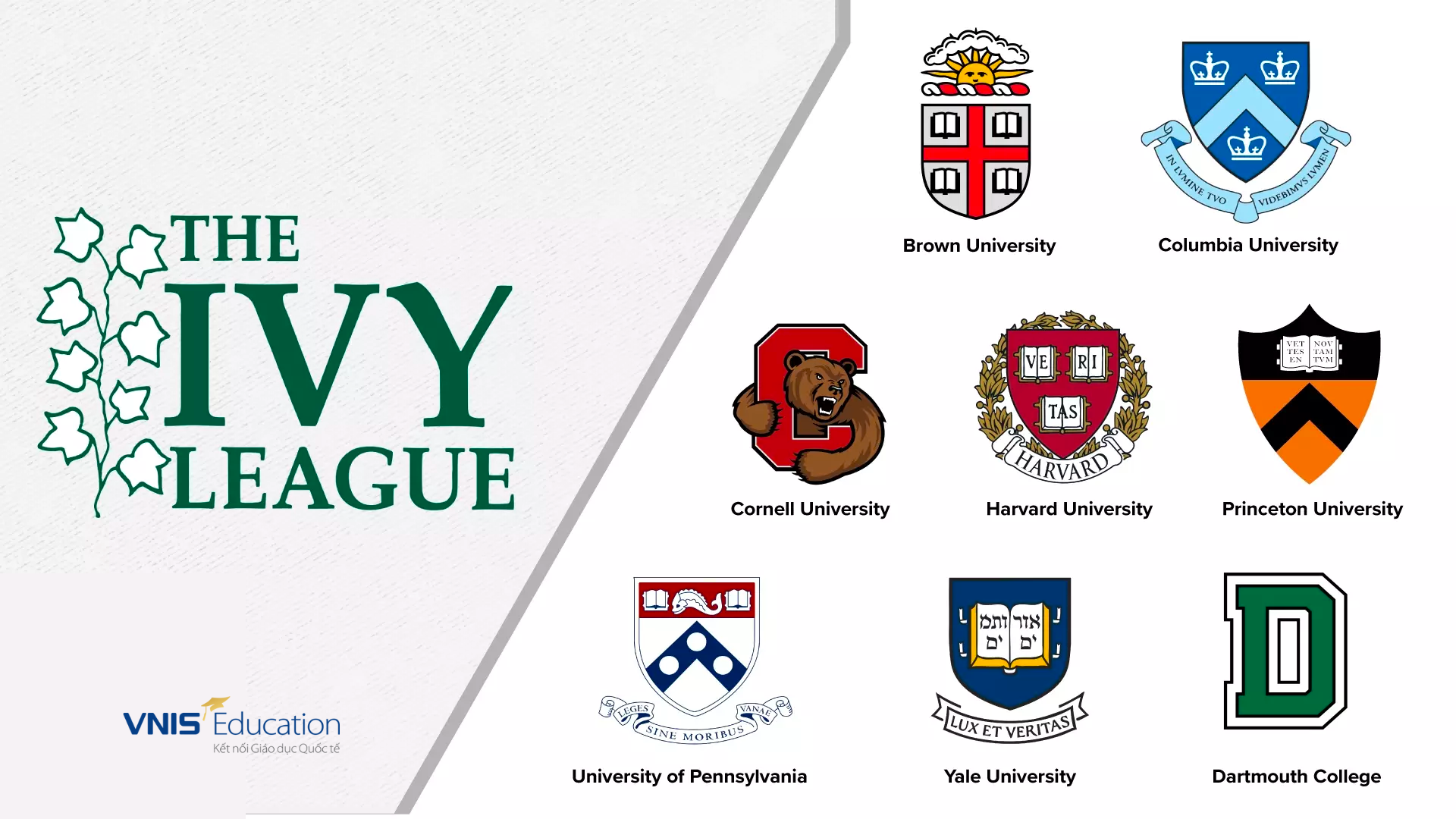
Understanding which universities comprise the Ivy League is the first step in deconstructing a brand identity that commands billions in endowments and shapes the trajectories of world leaders.
1. The Core Identity: Defining the Eight Pillars of the Ivy Brand
The Ivy League is not a generic term for “good schools,” but a specific group of eight private research universities in the Northeastern United States. Each institution functions as a powerful standalone brand, yet they all benefit from the collective “halo effect” of the Ivy League association.
The Historical Foundation of the Brand
The brand was formalized in 1954 with the formation of the NCAA Division I athletic conference. However, the “Ivy” identity had been brewing since the 1930s. The moniker refers to the common practice of planting ivy at these historic campuses, a visual metaphor for growth, endurance, and deep-rooted tradition. The schools include Brown University, Columbia University, Cornell University, Dartmouth College, Harvard University, the University of Pennsylvania, Princeton University, and Yale University.
The Geographical and Social Footprint
Seven of these institutions are “Colonial Colleges,” founded before the American Revolution (Cornell being the exception, founded in 1865). This historical depth is a critical component of their brand strategy. By positioning themselves as the architects of American intellectualism, they have created an identity that is synonymous with the history of the United States itself. Geographically concentrated in the Northeast—from the urban landscape of New York City to the rural charm of Hanover, New Hampshire—the brand occupies a specific cultural space of “old world” Americana blended with modern innovation.
2. Building Scarcity and Exclusivity: The Ivy League Marketing Strategy
In the world of luxury branding, the more difficult a product is to acquire, the more valuable it becomes. The Ivy League has mastered the art of “Exclusivity Marketing.” By maintaining incredibly low acceptance rates—often dipping below 4%—these universities ensure that their brand remains a “Veblen good,” where demand increases as the perception of exclusivity rises.
Selectivity as a Value Proposition
The Ivy League brand does not sell education; it sells access. The marketing narrative is built around the idea that only the “best of the best” are admitted. This creates a self-fulfilling prophecy of excellence. Because the brand is known for being exclusive, it attracts the highest caliber of applicants, which in turn allows the schools to remain exclusive. From a brand strategy perspective, this is a closed-loop system of prestige that is nearly impossible for newer institutions to replicate.
The Power of Heritage and Architecture
A brand’s visual identity is crucial, and the Ivy League’s “visual language” is iconic. The “Collegiate Gothic” architecture—stone arches, leaded glass windows, and sprawling green quads—serves as a physical manifestation of the brand. This aesthetic signals stability and timelessness. When a student or donor walks through the gates of Harvard Yard or Nassau Hall at Princeton, they are experiencing an immersive brand environment designed to evoke awe and a sense of belonging to an elite lineage.
3. The Personal Branding Multiplier: Value Beyond the Classroom
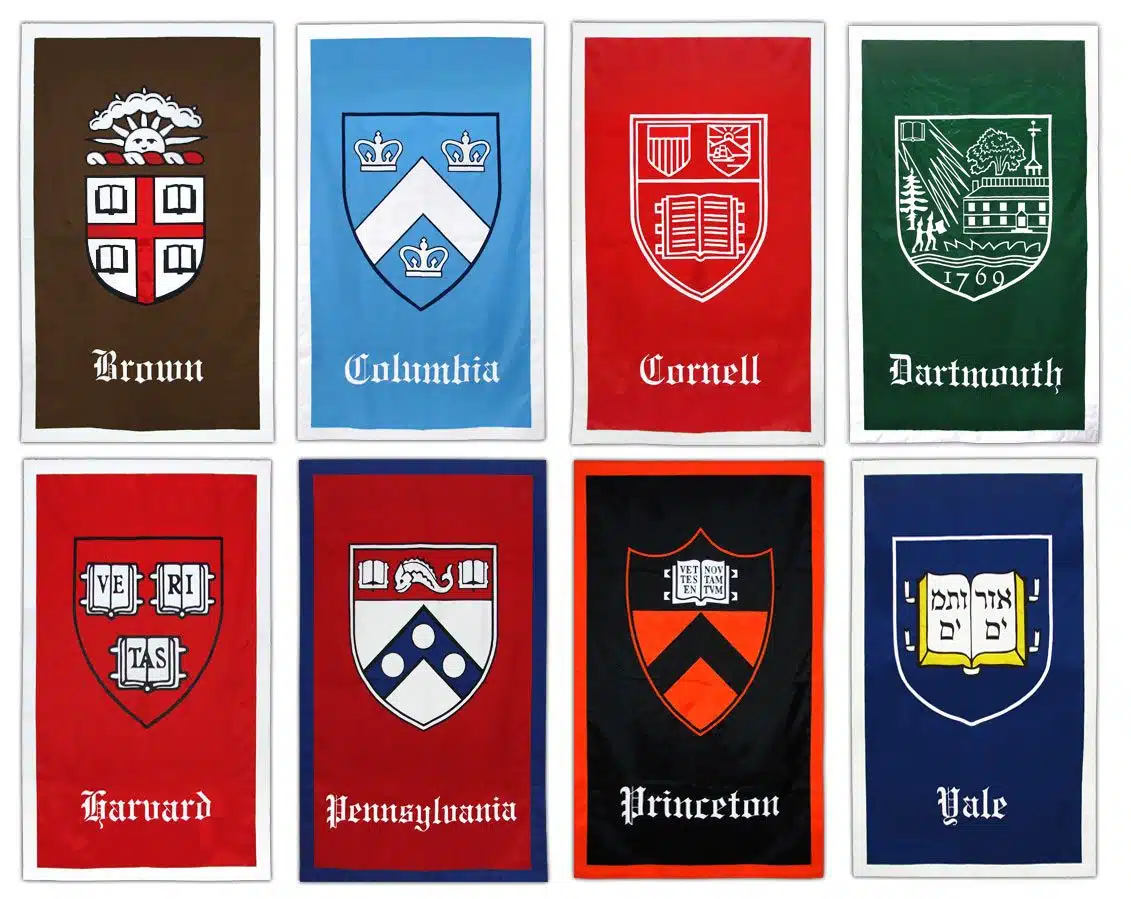
For the individual, an Ivy League degree is more than a credential; it is a permanent upgrade to their personal brand. This is the “Product” that these universities deliver: a lifelong association with excellence that functions as a high-level social and professional signal.
Networking as a Brand Asset
The “Ivy League Network” is perhaps the most valuable intangible asset of the brand. By grouping these eight schools together, they have created a massive, interconnected ecosystem of influence. A graduate of Cornell has an immediate, branded connection to a graduate of Yale. In the corporate world, this translates to “social capital.” The brand acts as a shortcut for trust and competence, allowing alumni to bypass traditional barriers in finance, law, politics, and technology.
The “Halo Effect” on Career Progression
The Ivy League brand provides what psychologists call the “Halo Effect”—the tendency for an impression created in one area to influence opinion in another. Because a person is associated with the “Harvard” or “Penn” brand, recruiters and peers often subconsciously attribute other positive qualities to them, such as high intelligence, work ethic, and leadership potential. This brand-driven perception often leads to higher starting salaries and faster career acceleration, reinforcing the value of the original “Ivy” investment.
4. Brand Dilution and Modern Challenges: Maintaining Relevance
No brand is immune to the pressures of a changing market. In the 21st century, the Ivy League faces challenges ranging from the rise of “New Ivies” (like Stanford, MIT, and UChicago) to a digital landscape that democratizes knowledge. How these eight schools manage their brand in the face of these shifts is a masterclass in corporate identity evolution.
Competing with the “New Ivies” and Tech Giants
While the Ivy League owns the “Heritage” niche, schools like Stanford and MIT have successfully carved out the “Innovation” niche. In many ways, the brand of Silicon Valley has become a rival to the brand of the Ivy League. To counter this, Ivy League institutions have aggressively rebranded themselves as hubs for entrepreneurship. The University of Pennsylvania’s Wharton School, for example, has pivoted its brand to focus heavily on fintech and global markets, ensuring the “Ivy” name remains synonymous with modern power, not just historical prestige.
Balancing Tradition with Modern Values
A significant risk to any legacy brand is appearing “out of touch.” The Ivy League has had to carefully navigate its brand identity to include diversity, equity, and inclusion without losing the “exclusivity” that makes it valuable. This is a delicate balancing act. The brand must evolve from a “closed club for the elite” to an “engine for social mobility,” while still maintaining the high-status allure that donors and applicants expect. This transition is visible in their marketing materials, which now emphasize global impact and social responsibility alongside academic rigor.
5. The Global Corporate Identity: Why the Ivy League is the Gold Standard
The Ivy League is a global export. It represents the pinnacle of the American Dream packaged as a corporate identity. Its influence extends far beyond the borders of the United States, shaping educational standards and aspirational goals worldwide.
Endowments and Financial Brand Power
The financial health of the Ivy League is a testament to its brand loyalty. With endowments totaling over $150 billion collectively, these institutions function more like major hedge funds with a university attached. This financial power allows them to invest in the “Brand Experience”—from world-class facilities to renowned faculty—which further solidifies their market position. The ability to offer “need-blind” admission is also a powerful brand tool, as it reinforces the narrative that the brand is accessible to the most talented individuals, regardless of their financial background.
The Ivy League as a Global Benchmark
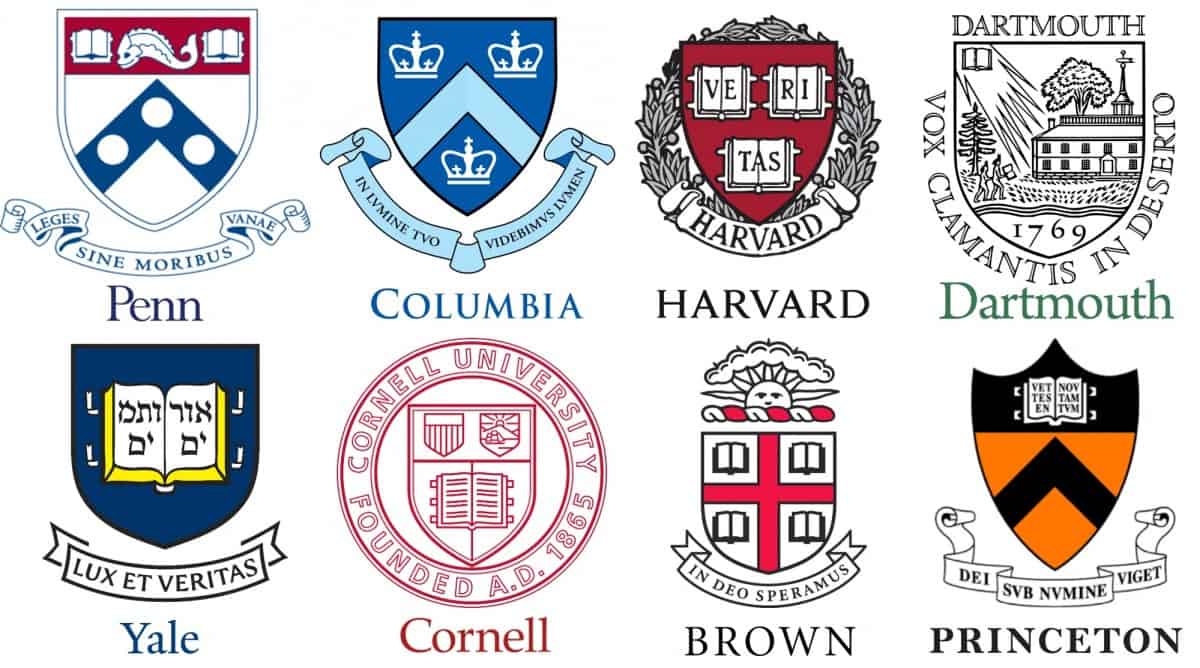
The brand has become so dominant that “Ivy League” is now used as a genericized trademark for quality in other sectors. We hear of “Public Ivies,” “Southern Ivies,” and even “Little Ivies.” This is the ultimate win for a brand: when your name becomes the yardstick by which all competitors are measured. By defining what “excellence” looks like, the eight schools of the Ivy League have secured their place at the top of the global educational hierarchy for the foreseeable future.
In conclusion, the Ivy League universities—Brown, Columbia, Cornell, Dartmouth, Harvard, UPenn, Princeton, and Yale—represent far more than an athletic conference. They are a cohesive, meticulously maintained brand that leverages history, scarcity, and social capital to maintain a position of unrivaled prestige. Whether viewed through the lens of personal branding or corporate strategy, the Ivy League remains the world’s most powerful example of how a shared identity can create a legacy that lasts for centuries.
aViewFromTheCave is a participant in the Amazon Services LLC Associates Program, an affiliate advertising program designed to provide a means for sites to earn advertising fees by advertising and linking to Amazon.com. Amazon, the Amazon logo, AmazonSupply, and the AmazonSupply logo are trademarks of Amazon.com, Inc. or its affiliates. As an Amazon Associate we earn affiliate commissions from qualifying purchases.