
In our increasingly interconnected and often boisterous world, understanding and quantifying noise has become more than just a matter of annoyance. From the hum of our latest gadgets to the roar of industrial machinery, noise pollution is a growing concern, impacting everything from our health and well-being to the effectiveness of our communication and the performance of our technology. But how do we actually measure this intangible phenomenon? When we talk about sound, what unit do we use to express its intensity, and what does it truly signify? The answer, most commonly, lies in the decibel (dB), a unit that has become synonymous with measuring sound pressure and loudness.
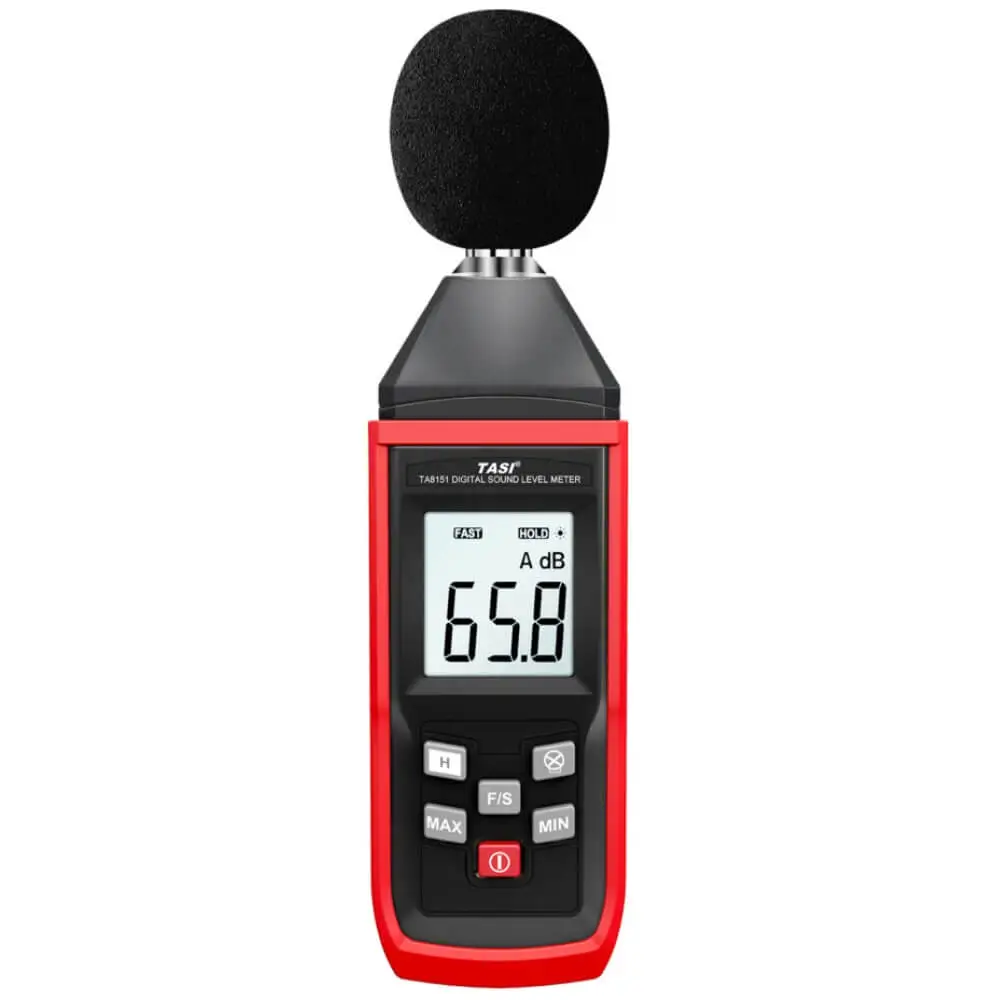
However, the story of noise measurement extends beyond a simple unit. It delves into the complexities of human perception, the engineering of our auditory systems, and the technological advancements that allow us to quantify even the subtlest sonic variations. This exploration is not confined to the realm of acoustics; it has significant implications across various sectors, from the tech industry where noise can affect device performance and user experience, to brand building where a quiet or noisy environment can shape a company’s image, and even to money, where the cost of noise mitigation and the economic impact of noise pollution are considerable.
The Decibel: Our Sonic Yardstick
At its core, the decibel is a logarithmic unit used to express the ratio of two values of a physical quantity, often in acoustics. When applied to sound, it measures sound pressure level (SPL). The reason for this logarithmic scale is rooted in the vast range of sound pressures the human ear can detect. Our ears are incredibly sensitive, capable of perceiving sounds from the faintest whisper to the loudest thunderclap. A linear scale would require an enormous range of numbers to represent this, making it cumbersome and impractical.
The decibel scale compresses this vast range into a more manageable set of numbers, typically from 0 dB (the threshold of human hearing) to around 120-130 dB (the threshold of pain). Here’s why this logarithmic nature is crucial:
- Human Perception: Our perception of loudness doesn’t increase linearly with sound pressure. A doubling of sound pressure doesn’t sound twice as loud; it sounds only slightly louder. The decibel scale better reflects this non-linear perception, where a 10 dB increase generally corresponds to a perceived doubling of loudness.
- Ease of Comparison: The logarithmic scale allows us to easily compare vastly different sound levels. For instance, a rock concert at 110 dB is significantly louder than a quiet library at 40 dB, and the decibel scale clearly quantifies this difference.
- Engineering and Measurement: In technology and engineering, the decibel is indispensable for quantifying signal-to-noise ratios, amplification levels, and the performance of audio equipment.
Understanding the dB Scale: More Than Just a Number
It’s important to understand that the decibel itself is a relative unit. It represents a ratio. When we refer to “dB” in everyday contexts, we are usually implicitly referring to decibels relative to a standard reference pressure, often the threshold of human hearing (20 micropascals).
Let’s break down some common decibel levels to put them into perspective:
- 0 dB: Threshold of human hearing (the quietest sound we can perceive).
- 10 dB: Breathing, rustling leaves.
- 20 dB: A quiet whisper, a library.
- 30 dB: A quiet room, soft music.
- 40 dB: Refrigerator hum, normal conversation.
- 50 dB: Moderate rainfall, dishwasher.
- 60 dB: Normal office noise, washing machine.
- 70 dB: Vacuum cleaner, city traffic.
- 80 dB: Garbage disposal, heavy traffic, a car horn. Prolonged exposure can start to cause damage.
- 90 dB: Lawn mower, motorcycle. Hearing protection is recommended.
- 100 dB: Chainsaw, jackhammer, MP3 player at maximum volume. Significant risk of hearing damage.
- 110 dB: Rock concert, siren. Very loud, risk of immediate damage.
- 120 dB: Jet engine at takeoff. Threshold of pain.
- 130 dB: Pain threshold, potential for immediate hearing damage.
These examples highlight why the decibel scale is so effective. It allows us to grasp the magnitude of sound pressure in a way that is both scientifically accurate and intuitively understandable.
Beyond the Standard: Weighted Decibels and Frequency
While the decibel is the fundamental unit, the raw measurement of sound pressure isn’t always the most relevant for understanding its impact on humans or technology. This is where frequency weighting comes into play. The human ear’s sensitivity to sound varies with its frequency. We are more sensitive to mid-range frequencies (around 1 kHz to 4 kHz, the range of human speech) than to very low or very high frequencies.
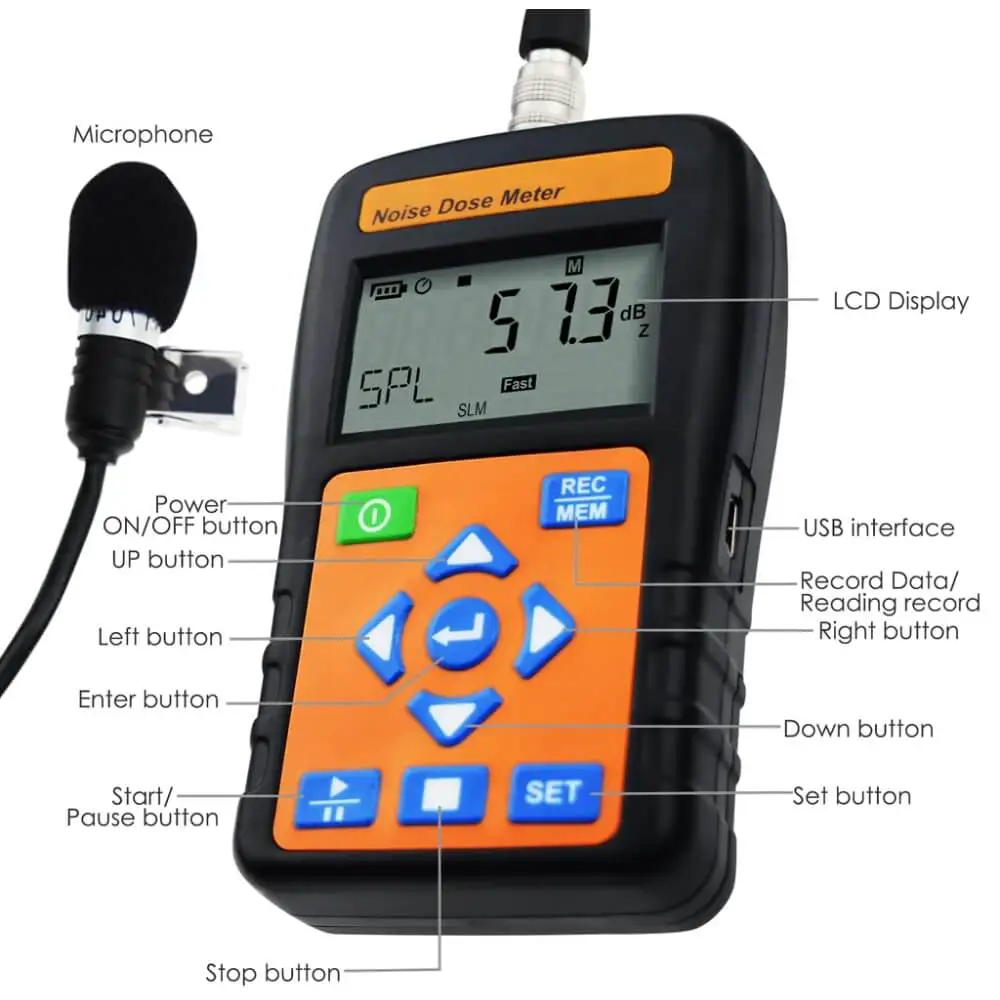
To account for this, sound level meters often employ weighting filters. The most common are:
A-Weighting (dBA): Mimicking Human Hearing
The A-weighting (dBA) is the most widely used frequency weighting. It approximates the frequency response of the average human ear at moderate sound levels. When a sound level is measured with A-weighting, it’s expressed in decibels A (dBA). This means that sounds at frequencies where our ears are less sensitive are attenuated, effectively lowering their dB value in the dBA measurement. This makes dBA a much better indicator of how loud a sound is perceived to be and its potential for causing annoyance or hearing damage. For instance, a very low-frequency hum at 90 dB might be less annoying than a higher-frequency buzz at 70 dB, and the dBA reading would reflect this perceptual difference.
C-Weighting (dBC): Capturing Lower Frequencies
C-weighting (dBC) is another common weighting that is flatter than A-weighting, meaning it doesn’t attenuate low frequencies as much. This makes dBC useful for measuring sounds with significant low-frequency content, such as industrial noise, machinery, or even loud bass music. While A-weighting is ideal for general noise assessment and human perception, C-weighting provides a more comprehensive picture of the overall sound energy, particularly in situations where low-frequency noise is a concern.
Z-Weighting (dBZ): The Unweighted Truth
Z-weighting (dBZ), also known as unweighted, represents the sound pressure level without any frequency filtering. This is a direct measurement of the sound energy across the entire frequency spectrum. While it doesn’t directly reflect human perception, it’s crucial for scientific and technical applications where understanding the full acoustic signature is necessary, such as in product testing or detailed acoustic analysis.
Applications Across Industries: Why Noise Measurement Matters
The measurement of noise levels, quantified by decibels and further refined by frequency weighting, has far-reaching implications across various sectors, directly impacting the core concerns of technology, branding, and money.
Tech: The Silent Battle for Performance and User Experience
In the tech world, noise is a double-edged sword. On one hand, advancements in audio technology strive to create immersive sound experiences, but on the other, unwanted noise can be a significant detractor.
- Gadgets and Devices: For manufacturers of smartphones, laptops, and other personal electronics, minimizing fan noise, coil whine, and other operational sounds is crucial for a positive user experience. Silent operation is often a selling point, and decibel measurements are used during product development and quality control to ensure devices meet noise benchmarks.
- Audio Equipment: The performance of headphones, speakers, and microphones is directly judged by their signal-to-noise ratio (SNR), often expressed in decibels. A higher SNR means a clearer, less noisy audio output, a critical factor for audiophiles and professionals alike.
- AI and Software: In the realm of AI tools, particularly those dealing with audio processing (like speech recognition or noise cancellation algorithms), accurate measurement of ambient noise is essential for training and testing these systems. The effectiveness of noise-cancelling headphones, for example, is measured by how many decibels they can reduce ambient sound.
- Digital Security: In some niche areas of digital security, understanding acoustic emanations (noise generated by devices that could potentially reveal information) can be a consideration.
Brand: Shaping Perception Through Sonic Environments
A company’s brand is not just its logo or its marketing campaigns; it’s the entire customer experience, and the sonic environment plays a significant role.
- Customer Experience: A restaurant with a pleasant, low murmur of conversation creates a different brand image than one with loud, clattering dishes and shouting staff. Similarly, the quiet hum of a luxury car versus the noisy rumble of an older model contributes to brand perception.
- Workplace Productivity: For corporate identities, creating an optimal auditory environment in offices can boost employee productivity and morale. Excessive noise can lead to stress and decreased efficiency. Measuring and managing office acoustics with dB levels can be a strategic decision.
- Marketing and Advertising: The sound design in advertisements, films, and video games is meticulously crafted to evoke specific emotions and reinforce brand messaging. The use of silence or specific soundscapes, all quantified by decibel levels, is a deliberate branding strategy.
- Reputation Management: Negative noise pollution from a company’s operations (e.g., a factory’s machinery) can severely damage its reputation within a community. Proactive noise management, measured and documented using decibel levels, is essential for corporate social responsibility.
Money: The Economic Impact of Sound
The financial implications of noise are substantial and touch upon various aspects of personal and business money matters.
- Healthcare Costs: Noise pollution is linked to a range of health problems, including stress, sleep disturbances, hypertension, and cardiovascular issues. The economic burden of treating these noise-induced ailments is significant.
- Real Estate Value: Properties located in noisy areas (near airports, highways, or industrial zones) often have lower market values. Conversely, quiet neighborhoods can command a premium.
- Product Development Costs: Implementing noise reduction technologies in products adds to manufacturing costs. However, the investment can be justified by increased sales and customer satisfaction.
- Fines and Regulations: Many municipalities and regulatory bodies have noise ordinances with specific decibel limits. Businesses and individuals exceeding these limits can face substantial fines, impacting their bottom line.
- Productivity Losses: In workplaces, excessive noise leads to decreased productivity, which translates into financial losses for businesses. Investing in soundproofing or noise management solutions can yield a positive return on investment.
- Side Hustles and Online Income: Even in the context of generating online income, managing noise can be important. For instance, if you’re recording audio for online courses or podcasts, a quiet environment is crucial for producing professional-sounding content that can attract clients and customers.
Conclusion: Listening to the Numbers
The unit used to measure noise levels is, most fundamentally, the decibel (dB). However, a deeper understanding reveals that the context and application of these measurements are paramount. Frequency weighting like A-weighting (dBA) and C-weighting (dBC) allow us to interpret decibels in ways that better reflect human perception and the specific characteristics of different sound sources.
From the intricate circuitry of our latest gadgets to the carefully curated ambiance of a flagship store, and from the personal finance decisions we make to the larger economic forces at play, understanding noise levels and the units used to measure them is no longer a niche concern. It is a vital aspect of navigating our modern world, impacting our health, our businesses, our brands, and our financial well-being. By listening to the numbers behind the noise, we can make more informed decisions, create more harmonious environments, and ultimately, improve the quality of our lives.
aViewFromTheCave is a participant in the Amazon Services LLC Associates Program, an affiliate advertising program designed to provide a means for sites to earn advertising fees by advertising and linking to Amazon.com. Amazon, the Amazon logo, AmazonSupply, and the AmazonSupply logo are trademarks of Amazon.com, Inc. or its affiliates. As an Amazon Associate we earn affiliate commissions from qualifying purchases.