
Merlot. The very name evokes a sense of familiarity, often associated with a smooth, approachable red wine that has graced countless dinner tables and wine lists worldwide. But to truly understand “what type of wine is Merlot” is to delve beyond a simple taste profile and explore its profound identity as a global brand. In the intricate world of viticulture and oenology, a varietal like Merlot isn’t just a plant; it’s a living, breathing brand with a distinct personality, a storied history, and a complex relationship with its consumers and the broader market. Defining Merlot means dissecting its core characteristics, tracing its journey through periods of immense popularity and challenging perception, and analyzing its strategic positioning in an ever-evolving landscape of global beverages.
The Essence of Merlot: Unpacking a Varietal’s Core Identity
At its heart, Merlot is a red wine grape that originated in the Bordeaux region of France. Its name is thought to be a diminutive of “merle,” the French word for blackbird, perhaps referencing the grape’s dark, bluish-black color or the birds’ fondness for the ripe berries. This historical and etymological root already imbues the Merlot brand with a sense of place and classic European charm. However, its identity is far more nuanced than a simple geographic tag.
A Brief History and Global Footprint: From Bordeaux to the World
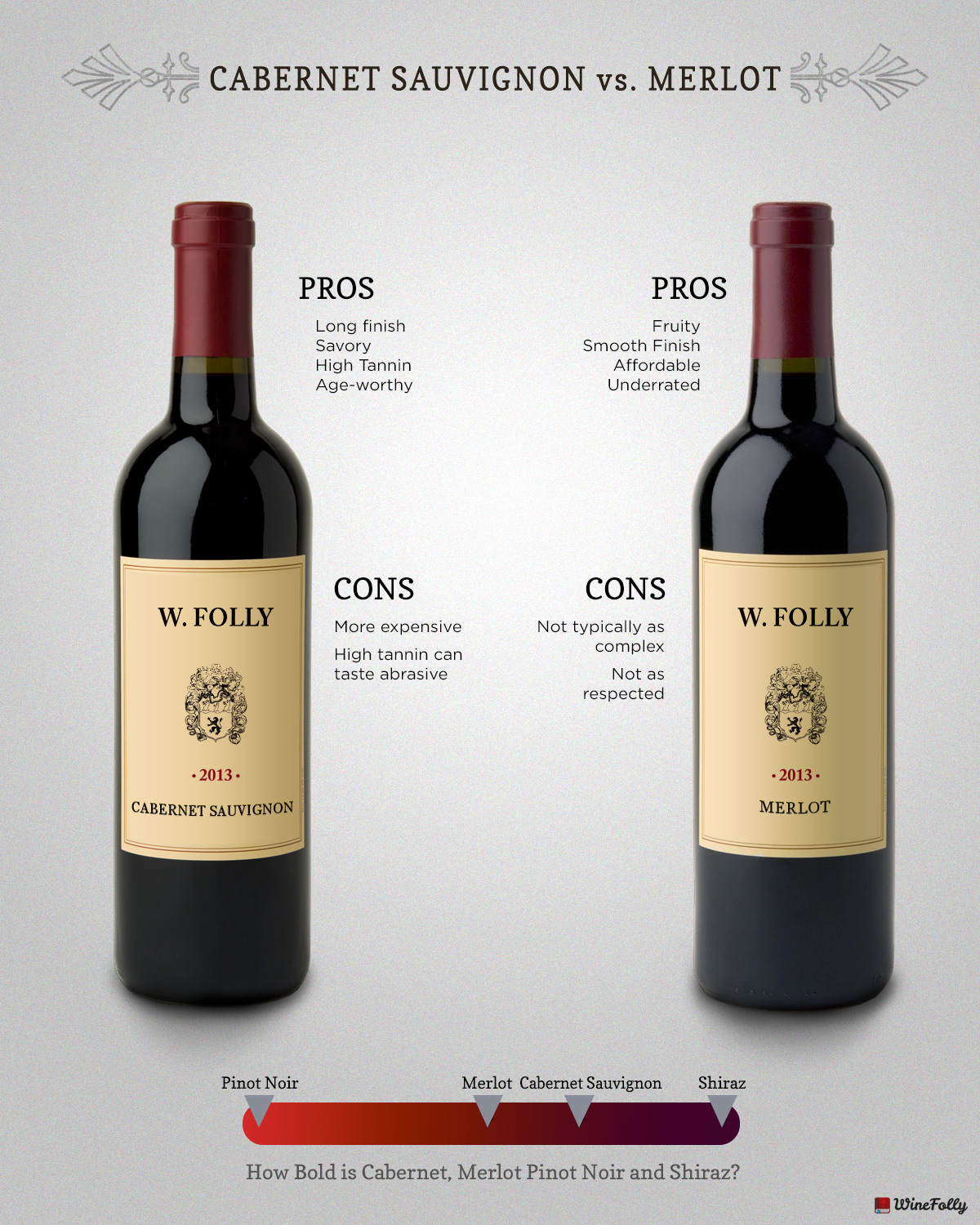
Merlot’s brand story begins in the vineyards of Bordeaux, where it has historically played a crucial supporting role alongside Cabernet Sauvignon, Cabernet Franc, and Petit Verdot in the region’s iconic blends. On the Right Bank of Bordeaux, in appellations like Pomerol and Saint-Émilion, Merlot takes center stage, often comprising the majority of the blend due to the clay-rich soils it thrives in. Here, it contributes softness, rich fruit, and an earlier approachability compared to the more tannic Cabernet Sauvignon.
From these noble origins, Merlot’s brand recognition exploded globally. By the late 20th century, it had become a star varietal in its own right, planted extensively in California, Italy, Chile, Australia, Washington State, and many other wine-producing regions. This widespread adoption marked a critical expansion of the Merlot brand, transforming it from a regional specialty into a truly international phenomenon. Each new terroir, however, began to imprint its own unique signature on the varietal, leading to diverse brand expressions under the single Merlot umbrella. This global spread is a testament to Merlot’s adaptability and commercial appeal, laying the groundwork for its widespread brand recognition.
Defining Characteristics: The Palate and Aromatic Signature
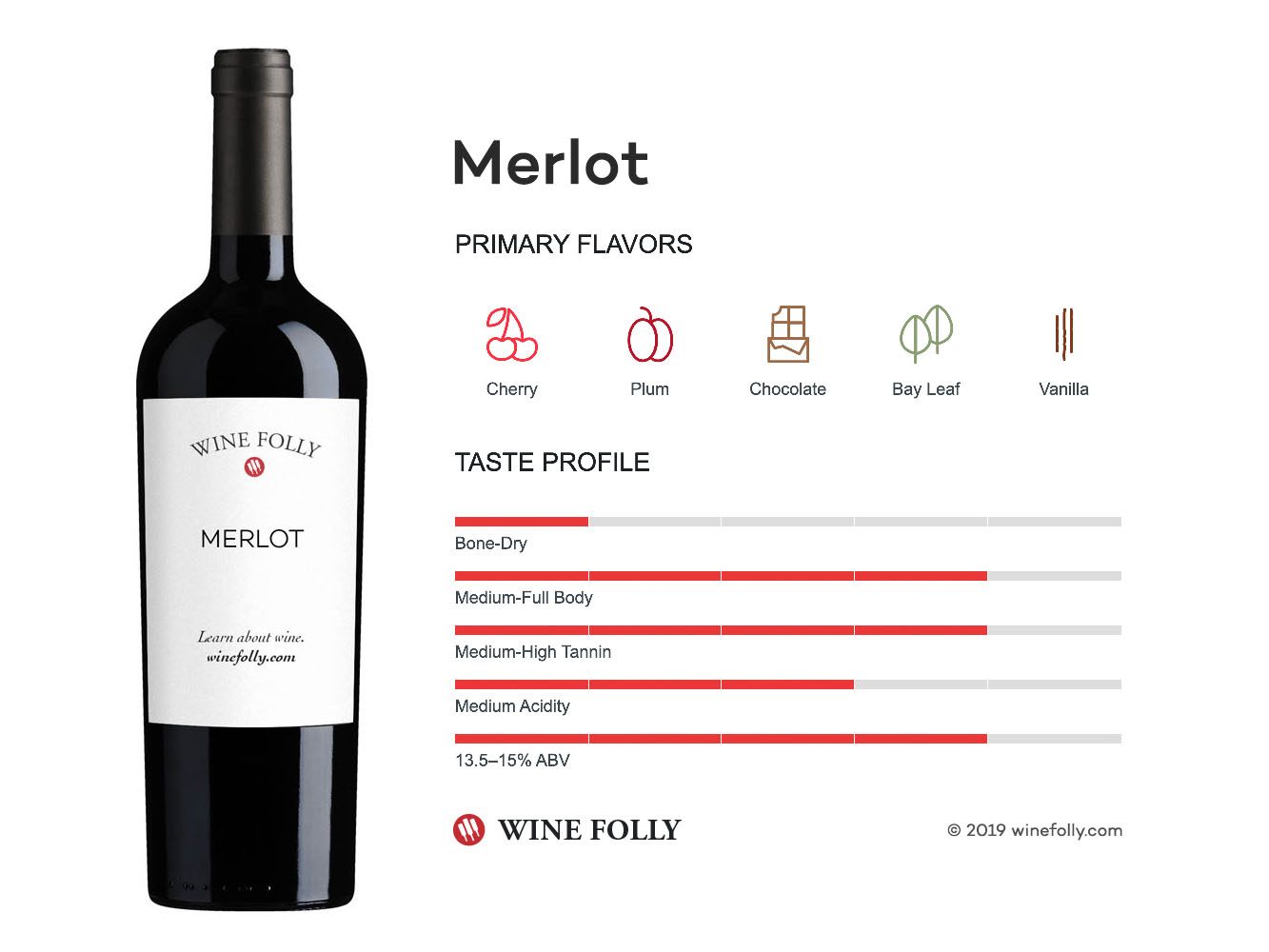
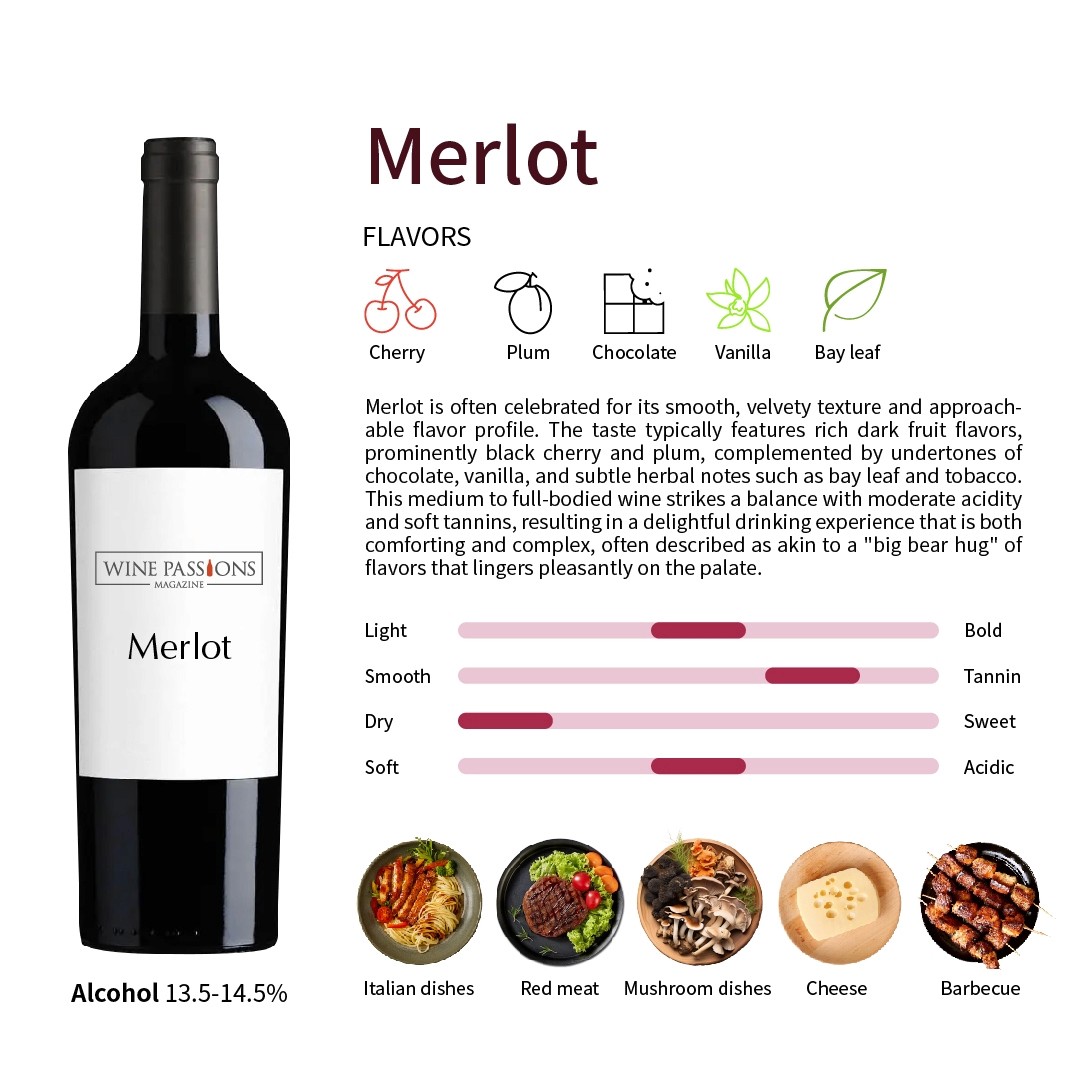
When someone asks “what type of wine is Merlot,” they are often seeking an understanding of its sensory brand experience. Typically, Merlot is characterized by its medium body, moderate tannins, and lower acidity compared to its Cabernet Sauvignon counterpart. This makes it generally softer and smoother on the palate, contributing significantly to its broad appeal.
The aromatic and flavor profile is where Merlot truly asserts its brand identity. Classic notes often include:
- Red Fruit: Plums, cherries, raspberries.
- Black Fruit: Blackberries, blackcurrants (especially in warmer climates).
- Herbal/Vegetal: Green olive, mint, bell pepper (particularly when unripe, a characteristic that producers diligently manage to maintain brand consistency).
- Earthy/Savory: Tobacco, cedar, chocolate, vanilla (especially with oak aging).
- Floral: Violets.
These descriptors paint a picture of a wine that is both fruity and savory, capable of expressing both youthful exuberance and aged complexity. This versatility is a key brand attribute, allowing Merlot to appeal to a wide range of palates and occasions.
“Softness” and Approachability: Merlot’s Brand Differentiator
Perhaps the most significant brand differentiator for Merlot, and a primary reason for its global success, is its perceived “softness” and approachability. In a market where some red wines can be dauntingly tannic or acidic, Merlot offered a gentler entry point. This characteristic positioned it as the “friendly” red wine, easy to drink on its own and adaptable to a variety of foods. This perceived gentleness became a cornerstone of its marketing and a dominant aspect of its brand promise, attracting new wine drinkers and solidifying its place as a reliable and non-intimidating choice. This brand positioning was hugely successful, creating a strong consumer association with comfort and ease.
Merlot’s Brand Positioning: Navigating Market Perceptions and Evolution
Like any prominent brand, Merlot has experienced the ebbs and flows of consumer sentiment, media influence, and market trends. Its journey offers a fascinating case study in brand resilience and adaptation.
The “Merlot Craze” and the “Sideways” Effect: Brand Resilience and Challenges
The late 20th century saw a “Merlot craze,” particularly in the United States. Its approachable style, combined with effective marketing, propelled it to unprecedented popularity. It became the go-to red wine for many, signifying a certain level of sophistication without being intimidating. This period was Merlot’s brand zenith, synonymous with mainstream success.
However, in 2004, the independent film “Sideways” delivered a significant blow to the Merlot brand. A now-infamous line from the film, “I am NOT drinking any f***ing Merlot!”, uttered by a wine snob protagonist, resonated powerfully with a segment of consumers. Overnight, Merlot became associated with uncool, unadventurous, or even inferior wine in the popular imagination. Sales dipped, and many producers found themselves rebranding or emphasizing other varietals.
This “Sideways” effect is a prime example of how external narratives can impact even well-established brands. Yet, Merlot’s underlying quality and diversity allowed it to recover. Producers responded by focusing on crafting higher-quality Merlots, emphasizing its noble heritage, and highlighting its role in premium blends. The “Sideways” phenomenon ultimately pushed the Merlot brand to refine its message, re-emphasize its core strengths, and demonstrate its genuine value beyond fleeting trends. It became a story of a brand proving its resilience and inherent worth.
Regional Brand Expressions: Terroir and Stylistic Diversity
While “Merlot” is a single varietal brand, its expression varies dramatically depending on where it’s grown and how it’s made. This regional diversity creates distinct sub-brands or stylistic niches within the broader Merlot category.
- Bordeaux (Right Bank): Here, Merlot is dense, structured, often with notes of plum, cherry, tobacco, and sometimes a hint of earthiness. These are typically long-lived wines, representing a premium, traditional Merlot brand identity.
- California: Often produces riper, fruit-forward Merlots with dominant notes of black cherry, plum, and chocolate, sometimes with vanilla from oak aging. This style often caters to a consumer base looking for immediate gratification and bold flavors, a more modern, accessible brand image.
- Italy (esp. Tuscany): Merlot contributes to “Super Tuscan” blends and also stands alone, often displaying a savory character with notes of red currant, herbs, and a firmer structure. This showcases Merlot’s brand versatility and its ability to adapt to different winemaking philosophies.
- Chile: Known for producing excellent value Merlots that are often fruit-driven, with soft tannins and notes of plum and green bell pepper. This positions Chilean Merlot as an accessible, everyday brand.
These variations demonstrate that while the varietal name remains consistent, the nuanced expressions of Merlot’s brand are highly dependent on its origin and the winemaker’s intent. Each region crafts a unique value proposition and brand experience.
Merlot in Blends: A Team Player’s Brand Contribution
Beyond its solo performances, Merlot is a master blender. Its softer tannins, juicy fruit, and capacity to add body make it an invaluable component in classic Bordeaux blends, where it tempers the austerity of Cabernet Sauvignon and Cabernet Franc. This role as a “team player” contributes to its overall brand image as a versatile and harmonizing grape. It’s the silent partner that often elevates the overall brand of the blend, adding layers of complexity and approachability. Even when not explicitly named, Merlot’s contribution is a significant part of the brand equity of many world-famous wines.
Marketing Merlot: Crafting Its Brand Narrative and Consumer Appeal
The way Merlot is marketed and presented directly impacts its brand perception and consumer appeal. Effective branding goes beyond describing the wine; it tells its story, defines its place in the market, and connects with target audiences.
Communicating Value: Positioning Merlot for Diverse Palates
For producers, effectively branding Merlot means understanding its target audience.
- Entry-Level/Everyday Merlot: These are often marketed on their approachability, fruitiness, and value. The brand message here is about ease, enjoyment, and accessibility.
- Mid-Tier Merlot: Emphasizes balance, food-friendliness, and a step up in complexity, often highlighting specific regional characteristics or sustainable practices.
- Premium/Boutique Merlot: Here, the focus shifts to terroir, limited production, aging potential, and winemaking artistry. The brand narrative is one of prestige, rarity, and a connoisseur’s choice.
Each of these segments requires a tailored brand message, from label design and bottle shape to marketing copy and distribution channels, ensuring Merlot resonates with varied consumer expectations.
Pairing as Brand Enhancement: Lifestyle and Experience
Food pairing recommendations are a powerful tool in enhancing a wine’s brand. Merlot’s inherent versatility makes it an ideal partner for a wide array of dishes, from roasted poultry and pork to pasta with tomato-based sauces and various cheeses. Marketing Merlot through its food compatibility extends its brand into the realm of lifestyle and experience. It’s not just a drink; it’s an accompaniment to shared meals, celebrations, and moments of enjoyment. By associating Merlot with delicious food and convivial settings, its brand becomes more integrated into consumers’ lives.
The Future of Merlot’s Brand: Innovation and Sustainability
Like all successful brands, Merlot must continue to evolve to remain relevant. Wineries are increasingly focusing on sustainable and organic viticultural practices, appealing to a growing segment of environmentally conscious consumers. Innovations in winemaking, such as experimenting with different oak regimens or exploring earlier picking times for fresher styles, are helping to refresh the Merlot brand. There’s also a renewed appreciation for Merlot’s potential for elegance and longevity, moving beyond the “easy drinking” stereotype to highlight its more serious expressions. This forward-looking approach ensures the Merlot brand remains dynamic, adaptable, and appealing to new generations of wine drinkers.
The Power of Varietal Branding: Lessons from Merlot
Merlot’s journey offers profound insights into the power and challenges of varietal branding within the beverage industry and beyond.
Authenticity and Provenance: Cornerstones of Wine Branding
The enduring appeal of Merlot, despite market fluctuations, stems from its authentic characteristics and proven heritage. Brands, whether a grape varietal or a tech gadget, thrive on a clear identity and a compelling origin story. For Merlot, its Bordeaux roots and its distinct flavor profile provide that authenticity, allowing it to reassert its value even after setbacks. This underscores that genuine product quality and a strong foundation are critical for long-term brand success.
Adapting to Change: Maintaining Brand Relevance in a Dynamic Market
Merlot’s narrative—from its classical origins to its global surge, its “Sideways” stumble, and its subsequent resurgence—is a testament to the importance of brand resilience and adaptability. It teaches that even the most established brands must be prepared to confront negative perceptions, innovate, and consistently communicate their inherent value to stay relevant in a competitive and ever-changing market. The question “what type of wine is Merlot?” is not just about its immediate characteristics, but about its ongoing brand story and its capacity to remain a beloved icon in the world of wine.
aViewFromTheCave is a participant in the Amazon Services LLC Associates Program, an affiliate advertising program designed to provide a means for sites to earn advertising fees by advertising and linking to Amazon.com. Amazon, the Amazon logo, AmazonSupply, and the AmazonSupply logo are trademarks of Amazon.com, Inc. or its affiliates. As an Amazon Associate we earn affiliate commissions from qualifying purchases.