
In the world of personal and business finance, few concepts are as ubiquitous yet frequently misunderstood as sales tax. Whether you are a consumer checking a grocery receipt or a business owner navigating the complexities of multi-state commerce, sales tax represents a significant portion of financial interaction. To answer the fundamental question—what type of tax is a sales tax?—one must look beyond the percentage added at the cash register.
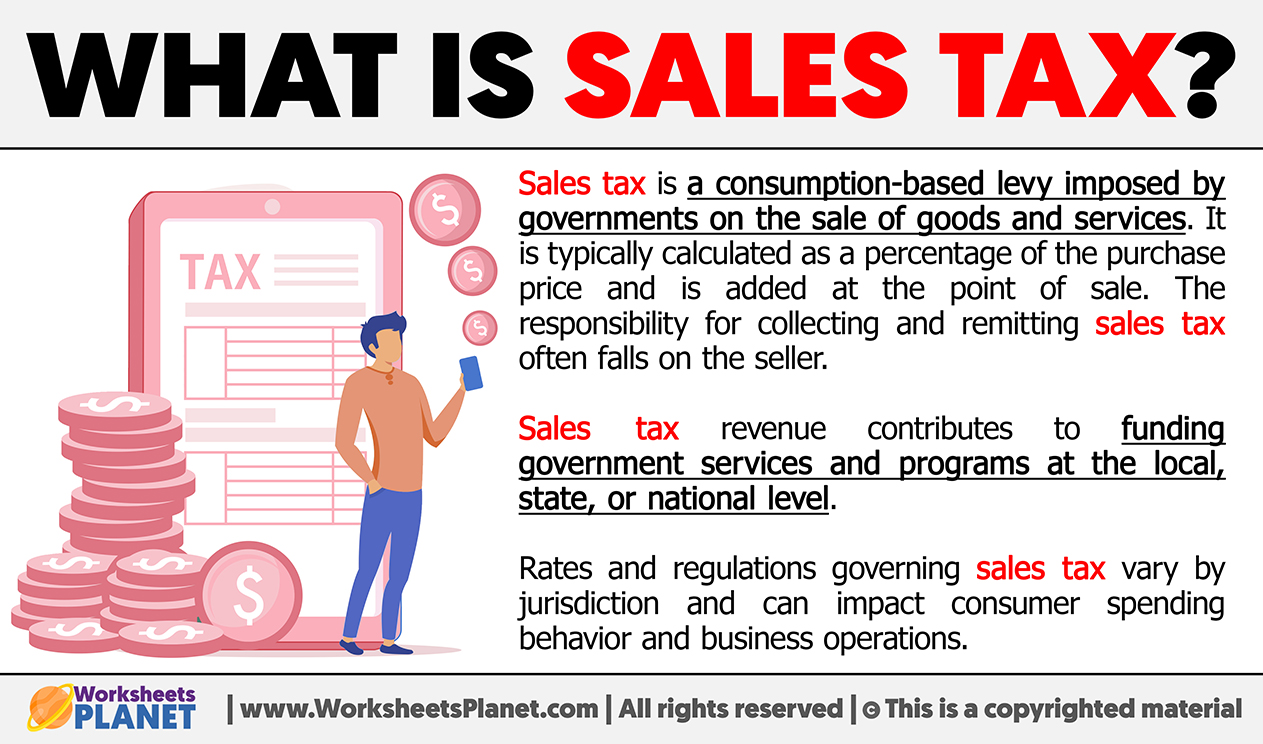
Sales tax is fundamentally classified as a consumption tax, an indirect tax, and, from a socioeconomic perspective, a regressive tax. Understanding these classifications is essential for anyone looking to master their personal budgeting or ensure the financial health of a commercial enterprise.
Defining the Classification: Consumption, Indirect, and Regressive Taxation
To understand sales tax, we must first categorize it within the broader framework of economic theory. Unlike income tax, which is levied on what you earn, sales tax is levied on what you spend.
The Consumption Tax Framework
At its core, sales tax is a consumption tax. This means the tax is triggered only when a transaction occurs for the purchase of goods or services. In the United States and many other jurisdictions, this is a “point-of-sale” tax. From a financial planning perspective, consumption taxes are designed to encourage saving and investment by taxing the outflow of capital rather than the inflow. By taxing the act of purchasing, governments can generate a steady stream of revenue that fluctuates with the health of the retail economy.
Indirect vs. Direct Taxation
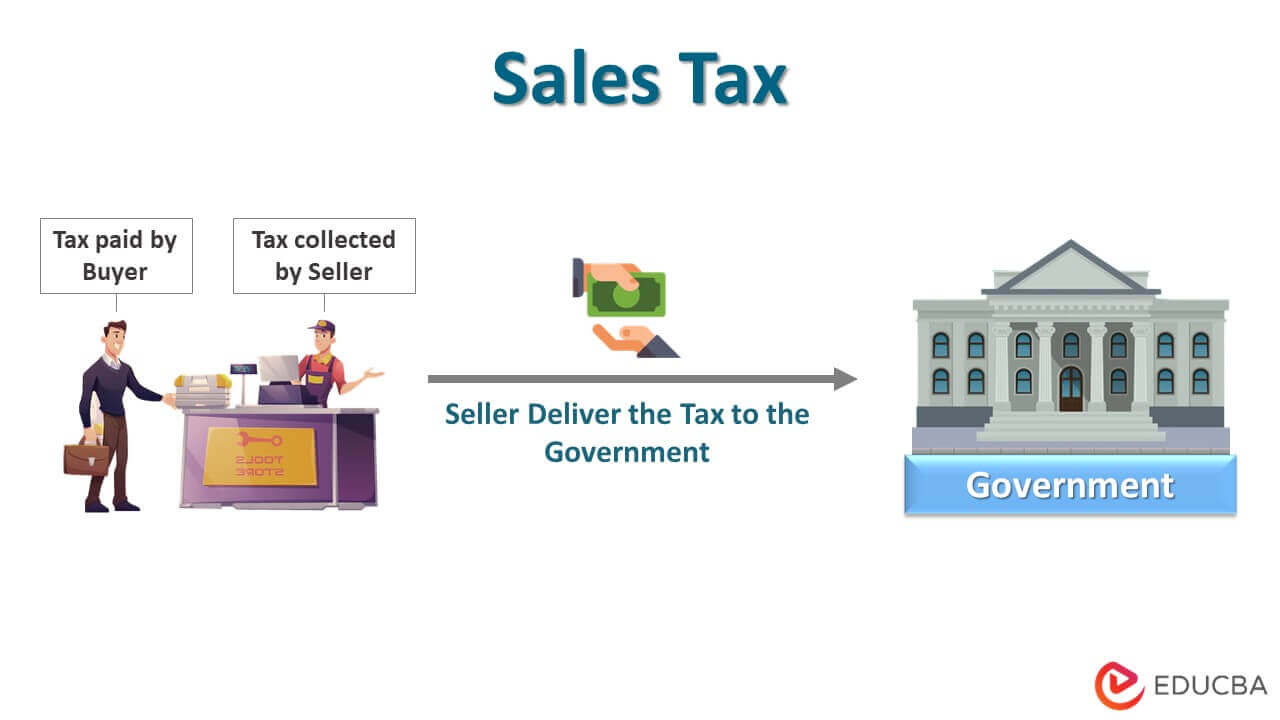
Sales tax is an indirect tax. A direct tax, such as federal income tax, is paid by an individual directly to the government. An indirect tax, conversely, is collected by an intermediary—in this case, the retailer—and then remitted to the government. For the consumer, the tax is an added cost of the product. For the business, the tax is a fiduciary responsibility; the money collected does not belong to the business, but rather to the state or local municipality. This distinction is vital for business finance, as mismanaging these collected funds can lead to severe legal and financial penalties.
The Regressive Nature of Sales Tax
Economists often label sales tax as a “regressive” tax. This does not refer to the quality of the tax, but rather its impact relative to income. Unlike a “progressive” income tax, where higher earners pay a higher percentage of their income, a flat sales tax rate applies to everyone equally regardless of wealth. However, because lower-income individuals must spend a larger percentage of their total earnings on taxable necessities (like clothing and household supplies) compared to high-income individuals, the effective burden is heavier on those with less wealth. This is why many states offer exemptions for “essential” items to mitigate this regressive impact.
The Personal Finance Perspective: How Sales Tax Affects the Consumer
For the individual, sales tax is a variable that can significantly alter the “true cost” of living and purchasing. Because sales tax is managed at the state and local levels in the U.S., the financial impact varies wildly depending on geography.
Variations Across Jurisdictions
There is no federal sales tax in the United States. Instead, 45 states and the District of Columbia impose their own versions, with local municipalities (cities and counties) often adding their own layers on top. For a savvy consumer or a personal finance enthusiast, knowing these rates is crucial. For instance, a resident of Oregon (0% state sales tax) has a vastly different purchasing power for big-ticket items like electronics or furniture than a resident of Tennessee, where combined rates can exceed 9%.
Exemptions and Tax Holidays
Strategic personal finance involves understanding what is not taxed. Most states recognize that taxing everything would be an undue burden. Common exemptions include:
-
Groceries: Many states exempt “unprepared” food.
-
Prescription Medicine: Almost all states exempt life-saving medications.
-
Professional Services: In many jurisdictions, hiring a lawyer or an accountant does not incur sales tax, though this is changing in some regions.
Furthermore, “Tax-Free Weekends” or holidays are common tools used by governments to spur economic activity, particularly for back-to-school shopping. Timing large purchases to these windows is a hallmark of disciplined financial management.
The Role of Use Tax
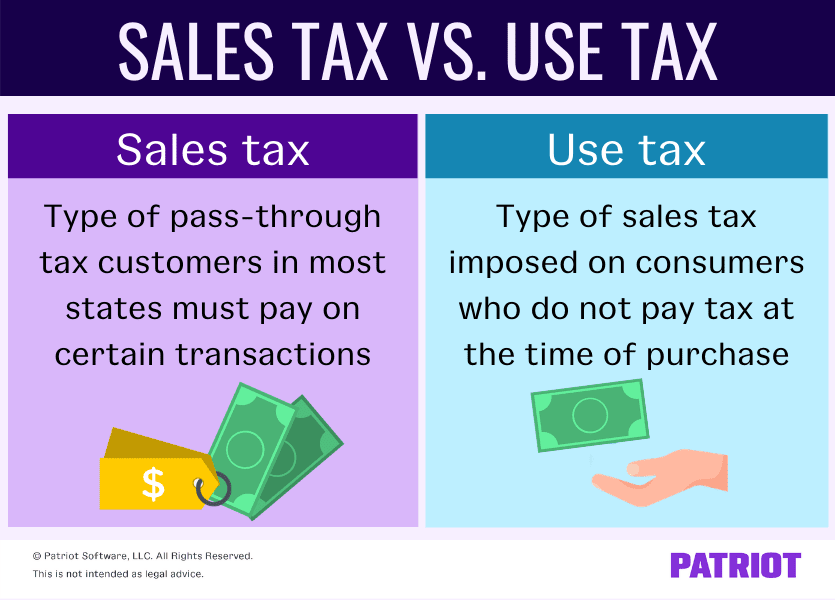
A common oversight in personal finance is the “Use Tax.” If you purchase an item online from an out-of-state retailer that does not collect sales tax, you are technically required by law to report that purchase and pay a “use tax” to your home state. While historically difficult to enforce, state tax departments are increasingly using data-sharing to ensure compliance, making it a necessary consideration for high-net-worth individuals making significant out-of-state purchases.
The Business Perspective: Compliance, Nexus, and Operational Management
For business owners, sales tax is not a cost of goods, but a complex administrative requirement. Failure to handle it correctly can lead to audits that drain a company’s reserves.
Sales Tax Nexus and the Modern Digital Economy
Perhaps the most critical concept in business finance today is “Nexus.” Nexus refers to the connection a business has with a state that justifies the state’s requirement for the business to collect sales tax. Historically, this required a physical presence (a warehouse or office). However, the landmark 2018 Supreme Court case South Dakota v. Wayfair, Inc. changed the landscape entirely by establishing “Economic Nexus.”
Today, if your business exceeds a certain threshold of sales or transactions in a state—even if you have no employees or property there—you are likely required to register, collect, and remit sales tax. This has massive implications for e-commerce “side hustles” and established online retailers alike, requiring robust financial tools to track sales across multiple jurisdictions.
Collection and Remittance Responsibilities
A business acts as a trustee for the state. When a customer pays sales tax, that money should be cordoned off from the business’s operating capital. Professional business finance practices dictate the use of automated software to calculate real-time tax rates based on the customer’s zip code. The process involves:
-
Registration: Obtaining a sales tax permit before collecting.
-
Calculation: Applying the correct state, county, and city rates.
-
Filing: Submitting returns on a monthly, quarterly, or annual basis.
-
Remittance: Paying the collected funds to the Department of Revenue.
Destination-Based vs. Origin-Based Sourcing
Managing business finance becomes even more granular when considering sourcing rules. “Origin-based” states require you to charge tax based on where your business is located. “Destination-based” states (the majority) require you to charge tax based on where the buyer receives the product. For a business shipping nationwide, this creates a matrix of thousands of potential tax rates, making high-quality financial software an absolute necessity.
Sales Tax vs. Value Added Tax (VAT): A Global Comparison
While the U.S. relies on a retail sales tax, most of the world—including the European Union, Canada, and Australia—uses a Value Added Tax (VAT) or a Goods and Services Tax (GST). Understanding the difference is vital for anyone involved in international investing or global business.
The Multi-Stage Nature of VAT
The primary difference is where the tax is collected. A sales tax is collected only at the final sale to the end consumer. A VAT is collected at every stage of the production and distribution chain. Each business in the chain pays tax on their purchases but receives a credit for the tax they collected on their sales.
Financial Transparency and Incentives
VAT systems are often seen as more efficient because they are self-enforcing; businesses have a financial incentive to report their purchases to get tax credits. For the end consumer, the price seen on the shelf usually includes the VAT, whereas in a sales tax system, the tax is added at the end. This affects consumer psychology and spending habits, a key area of study in behavioral finance.
Future Trends: Digital Goods and Automation in Taxation
The definition of “taxable goods” is evolving. As the economy shifts toward digital products and services, the nature of sales tax is shifting with it.
Taxing the Digital Frontier
In the past, sales tax applied almost exclusively to tangible personal property—things you could touch. Today, many states are expanding their tax bases to include:
-
SaaS (Software as a Service): Monthly subscriptions are increasingly taxable.
-
Digital Downloads: E-books, movies, and music.
-
Streaming Services: Often referred to as a “Netflix tax.”
For businesses in the tech-finance space, keeping up with these legislative changes is a full-time job. It requires a proactive approach to financial strategy to ensure that margins remain healthy as more services become subject to taxation.
The Role of Financial Technology (FinTech)
The complexity of modern sales tax has given rise to a massive industry of automated compliance tools. These platforms integrate directly with e-commerce stores and accounting software to handle everything from nexus tracking to automated filing. For the modern entrepreneur, investing in these tools is no longer optional; it is a fundamental part of a sound business finance strategy. By automating the “indirect tax” workflow, businesses can focus on growth and income generation rather than administrative overhead.
In conclusion, a sales tax is a consumption-based, indirect levy that plays a pivotal role in both government revenue and private financial planning. Whether you are navigating it as a consumer trying to optimize your spending or a business owner managing multi-state nexus, a deep understanding of its regressive nature and its administrative requirements is essential for long-term financial success.
aViewFromTheCave is a participant in the Amazon Services LLC Associates Program, an affiliate advertising program designed to provide a means for sites to earn advertising fees by advertising and linking to Amazon.com. Amazon, the Amazon logo, AmazonSupply, and the AmazonSupply logo are trademarks of Amazon.com, Inc. or its affiliates. As an Amazon Associate we earn affiliate commissions from qualifying purchases.