
The quest for the “best” sheets often begins with a simple desire for comfort and a good night’s sleep. Yet, beneath the surface of thread counts and fabric textures lies a significant financial decision, often overlooked in the immediate pursuit of softness. Choosing the right sheets isn’t merely about personal preference; it’s an investment in your well-being, your sleep quality, and ultimately, your personal finance. From the initial purchase price to the long-term durability and the dividends paid in health and productivity, understanding the financial implications of different sheet types is paramount for the savvy consumer. This article delves into the various facets of sheet selection through a financial lens, guiding you to make a choice that balances immediate comfort with long-term value.

Understanding the Investment: Beyond the Initial Price Tag
When considering what type of sheets are the “best,” the immediate focus is often on tactile sensation and aesthetics. However, a truly informed decision requires a broader financial perspective, recognizing that the cost of sheets extends far beyond what you pay at checkout.
The True Cost of Sleep Quality: Health and Productivity Dividends
Investing in quality sheets is, in essence, an investment in quality sleep. The financial benefits of good sleep are profound and far-reaching. Consistent, restorative sleep directly impacts cognitive function, mood regulation, immune system strength, and overall physical health. Poor sleep, conversely, is linked to decreased productivity, increased healthcare costs, and a higher risk of accidents.
From a personal finance standpoint, considering sheets as part of your “sleep investment portfolio” makes sense. A comfortable sleeping environment, largely influenced by your sheets, can significantly improve sleep duration and quality. This improvement translates into tangible financial returns: enhanced workplace performance, reduced sick days, clearer decision-making that supports financial goals, and a lower likelihood of incurring medical expenses related to sleep deprivation. While quantifying these exact returns can be challenging, the principle remains: spending wisely on items that support fundamental health needs like sleep is a strategic financial move, yielding dividends in both well-being and economic efficiency.
Durability vs. Disposable: Long-Term Value in Textiles
The initial price of a set of sheets can be deceptive. A seemingly cheaper set might offer short-term savings but could prove more expensive in the long run if it requires frequent replacement due to wear and tear. Conversely, a higher-priced set made from durable materials might represent a superior financial investment over its lifespan.
Consider the cost per use or cost per year. High-quality sheets made from materials like long-staple cotton, linen, or silk are renowned for their durability. They withstand countless washes, resist pilling, and maintain their integrity and comfort for years. While the upfront cost might be higher, spreading that cost over five, ten, or even fifteen years significantly reduces the annual expenditure compared to cheaper sheets that might need replacing every one to two years.
This “durability dividend” is a critical component of assessing long-term value. It mitigates the recurring expense of replacements, frees up funds for other financial priorities, and reduces the environmental impact associated with frequent consumption. For the financially astute individual, prioritizing durability in sheet selection is a key strategy for maximizing value and minimizing unnecessary expenditure.
Deconstructing Sheet Types: A Cost-Benefit Analysis
Different types of sheets come with varying price points, comfort profiles, and longevity expectations. A detailed cost-benefit analysis helps illuminate which option might be the “best” financial fit for your specific needs.
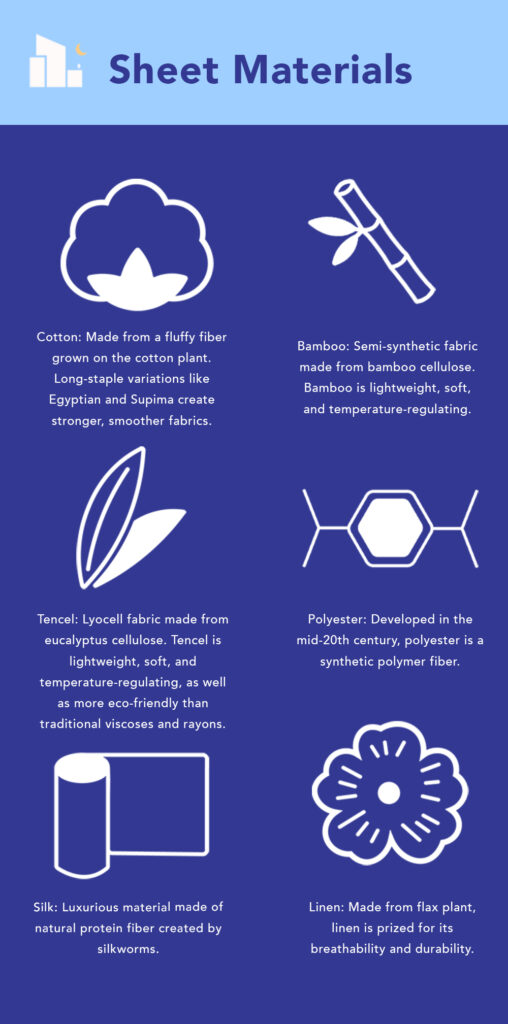
Cotton Varieties: From Budget-Friendly to Premium Investment
Cotton remains the most popular choice for sheets, offering a vast spectrum of options from the highly affordable to the luxuriously expensive.
- Standard Cotton (Upland Cotton): Often the most budget-friendly, these sheets are a good entry point. However, their shorter fibers can lead to quicker wear, pilling, and a rougher texture over time. While the upfront cost is low, their durability dividend is minimal, potentially leading to more frequent replacements.
- Percale Cotton: Known for its crisp, cool feel, percale offers a decent balance of comfort and durability at a mid-range price. It’s a solid value proposition for those who prioritize breathability and a matte finish, with a reasonable lifespan that provides good cost-per-year value.
- Sateen Cotton: With a smoother, silkier feel and a slight sheen, sateen sheets tend to be slightly warmer than percale. They are often priced similarly to percale or a bit higher. While luxurious, the weave can be more prone to snagging if not cared for properly, impacting its durability dividend compared to percale.
- Egyptian and Pima Cotton: These are the premium long-staple cotton varieties, celebrated for their exceptional softness, strength, and longevity. While the initial investment is significantly higher, these sheets can last for decades with proper care, making their cost-per-year remarkably low. For those with the upfront capital, Egyptian and Pima cotton represent a sound, long-term investment in unparalleled comfort and durability, effectively “buying down” future replacement costs.
Linen: The High-End Durability Play
Linen sheets, derived from the flax plant, command a higher price point than most cotton varieties. Their distinctive textured feel, breathability, and ability to soften beautifully with age make them a luxury item. Financially, linen is an excellent long-term investment. It is incredibly durable, often outlasting cotton by many years. While the initial outlay is substantial, the exceptional longevity of linen sheets translates into an outstanding cost-per-year value. They are resistant to pilling and naturally antimicrobial, making them a wise choice for those seeking both comfort and an enduring asset.
Silk: Luxury and Specialized Benefits at a Premium Price
Silk sheets are at the apex of luxury bedding, reflected in their premium price tag. Known for their incredible smoothness, natural hypoallergenic properties, and ability to regulate temperature, silk offers specialized benefits, particularly for skin and hair health. From a purely financial perspective, silk requires a significant initial investment and demands careful maintenance to preserve its delicate fibers. While durable in its own right, its delicate nature means it might not withstand aggressive washing as well as cotton or linen. The financial justification for silk often stems from its specialized health and aesthetic benefits rather than solely its cost-per-year durability for general use. For those who can afford the investment and appreciate these niche advantages, silk is a unique value proposition.
Emerging Synthetics and Blends: Balancing Cost and Performance
The market also offers various synthetic and blended fabrics, such as microfiber, bamboo viscose, and Tencel (lyocell).
- Microfiber: Generally the most affordable, microfiber sheets are soft but often lack breathability and can wear out relatively quickly, making their long-term financial value questionable due to frequent replacements.
- Bamboo Viscose/Lyocell (Tencel): These plant-based rayons offer a compelling middle ground. They are incredibly soft, breathable, and often more durable than standard cotton at a comparable or slightly higher price point. Their environmental benefits (sustainable sourcing) can also be seen as an investment in ethical consumption. Financially, they offer good value for money, balancing comfort, durability, and a reasonable price.
Making a Financially Savvy Choice: Factors to Consider
Beyond the raw material, several other factors influence the financial wisdom of your sheet purchase.
Thread Count: More Than Just a Number (Value Perception vs. Reality)
Thread count—the number of threads woven into one square inch of fabric—is often mistakenly equated directly with quality and price. While a higher thread count can indicate a finer weave and softer feel up to a point, excessively high numbers (e.g., 800-1000+) are often marketing ploys achieved by using multi-ply threads (multiple thin threads twisted together) rather than single-ply, finer threads. Multi-ply threads can make the fabric thicker and heavier, but not necessarily softer or more durable.
From a financial standpoint, overpaying for an exaggerated thread count is poor value. Focus instead on the quality of the fiber (e.g., long-staple cotton) and the weave. A 300-400 thread count in single-ply, long-staple cotton often outperforms and outlasts a 1000-thread count sheet made from lower-quality, multi-ply cotton, offering superior long-term value.
Weave and Finish: Impact on Longevity and Feel
The weave (e.g., percale, sateen, twill) significantly impacts a sheet’s feel, breathability, and durability. Percale weaves tend to be more durable and resistant to pilling due to their tight, plain weave, offering excellent long-term value. Sateen, while soft, can be more prone to snagging. Understanding the impact of weave on longevity helps you choose sheets that will hold up over time, maximizing your investment. Similarly, finishes like mercerization (for cotton) enhance strength, luster, and dye uptake, contributing to the sheet’s longevity and thus its financial value.
Certification and Ethical Sourcing: Investing in Values
For the financially conscious consumer, investing in sheets with certifications like GOTS (Global Organic Textile Standard), Oeko-Tex Standard 100, or Fair Trade can offer additional value. These certifications often indicate a commitment to higher quality materials, safer manufacturing processes (fewer harmful chemicals), and ethical labor practices. While such sheets might carry a slightly higher price tag, they represent an investment in:
- Health: Fewer chemical residues mean a healthier sleeping environment, potentially reducing future health-related costs.
- Durability: Organic and ethically produced textiles often adhere to stricter quality standards, leading to a more robust product that lasts longer.
- Values: Aligning purchases with personal values provides non-monetary satisfaction, a form of “psychic income.”
This translates into a holistic value proposition, where the financial investment extends beyond the product itself to broader ethical and health considerations.
Maintenance Costs and Energy Savings
The type of sheets you choose can also impact your utility bills and maintenance expenses. Some delicate fabrics, like silk, may require special detergents or professional dry cleaning, adding to their long-term cost. Others might be prone to wrinkling, necessitating ironing (and associated electricity costs) if a crisp look is desired.
Linen and percale cotton, for instance, are relatively low-maintenance and air dry quickly, potentially saving on dryer energy costs. Their durability means fewer replacements, further reducing the financial burden. When evaluating “best,” consider the total cost of ownership, including the time and money spent on upkeep.
Maximizing Your Sheet Investment: Care and Longevity
Even the highest quality sheets will degrade prematurely without proper care. Maximizing the lifespan of your sheet investment is a direct contributor to their financial value.
Proper Washing and Drying Techniques
Always follow the care instructions on the label. Generally:
- Wash in cold or lukewarm water: Hot water can degrade fibers and fade colors more quickly, especially for cotton and linen.
- Use a gentle cycle and mild detergent: Harsh chemicals and aggressive agitation can weaken threads and lead to pilling.
- Avoid excessive bleach: Bleach can severely damage natural fibers.
- Tumble dry on low heat or air dry: High heat is a primary culprit for fiber damage and shrinkage. Air drying also saves on energy costs.
- Remove promptly: This reduces wrinkles and prevents mildew.
These simple practices prolong the life of your sheets, deferring replacement costs and ensuring your initial investment continues to provide comfort and value for years.
Rotation and Storage
If you own multiple sets of sheets, rotating them regularly ensures even wear, extending the lifespan of each set. Storing sheets in a cool, dry place, perhaps in breathable fabric bags, protects them from dust, moisture, and pests when not in use. Proper storage prevents premature deterioration, preserving the integrity and value of your bedding collection.

Conclusion
The question “what type of sheets are the best?” is multifaceted, and the answer, from a financial perspective, is highly individualized. There’s no single “best” for everyone; rather, it’s about identifying the optimal balance between initial cost, long-term durability, maintenance requirements, and the financial dividends reaped from enhanced sleep quality and overall well-being.
For the budget-conscious, a durable percale cotton might offer the best cost-per-year value. For those making a significant investment in their sleep health and seeking ultimate longevity, high-quality Egyptian cotton or linen could be the superior choice. For specialized benefits, silk might justify its premium price.
Ultimately, investing in sheets is investing in your personal finance. By adopting an informed, long-term financial perspective, scrutinizing material quality over mere thread count, and committing to proper care, you can select sheets that not only provide unparalleled comfort but also represent a wise and enduring financial decision, contributing positively to your health, productivity, and wealth over time.
aViewFromTheCave is a participant in the Amazon Services LLC Associates Program, an affiliate advertising program designed to provide a means for sites to earn advertising fees by advertising and linking to Amazon.com. Amazon, the Amazon logo, AmazonSupply, and the AmazonSupply logo are trademarks of Amazon.com, Inc. or its affiliates. As an Amazon Associate we earn affiliate commissions from qualifying purchases.