
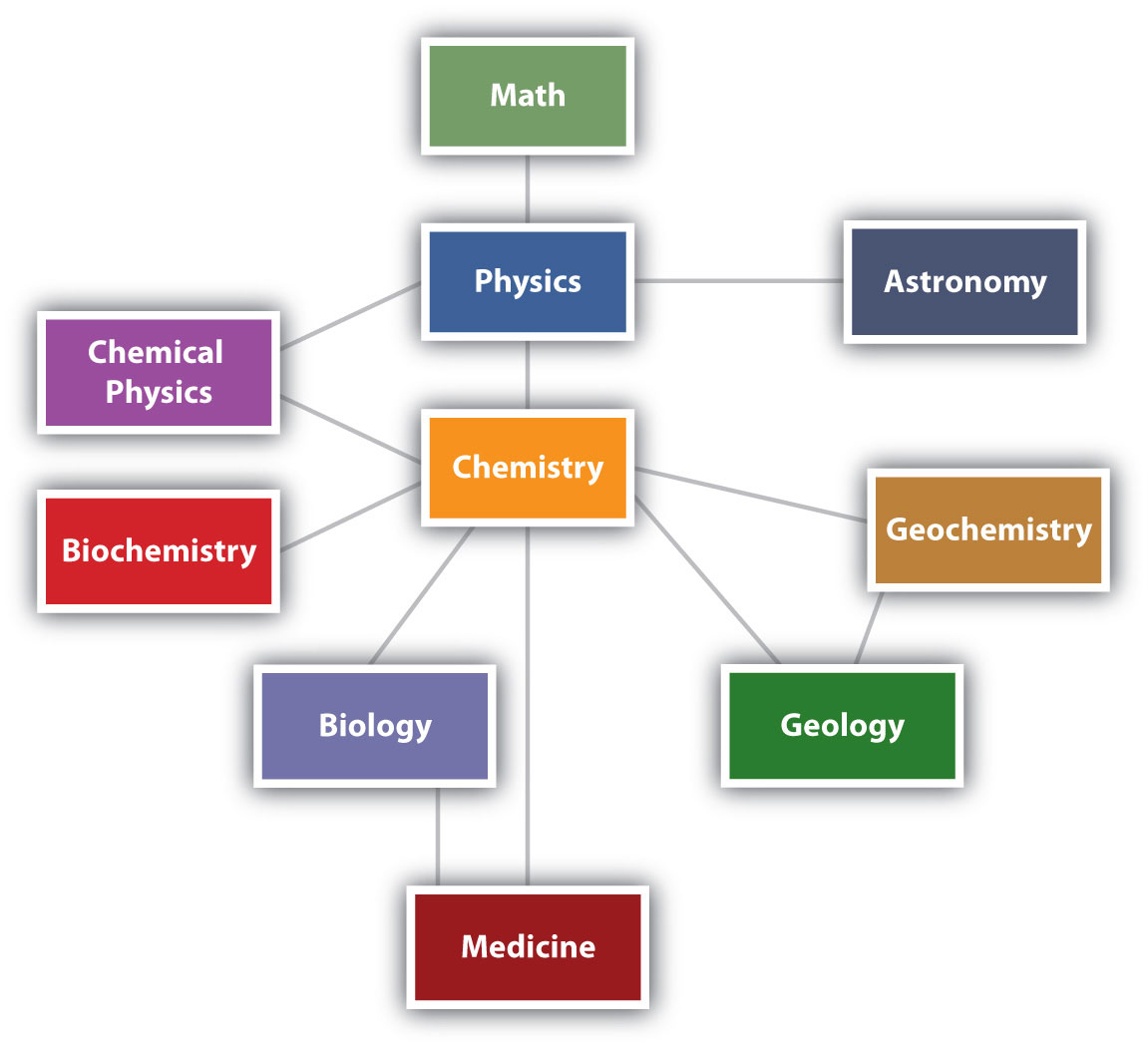
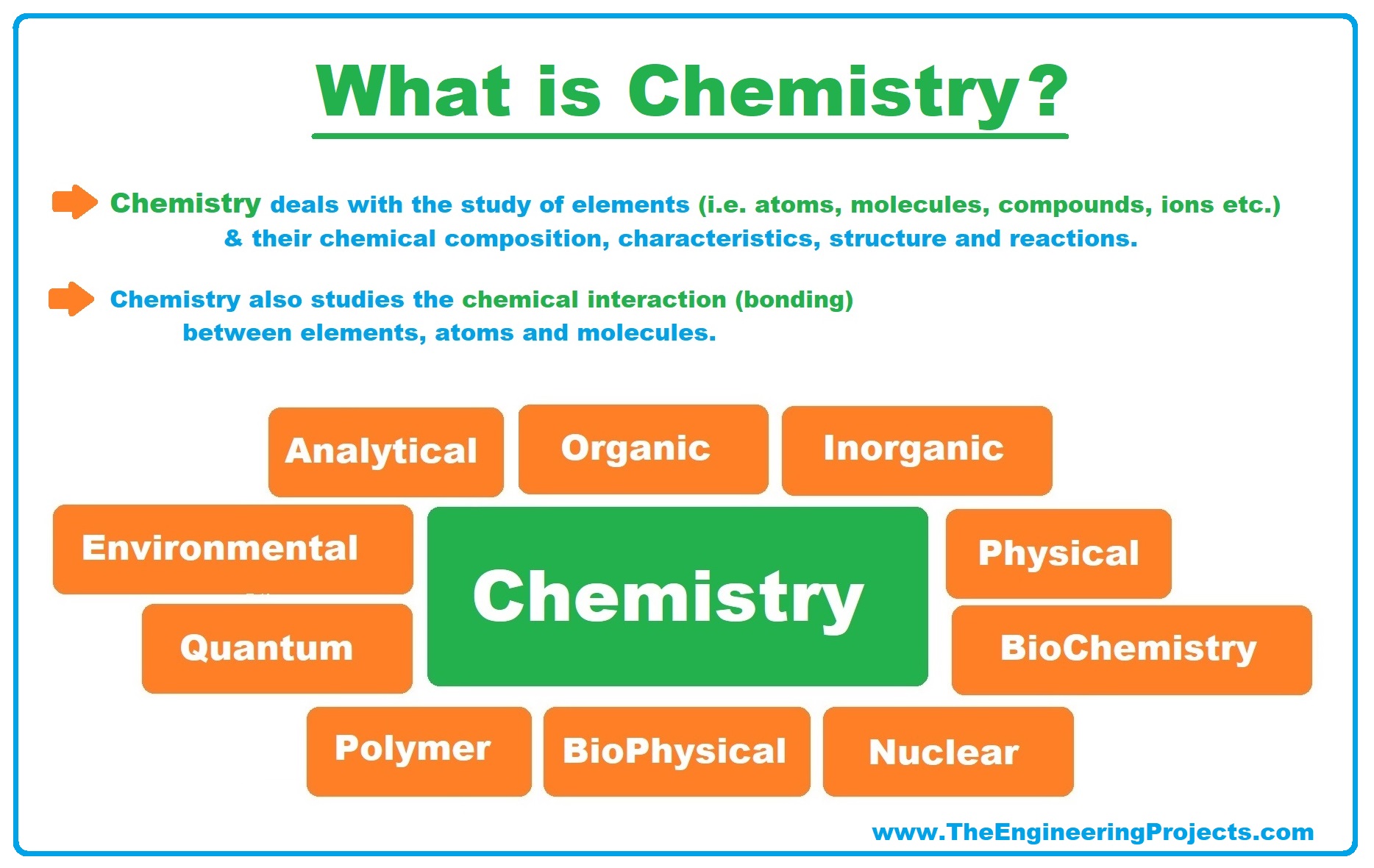
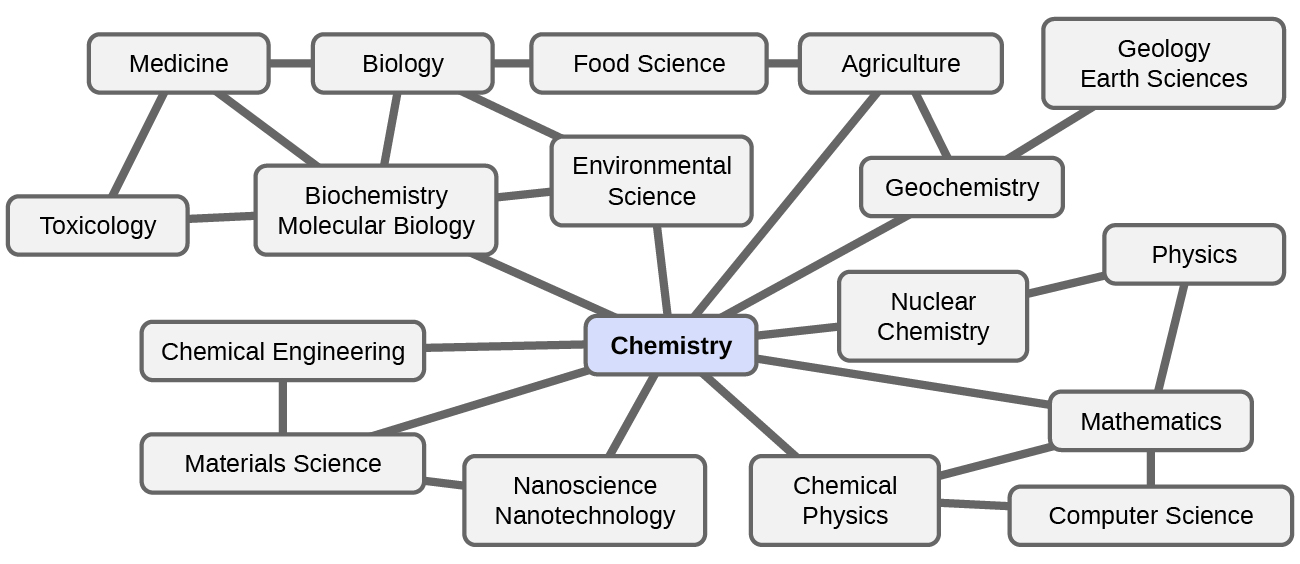
In the traditional sense, chemistry is often defined as the “central science,” a bridge that connects the physical laws of physics with the complex biological systems of life. However, in the 21st century, this definition has undergone a radical transformation. No longer confined to the glass beakers and Bunsen burners of the past, chemistry has evolved into a sophisticated technological discipline. Today, when we ask “what type of science is chemistry,” we must view it through the lens of digital transformation, computational power, and advanced materials engineering. Chemistry is now a data-driven, tech-integrated science that serves as the foundation for the hardware, software, and biotechnological breakthroughs of the modern era.
The Central Science in a Silicon World
Chemistry is fundamentally a physical science that investigates the properties, composition, and behavior of matter. Yet, its role in the tech sector has elevated it to a foundational pillar of hardware development. Every leap in processing power and every reduction in transistor size is, at its core, a victory for chemical engineering and materials science.
The Intersection of Hardware and Molecular Design
The tech industry’s obsession with Moore’s Law—the observation that the number of transistors on a microchip doubles roughly every two years—is essentially a challenge of chemistry. To pack billions of transistors into a sliver of silicon, engineers rely on extreme ultraviolet (EUV) lithography. This process uses chemical photoresists that react to specific wavelengths of light to “print” circuits at the atomic scale.
Without the precise manipulation of polymers and light-sensitive compounds, the smartphones and laptops we use today would be impossible. In this context, chemistry is the science of miniaturization. It is the study of how molecular structures can be manipulated to conduct electricity more efficiently, dissipate heat more effectively, and store more data in smaller physical spaces.
Material Science: The Backbone of the Tech Industry
Beyond the processor, chemistry defines the physical boundaries of our gadgets. The lithium-ion battery in your Tesla or your iPhone is a marvel of electrochemistry. The quest for “solid-state” batteries—which promise faster charging and greater safety—is currently the most high-stakes “tech” race in the world.
Similarly, the development of OLED (Organic Light Emitting Diode) screens is a triumph of organic chemistry. By designing specific carbon-based molecules that emit light when stimulated by electricity, chemists have allowed tech companies to create flexible, paper-thin displays. This shift from “physical” chemistry to “applied tech” chemistry demonstrates that the modern chemist is as much a hardware architect as they are a scientist.
Computational Chemistry: Software as the New Laboratory
If you walk into a modern chemical research facility, you are more likely to see a high-end workstation than a chemical rack. The emergence of computational chemistry has redefined the discipline as a branch of information technology. By utilizing complex algorithms to simulate molecular interactions, scientists can now predict the outcome of experiments before a single drop of liquid is touched.
Molecular Modeling and the End of Trial-and-Error
In the past, discovering a new catalyst or a more durable plastic involved years of “wet lab” trial and error. Today, software platforms like Schrödinger and BIOVIA allow researchers to perform “in silico” testing. These programs use the laws of quantum mechanics to calculate the energy states and bonding behaviors of molecules.
This transition to a software-first approach has turned chemistry into a predictive science. By running thousands of simulations simultaneously, tech-driven labs can narrow down millions of potential chemical combinations to the top ten most promising candidates. This acceleration is critical for developing new materials for carbon capture, hydrogen fuel storage, and renewable energy—all of which are essential components of the “Green Tech” movement.
High-Performance Computing (HPC) in Chemical Engineering
The “what” of chemistry is still matter, but the “how” is now high-performance computing (HPC). Large-scale chemical simulations require massive amounts of processing power, often utilizing thousands of CPU and GPU cores. This has created a symbiotic relationship between chemistry and the cloud computing industry.
Cloud providers like AWS and Azure now offer dedicated environments for computational chemistry, allowing startups to access the same “digital laboratories” as multinational corporations. This democratization of chemical research via tech platforms means that innovation is no longer limited by the physical size of a lab, but by the efficiency of the algorithms used to model molecular dynamics.
The AI Revolution: Predictive Chemistry and Autonomous Discovery
The most significant shift in the classification of chemistry is its integration with Artificial Intelligence (AI) and Machine Learning (ML). In this new paradigm, chemistry is increasingly viewed as a “data science.” The vast repositories of chemical data collected over the last century are now being used to train neural networks that can design entirely new substances.
Deep Learning for Drug Discovery
One of the most profound tech applications of chemistry is in the pharmaceutical sector, where AI is being used to fold proteins and design small molecules. DeepMind’s AlphaFold, for instance, solved a 50-year-old “grand challenge” in biology and chemistry by using AI to predict the 3D structure of proteins from their amino acid sequences.
This is chemistry as a “big data” problem. By treating molecular structures like a language or a code, AI can “write” new chemical formulas that are optimized to bind to specific disease-causing proteins. This tech-heavy approach reduces the time to develop new drugs from decades to months, proving that chemistry is the primary engine of the modern “BioTech” revolution.
Robotics and the “Self-Driving” Lab
We are also witnessing the rise of the autonomous laboratory. These facilities use robotic arms, automated liquid handlers, and AI “brains” to conduct experiments 24/7 without human intervention. In these “self-driving” labs, the AI designs an experiment, the robots execute it, and the sensors feed the results back into the AI to refine the next round of testing.
This represents the ultimate fusion of chemistry and technology. The scientist becomes a programmer of systems rather than a mixer of chemicals. This automation ensures a level of precision and reproducibility that was previously unattainable, moving chemistry into the realm of high-tech manufacturing and automated systems engineering.
Quantum Chemistry: The Next Frontier of Digital Processing
To truly understand what type of science chemistry is becoming, one must look toward the horizon of quantum computing. Classical computers, no matter how powerful, struggle to perfectly simulate even simple molecules because the interactions of electrons are governed by quantum mechanics.
Simulating Nature with Quantum Bits
Quantum computers are uniquely suited to chemistry because they operate on the same principles as the atoms they are trying to simulate. While a classical bit is either a 0 or a 1, a quantum bit (qubit) can exist in multiple states at once. This allows quantum computers to model the complex, overlapping electron clouds within a molecule with 100% accuracy.
Tech giants like IBM, Google, and Honeywell are currently partnering with chemical companies to develop “Quantum Chemistry” algorithms. The goal is to unlock the secrets of nitrogen fixation (to revolutionize fertilizer production) or to find a perfect superconductor. When this happens, chemistry will not just be supported by tech; it will be the primary application that justifies the existence of quantum computing.
Future-Proofing Sustainable Tech Through Molecular Insight
As the world pivots toward sustainability, chemistry provides the technological solutions for a circular economy. This includes the development of “chemically recyclable” plastics that can be broken down into their original monomers and reused indefinitely, rather than being downgraded.
Furthermore, chemistry is driving the “Carbon Tech” sector, where captured CO2 is chemically converted into synthetic fuels or building materials. This is not just environmental science; it is a sophisticated industrial technology that requires a deep understanding of catalytic surfaces and high-pressure chemical reactions. By treating CO2 as a feedstock rather than a waste product, chemistry is providing the tech-enabled tools to re-engineer the global economy.
Conclusion: Chemistry as a Digital Discipline
In conclusion, when we ask “what type of science is chemistry,” the answer is no longer limited to the study of elements and compounds in a vacuum. Chemistry is a multi-faceted technological science that operates at the intersection of hardware engineering, software development, and artificial intelligence.
It is the science of the “small” that enables the “big” breakthroughs in our digital world. From the chips that power our AI to the batteries that drive our electric future, chemistry provides the material foundation for every tech trend we see today. As we move deeper into the age of quantum simulations and autonomous laboratories, the line between “chemist” and “tech innovator” will continue to blur, cementing chemistry’s role as the vital, digital heart of modern innovation.
aViewFromTheCave is a participant in the Amazon Services LLC Associates Program, an affiliate advertising program designed to provide a means for sites to earn advertising fees by advertising and linking to Amazon.com. Amazon, the Amazon logo, AmazonSupply, and the AmazonSupply logo are trademarks of Amazon.com, Inc. or its affiliates. As an Amazon Associate we earn affiliate commissions from qualifying purchases.