
In the modern era of athletics, the question “What type of running shoe do I need?” has evolved far beyond a simple choice between aesthetics and price points. We are currently witnessing a technological renaissance in footwear engineering, where the intersection of material science, data analytics, and biomechanical software has transformed the humble sneaker into a sophisticated piece of wearable technology. Choosing a running shoe today is less about fashion and more about selecting a “tech stack” for your feet.
To make an informed decision, runners must understand the underlying technologies that power current industry leaders. From carbon-fiber propulsion systems to AI-driven gait analysis, the right shoe is determined by how well its digital and mechanical features align with your unique physiological data.
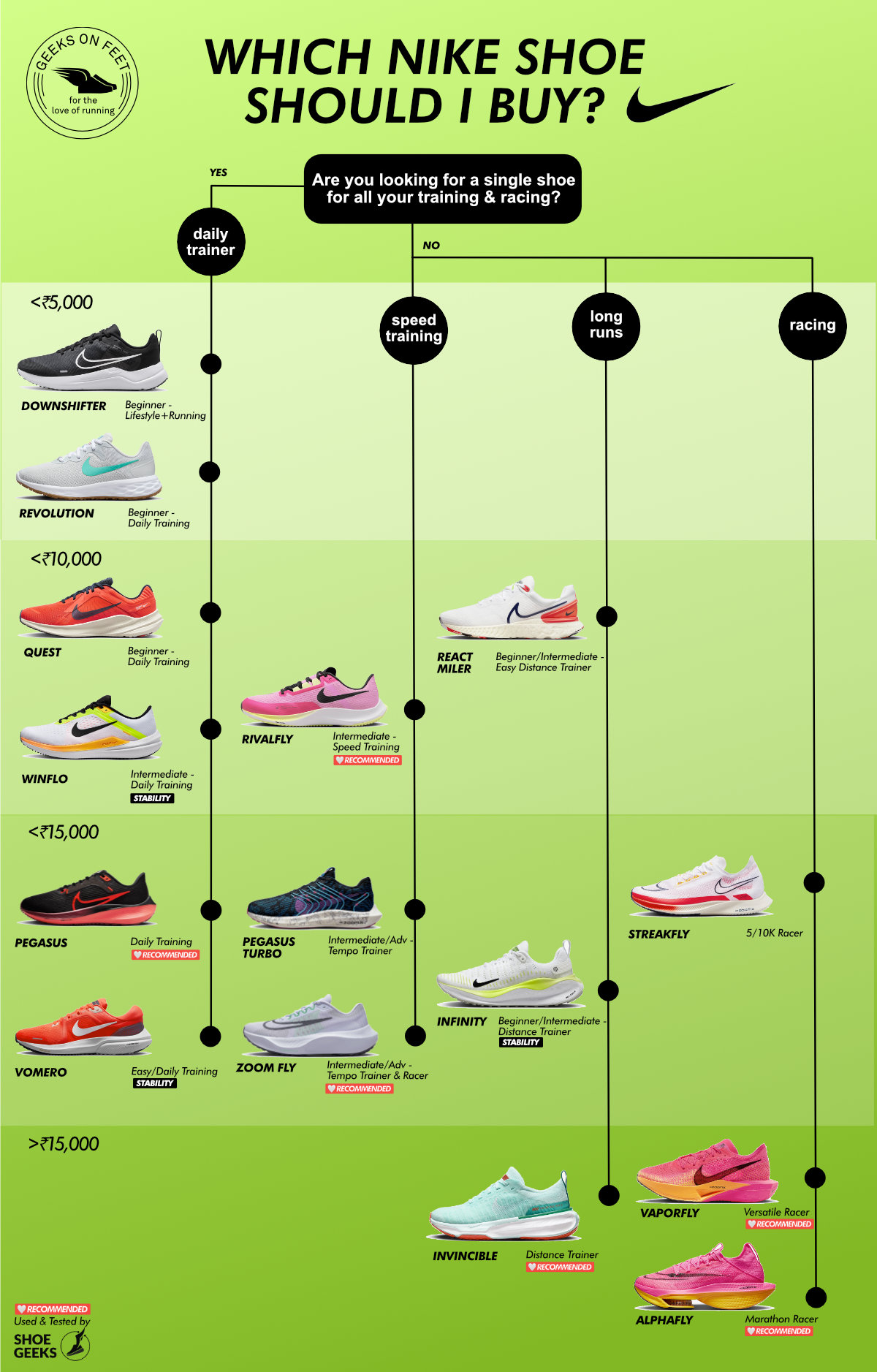
1. The Engineering of Energy: Material Science and Propulsion Systems
The most significant shift in running shoe technology over the last decade has been the move toward high-performance energy return. When asking what shoe you need, the first technical consideration is the midsole composition and the mechanical inserts housed within it.
The Rise of Super-Foams and Responsive Polymers
Traditional EVA (Ethylene Vinyl Acetate) foam is rapidly being replaced by advanced polymers such as PEBA (Polyether Block Amide). These “super-foams” are engineered at a molecular level to be lighter and significantly more resilient. From a technical standpoint, the “energy return” of a shoe refers to how much kinetic energy is retained after the foam is compressed. High-tech foams now boast energy return rates of over 80%, reducing the metabolic cost of running. If your goal is performance and recovery, you need a shoe that utilizes these chemically engineered midsoles to mitigate muscle fatigue.
Carbon Fiber Plate Integration
Perhaps the most disruptive tech in footwear is the carbon fiber plate. Originally popularized by elite marathoners, this technology is now accessible to the masses. The plate acts as a lever, stabilizing the ultra-soft foams and providing a “snap” that propels the runner forward. However, this technology isn’t for everyone. Digital modeling shows that for slower-paced runners, the rigidity of a carbon plate can actually lead to increased strain on the calves and Achilles. Determining if you need a “plated” shoe requires an analysis of your typical velocity and strike patterns.
Geometry and Rocker Tech
Computational fluid dynamics and motion-capture software have allowed designers to create “rocker” geometries. These are curved sole shapes designed to transition the foot from heel-strike to toe-off with minimal energy loss. For runners with limited ankle mobility, a shoe with a high-tech rocker profile can mechanically compensate for physiological limitations, using physics to maintain forward momentum.
2. Digital Diagnostic Tools: Using Data to Determine Fit
The days of the “wet foot test” on a piece of cardboard are over. Today, determining what running shoe you need involves high-resolution data capture and algorithmic processing.
3.D. Foot Scanning and Volumetric Analysis
Modern retail environments and specialized clinics now utilize 3D scanning hardware, such as Volumental or FitStation. These devices capture thousands of data points, measuring not just length and width, but arch height, instep volume, and heel width. This data is then compared against a global database of shoe volumes using machine learning. When you ask what shoe you need, the answer is now frequently generated by an algorithm that matches your 3D foot model to the internal dimensions of thousands of different models.
Computer Vision and Gait Analysis Apps
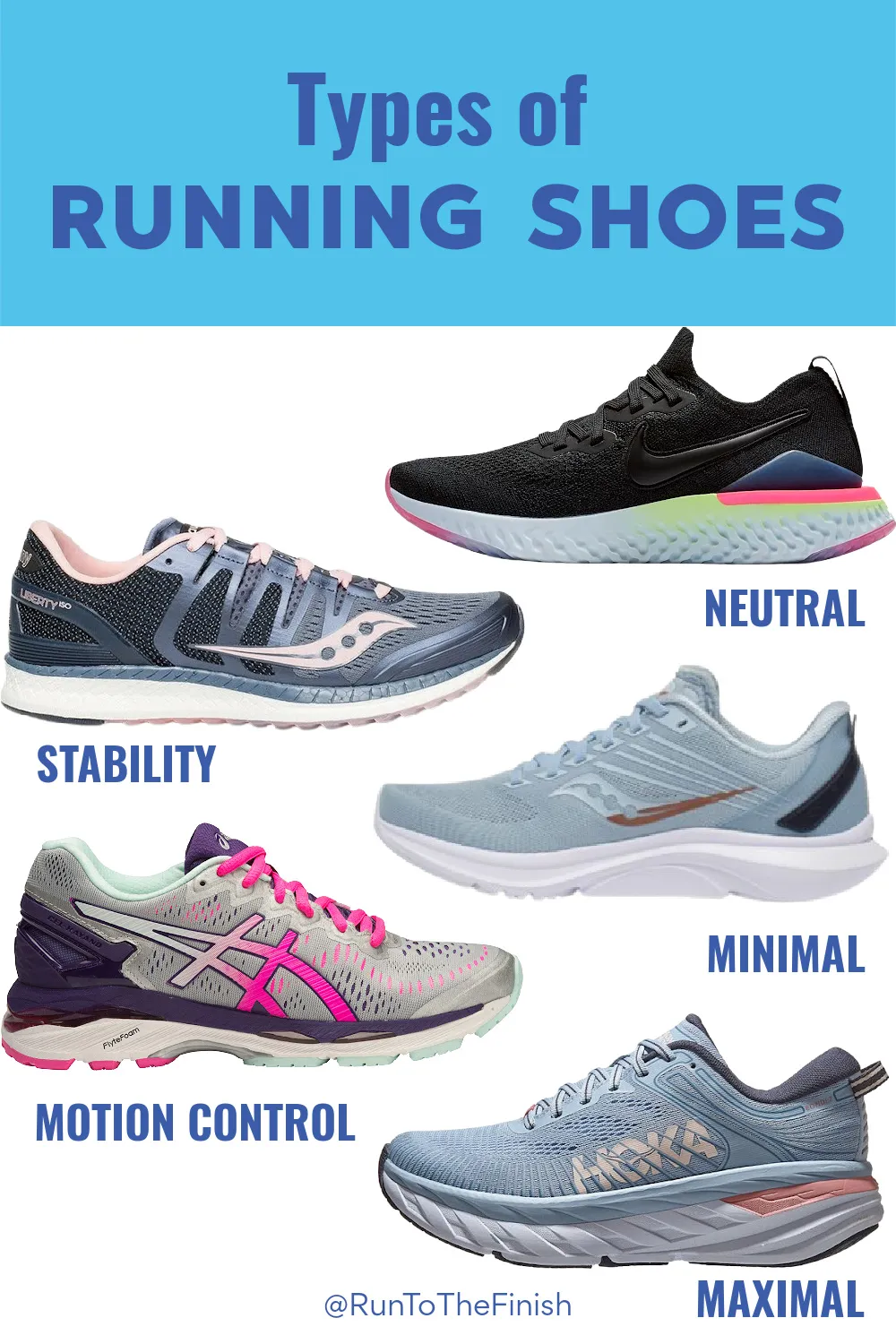
Software has democratized gait analysis. Using high-speed cameras and computer vision algorithms, apps can now track the “pose estimation” of a runner in real-time. By identifying the angle of pronation (the inward roll of the foot) and the degree of knee flexion, software can categorize a runner into “neutral,” “stability,” or “motion control” brackets. If the data shows excessive medial collapse, the “tech” you need is a shoe with a multi-density midsole or “guide rails”—engineered structures that use force-redirection to keep the foot in a neutral plane.
Pressure Mapping and Force Plates
For high-performance athletes, the decision is often driven by digital pressure mapping. By running across a force plate embedded with sensors, a runner can see a heat map of where they exert the most pressure. This tech-driven insight allows for the selection of shoes with specific “zonal cushioning.” If your data indicates a heavy forefoot strike, you need a shoe with high-tech dampening concentrated in the anterior section of the midsole.
3. The Internet of Shoes: IoT and Integrated Sensors
We are entering the age of the “Smart Shoe,” where the footwear itself acts as an IoT (Internet of Things) device, providing a feedback loop that helps you refine your needs over time.
Embedded Biometric Sensors
Several manufacturers have experimented with embedding Bluetooth-enabled microchips directly into the midsole. These sensors track metrics that a standard GPS watch cannot, such as “ground contact time,” “foot strike angle,” and “leg spring stiffness.” By reviewing this data on a synchronized app, a runner can identify if their current shoe is failing to provide enough support as they tire. If your “ground contact time” increases significantly toward the end of a run, the data suggests you may need a shoe with more structural integrity or a higher “drop” (the height difference between the heel and the toe).
Software-Driven Mileage Tracking
One of the most common tech-related questions is when a shoe needs to be replaced. Advanced running apps now use algorithms to predict shoe “death.” By correlating your weight, running surface (detected via GPS and accelerometer data), and the specific compression rate of the foam in your model, the software can provide a more accurate retirement date for the shoe than a simple mileage count. This prevents the biomechanical injuries that occur when the shoe’s “tech” has functionally degraded.
Real-Time Coaching Feedback
The intersection of footwear and AI has led to real-time coaching. Some smart shoes provide audio cues via headphones, telling the runner to increase their cadence or adjust their landing based on the live data streaming from their feet. In this context, the “shoe you need” is one that integrates seamlessly with your existing digital ecosystem (Garmin, Apple Health, Strava) to provide a holistic view of your athletic health.
4. The Future of Customization: 3D Printing and Generative Design
As we look toward the future, the answer to “What shoe do I need?” will increasingly be: “One that was printed specifically for you.”
Lattice Structures and Additive Manufacturing
Traditional foam is limited by its uniform density. However, 3D printing (additive manufacturing) allows for the creation of complex lattice structures. Companies like Adidas, with their 4D technology, use Digital Light Synthesis to create midsoles where the density varies millimeter by millimeter. This allows for a shoe that is soft in the heel for impact protection but incredibly stiff in the forefoot for propulsion. If you have unique biomechanical needs, 3D-printed lattices offer a level of “tunable” performance that traditional manufacturing cannot match.
Generative Design Algorithms
Designers are now using generative design—a process where an AI is given a set of constraints (runner’s weight, gait style, terrain) and iterates thousands of potential shoe shapes to find the most efficient one. This leads to organic, sometimes strange-looking shoe designs that are mathematically optimized for performance. When choosing a shoe, looking for those that utilize generative design ensures you are benefiting from the most advanced structural engineering currently available.
Sustainability through Tech
The tech niche also addresses the environmental impact of footwear. New chemical recycling processes and bio-engineered materials (like lab-grown spider silk or mushroom-based leathers) are being integrated into high-performance shoes. Choosing a shoe that utilizes these “bio-tech” materials is becoming a priority for the digitally-native, environmentally-conscious runner.
Conclusion: Selecting Your Personal Tech Stack
When you ask, “What type of running shoe do I need?” you are no longer just looking for a piece of clothing. You are looking for a complex assembly of material science, digital diagnostics, and IoT integration.
To find the right fit in this tech-driven landscape:
- Analyze your data: Use 3D scanning and gait analysis software to understand your biomechanical blueprint.
- Match the foam to the mission: Choose PEBA-based super-foams for performance and recovery, or firmer EVA blends for durability and stability.
- Consider the mechanical assists: Determine if your pace and strike pattern warrant the inclusion of carbon fiber plates or rocker geometries.
- Monitor the lifecycle: Use software tracking to ensure your shoe’s technological benefits haven’t expired.
In the end, the best running shoe is the one whose technical specifications solve the specific challenges presented by your unique data profile. By approaching the purchase as a technology acquisition, you ensure that every mile is backed by the best engineering the industry has to offer.
aViewFromTheCave is a participant in the Amazon Services LLC Associates Program, an affiliate advertising program designed to provide a means for sites to earn advertising fees by advertising and linking to Amazon.com. Amazon, the Amazon logo, AmazonSupply, and the AmazonSupply logo are trademarks of Amazon.com, Inc. or its affiliates. As an Amazon Associate we earn affiliate commissions from qualifying purchases.