
In the landscape of seasonal consumer behavior, few traditions are as fiscally significant—or as polarizing—as the preparation of eggnog. While often viewed through a purely culinary lens, the decision of which liquor to incorporate into this festive emulsion is, at its core, a complex exercise in cost-benefit analysis, market positioning, and resource allocation. As the fourth quarter (Q4) approaches, the spirits industry experiences a predictable yet profound surge in demand, driven largely by the “holiday tax”—the social and financial pressure to provide premium hospitality.
To determine what type of liquor goes in eggnog from a financial and business perspective, one must look beyond flavor profiles and examine the return on investment (ROI) of various spirits, the price elasticity of holiday staples, and the strategic sourcing of ingredients for both personal and commercial scale.

The Seasonal Surge: Market Dynamics of the Spirits Industry in Q4
The choice of liquor for eggnog is not made in a vacuum; it is dictated by the macro-economics of the global spirits market. Q4 represents the most significant period for revenue generation in the alcohol sector, often accounting for upwards of 40% of annual sales for premium brands.
Demand Elasticity and the Holiday Premium
During the winter months, consumer demand for “brown spirits”—specifically brandy, bourbon, and dark rum—shifts from elastic to relatively inelastic. Consumers are often willing to pay a “holiday premium,” a price markup that reflects the perceived social value of tradition over the raw cost of production. For the savvy financial planner or the business-minded host, understanding this surge is critical. Selecting a liquor for eggnog involves identifying the “sweet spot” where brand prestige meets price efficiency.
Commodity vs. Luxury: The Price Point of Traditional Spirits
When analyzing the market, we see a clear divide between “commodity spirits” (well-brands used for high-volume mixing) and “luxury assets” (small-batch or aged bottles). Eggnog, due to its heavy base of cream, sugar, and eggs, acts as a powerful “flavor dampener.” From a financial standpoint, using a $100 bottle of ultra-premium Scotch in a mixture that masks 90% of its nuanced notes is a poor allocation of capital. The goal is to select a spirit that maintains its character without over-extending the budget.
Cost-Benefit Analysis: Rum, Brandy, and Bourbon ROI
When determining “what type of liquor goes in eggnog,” three primary asset classes emerge: Brandy, Rum, and Bourbon. Each offers a different financial profile and consumer utility.
The Brandy Benchmark: Investing in Tradition
Brandy, and specifically Cognac, is the historical standard for eggnog. From an investment perspective, brandy offers a high “perceived value.” Because it is distilled from grapes, it carries a sophisticated brand identity that can elevate a gathering’s status. However, Cognac often carries a higher price-per-ounce than its counterparts. For those looking to maximize ROI, a high-quality domestic brandy or a VS (Very Special) Cognac provides the necessary “bite” to cut through the dairy without the diminishing returns of a VSOP or XO bottle.
Bourbon as a Growth Asset: Modern Market Trends
Bourbon has seen a meteoric rise in market value over the last decade. Its flavor profile—heavy on vanilla and oak—complements the spices in eggnog perfectly. In terms of “Utility per Dollar,” bourbon is often the winner for the American consumer. Because bourbon must be aged in new charred oak barrels, even mid-shelf options (priced between $25 and $40) provide a robust flavor profile that survives the dilution of the eggnog base. This makes bourbon a “safe-haven asset” for holiday entertaining: it is universally recognized, socially acceptable, and price-stable.
Rum: The Low-Cost Entry Point with High Flavor Yield
Dark or spiced rum represents the “value play” in the eggnog market. For large-scale events or high-volume production, rum offers the most aggressive price point. Aged rums provide deep molasses and caramel notes that mimic the complexity of more expensive spirits at a fraction of the cost. When calculating the “cost-per-serving” for a corporate holiday party, rum is frequently the preferred choice of procurement departments due to its high efficiency and broad palate appeal.

Strategic Sourcing: Budgeting for Large-Scale Hospitality
Whether managing a household budget or a restaurant’s seasonal beverage program, the procurement of liquor for eggnog requires a strategic approach to sourcing and overhead management.
Bulk Purchasing and Wholesale Advantages
The most significant margin in the spirits world is found in volume. For those preparing eggnog for large groups, purchasing “handles” (1.75L bottles) rather than standard fifths (750ml) can result in a 15–25% reduction in unit cost. In professional environments, the “well-to-call” ratio is strictly monitored. Using a “well” rum for the base of the eggnog while “topping” the drink with a “call” brandy for aroma is a classic example of tiered resource allocation—delivering a premium experience while maintaining a low COGS (Cost of Goods Sold).
Minimizing Overhead in Seasonal Beverage Production
Eggnog is a resource-heavy product. Beyond the liquor, the “carry cost” of fresh dairy and eggs—commodities prone to price volatility—must be factored into the total financial outlay. To hedge against these costs, many businesses utilize “split-basing.” By mixing a lower-cost brandy with a mid-tier bourbon, you create a complex flavor profile that suggests a much higher price point than the sum of its parts. This is the liquid equivalent of a “diversified portfolio,” spreading the risk of a single flavor profile failing to meet guest expectations.
The Investment Value of Aged Spirits in Holiday Mixology
As the trend of “premiumization” continues to dominate the beverage industry, the line between a simple cocktail and a “liquid asset” continues to blur.
Appreciation of Value in High-End Spirits
For the affluent consumer, the choice of liquor for eggnog may be a matter of showcasing a “collection.” There is a niche market for “Vintage Eggnog”—mixtures made with aged spirits and allowed to cure in cold storage for weeks or even months. From a financial perspective, this is a “long-term hold” strategy. The aging process allows the alcohol to act as a preservative while the flavors undergo esterification. The result is a product that has appreciated in sensory value, much like a matured bond or a well-timed stock option.
“Liquid Assets” and the Gift Economy
During the holidays, eggnog is frequently used as a vehicle for the “gift economy.” A bottle of high-quality liquor intended for eggnog often serves as a form of social currency. When selecting a brand, one must consider the “Signaling Value.” Gifting a bottle of a recognizable, high-equity brand like Maker’s Mark or Remy Martin carries a weight of social capital that transcends the liquid’s actual cost. In this context, the liquor is not just an ingredient; it is a strategic investment in professional or personal relationships.
Conclusion: Executing a Sound Fiscal Strategy for the Holidays
Ultimately, answering “what type of liquor goes in eggnog” is an exercise in balancing the books. The “best” liquor is the one that aligns with your specific financial goals for the season.
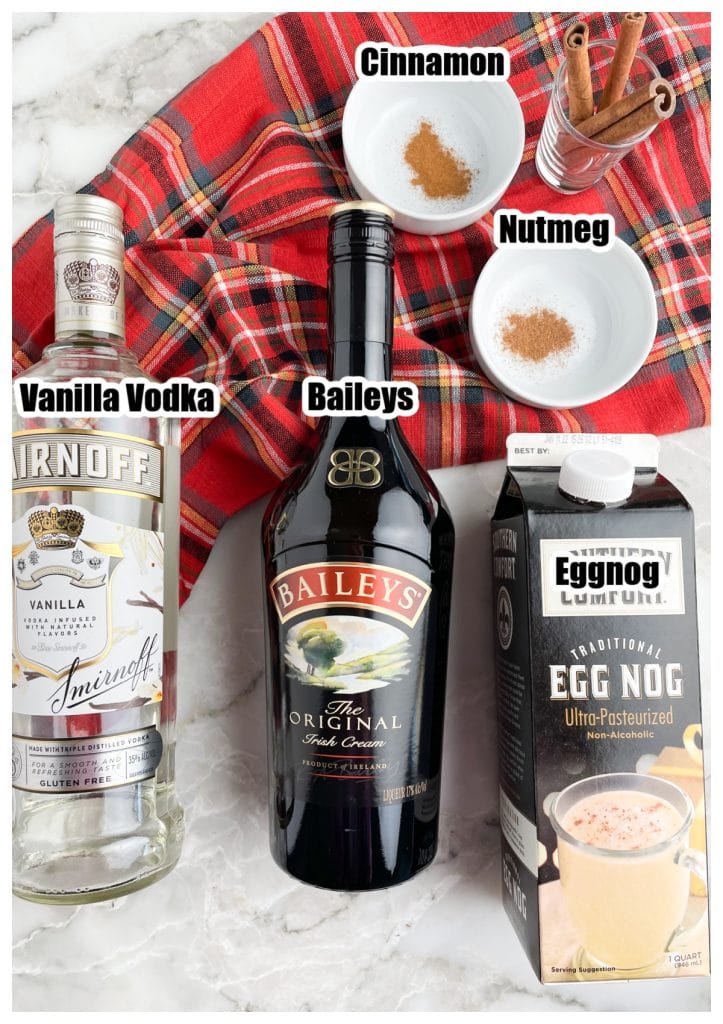
If the objective is Maximum Value, a dark Caribbean rum offers the highest flavor-to-cost ratio. If the objective is Market Consistency, a mid-shelf Kentucky bourbon provides a reliable, high-utility experience that appeals to the broadest demographic. If the objective is Brand Prestige and Heritage, a French brandy or Cognac serves as the gold standard of hospitality, signaling a high level of capital and tradition.
By applying the principles of cost-benefit analysis, market trend observation, and strategic sourcing, the choice of spirit becomes less about guesswork and more about sound financial management. In the business of the holidays, the most successful eggnog is the one that delivers a premium experience without compromising the bottom line. As you navigate the liquor aisles this Q4, remember that every bottle is a line item, and every pour is an allocation of your holiday wealth. Choose wisely, and your seasonal ROI will be as rich as the drink itself.
aViewFromTheCave is a participant in the Amazon Services LLC Associates Program, an affiliate advertising program designed to provide a means for sites to earn advertising fees by advertising and linking to Amazon.com. Amazon, the Amazon logo, AmazonSupply, and the AmazonSupply logo are trademarks of Amazon.com, Inc. or its affiliates. As an Amazon Associate we earn affiliate commissions from qualifying purchases.