
When we ask, “What type of government is ancient China?” we typically receive answers rooted in political science or history: an absolute monarchy, a centralized bureaucracy, or a dynastic autocracy. However, from the perspective of modern business and finance, ancient China is best understood as a sophisticated, centralized financial entity. It was an empire built on meticulous fiscal policy, state-led monopolies, and revolutionary monetary innovations that predate Western financial tools by centuries.
To understand the governance of ancient China is to understand a system designed for the management of massive wealth, the stabilization of markets, and the pursuit of long-term economic sustainability. By examining the fiscal mechanisms of the various dynasties, we can gain professional insights into how one of history’s most enduring “corporate” entities managed its assets, liabilities, and revenue streams.
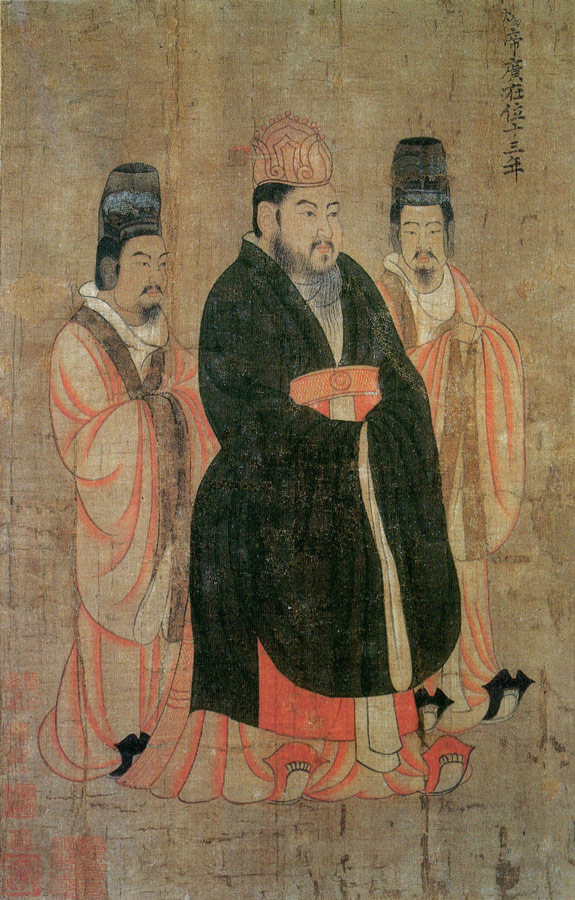
The Monopolistic State: Ancient China as a Centralized Financial Entity
At its core, the government of ancient China functioned as a state-owned enterprise (SOE) on a continental scale. While Western feudalism often relied on fragmented local economies, the Chinese imperial model—particularly following the Qin and Han Dynasties—favored a centralized fiscal command. This was not merely about political control; it was about the optimization of revenue.
The Salt and Iron Debates: State-Owned Enterprise Beginnings
One of the most significant moments in financial history occurred during the Han Dynasty: the “Discourse on Salt and Iron.” The government faced a fiscal crisis due to constant military expenditures. Their solution was to nationalize the most profitable industries—salt and iron. By treating these essential commodities as state monopolies, the government ensured a steady stream of “online income” for the treasury without relying solely on direct land taxes. This move transformed the government into a market participant, a precursor to modern state-led capitalism.
Controlling the Supply Chain: Governance through Commodity Regulation
The government didn’t just tax goods; it managed the supply chain. Through the “Level Standard” (Pingzhun) system, the state would buy commodities when prices were low and sell them when prices were high. This served two financial purposes: it stabilized the market for the peasantry (the primary labor force) and generated a profit for the government. In modern terms, this was a massive government-run hedge fund designed to mitigate market volatility.
Monetary Policy and the Evolution of Currency
To manage an empire of millions, the ancient Chinese government had to solve the problem of liquidity. The evolution of Chinese currency reflects a deep understanding of monetary policy, inflation, and the need for standardized financial tools.
From Shells to Bronze: Standardizing the Medium of Exchange
Before the unification by the Qin Dynasty, China was a patchwork of competing currencies. The Qin government’s first major act was a massive “financial merger,” abolishing regional currencies in favor of the circular “Ban Liang” coin with a square hole. This standardization reduced transaction costs across the empire, facilitating trade and making tax collection more efficient. It was the ancient equivalent of adopting a single currency like the Euro to streamline a vast economic zone.
The World’s First Paper Money: Jiaozi and the Innovation of Credit
By the Song Dynasty, the economy had grown so large that carrying heavy strings of bronze coins became a logistical nightmare for merchants. In response, the government and private merchant guilds developed “Jiaozi”—the world’s first paper currency. This was a revolutionary shift from commodity money to representative money. The government eventually took over the issuance of these notes, creating the first central bank-style oversight. They understood that money was not just metal, but a social contract of value—a lesson that remains the foundation of modern fiat currency and digital banking.
The Revenue Model: Taxation, Labor, and the Land System
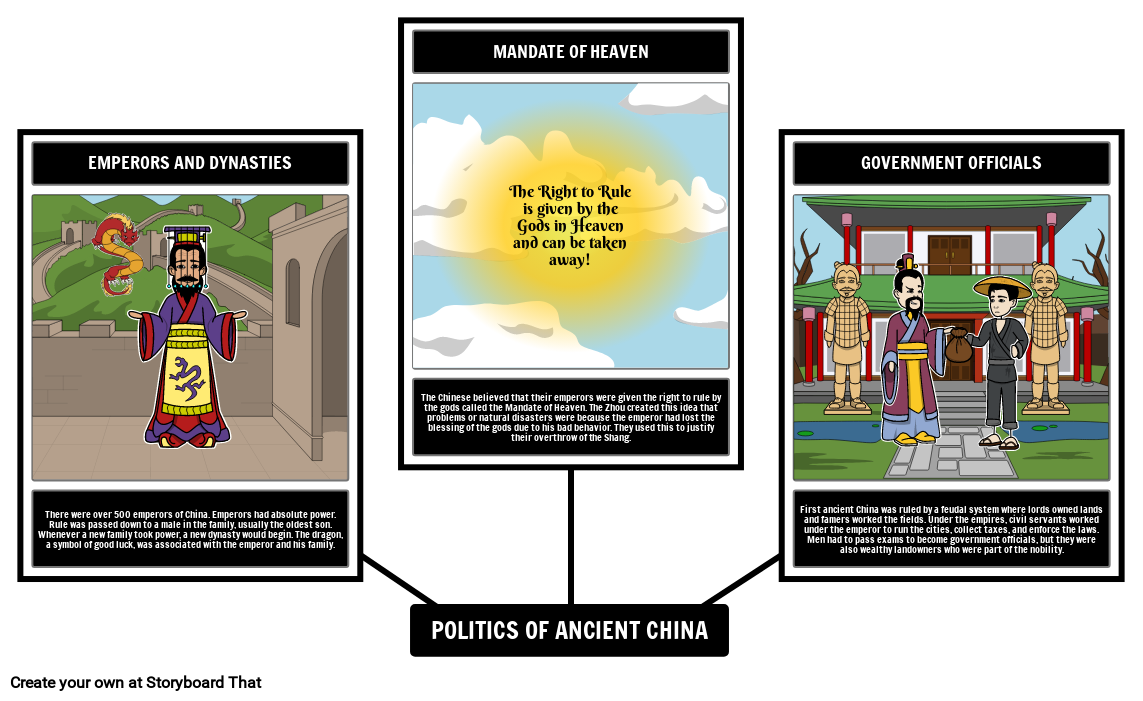
Any successful business finance model requires a steady revenue stream. The ancient Chinese government derived its “operating budget” through a complex system of land management and labor requirements that treated the population as both the primary asset and the dividend-paying shareholders.
The Equal-Field System: Managing the Empire’s Primary Asset
The Tang Dynasty utilized the “Equal-Field System” (Jun-tian), where the state technically owned all land and redistributed it to households based on their capacity to farm it. In exchange, the household paid taxes in grain, cloth, and labor. This was a brilliant move in asset management; it prevented the accumulation of massive private landholdings that could challenge the state’s “market share” while ensuring that the “production floor” (the farmers) remained active and solvent.
Corvee Labor as a Dividends Tax
Taxation wasn’t always paid in cash or kind. The “Corvee” system required citizens to provide labor for state projects like the Great Wall or the Grand Canal. From a business finance perspective, this was a way for the state to fund massive infrastructure projects without depleting its cash reserves. By leveraging human capital as a liquid asset, the government built the logistical networks necessary for long-term economic growth, effectively reinvesting its “tax dividends” back into the empire’s infrastructure.
International Trade and the Silk Road “Side Hustle”
While the internal economy was the primary focus, the ancient Chinese government was a master of international trade strategy. The Silk Road was not just a path for merchants; it was a state-sanctioned export strategy designed to bring foreign wealth into the imperial coffers.
State-Sponsored Export Strategies
The production of silk and porcelain was often closely monitored or directly managed by the state. These were the “luxury brands” of the ancient world. By maintaining strict quality control and keeping the secrets of production (such as sericulture) confidential, the government ensured that China remained a “net exporter.” This created a favorable balance of trade, bringing in vast amounts of silver and foreign goods, much like a modern corporation protecting its intellectual property to maintain a competitive edge in the global market.
Managing Foreign Exchange and Trade Deficits
The government was acutely aware of the “brain drain” and “capital flight” risks associated with trade. They often restricted the export of certain metals and regulated the flow of currency at border outposts. This early form of capital control allowed the government to maintain the value of its internal currency while still benefiting from the high-margin profits of the international “side hustle” that was the Silk Road.
Lessons for Modern Business Finance and Wealth Management
The “type” of government ancient China employed—a centralized, fiscally-driven meritocracy—offers several enduring lessons for today’s financial professionals, investors, and business leaders.
Diversification and the Risks of Hyperinflation
The later dynasties, particularly the Yuan and Ming, provides a cautionary tale for modern monetary policy. They eventually over-printed paper money to fund military expansions, leading to hyperinflation and the eventual collapse of the paper currency system. For the modern investor, this historical case study reinforces the importance of asset diversification and the dangers of unbacked currency expansion. The government’s failure to maintain a “reserve” for their notes is a classic lesson in the necessity of sound balance sheet management.
The Sustainability of Centralized Economic Governance
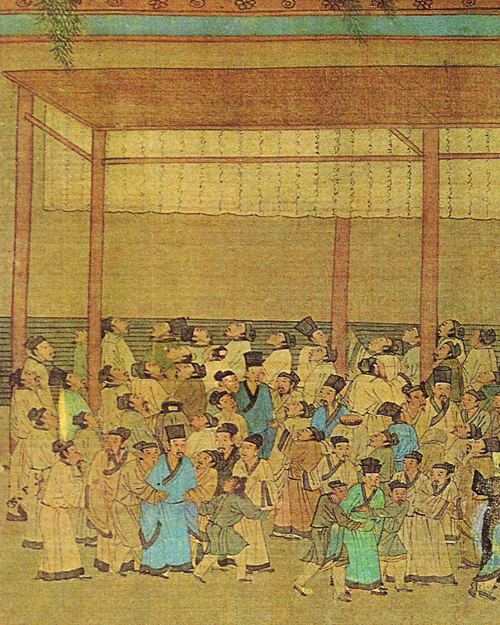
The endurance of the Chinese imperial model for over two millennia suggests that centralized economic planning, when balanced with market incentives, can create incredible stability. Ancient China’s government succeeded because it viewed itself as a steward of the national economy, investing in infrastructure (the Grand Canal) to lower the costs of doing business and standardizing systems (weights, measures, and currency) to encourage trade.
In conclusion, “what type of government is ancient China” is best answered by looking at its ledger. It was a sophisticated financial machine—a “Fiscal State” that pioneered many of the tools we use in modern finance, from paper money and central banking to state-owned enterprises and supply chain management. By viewing their history through the lens of money and business, we see a government that was not just a political entity, but a masterclass in large-scale financial engineering. For anyone involved in personal finance, investing, or corporate strategy, the legacy of ancient China remains a vital blueprint for how wealth and power are synthesized at the highest levels.
aViewFromTheCave is a participant in the Amazon Services LLC Associates Program, an affiliate advertising program designed to provide a means for sites to earn advertising fees by advertising and linking to Amazon.com. Amazon, the Amazon logo, AmazonSupply, and the AmazonSupply logo are trademarks of Amazon.com, Inc. or its affiliates. As an Amazon Associate we earn affiliate commissions from qualifying purchases.