
For global investors, entrepreneurs, and financial analysts, understanding the political architecture of a nation is not a pursuit of political science—it is a core component of fundamental analysis. When asking “what type of government is Mexico,” one is essentially asking about the stability of its markets, the predictability of its fiscal policy, and the legal protections afforded to capital. Mexico operates as a federal presidential representative democratic republic. While that definition provides the framework, the financial implications of this structure are what dictate the flow of billions of dollars in Foreign Direct Investment (FDI) and shape the country’s status as a top-tier emerging market.

In this analysis, we will deconstruct the Mexican government’s structure through the lens of the “Money” niche, exploring how its federalist system, independent monetary institutions, and trade-oriented executive branch influence the business landscape.
The Three-Tiered Financial Landscape: Federal, State, and Municipal Structures
Mexico’s government is divided into three levels: federal, state, and municipal. For a business or investor, this hierarchy determines where taxes are paid, how permits are acquired, and which level of government holds the power to influence specific sectors of the economy.
The Executive Branch and Fiscal Policy
At the federal level, the President of Mexico serves as both the head of state and the head of government. From a financial perspective, the executive branch is the primary architect of the nation’s economic direction. The President appoints the Secretary of Finance and Public Credit (SHCP), which manages the national budget and tax collection via the SAT (Servicio de Administración Tributaria).
Investors closely monitor the executive’s “National Development Plan,” a six-year roadmap that outlines infrastructure projects, social spending, and energy policies. Because the Mexican president serves a single six-year term (the sexenio) without the possibility of reelection, fiscal cycles often follow this timeline. Early-term spending is usually conservative as the new administration establishes its footing, while mid-to-late term spending often accelerates to complete flagship projects, impacting inflation and liquidity in the local market.
Legislative Impact on Business Regulation
The Congress of the Union (Congreso de la Unión) is bicameral, consisting of the Senate and the Chamber of Deputies. This legislative body is where the “rules of the game” for money are written. Any changes to the Federal Tax Code, labor laws, or environmental regulations must pass through these chambers.
For those involved in business finance, the Chamber of Deputies is particularly significant because it has the exclusive power to approve the annual Federal Expenditure Budget. Understanding the partisan makeup of the Congress is essential for risk assessment; a divided government often leads to legislative gridlock, which can be a double-edged sword—preventing radical policy shifts but also stalling necessary economic reforms.
Monetary Policy and the Independence of Banco de México
While the political structure defines the fiscal side of the “Money” equation, the independence of the central bank, Banco de México (Banxico), is arguably the most critical factor for currency stability and investment security.
Controlling Inflation for Market Stability
Since 1994, Banxico has operated with constitutional autonomy. This means that while Mexico is a federal republic, the government cannot simply print money to fund its deficits. For investors, this independence is a cornerstone of trust. Banxico’s primary mandate is to maintain the purchasing power of the Mexican Peso.
By adjusting the interbank overnight rate, Banxico influences everything from mortgage rates to the cost of corporate debt. In periods of global volatility, the central bank’s hawkish stance—often maintaining higher interest rates than the U.S. Federal Reserve—has historically protected the Peso from devaluation, making Mexican government bonds (Cetes) an attractive option for fixed-income investors seeking higher yields in the emerging market space.
Exchange Rate Dynamics and Foreign Investment
Mexico utilizes a floating exchange rate regime. The value of the Peso is determined by market supply and demand, influenced by trade balances, oil prices, and remittances. However, the government’s commitment to a free-market exchange system is a direct reflection of its democratic-republican values.
For international businesses, this transparency reduces the “hidden tax” of currency manipulation often found in more authoritarian regimes. However, it also requires sophisticated financial planning and hedging strategies to manage the volatility inherent in a currency that is often used as a proxy for emerging market sentiment globally.
The USMCA Framework: How Mexico’s Government Interacts with Global Trade
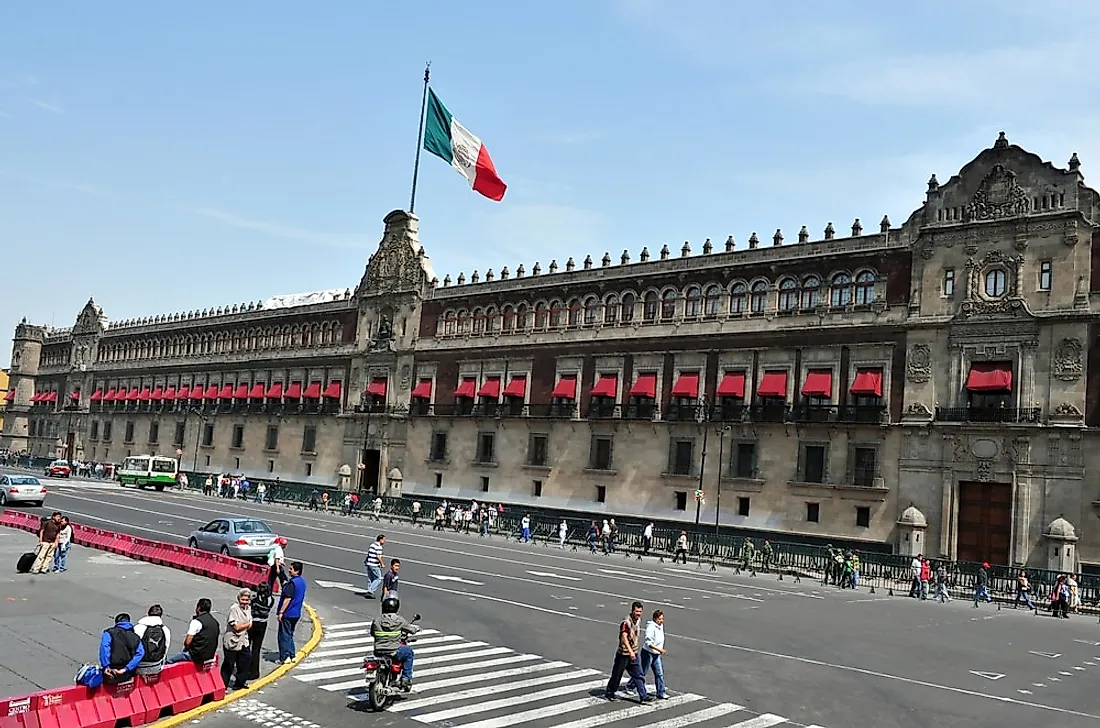
Mexico’s government type is not just a domestic arrangement; it is an international commitment. The federal government’s power to negotiate treaties has led to Mexico becoming one of the most “pro-trade” nations in the world, most notably through the United States-Mexico-Canada Agreement (USMCA).
Nearshoring Opportunities and Policy Incentives
The executive branch has leaned heavily into the “nearshoring” trend—the relocation of manufacturing from Asia to North America. Because the federal government controls international trade policy, it has the power to create Special Economic Zones and offer tax incentives for high-tech manufacturing, automotive plants, and electronics assembly.
Investors looking at Mexico today are focusing on the government’s ability to provide the necessary infrastructure—specifically clean energy and water—to support these massive industrial investments. The interplay between federal energy policy and international trade obligations under USMCA is a primary focus for business finance experts, as any deviation from treaty standards could trigger costly trade disputes and tariffs.
Dispute Resolution and Legal Protections for Capital
A key component of Mexico’s government structure is the Judiciary. For the “Money” niche, the independence of the Supreme Court of Justice of the Nation is paramount. This body acts as the final arbiter in disputes between private corporations and the state.
Under the USMCA and various bilateral investment treaties, the Mexican government provides protections against expropriation and ensures that foreign investors are treated no less favorably than domestic ones. The strength of Mexico’s legal institutions directly correlates with the “country risk premium” added to investment models. When the judiciary demonstrates the ability to check executive power, it reinforces the “Rule of Law,” which is the ultimate safeguard for any financial asset.
Risk Assessment: Understanding Political Cycles and Fiscal Responsibility
Investing in a federal republic like Mexico requires an understanding of the “Sexenio” (six-year term) and the fiscal responsibility laws that govern it.
The Sexenio: Budgetary Implications of the Six-Year Term
Mexico’s prohibition on presidential reelection creates a unique economic cycle. There is often a “transition dip” in the first year of an administration as new officials take over federal agencies and spending is paused for review. Conversely, the “closing year” often sees a flurry of activity.
From a personal finance and local business perspective, these cycles dictate the timing of large-scale investments. Smart capital often enters the market when the political dust settles after an election, taking advantage of the renewed clarity in fiscal policy and government contracts.
Sovereign Debt and Credit Ratings
Despite political shifts, Mexico’s government has maintained a reputation for relatively disciplined fiscal management compared to other emerging markets. The federal government’s ability to collect tax revenue and manage its debt-to-GDP ratio determines its credit rating from agencies like Moody’s, S&P, and Fitch.
A “Baa” or “BBB” rating is not just a letter grade; it dictates the interest rates the Mexican government—and by extension, Mexican companies—must pay to borrow money. As a federal republic, the transparency of the budget process and the constitutional limits on debt are vital for maintaining the “Investment Grade” status that allows pension funds and large institutional investors to hold Mexican securities.
Conclusion: Why the Government Structure Matters for Your Wallet
In summary, Mexico is a federal presidential representative democratic republic, but for those in the world of money, it is a complex ecosystem of fiscal policy, central bank independence, and international trade commitments.
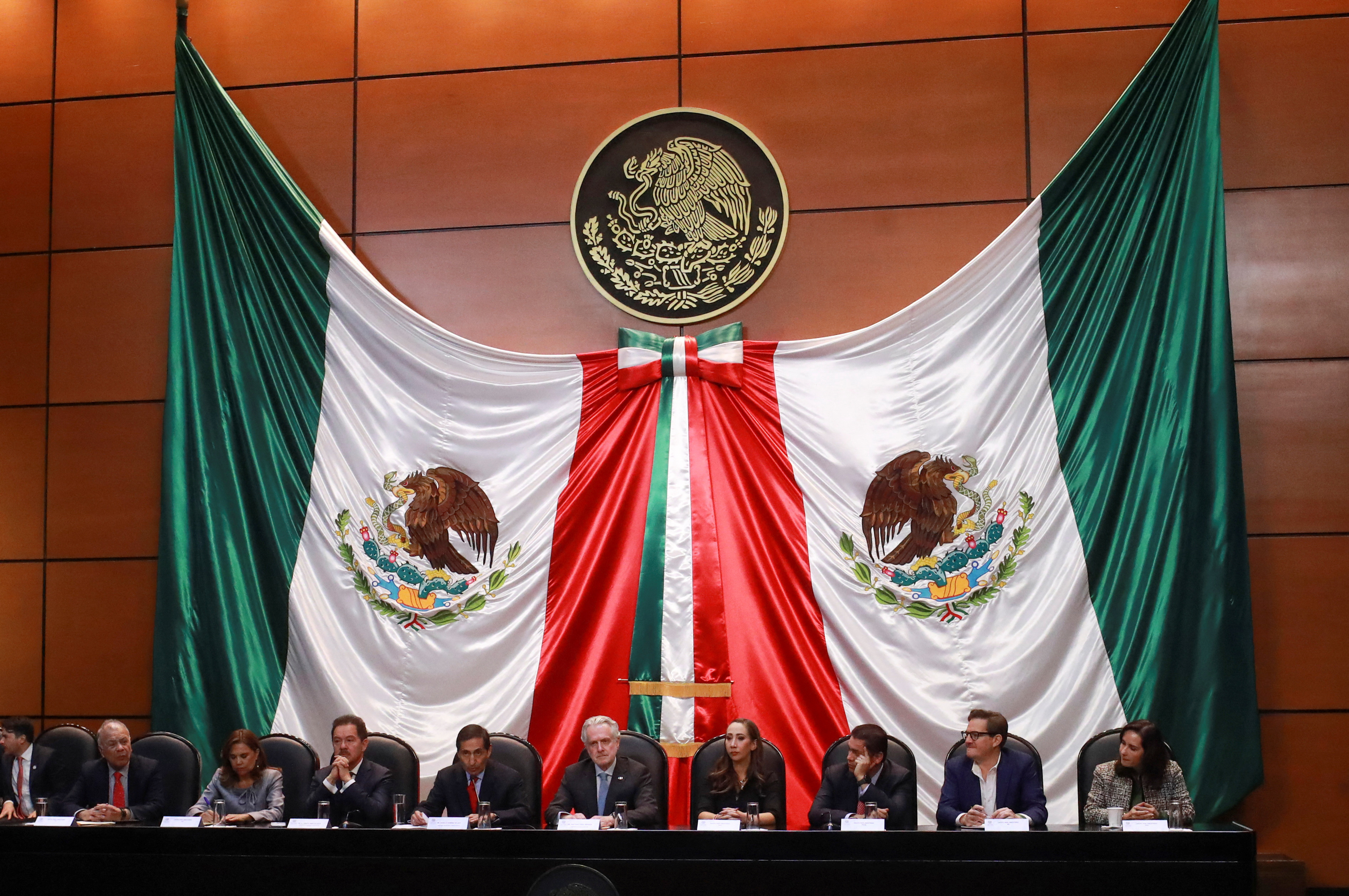
The federal structure ensures that while the President sets the tone, the Congress, the Judiciary, and the autonomous Central Bank provide the checks and balances necessary for a stable investment environment. For the entrepreneur, the tax-paying citizen, or the global investor, success in the Mexican market requires more than just industry knowledge—it requires a deep understanding of how this specific type of government manages its resources, regulates its markets, and protects the capital that flows across its borders. By navigating these institutional waters with precision, one can unlock the significant financial opportunities offered by the second-largest economy in Latin America.
aViewFromTheCave is a participant in the Amazon Services LLC Associates Program, an affiliate advertising program designed to provide a means for sites to earn advertising fees by advertising and linking to Amazon.com. Amazon, the Amazon logo, AmazonSupply, and the AmazonSupply logo are trademarks of Amazon.com, Inc. or its affiliates. As an Amazon Associate we earn affiliate commissions from qualifying purchases.