
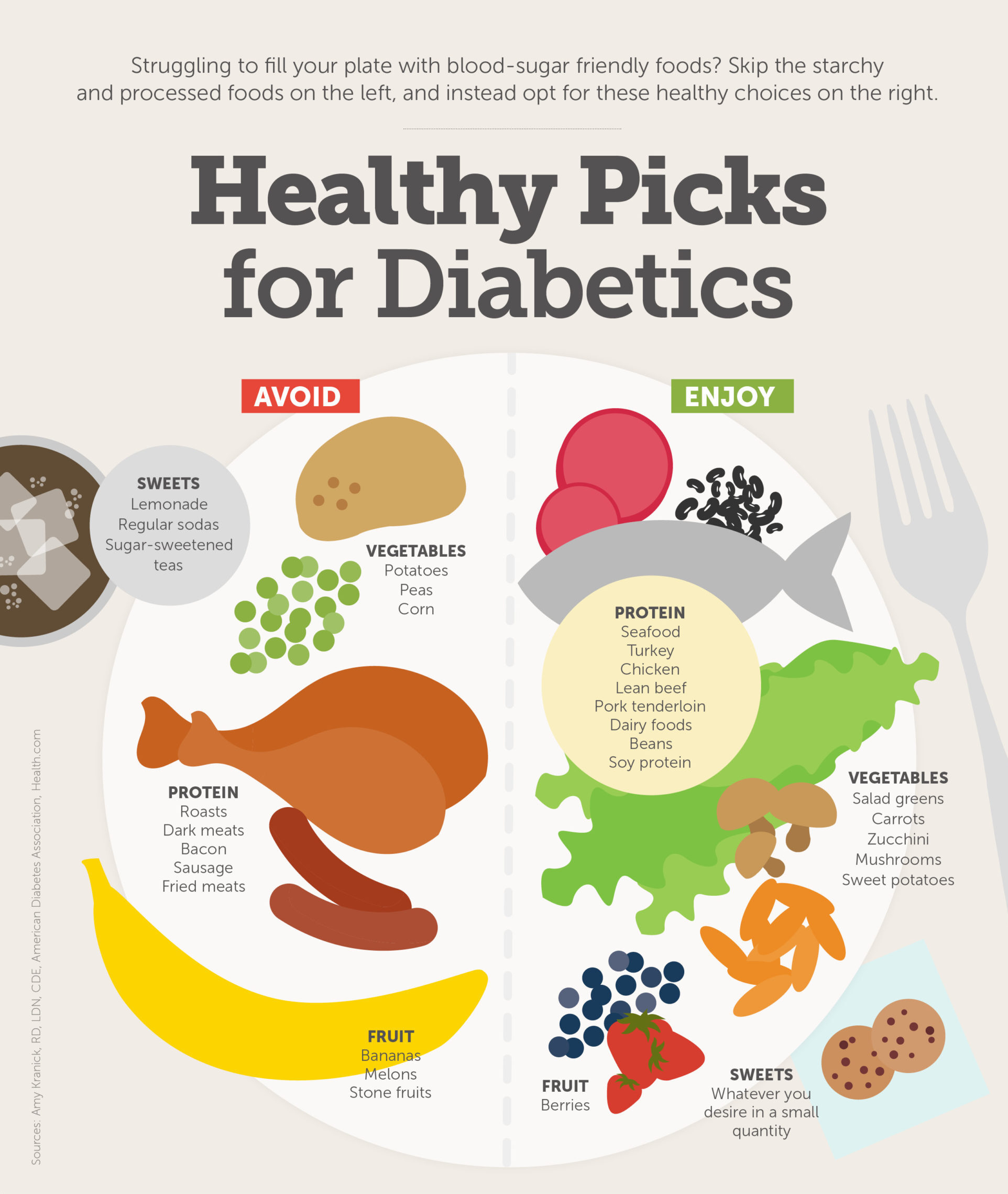
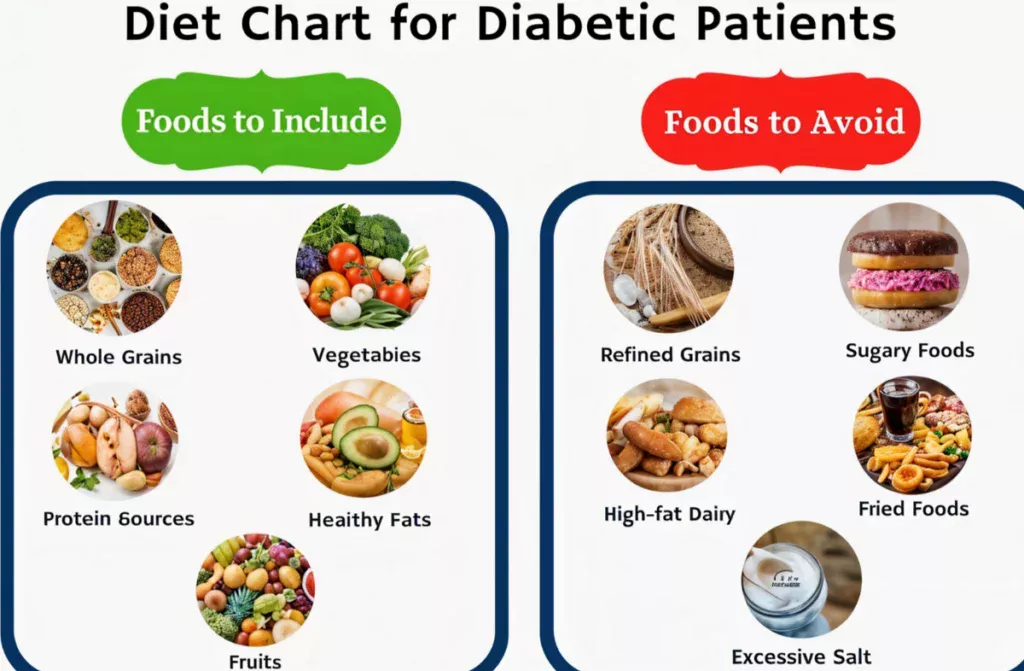
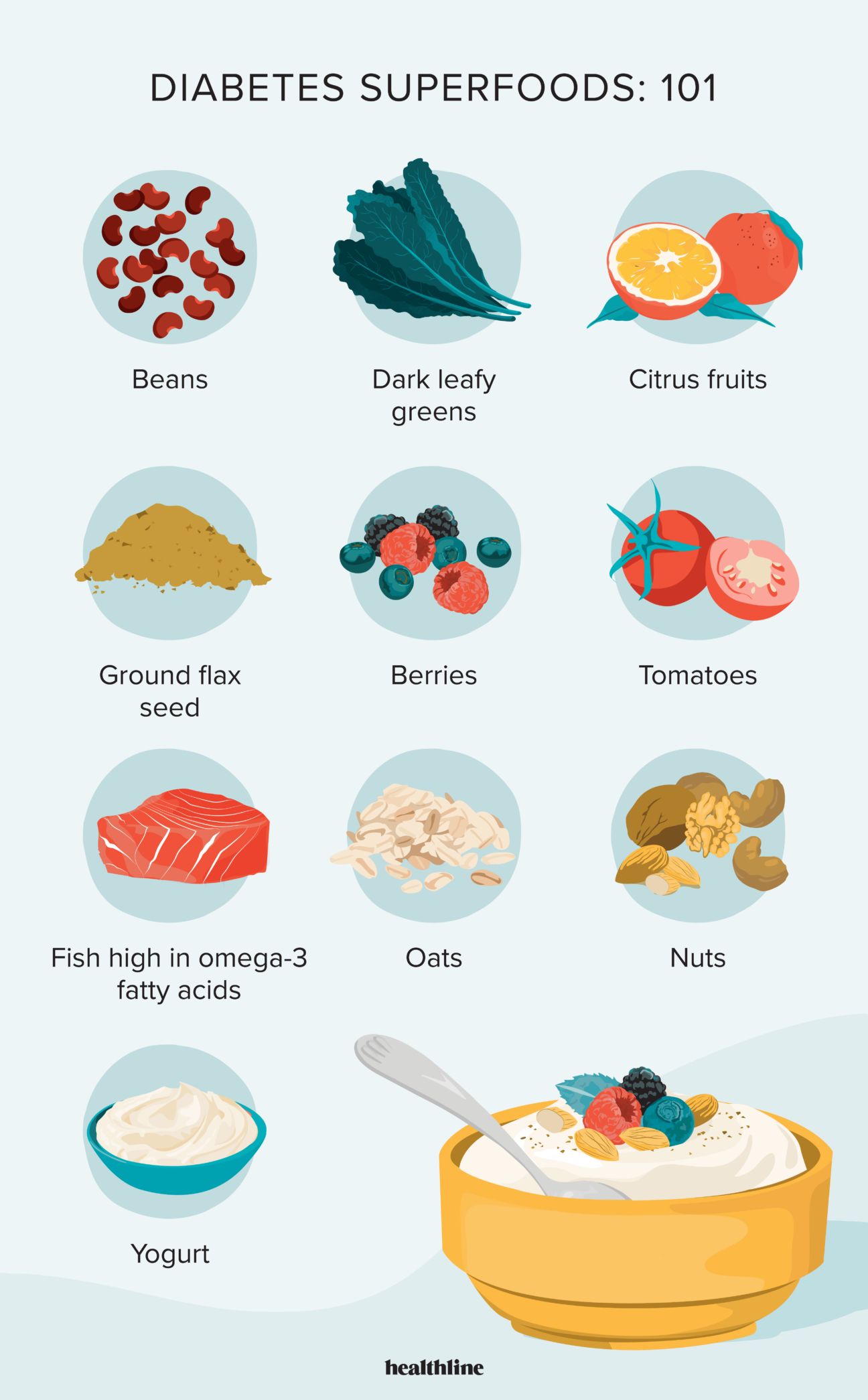
Managing diabetes has evolved significantly from simple dietary restrictions to a sophisticated, technologically integrated lifestyle. The question of “what type of food do diabetics eat” is no longer solely about enumerating permitted or forbidden items, but rather about understanding how individuals leverage technology to make informed, personalized, and effective dietary choices. From advanced glucose monitoring systems to AI-powered meal planners, technology empowers diabetics to gain unprecedented control over their food intake and its impact on their health. This article delves into the technological landscape that shapes modern diabetic diets, exploring the tools, applications, and innovations that are revolutionizing how food is approached in diabetes management.
The Digital Dashboard: Real-Time Glucose Monitoring and its Food Implications
The cornerstone of effective diabetes management, particularly for type 1 and some type 2 diabetics, is the ability to understand how different foods impact blood glucose levels in real-time. This understanding is largely facilitated by continuous glucose monitoring (CGM) systems, which have moved beyond basic blood glucose meters to become sophisticated digital dashboards providing a wealth of actionable data.
Continuous Glucose Monitoring (CGM) Systems: Beyond the Finger Prick
CGM technology has been a game-changer. These systems typically involve a small sensor inserted under the skin, which continuously measures glucose levels and transmits data wirelessly to a receiver, smartphone, or smartwatch. Unlike traditional finger-prick tests, which offer a snapshot, CGMs provide a trendline, allowing individuals to see how their glucose levels are rising or falling over time.
- Understanding Macronutrient Impact: With CGM data readily available, diabetics can observe the immediate and lagged effects of various food types on their blood sugar. For instance, consuming a meal high in refined carbohydrates might show a rapid spike, while a meal rich in fiber and healthy fats might result in a more gradual and manageable rise. This direct feedback loop is invaluable for identifying personal intolerabilities or optimal food combinations.
- Carbohydrate Counting Precision: Accurate carbohydrate counting is crucial for insulin dosing and overall blood sugar control. CGM data, when paired with carb-counting apps, allows for a more precise understanding of how individual food items and portion sizes contribute to the total carbohydrate load. Some advanced CGMs can even integrate with smart insulin pens or pumps, further automating the process of adjusting insulin based on real-time glucose readings and estimated carb intake.
- Personalized Meal Planning Insights: The historical data collected by CGMs provides a rich tapestry of information about an individual’s unique response to different foods. This data can be analyzed to identify patterns and trends, leading to more personalized meal plans. Instead of generic dietary advice, diabetics can work with their healthcare providers or utilize AI-powered tools to tailor their food choices based on their personal glucose profiles.
Smart Insulin Pens and Insulin Pumps: Synchronizing Food with Medication
For individuals using insulin, the integration of smart devices with their medication delivery systems further refines the relationship between food and blood sugar management.
- Smart Insulin Pens: These pens track insulin doses, timing, and can even estimate remaining insulin on board. When connected to CGM apps, they can provide crucial context. For example, if a user is considering eating a meal, the smart pen, in conjunction with the CGM data, can help estimate the appropriate insulin dose based on current glucose levels, the anticipated carbohydrate intake, and the insulin already administered.
- Insulin Pumps and Automated Insulin Delivery (AID) Systems: Insulin pumps deliver a basal rate of insulin continuously and allow for bolus doses to be administered with meals. AID systems, often referred to as “artificial pancreas” technology, take this a step further by automatically adjusting insulin delivery based on real-time CGM readings. These systems are highly sensitive to changes in glucose levels, which are directly influenced by food intake. By continuously monitoring glucose, AID systems can anticipate rises after meals and proactively deliver insulin, minimizing both hyperglycemia and hypoglycemia.
The Digital Kitchen: AI, Apps, and the Future of Diabetic Nutrition
Beyond direct glucose monitoring, a vast ecosystem of technology is emerging to assist diabetics in every aspect of their dietary journey, from meal planning and recipe creation to nutritional analysis and even grocery shopping.
AI-Powered Meal Planning and Nutritional Guidance
Artificial intelligence is revolutionizing how diabetics approach meal planning, offering personalized, dynamic, and data-driven solutions.
- Personalized Meal Generation: AI algorithms can analyze a user’s dietary preferences, caloric needs, carbohydrate targets, activity levels, and even their historical CGM data to generate customized meal plans. These plans can adapt daily based on updated information, ensuring variety and adherence to health goals. Instead of static meal plans, AI offers a dynamic approach that evolves with the individual.
- Recipe Adaptation and Nutritional Analysis: Many apps leverage AI to analyze existing recipes, suggesting modifications to make them more diabetes-friendly. This could involve swapping ingredients, adjusting portion sizes, or providing detailed nutritional breakdowns (carbohydrates, protein, fat, fiber) for each adapted recipe. This empowers individuals to enjoy a wider range of foods without compromising their health.
- Behavioral Coaching and Habit Formation: Some AI-powered platforms go beyond simple meal planning to offer behavioral coaching. They can provide reminders, motivational messages, and track adherence to dietary goals, helping to build sustainable healthy eating habits. This addresses the psychological and behavioral aspects of managing a chronic condition.
Nutrition Tracking and Food Logging Tools
Accurate tracking of food intake is fundamental for diabetes management. Modern technology has made this process more efficient and insightful.
- Barcode Scanning and Extensive Food Databases: Many food logging apps feature barcode scanners. By scanning the UPC of packaged foods, users can instantly access detailed nutritional information, including carbohydrate counts, fiber, and sugar content. These apps often boast extensive databases of both packaged and restaurant foods, making logging quick and convenient.
- Image Recognition and AI-Assisted Logging: Emerging technologies are utilizing image recognition and AI to simplify food logging even further. Users can potentially take a picture of their meal, and the AI can identify the food items and estimate portion sizes, automatically populating the log. While still evolving, this promises to reduce the manual effort involved in tracking.
- Integration with Wearables and Health Platforms: Food logging apps are increasingly integrating with other health platforms and wearables, such as smartwatches and fitness trackers. This allows for a more holistic view of health, correlating food intake with physical activity, sleep patterns, and glucose levels.
Empowering Choices: Technology for Education and Community
Beyond direct management tools, technology plays a vital role in educating individuals with diabetes and fostering supportive communities, both of which significantly influence dietary choices.
Educational Resources and Digital Learning Platforms
The internet has democratized access to information, and for diabetics, this means a wealth of educational resources at their fingertips.
- Online Courses and Webinars: Universities, healthcare organizations, and patient advocacy groups offer a myriad of online courses, webinars, and virtual workshops on diabetes management, nutrition, and healthy cooking. These platforms often feature registered dietitians and certified diabetes educators who provide evidence-based information.
- Interactive Tools and Simulators: Some digital platforms offer interactive tools and simulators that allow users to explore the impact of different food choices on blood sugar levels in a safe, virtual environment. This can be a powerful learning tool for understanding complex physiological responses.
- Trusted Online Communities and Forums: Online forums and social media groups dedicated to diabetes provide a space for individuals to share experiences, ask questions, and offer support. While caution is advised regarding unverified medical advice, these communities can be invaluable for finding practical tips, recipe ideas, and emotional encouragement related to dietary challenges.
Digital Health Coaching and Telehealth Services
The rise of telehealth has extended the reach of healthcare professionals, making expert dietary guidance more accessible for diabetics.
- Virtual Consultations with Dietitians and Nutritionists: Diabetics can now connect with registered dietitians and certified diabetes educators remotely for personalized dietary consultations. These virtual sessions allow for in-depth discussions about food choices, meal planning, and addressing specific challenges, all from the convenience of one’s home.
- Remote Patient Monitoring (RPM) Programs: Many healthcare providers offer RPM programs that involve regular check-ins and data review by a clinical team. This often includes monitoring glucose data, which can be used to provide timely feedback and adjustments to dietary recommendations.
- Gamified Health and Wellness Apps: Some apps incorporate gamification elements to encourage healthy behaviors, including dietary adherence. Points, rewards, and leaderboards can motivate users to track meals, achieve nutritional goals, and engage in healthy eating habits.
In conclusion, the question of “what type of food do diabetics eat” is intrinsically linked to the technological advancements that empower individuals to make informed, personalized, and proactive dietary decisions. From the granular insights provided by continuous glucose monitoring to the intelligent planning capabilities of AI, technology has transformed the diabetic diet from a restrictive regimen into a dynamic and adaptable lifestyle. By embracing these digital tools, diabetics can gain unprecedented control over their health, fostering a more empowered and optimistic approach to food and well-being. The future of diabetic nutrition is undeniably technological, offering a pathway towards better management and improved quality of life.
aViewFromTheCave is a participant in the Amazon Services LLC Associates Program, an affiliate advertising program designed to provide a means for sites to earn advertising fees by advertising and linking to Amazon.com. Amazon, the Amazon logo, AmazonSupply, and the AmazonSupply logo are trademarks of Amazon.com, Inc. or its affiliates. As an Amazon Associate we earn affiliate commissions from qualifying purchases.