
In the relentless march of technological progress, one fundamental concept underpins nearly every innovation, from the smartphone in your pocket to the sprawling smart grids powering cities: stored energy. It is the silent, often invisible force that allows devices to function on demand, vehicles to travel vast distances, and renewable energy sources to overcome their inherent intermittency. Understanding “what type of energy is stored energy” is not merely an academic exercise; it’s a deep dive into the foundational principles that enable modern technology to exist, evolve, and profoundly impact our lives.
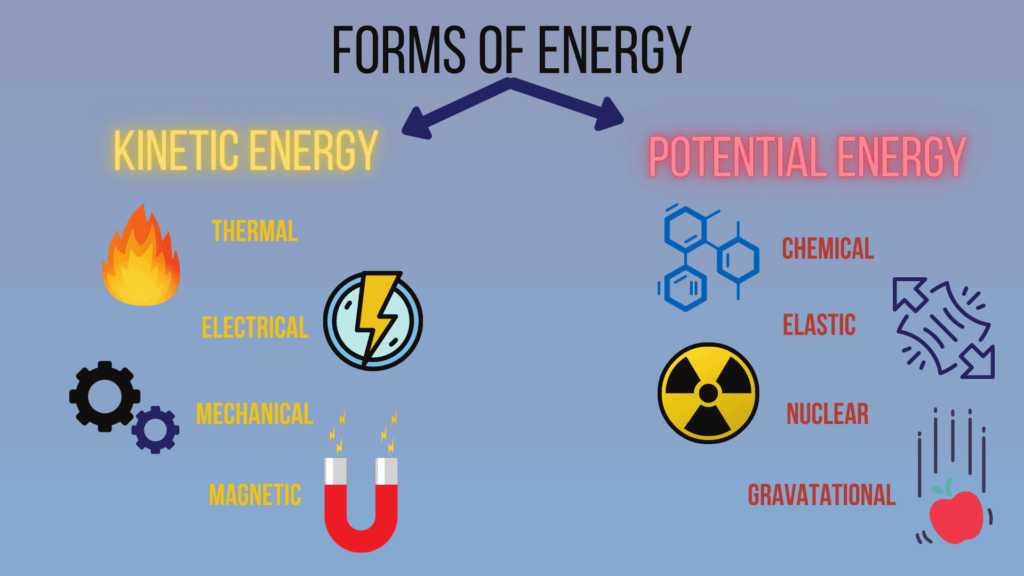
At its core, stored energy is energy that is not actively being used but has the potential to perform work at a later time. This concept, known as potential energy, is distinct from kinetic energy, which is the energy of motion. While kinetic energy drives immediate action, potential energy grants the promise of future action, making it the bedrock of every independent, portable, or continuously operating technological system.
Unpacking Potential: The Core Concept of Stored Energy
The ability to capture, hold, and later release energy is a hallmark of intelligent design, both in nature and in engineering. Without effective energy storage, our world would be tethered, intermittent, and significantly less dynamic.
Defining Stored Energy: Beyond Kinetic Motion
Stored energy, fundamentally, refers to potential energy – energy that an object possesses due to its position, state, or internal structure. Unlike kinetic energy, which is observable through motion, potential energy is latent. It is the energy “waiting in the wings,” ready to be converted into kinetic energy, heat, light, or other forms of energy when the right conditions are met.
Consider a simple analogy: a spring held compressed or stretched. The energy isn’t visible as motion, but the moment the spring is released, it unleashes kinetic energy. Similarly, water held back by a dam possesses gravitational potential energy; release the water, and it gains kinetic energy, which can then be harnessed to generate electricity. In the realm of technology, this principle scales from microscopic circuits to massive power plants, determining how efficiently and reliably our systems operate.
The Indispensable Role of Energy Storage in Technology
From the earliest human inventions to the most sophisticated artificial intelligence algorithms, the manipulation of stored energy has been paramount. Early mechanical clocks relied on springs (elastic potential energy). Today, every electronic device, from a smartwatch to a data center, depends on sophisticated energy storage solutions.
In the 21st century, the demand for accessible, reliable, and sustainable energy storage has never been greater. It empowers:
-
Mobility: Electric vehicles, drones, and portable electronics all rely on efficient stored energy to function untethered.
-
Sustainability: Renewable energy sources like solar and wind are intermittent. Energy storage systems capture surplus energy during peak generation and release it during periods of low generation or high demand, ensuring grid stability and reducing reliance on fossil fuels.
-
Resilience: Backup power systems for hospitals, data centers, and critical infrastructure use stored energy to maintain operations during outages, ensuring continuity and security.
-
Innovation: The development of smaller, more powerful, and longer-lasting energy storage solutions directly enables advancements in robotics, IoT devices, medical technology, and space exploration.
Without the ability to store energy, technology would be rudimentary, limited to direct, immediate energy conversion. It is the reservoir that fuels progress and convenience.
The Many Forms of Stored Energy Powering Our World
While the underlying principle of potential energy remains constant, its manifestations in technological systems are incredibly diverse, each suited for different applications based on energy density, power output, duration, and cost.
Chemical Potential Energy: The Engine of Modern Gadgets and Vehicles
Perhaps the most ubiquitous form of stored energy in modern technology is chemical potential energy. This is energy stored within the bonds of molecules, released or absorbed during chemical reactions.
-
Batteries: These electrochemical devices are the prime examples. Lithium-ion batteries, prevalent in smartphones, laptops, and electric vehicles (EVs), store energy by undergoing reversible chemical reactions where ions move between electrodes. When discharging, chemical potential energy is converted into electrical energy. When charging, electrical energy is converted back into chemical potential energy. Advances in battery chemistry—such as solid-state batteries, lithium-sulfur, or flow batteries—are constantly pushing the boundaries of energy density, charging speed, and cycle life, addressing the critical needs of portable electronics and the burgeoning EV market.
-
Fuels: Hydrocarbons like gasoline and natural gas, or hydrogen, store immense amounts of chemical potential energy in their molecular structures. This energy is released through combustion (e.g., in internal combustion engines) or electrochemically (e.g., in fuel cells that convert hydrogen and oxygen into electricity and water). While combustion has environmental drawbacks, fuel cell technology offers a cleaner pathway for converting chemical potential energy, particularly for heavy-duty transport and stationary power generation.
Electrical Potential Energy: The Charge of Capacitors and Fields
Electrical potential energy is stored when charges are separated in an electric field. This is the operating principle behind capacitors, crucial components in almost all electronic circuits.
-
Capacitors: These devices consist of two conductive plates separated by a dielectric (insulating) material. When a voltage is applied, charge builds up on the plates, creating an electric field and storing electrical potential energy. Unlike batteries, capacitors store energy electrostatically, not chemically, allowing for extremely rapid charging and discharging. They are essential for filtering power supplies, storing energy for camera flashes, and providing bursts of power in high-frequency circuits.
-
Supercapacitors (or ultracapacitors): Bridging the gap between conventional capacitors and batteries, supercapacitors offer much higher energy density than traditional capacitors while maintaining their fast charge/discharge capabilities and long cycle life. They are used in applications requiring frequent power bursts, such as regenerative braking systems in EVs, industrial equipment, and backup power for electronics.
Mechanical Potential Energy: From Springs to Gravity-Based Systems
Mechanical potential energy is stored in physical systems through deformation or position against a force.
-
Elastic Potential Energy: This is the energy stored in objects like springs, rubber bands, or compressed gases that can be stretched, compressed, or twisted. While not a primary grid-scale storage solution, elastic potential energy is critical in micro-electromechanical systems (MEMS), actuators, and various precision mechanisms.
-
Gravitational Potential Energy: Water stored at a high elevation, for instance, possesses gravitational potential energy. Pumped-hydro storage (PHS), the most widely deployed large-scale energy storage technology globally, exemplifies this. Excess electricity (e.g., from renewables during off-peak hours) is used to pump water uphill to a reservoir. When electricity is needed, water is released, flowing downhill through turbines to generate power. Newer concepts, often termed “gravity batteries,” use heavy blocks lifted by electric motors and then lowered to generate electricity, offering a scalable solution for grid-level storage.
-
Kinetic Energy (Flywheels): While technically kinetic, flywheel energy storage systems are often grouped with mechanical storage because they store energy in the motion of a spinning rotor. Electricity spins up the flywheel to high speeds, storing energy as rotational kinetic energy. When power is needed, the flywheel’s inertia drives a generator. Flywheels offer high power density and rapid response, making them ideal for grid stabilization, uninterruptible power supplies (UPS), and smoothing out power fluctuations.
Thermal Potential Energy: Storing Heat for a Greener Future

Thermal potential energy, or heat energy storage, involves storing energy by raising the temperature of a material or exploiting its phase change.
-
Sensible Heat Storage: This method stores heat by raising the temperature of a material without changing its phase. Common materials include water, molten salts, rocks, or ceramics. This is crucial in concentrated solar power (CSP) plants, where molten salts store solar heat, allowing electricity generation to continue long after the sun sets. It’s also used in industrial processes for heat recovery and in buildings for space heating/cooling.
-
Latent Heat Storage: This involves materials that absorb or release large amounts of heat when they change phase (e.g., solid to liquid), such as phase-change materials (PCMs). PCMs are highly effective for storing and releasing thermal energy at a relatively constant temperature, finding applications in building thermal management, electronics cooling, and specialized thermal buffers.
Technological Breakthroughs and the Evolution of Energy Storage
The quest for more efficient, durable, and cost-effective energy storage is a central driver of technological innovation, leading to continuous breakthroughs across all forms of stored energy.
Enhancing Battery Performance: Density, Lifespan, and Safety
The ubiquitous lithium-ion battery, while transformative, faces challenges regarding energy density limits, degradation over time (lifespan), and safety concerns (thermal runaway). Research is intensely focused on:
-
Solid-State Batteries: Replacing the liquid electrolyte with a solid one promises higher energy density, faster charging, and significantly improved safety due to non-flammable components. This technology is viewed as the “holy grail” for next-generation EVs and portable electronics.
-
New Chemistries: Exploring alternatives to lithium, such as sodium-ion, magnesium-ion, or zinc-ion batteries, which use more abundant and less costly materials.
-
Silicon Anodes: Incorporating silicon into anodes can dramatically increase energy density compared to traditional graphite, though challenges with volume expansion during cycling need to be addressed.
-
AI and Machine Learning: Optimizing battery management systems (BMS) for enhanced performance, predictive maintenance, and extended lifespan by analyzing usage patterns and electrochemical states.
Grid-Scale Solutions: Balancing Intermittent Renewables
Integrating fluctuating renewable energy sources into the grid necessitates massive energy storage capabilities to ensure a stable and reliable power supply. Beyond pumped-hydro, innovations include:
-
Large-Scale Battery Farms: Deploying arrays of lithium-ion or other battery chemistries at utility scale to provide rapid response for grid frequency regulation and peak shaving.
-
Compressed Air Energy Storage (CAES): Storing compressed air in underground caverns or tanks. When power is needed, the air is released, heated, and expanded through a turbine to generate electricity. Offers long-duration storage potential.
-
Liquid Air Energy Storage (LAES): Using surplus electricity to liquefy air, which is then stored at cryogenic temperatures. When power is required, the liquid air is vaporized, expanded, and used to drive a turbine.
-
Hydrogen Economy: Leveraging hydrogen as an energy carrier. Excess renewable electricity can power electrolyzers to produce “green hydrogen,” which can then be stored and later converted back into electricity via fuel cells or used directly as fuel.
The Miniaturization and Integration Imperative
As technology becomes more pervasive and embedded, the demand for tiny, flexible, and integrated energy storage solutions grows.
-
Micro-Batteries and Thin-Film Batteries: Essential for powering wearables, IoT sensors, medical implants, and flexible electronics where space is at a premium.
-
Structural Batteries: Developing materials that can both bear mechanical loads and store electrical energy, effectively turning the structure of a device or vehicle into its battery.
-
Self-Powered Systems: Integrating energy harvesting technologies (e.g., small solar cells, thermoelectric generators, kinetic energy harvesters) with miniature storage to create autonomous, self-sustaining devices.
The Future of Energy Storage: A Technological Imperative
The future of technology, sustainability, and human convenience is intrinsically linked to our ability to innovate in energy storage. The ongoing pursuit of better, cleaner, and more efficient ways to store energy is not just an engineering challenge; it’s a societal imperative.
Smart Grids and AI-Driven Energy Management
The advent of smart grids, coupled with advanced AI and machine learning, will revolutionize how stored energy is utilized. These intelligent systems can predict energy demand and supply, dynamically allocate resources, optimize charging and discharging cycles of storage units, and manage decentralized energy sources (e.g., rooftop solar with home batteries). This leads to greater grid resilience, efficiency, and a smoother integration of renewables. Decentralized energy systems, often called “microgrids,” enabled by localized energy storage and intelligent controls, are becoming increasingly vital for energy security and sustainability.
Sustainable Sourcing and Circular Economy for Energy Storage
As energy storage technologies scale, the environmental footprint associated with raw material extraction (e.g., cobalt, lithium) and end-of-life disposal becomes critical. The future of energy storage emphasizes:
-
Ethical Sourcing: Ensuring minerals are extracted responsibly, without human rights abuses or environmental damage.
-
Recycling and Second-Life Applications: Developing efficient processes to recycle valuable materials from spent batteries and finding secondary uses for batteries that no longer meet performance standards for their original application (e.g., EV batteries repurposed for grid storage).
-
Design for Disassembly: Engineering batteries and storage systems for easier recycling and material recovery.
Beyond Current Paradigms: Imagining New Forms of Storage
Looking further ahead, researchers are exploring truly groundbreaking concepts:
-
Quantum Batteries: Theoretical devices that leverage quantum mechanics to charge instantaneously and never lose charge.
-
Biological Energy Storage: Harnessing biological processes or synthetic biology to create living batteries or fuels, potentially offering unprecedented energy densities and biodegradability.
-
Advanced Material Science: Discovering entirely new materials with novel electrochemical, mechanical, or thermal properties that could unlock unforeseen energy storage capabilities.
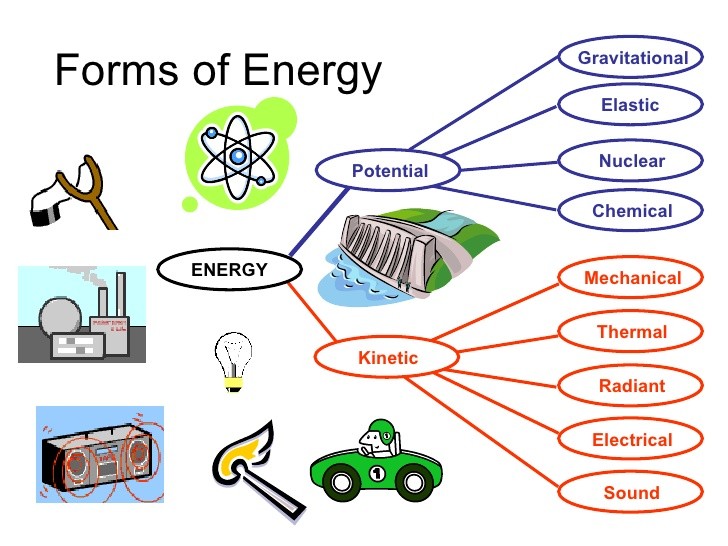
In conclusion, “what type of energy is stored energy” is fundamentally about potential energy in its myriad forms – chemical, electrical, mechanical, and thermal. Each form plays a crucial role in the vast ecosystem of modern technology, enabling everything from the portable devices that connect us to the global infrastructure that sustains us. As we navigate the complexities of climate change and the ever-increasing demand for power, continuous innovation in energy storage remains an unwavering technological imperative, promising a future that is more efficient, sustainable, and capable.
aViewFromTheCave is a participant in the Amazon Services LLC Associates Program, an affiliate advertising program designed to provide a means for sites to earn advertising fees by advertising and linking to Amazon.com. Amazon, the Amazon logo, AmazonSupply, and the AmazonSupply logo are trademarks of Amazon.com, Inc. or its affiliates. As an Amazon Associate we earn affiliate commissions from qualifying purchases.