
The periodic table, a cornerstone of chemistry, organizes elements based on their atomic structure and recurring chemical properties. Within this intricate arrangement, a fundamental concept that dictates how elements interact is their tendency to form ions – electrically charged atoms. Anions, specifically, are negatively charged ions. Understanding which types of elements are most prone to becoming anions is crucial for comprehending chemical bonding, reactivity, and the formation of countless compounds that underpin our technological world. This exploration delves into the characteristics of elements that commonly form anions, focusing on their position within the periodic table, electron configurations, and the driving forces behind their anionic behavior, all within the context of its impact on technological innovation.

Understanding the Formation of Anions: Electron Affinity and Electronegativity
The formation of an anion is intrinsically linked to an element’s desire to achieve a stable electron configuration, typically mirroring that of a noble gas. This desire is quantified by two key properties: electron affinity and electronegativity.
Electron Affinity: The Pull Towards Negativity
Electron affinity is defined as the energy change that occurs when an electron is added to a neutral atom in the gaseous state to form a negative ion. A more negative electron affinity value indicates a greater attraction for an incoming electron and, thus, a greater tendency to form an anion. Elements with high electron affinities are those that can readily accept an additional electron to complete their outermost electron shell.
- Trends in Electron Affinity: Electron affinity generally increases across a period (from left to right) and decreases down a group (from top to bottom) in the periodic table. This trend is directly related to the increasing effective nuclear charge experienced by the valence electrons as one moves across a period, and the increasing distance of valence electrons from the nucleus as one moves down a group.
- Halogens: The Champions of Electron Affinity: The halogens (Group 17) exhibit the most negative electron affinities. This is because they are just one electron short of achieving a stable noble gas configuration (an octet) in their outermost shell. The addition of a single electron completes this shell, leading to a significant release of energy and the formation of a stable halide ion (e.g., F⁻, Cl⁻, Br⁻, I⁻).
Electronegativity: The Strength of Attraction in a Bond
Electronegativity, a related concept, measures an atom’s ability to attract shared electrons towards itself in a chemical bond. While electron affinity refers to the addition of an electron to a neutral atom, electronegativity describes the electron-attracting power within a bonded system. Elements with high electronegativity have a strong pull on electrons.
- The Electronegativity Scale: The Pauling scale is the most commonly used measure for electronegativity, with fluorine being the most electronegative element (4.0). Generally, electronegativity increases across a period and decreases down a group, mirroring the trends in electron affinity.
- Polarity and Anion Formation: When an atom with high electronegativity bonds with an atom of lower electronegativity, the electrons in the shared bond are pulled more towards the more electronegative atom. This unequal sharing of electrons creates a polar bond, and the more electronegative atom effectively gains a partial negative charge, behaving much like an anion in terms of electron distribution. In ionic bonding, this pull is so strong that one atom essentially transfers electrons to another, forming discrete cations and anions.
Identifying Anion-Forming Elements: Nonmetals and Their Electron Configurations
The elements most prone to forming anions are overwhelmingly nonmetals. Their electronic structures and positions on the periodic table predispose them to gain electrons rather than lose them.
The Significance of Valence Electron Configurations
The number of valence electrons (electrons in the outermost shell) is the primary determinant of an element’s tendency to gain or lose electrons. Atoms strive for a stable electron configuration, which in most cases, means having a full outermost electron shell, typically with eight electrons (the octet rule).
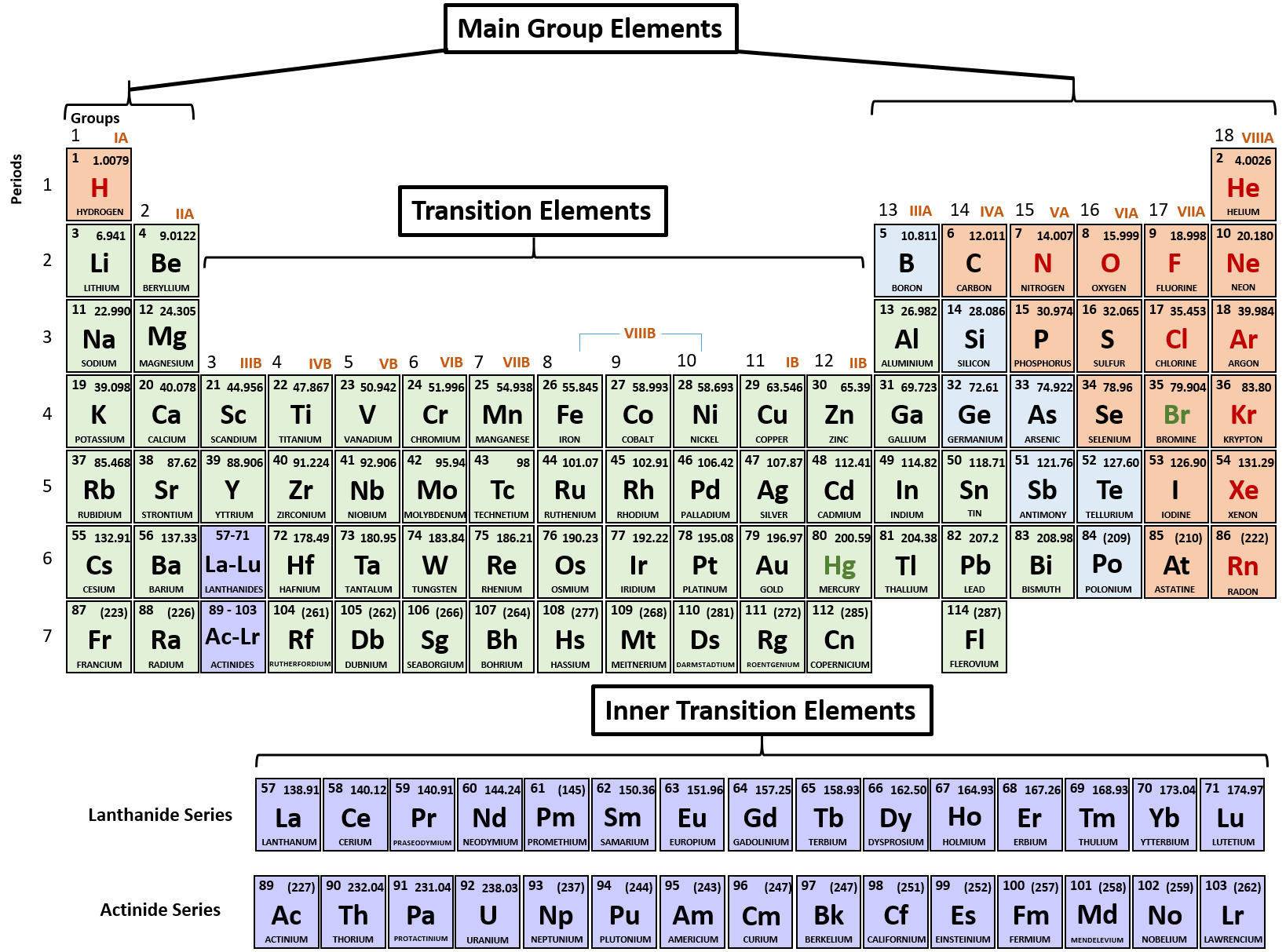
- Groups 14-17: The Prime Candidates: Elements in Groups 14, 15, 16, and 17 of the periodic table are nonmetals with a significant number of valence electrons.
- Group 14 (e.g., Carbon, Silicon): These elements have four valence electrons. While they can form four covalent bonds to achieve an octet, some can also gain four electrons to form anions with a charge of -4, though this is less common in simple ionic compounds and more prevalent in organometallic chemistry. Silicon, in certain contexts, can form silicide anions.
- Group 15 (e.g., Nitrogen, Phosphorus): With five valence electrons, these elements typically gain three electrons to form anions with a charge of -3. Nitride ions (N³⁻) and phosphide ions (P³⁻) are well-known examples.
- Group 16 (e.g., Oxygen, Sulfur): Having six valence electrons, these elements readily gain two electrons to form anions with a charge of -2. Oxide ions (O²⁻) and sulfide ions (S²⁻) are ubiquitous in chemistry and technology.
- Group 17 (e.g., Fluorine, Chlorine, Bromine, Iodine): As discussed earlier, the halogens are the most prominent anion-formers. With seven valence electrons, they need only one more electron to achieve a stable octet, forming halide ions with a charge of -1.
The Role of the p-Orbital: Completing the Shell
The tendency of nonmetals to form anions is closely tied to the filling of their p-orbitals. The p-subshell can hold a maximum of six electrons. Elements in Groups 14-17 have electrons filling their p-orbitals, and the closer these orbitals are to being full, the greater the tendency to accept more electrons.
- From Half-Filled to Full: For instance, elements in Group 15 have half-filled p-orbitals (three electrons). Adding three more electrons completes the p-subshell, leading to a stable configuration. Elements in Group 17 have p-orbitals with five electrons, requiring just one more to be full.
- The Exception of Noble Gases: Noble gases (Group 18) have a full valence electron shell, including a complete p-subshell. This stability makes them highly unreactive and extremely unlikely to form anions (or cations).
Technological Applications Driven by Anionic Chemistry
The ability of nonmetals to form anions is not merely an academic curiosity; it forms the bedrock of numerous technologies that shape our modern world. From the materials we use daily to the advanced electronics that power our digital lives, anionic chemistry plays a pivotal role.
Semiconductors and Electronic Devices
The very foundation of the semiconductor industry, which enables computers, smartphones, and countless other electronic devices, relies on the controlled formation and behavior of ions, including anions.
- Doping Silicon: Silicon, a Group 14 element, is the most common semiconductor material. To alter its electrical conductivity, silicon is “doped” with small amounts of impurity elements. When silicon is doped with elements from Group 15 (like phosphorus), which have one extra valence electron, these atoms can become positively charged ions (cations) in the crystal lattice, leaving behind free electrons. Conversely, doping with elements from Group 13 (like boron), which have one fewer valence electron, creates “holes” – vacancies that can accept electrons, effectively acting as positive charge carriers. While this often involves cation formation and electron deficiency, the understanding of electron affinity and the desire for stable electron configurations is fundamental.
- Oxides in Electronics: Many critical components in electronic devices are made from oxides. For instance, silicon dioxide (SiO₂) is an excellent insulator used in microchips. The oxide anion (O²⁻) is a fundamental building block here, contributing to the insulating properties and stability of these materials. Thin films of metal oxides are also used in memory devices, sensors, and display technologies. The ability of oxygen to readily form O²⁻ ions is crucial for creating these functional materials.
Battery Technology and Energy Storage
The development of more efficient and sustainable energy storage solutions, particularly batteries, heavily leverages the movement and behavior of ions, including anions.
- Electrolyte Chemistry: Rechargeable batteries typically consist of a cathode, an anode, and an electrolyte that allows ions to flow between the electrodes. Many advanced battery chemistries, such as lithium-ion batteries, utilize solid or liquid electrolytes containing anions like hexafluorophosphate (PF₆⁻) or bis(trifluoromethanesulfonyl)imide (TFSI⁻). These complex anions are designed to be mobile within the electrolyte, facilitating the charge transfer necessary for energy storage and release. The stability and chemical inertness of these anions under operating conditions are critical for battery performance and lifespan.
- Solid-State Batteries: Emerging solid-state battery technologies aim to replace liquid electrolytes with solid ionic conductors. Many of these solid electrolytes involve the movement of anions through a rigid structure, presenting unique challenges and opportunities in materials science and engineering.
Catalysis and Chemical Synthesis
Anions play a crucial role in catalysis, accelerating chemical reactions that are vital for the production of a vast array of chemicals, materials, and fuels.
- Nucleophilic Catalysts: Many organic reactions are catalyzed by nucleophiles, which are chemical species that donate an electron pair to form a new covalent bond. Anions, with their excess negative charge, are often excellent nucleophiles. For example, halide ions (Cl⁻, Br⁻) can act as catalysts in certain substitution reactions.
- Supported Catalysts: In heterogeneous catalysis, anions can be incorporated into support materials to modify their catalytic properties. For instance, incorporating certain anionic species onto metal oxide supports can enhance their ability to adsorb reactants or stabilize reactive intermediates, leading to more efficient catalytic processes.

Conclusion: The Persistent Influence of Anion Formation in Technological Advancement
The periodic table, a seemingly abstract chart of elements, holds the key to understanding the fundamental principles that drive technological innovation. The proclivity of nonmetal elements to form anions, driven by their electron configurations and the desire to achieve stability, is a cornerstone of this understanding. From the intricate workings of semiconductors that power our digital devices to the advanced battery technologies that enable portable power, and the catalytic processes that synthesize essential materials, the impact of anion formation is profound and far-reaching. By recognizing which elements are prone to becoming anions and the underlying chemical principles, scientists and engineers can continue to design and develop new materials and processes, pushing the boundaries of what is technologically possible and shaping the future of our interconnected world. The silent but powerful influence of negatively charged ions, born from the electron-seeking nature of nonmetals, remains an indispensable force in the ongoing march of technological progress.
aViewFromTheCave is a participant in the Amazon Services LLC Associates Program, an affiliate advertising program designed to provide a means for sites to earn advertising fees by advertising and linking to Amazon.com. Amazon, the Amazon logo, AmazonSupply, and the AmazonSupply logo are trademarks of Amazon.com, Inc. or its affiliates. As an Amazon Associate we earn affiliate commissions from qualifying purchases.