
The economic system of the United States is a topic of frequent discussion and occasional misunderstanding. While often described simply as “capitalist,” a more accurate and nuanced definition is a mixed economy characterized by strong capitalist foundations coupled with significant government intervention and regulation. Understanding this dynamic is crucial for anyone engaging with the U.S. financial landscape, from individual investors and small business owners to large corporations.
Understanding the Foundation: Capitalism with a Twist
At its core, the U.S. economic system is built upon capitalist principles. This means that the majority of productive assets — such as factories, land, and businesses — are privately owned rather than state-owned. Decisions regarding production, investment, prices, and incomes are primarily determined by market forces, driven by the interplay of supply and demand.
Core Tenets of Capitalism
Several fundamental tenets define the capitalist underpinnings of the U.S. economy:
- Private Property: Individuals and private businesses have the right to own and control property, including land, capital, and intellectual property. This right is enshrined in law and is a powerful incentive for investment and innovation, as owners can reap the rewards of their assets.
- Free Markets: Economic transactions occur largely through voluntary exchanges in markets, where prices are determined by supply and demand. Competition among businesses is encouraged, theoretically leading to greater efficiency, lower prices, and higher quality goods and services for consumers.
- Profit Motive: Businesses and individuals are driven by the pursuit of profit. This incentive is seen as a primary engine for economic activity, innovation, and growth. Investors seek returns on their capital, entrepreneurs aim to build profitable ventures, and workers pursue higher wages.
- Limited Government Intervention (Historically): While this has evolved, a core capitalist ideal is that government intervention in economic affairs should be minimal, primarily confined to enforcing contracts, protecting property rights, and providing a stable legal framework.
The Role of Private Property and Free Markets
The emphasis on private property rights provides a stable environment for financial planning and investment. Individuals can confidently purchase homes, accumulate assets, and invest in stocks or bonds, knowing their ownership is legally protected. Similarly, businesses can invest in new technologies or expand operations without fear of arbitrary confiscation.
Free markets, while not entirely “free” of regulation in the U.S., allow for dynamic price discovery and resource allocation. For personal finance, this means a wide variety of goods and services are available, and competitive pricing can benefit consumers. For investors, stock markets, bond markets, and commodity markets provide platforms for capital allocation, reflecting collective expectations about future economic performance and company profitability. The ability to buy and sell freely, with transparent pricing mechanisms, is central to managing personal wealth and business capital.
The Mixed Economy Reality: Government Intervention and Regulation
Despite its capitalist foundations, the U.S. economy is far from a pure free-market system. It is, in fact, a mixed economy, meaning it incorporates elements of both capitalism and socialism. The government plays a significant and active role in regulating economic activity, providing public goods, and establishing a social safety net. This intervention is designed to address market failures, promote social welfare, and ensure a degree of stability and fairness.
Protecting Consumers and the Environment
Government agencies like the Food and Drug Administration (FDA), Environmental Protection Agency (EPA), and Consumer Financial Protection Bureau (CFPB) impose regulations to protect consumers from unsafe products, ensure fair financial practices, and mitigate environmental damage. These regulations, while sometimes viewed as burdensome by businesses, aim to correct externalities and information asymmetries that free markets alone might not address. For example, financial regulations through the Securities and Exchange Commission (SEC) are designed to protect investors by ensuring transparency and preventing fraud in securities markets.
Social Safety Nets and Public Goods
The U.S. government provides a range of social programs and public goods that are not typically supplied by the private sector. These include:
- Social Security: A federal insurance program providing retirement, disability, and survivor benefits.
- Medicare and Medicaid: Government-funded health insurance programs for the elderly, disabled, and low-income individuals.
- Unemployment Insurance: Provides temporary financial assistance to unemployed workers.
- Public Education: State and local governments heavily fund K-12 education and support public universities.
- Infrastructure: Roads, bridges, national defense, and scientific research are funded by the government, creating the essential backbone for economic activity.
These programs redistribute wealth and provide a safety net, moderating the extremes of economic inequality and poverty that can arise in purely market-driven systems.
Monetary and Fiscal Policy Tools
The government also actively manages the economy through monetary and fiscal policies:
- Monetary Policy: Conducted by the Federal Reserve, the U.S. central bank, monetary policy involves controlling the money supply and interest rates. By raising or lowering interest rates, the Fed influences borrowing costs for businesses and consumers, affecting investment, consumption, and inflation. This directly impacts the cost of mortgages, business loans, and returns on savings.
- Fiscal Policy: This involves the government’s use of taxation and spending to influence the economy. During economic downturns, increased government spending (e.g., infrastructure projects, stimulus checks) or tax cuts can stimulate demand. Conversely, during periods of high inflation, tax increases or spending cuts can cool down an overheated economy. These policies directly affect individuals’ disposable income and businesses’ profitability.
Impact on Business and Investment Landscapes
The mixed economic system in the U.S. profoundly shapes the environment for businesses and investors. It creates both opportunities and challenges, requiring careful strategic planning.
Entrepreneurship and Innovation
The capitalist elements of the U.S. system are a powerful incubator for entrepreneurship and innovation. The allure of profit, combined with strong intellectual property protections and access to capital markets, encourages individuals and firms to develop new products, services, and business models. Venture capital and private equity markets thrive, providing crucial funding for startups and growth companies. This dynamic environment translates into diverse investment opportunities across various sectors, from technology and biotech to consumer goods.
Market Volatility and Risk Management
While free markets offer significant upside, they are also prone to volatility and periodic downturns. Economic cycles of expansion and contraction are inherent. Investors must manage risks associated with market fluctuations, competition, and economic shocks. Diversification, risk assessment, and long-term financial planning become paramount in this environment. Businesses, too, must navigate changing market conditions, consumer preferences, and competitive pressures.
Regulatory Compliance and Business Strategy
The regulatory component of the mixed economy adds a layer of complexity for businesses. Compliance with labor laws, environmental standards, financial regulations, and antitrust laws is essential. Companies must factor these costs and requirements into their operational strategies, product development, and financial forecasting. For investors, understanding the regulatory landscape is crucial when evaluating companies, as changes in regulation can significantly impact a firm’s profitability and competitive position. Investing in regulated industries, such as pharmaceuticals or utilities, requires a keen awareness of governmental oversight.
Personal Finance Implications
Understanding the U.S. economic system is fundamental to effective personal financial planning. It impacts everything from career choices to investment strategies and retirement planning.
Income Generation and Wealth Accumulation
The emphasis on private enterprise and free markets provides numerous avenues for income generation, from employment in a vast array of industries to entrepreneurship and self-employment. The ability to invest in financial markets, own real estate, and start businesses are key mechanisms for wealth accumulation. However, the system also exhibits significant income and wealth inequality, making financial literacy and strategic planning even more critical for individuals aiming to build security and prosperity.
Access to Financial Services
A robust and regulated financial sector, a hallmark of the U.S. mixed economy, offers individuals access to a wide range of services: banking, credit, insurance, investment vehicles (stocks, bonds, mutual funds, ETFs), and financial advisory services. These tools are essential for managing daily finances, saving for future goals, and protecting against unforeseen events. Regulations like FDIC insurance provide confidence in the banking system, protecting deposits up to certain limits.
Navigating Economic Cycles
Individuals must prepare for and adapt to economic cycles. During periods of growth, opportunities for employment and investment returns may be abundant. During recessions, job security might diminish, and investment portfolios could see declines. Understanding the government’s role in attempting to moderate these cycles through monetary and fiscal policy can help individuals make informed decisions about saving, spending, and investing. For example, during high-inflation periods, the Federal Reserve might raise interest rates, making borrowing more expensive but potentially increasing returns on savings accounts.
Ongoing Debates and Future Directions
The U.S. mixed economy is not static; it is constantly evolving and subject to ongoing debates about the optimal balance between market freedom and government intervention.
Balancing Efficiency and Equity
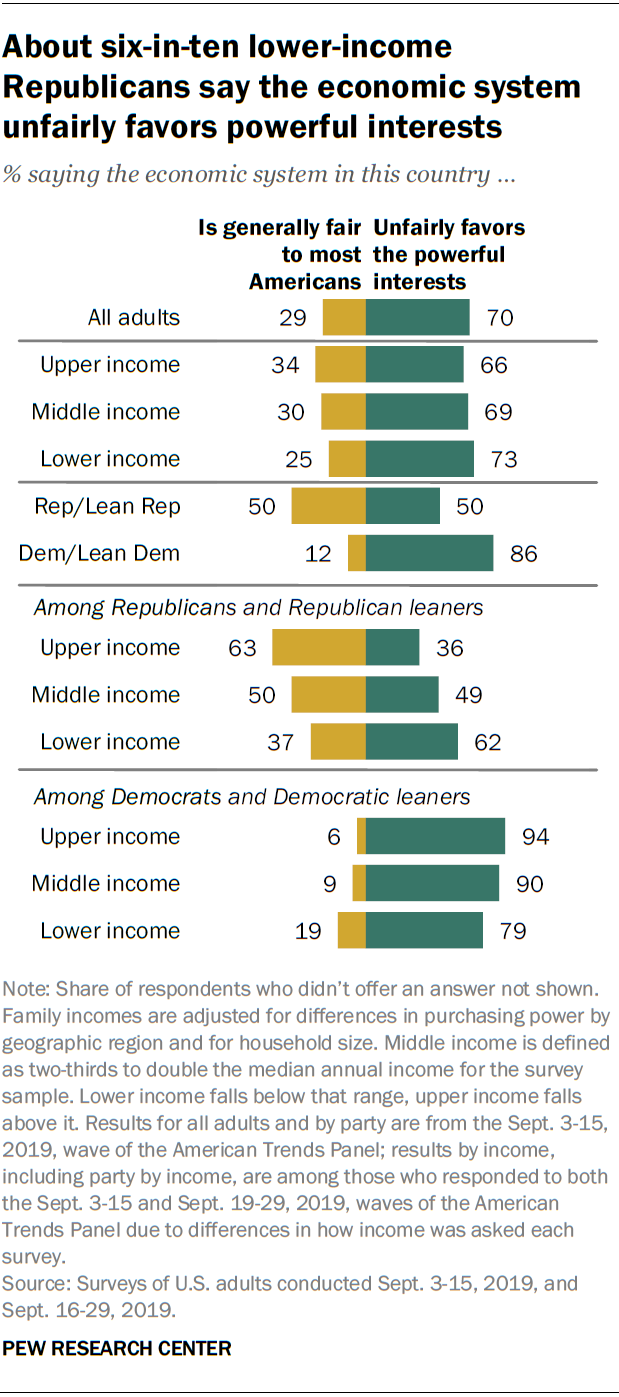
A persistent tension exists between maximizing economic efficiency through free markets and achieving greater social equity through government policies. Debates around wealth redistribution, the scope of the social safety net, corporate taxation, and regulatory burdens often reflect this fundamental conflict. Financial professionals and individuals alike must stay attuned to these policy discussions, as they can significantly alter the economic landscape and impact personal and business finance.
Challenges and Adaptations in a Globalized World
The U.S. economy also operates within a highly globalized context. International trade, capital flows, and geopolitical events increasingly influence domestic economic conditions. This necessitates adaptations in policy and business strategy. The rise of new technologies, changing demographics, and evolving societal values also continuously reshape the economic system, requiring flexibility and forward-thinking from policymakers, businesses, and individuals in managing their financial futures.
In conclusion, the United States operates under a sophisticated mixed economic system. It harnesses the innovative power of capitalism while employing government intervention to address market failures, provide public goods, and maintain a degree of social welfare. For anyone involved with money – earning it, managing it, or investing it – a clear understanding of this intricate balance is not just academic, but profoundly practical.
aViewFromTheCave is a participant in the Amazon Services LLC Associates Program, an affiliate advertising program designed to provide a means for sites to earn advertising fees by advertising and linking to Amazon.com. Amazon, the Amazon logo, AmazonSupply, and the AmazonSupply logo are trademarks of Amazon.com, Inc. or its affiliates. As an Amazon Associate we earn affiliate commissions from qualifying purchases.