
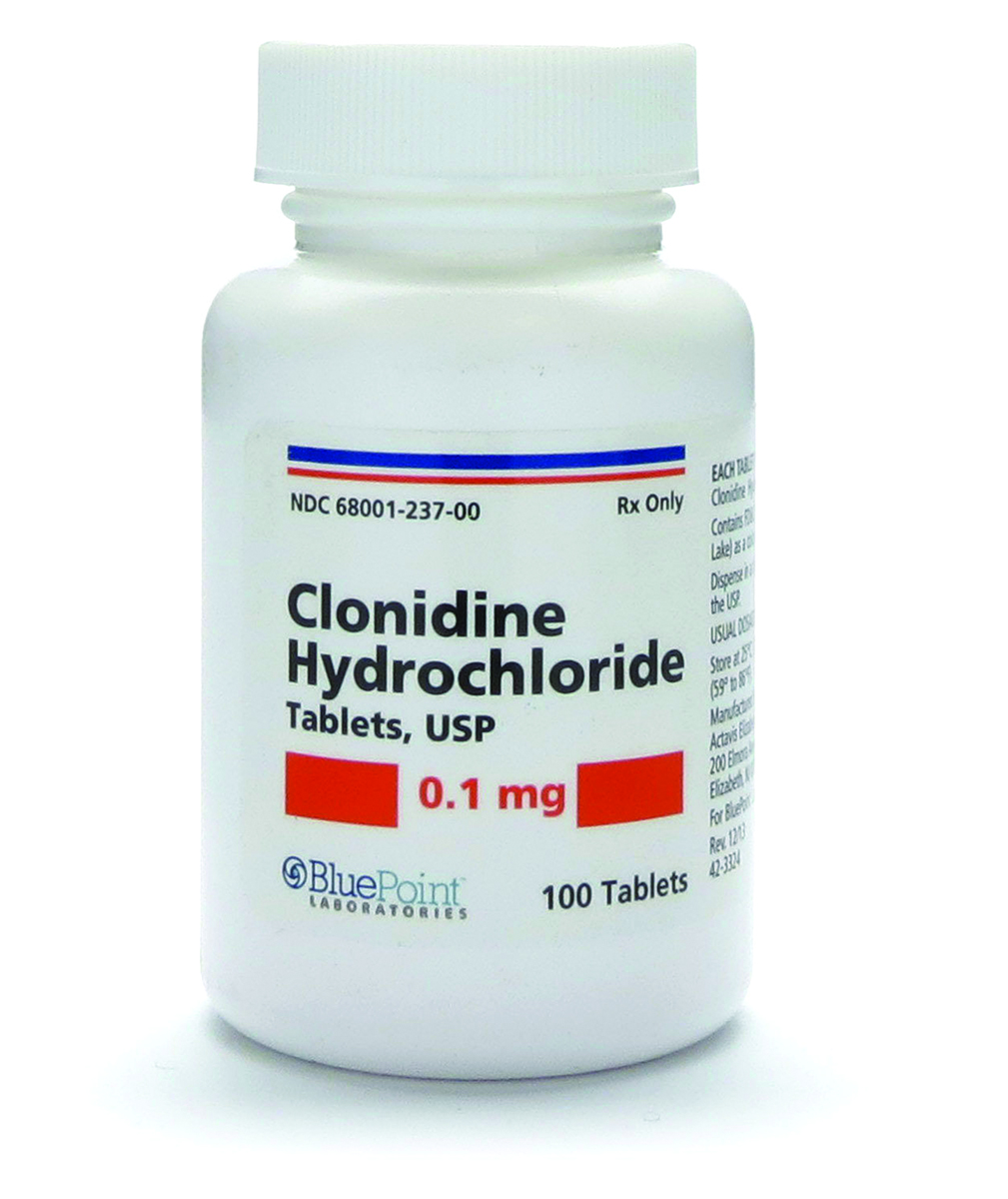
Clonidine, a name that might sound familiar to some, especially those navigating the complexities of certain medical conditions, is a medication with a multifaceted role in healthcare. Its classification and mechanism of action place it within a significant therapeutic category, offering solutions for a range of ailments. Understanding what type of drug clonidine is, how it works, and its various applications is crucial for both patients and healthcare professionals seeking to optimize treatment outcomes. This article delves into the specifics of clonidine, demystifying its pharmacological profile and its impact on various bodily systems.
Understanding Clonidine’s Pharmacological Classification
At its core, clonidine is classified as an alpha-2 adrenergic agonist. This designation is critical as it defines its primary mechanism of action within the body’s intricate nervous system. To fully grasp this, it’s important to understand the broader context of adrenergic agonists and the specific receptors they target.
Adrenergic Agonists: A Broad Category
Adrenergic agonists are a class of drugs that mimic the effects of endogenous catecholamines like epinephrine (adrenaline) and norepinephrine. These neurotransmitters and hormones play vital roles in the sympathetic nervous system, often referred to as the “fight or flight” response. They influence a wide array of physiological processes, including heart rate, blood pressure, respiration, and alertness.
Adrenergic agonists work by binding to adrenergic receptors, which are found on various cells throughout the body. There are two main types of adrenergic receptors: alpha (α) and beta (β), each with further subtypes (α1, α2, β1, β2, β3). The specific receptor a drug binds to determines its effects.
The Specificity of Alpha-2 Adrenergic Agonists
Clonidine distinguishes itself by primarily acting on alpha-2 adrenergic receptors. These receptors are predominantly found in the central nervous system (CNS), specifically in the brainstem and spinal cord. When clonidine binds to these alpha-2 receptors, it triggers a cascade of effects that are largely inhibitory.
In the CNS, alpha-2 receptors act as autoreceptors and heteroreceptors, meaning they can regulate the release of norepinephrine from the very neurons that release it. By stimulating these presynaptic alpha-2 receptors, clonidine effectively “puts the brakes” on the sympathetic nervous system. This leads to a reduction in sympathetic outflow from the brain, resulting in a decrease in heart rate, blood pressure, and overall sympathetic tone.
Central vs. Peripheral Action
While clonidine’s primary mechanism of action is central, it’s important to note that alpha-2 receptors are also present in peripheral tissues, albeit in lower concentrations. In some instances, clonidine can also exert peripheral effects, contributing to its overall therapeutic profile. However, its most pronounced and clinically significant effects stem from its action within the CNS.
The ability of clonidine to reduce sympathetic nervous system activity is the cornerstone of its therapeutic utility. This characteristic sets it apart from other alpha-adrenergic agonists that primarily target alpha-1 receptors, which tend to cause vasoconstriction and increase blood pressure.
Therapeutic Applications of Clonidine
The mechanism of action of clonidine—reducing sympathetic nervous system activity—lends itself to a diverse range of therapeutic applications. From managing chronic conditions to providing acute relief, clonidine has proven to be a valuable medication.
Hypertension Management
Perhaps the most well-known and historically significant use of clonidine is in the management of hypertension, or high blood pressure. By decreasing sympathetic outflow from the CNS, clonidine effectively lowers blood pressure. It achieves this by:
- Reducing peripheral vascular resistance: Less constriction of blood vessels means blood can flow more easily, lowering pressure.
- Decreasing heart rate and contractility: A slower, less forceful heartbeat reduces the overall workload on the cardiovascular system.
- Inhibiting renin release: Renin is an enzyme that plays a role in blood pressure regulation; its suppression further contributes to lower blood pressure.
Clonidine is often used as an adjunct therapy in cases of moderate to severe hypertension that are not adequately controlled by other medications. It can be particularly useful when a patient has other conditions that might benefit from sympathetic modulation. However, due to its potential side effects and the availability of newer, more targeted antihypertensive drugs, it is not typically a first-line agent for uncomplicated hypertension today.
Attention-Deficit/Hyperactivity Disorder (ADHD)

Beyond its cardiovascular benefits, clonidine has emerged as a significant treatment option for Attention-Deficit/Hyperactivity Disorder (ADHD). While stimulant medications are the mainstay for ADHD treatment, non-stimulant options like clonidine offer an alternative, particularly for individuals who experience significant side effects from stimulants or who have co-occurring conditions.
The exact mechanism by which clonidine benefits ADHD symptoms is not fully understood, but it is believed to involve its influence on noradrenergic pathways in the brain. Norepinephrine plays a crucial role in attention, focus, and impulse control. By modulating these pathways, clonidine can help to improve:
- Inattention: Enhancing the ability to focus and sustain attention.
- Impulsivity: Reducing impulsive behaviors and improving self-control.
- Hyperactivity: Decreasing excessive motor activity.
Clonidine is often prescribed in extended-release formulations for ADHD to provide consistent symptom control throughout the day. It can be used as a monotherapy or in combination with stimulant medications.
Other Neurological and Psychiatric Uses
The impact of clonidine on the central nervous system extends to several other neurological and psychiatric conditions:
- Tourette Syndrome: Clonidine can be effective in reducing the frequency and severity of tics associated with Tourette syndrome. By dampening neurological excitability, it helps to suppress involuntary movements.
- Anxiety Disorders: In some cases, clonidine has been used off-label to manage certain anxiety-related symptoms, particularly those related to hyperarousal or panic. Its calming effect can be beneficial.
- Opioid Withdrawal: Clonidine can be used to alleviate some of the uncomfortable symptoms of opioid withdrawal, such as anxiety, agitation, muscle aches, and sweating. It helps to manage the autonomic nervous system overactivity that characterizes withdrawal.
- Sleep Disorders: Due to its sedative properties, clonidine may be prescribed to help individuals with certain sleep disturbances, especially when those disturbances are linked to conditions like ADHD or anxiety.
Administration and Considerations
The way clonidine is administered and the potential side effects are critical aspects to consider when discussing its therapeutic use. Different formulations and administration routes offer flexibility, while a thorough understanding of adverse reactions is essential for patient safety.
Formulations and Administration Routes
Clonidine is available in several forms, allowing for tailored treatment approaches:
- Oral Tablets: This is the most common form, typically taken one to multiple times a day depending on the indication. Immediate-release tablets provide quicker onset of action, while extended-release formulations offer sustained symptom control.
- Transdermal Patches: These patches are applied to the skin and release clonidine gradually over several days (usually seven). This provides a consistent level of medication in the bloodstream, which can be beneficial for managing chronic conditions like hypertension and ADHD. Patches can also reduce the risk of dose-related side effects like sedation that might occur with oral administration.
- Intravenous (IV) Administration: In certain acute settings, such as managing hypertensive emergencies or during specific surgical procedures, clonidine may be administered intravenously. This allows for rapid control of blood pressure.
- Ophthalmic Solution: Clonidine eye drops are available for managing glaucoma. They work by reducing the production of aqueous humor in the eye, thereby lowering intraocular pressure.
The choice of formulation depends on the specific medical condition being treated, the desired speed of onset, the need for sustained release, and individual patient factors.

Potential Side Effects and Precautions
Like all medications, clonidine can cause side effects. It is crucial for patients to discuss these with their healthcare providers and to report any concerning symptoms. Common side effects include:
- Drowsiness and Sedation: This is one of the most frequent side effects, particularly at the start of treatment or with dose increases. Patients are advised to avoid activities requiring alertness until they know how the medication affects them.
- Dry Mouth: A persistent feeling of dryness in the mouth is common. Good oral hygiene and sugar-free candies can help alleviate this.
- Dizziness and Lightheadedness: This can occur due to the blood pressure-lowering effects. It is important to stand up slowly from a seated or lying position.
- Constipation: Clonidine can slow down intestinal motility, leading to constipation. Increasing fluid and fiber intake, and in some cases, laxatives, may be recommended.
- Fatigue: A general feeling of tiredness can be experienced.
- Headache: Some individuals may experience headaches.
More serious, though less common, side effects can occur and require immediate medical attention. These may include:
- Bradycardia (slow heart rate): If the heart rate becomes excessively slow.
- Hypotension (low blood pressure): If blood pressure drops too low, leading to fainting or severe dizziness.
- Rebound Hypertension: Abruptly stopping clonidine, especially after long-term use, can lead to a dangerous and rapid increase in blood pressure. It is imperative to taper off the medication gradually under medical supervision.
- Skin reactions: With transdermal patches, localized skin irritation or rash can occur.
Precautions: Clonidine should be used with caution in individuals with certain pre-existing conditions, such as severe heart disease, kidney impairment, or a history of depression. It can interact with other medications, so it’s vital for patients to inform their doctors about all drugs, supplements, and herbal products they are taking.
In summary, clonidine is a potent alpha-2 adrenergic agonist that exerts its effects primarily by modulating the central nervous system’s sympathetic outflow. Its classification as such underpins its efficacy in treating a range of conditions from hypertension to ADHD and Tourette syndrome. Understanding its varied applications, available formulations, and potential side effects is key to harnessing its therapeutic benefits safely and effectively.
aViewFromTheCave is a participant in the Amazon Services LLC Associates Program, an affiliate advertising program designed to provide a means for sites to earn advertising fees by advertising and linking to Amazon.com. Amazon, the Amazon logo, AmazonSupply, and the AmazonSupply logo are trademarks of Amazon.com, Inc. or its affiliates. As an Amazon Associate we earn affiliate commissions from qualifying purchases.