
Hair loss, a concern that touches millions, can extend beyond mere aesthetics. It can impact confidence, self-esteem, and even professional presentation. While the emotional toll is undeniable, understanding the medical and practical pathways to addressing hair loss is crucial. This article delves into the types of medical professionals you should consider when facing hair loss, and importantly, how the principles of tech, brand, and money intersect with your journey to a healthier head of hair.
The initial question, “what type of doctor for hair loss,” is straightforward, but the answer often leads to a more complex landscape. It’s not just about a diagnosis; it’s about a comprehensive approach that considers the underlying causes, the available treatments, and the financial implications, all while recognizing how we present ourselves professionally and personally – our “brand.”

The Medical Professionals: Decoding the Specialists
When faced with thinning hair or a receding hairline, your first instinct might be to seek a doctor. But which one? The specialized nature of medicine means different doctors focus on different areas. For hair loss, several key specialists come into play.
Heading 3: The Dermatologist: The Skin and Hair Expert
The most common and often the first specialist you’ll encounter for hair loss is a dermatologist. Dermatologists are physicians who specialize in conditions affecting the skin, hair, and nails. Hair loss, medically known as alopecia, is squarely within their purview.
Why a Dermatologist is Your Go-To:
- Diagnosis of Underlying Causes: Hair loss isn’t always as simple as genetics. A dermatologist can identify a wide range of causes, including:
- Androgenetic Alopecia (Pattern Hair Loss): The most common form, influenced by genetics and hormones.
- Telogen Effluvium: Temporary hair shedding often triggered by stress, illness, medication, or nutritional deficiencies.
- Alopecia Areata: An autoimmune condition where the body attacks hair follicles.
- Scalp Infections: Fungal infections like ringworm can lead to patchy hair loss.
- Traction Alopecia: Caused by excessive pulling on the hair from tight hairstyles.
- Nutritional Deficiencies: Lack of essential vitamins and minerals can impact hair growth.
- Thyroid Imbalances: Both an overactive and underactive thyroid can contribute to hair loss.
- Certain Medications: Some drugs have hair loss as a side effect.
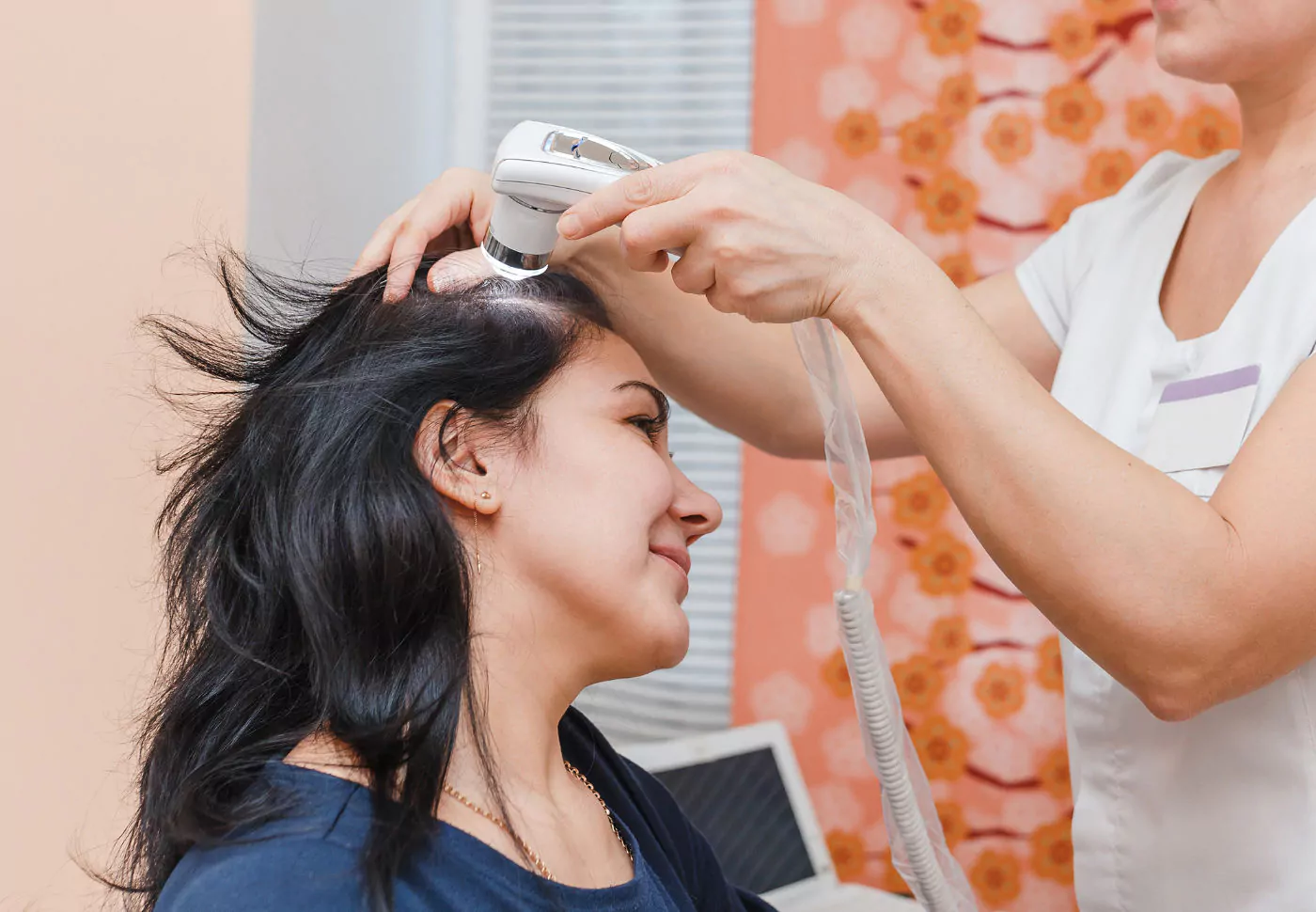
- Diagnostic Tools: Dermatologists utilize various tools to diagnose the cause of your hair loss. This can include:
- Scalp Examination: Visual inspection of the scalp and hair follicles.
- Hair Pull Test: Gently pulling on strands of hair to assess the amount of shedding.
- Blood Tests: To check for hormonal imbalances, nutritional deficiencies, or underlying medical conditions.
- Scalp Biopsy: In some cases, a small sample of scalp tissue may be taken for microscopic examination.
- Treatment Planning: Once a diagnosis is established, a dermatologist can recommend appropriate treatments. These can range from topical medications (like minoxidil) and oral medications (like finasteride) to corticosteroid injections for inflammatory conditions and advice on lifestyle changes. They can also guide you on surgical options like hair transplantation, referring you to a qualified surgeon.
Heading 3: The Trichologist: A Specialized Hair Scientist
While dermatologists are medical doctors with broad expertise, trichologists are specialists who focus exclusively on the science of hair and scalp health. They are not typically medical doctors but rather trained professionals in the study of hair loss and its treatment.
When to Consider a Trichologist:
- In-Depth Hair and Scalp Analysis: Trichologists often employ advanced diagnostic techniques, including high-resolution microscopic examination of hair and scalp, to provide a detailed understanding of hair follicle health and potential issues.
- Non-Medical Interventions: They may focus more on non-medical approaches, such as specialized scalp treatments, nutritional counseling, and lifestyle adjustments designed to optimize hair growth.
- Complementary Care: A trichologist can work alongside a dermatologist, offering a more focused approach to hair and scalp health that complements medical diagnoses and treatments. It’s important to note that trichologists do not prescribe medication.
Heading 3: Other Specialists: When Hair Loss is a Symptom
In some instances, hair loss might be a symptom of a broader systemic issue, requiring consultation with other medical professionals:
- Endocrinologist: If blood tests reveal hormonal imbalances, particularly related to the thyroid or reproductive hormones, an endocrinologist can help manage these underlying conditions, which in turn can help with hair regrowth.
- Nutritionist or Dietitian: If nutritional deficiencies are identified as a significant factor in your hair loss, a nutritionist can create a personalized dietary plan to ensure you’re getting the necessary vitamins, minerals, and proteins for healthy hair growth.
- Surgeons (Plastic or Hair Transplant Specialists): For individuals considering surgical hair restoration, such as follicular unit transplantation (FUT) or follicular unit extraction (FUE), consultation with a skilled plastic surgeon or a dedicated hair transplant surgeon is essential. They will assess your suitability for surgery, discuss the procedure, and manage the transplantation process.
Navigating the Tech Frontier: Innovations in Hair Loss Solutions
The intersection of technology and hair loss is a rapidly evolving space, offering new possibilities for diagnosis, treatment, and personal management.
Heading 3: AI-Powered Diagnostics and Personalized Treatment Plans

Artificial intelligence (AI) is making significant inroads into healthcare, and hair loss is no exception. AI algorithms can analyze vast datasets, including images of scalps and hair density, to assist in more accurate and early diagnoses.
- Image Analysis for Early Detection: AI-powered apps and software can analyze smartphone photos of your scalp to identify patterns of thinning and potential issues before they become visually obvious. This allows for earlier intervention, which is often more effective.
- Personalized Treatment Recommendations: By analyzing your specific hair loss patterns, genetics, and even lifestyle factors, AI can help tailor treatment recommendations. Instead of a one-size-fits-all approach, AI can suggest the most suitable medications, therapies, or even lifestyle changes for your unique situation.
- Monitoring Progress: Technology can be used to track the effectiveness of treatments over time. Regular image capture and AI analysis can provide objective data on hair density, thickness, and growth, helping you and your doctor adjust treatment strategies as needed.
Heading 3: Advanced Treatment Technologies
Beyond conventional medications, technology is driving innovation in treatment modalities:
- Low-Level Laser Therapy (LLLT): Devices utilizing LLLT, often in the form of combs, helmets, or caps, are designed to stimulate hair follicles and promote growth. These are increasingly accessible for home use, offering a convenient adjunct to other treatments.
- Platelet-Rich Plasma (PRP) Therapy: This regenerative medicine technique involves drawing your own blood, processing it to concentrate platelets, and then injecting this concentrated plasma into the scalp. The growth factors in platelets are believed to stimulate hair follicles. While often administered by medical professionals, the technology behind preparing and delivering PRP is continually improving.
- Minimally Invasive Hair Transplantation: Modern hair transplant techniques, like FUE, are highly sophisticated, utilizing specialized tools and precise extraction methods to achieve natural-looking results with minimal scarring. Robotic-assisted hair transplantation is also emerging, promising even greater precision.
The “Brand” of Your Hair: Perception and Presentation
In today’s visually driven world, our appearance, including our hair, plays a significant role in our personal and professional “brand.” Hair loss can impact how we are perceived, influencing confidence and even career progression.
Heading 3: Managing Perception and Confidence
- The Psychological Impact: Hair loss can lead to feelings of self-consciousness, anxiety, and even depression. Addressing the emotional aspects of hair loss is as important as the physical.
- Strategic Styling and Grooming: Working with hairstylists who understand hair loss can help you adopt styles that create an illusion of fullness and minimize the appearance of thinning. This is a form of personal branding – using what you have to your best advantage.
- Non-Surgical Camouflage Options: Products like hair fibers, scalp micropigmentation (SMP), and realistic wigs or hair systems offer immediate solutions for covering thinning areas, effectively bolstering your visual brand. SMP, in particular, is a technologically advanced cosmetic tattooing technique that mimics the appearance of shaved hair follicles.
Heading 3: Professional Presentation and Brand Identity
In many professions, a polished appearance is crucial. Visible hair loss can sometimes be a perceived detractor.
- Building Confidence for Professional Interactions: When you feel good about your appearance, it translates into more confident interactions in meetings, presentations, and networking events. Addressing hair loss, whether through treatment or styling, can be a strategic move for enhancing your professional brand.
- The Role of Hair in Brand Messaging: For individuals in public-facing roles or those building a personal brand, hair can be an integral part of their image. Making informed decisions about hair loss management supports the overall integrity and strength of their brand.
The Financial Investment: Money Matters in Hair Restoration
Addressing hair loss often involves a financial commitment, and understanding the costs associated with various treatments is essential for making informed decisions.
Heading 3: Evaluating Treatment Costs and ROI
- Medications: Topical and oral medications like minoxidil and finasteride are generally the most affordable long-term solutions. Their costs are recurring, so it’s important to factor this into your budget.
- Therapies and Procedures: LLLT devices, PRP injections, and scalp micropigmentation represent moderate to significant investments. The cost of PRP can vary widely depending on the clinic and the number of sessions required. SMP is a one-time or semi-permanent procedure with a substantial upfront cost.
- Surgical Hair Transplantation: This is typically the most expensive option for hair loss. The cost is highly variable, depending on the number of grafts required, the technique used, and the surgeon’s reputation and location. It’s crucial to view this as a significant investment with the potential for long-term, natural-looking results.
Heading 3: Smart Financial Planning for Hair Health
- Insurance Coverage: While cosmetic procedures are rarely covered by insurance, some treatments for underlying medical conditions causing hair loss (like thyroid issues) might be. It’s worth investigating your insurance policy.
- Budgeting for Long-Term Solutions: Consider the long-term financial implications of any treatment. Some treatments require ongoing costs, while others are a one-time or infrequent expense.
- Seeking Value and Quality: When investing in hair loss solutions, especially surgical procedures, prioritize quality and expertise over the cheapest option. A well-executed procedure can yield better results and avoid costly revisions. Researching clinics, looking at before-and-after photos, and reading patient reviews are crucial steps.
- Considering Side Hustles or Financial Tools: If the cost of effective treatments is a barrier, explore options for increasing your income or optimizing your finances. This could involve leveraging side hustles, investing wisely, or utilizing financial planning tools to free up capital for your hair health goals.
In conclusion, when asking “what type of doctor for hair loss,” the answer often begins with a dermatologist but can extend to a multidisciplinary approach involving trichologists, endocrinologists, nutritionists, and surgeons. By understanding the medical pathways, embracing the technological advancements, consciously managing your personal brand, and making smart financial decisions, you can navigate the journey of addressing hair loss with greater confidence and achieve the best possible outcomes for your hair and your overall well-being.
aViewFromTheCave is a participant in the Amazon Services LLC Associates Program, an affiliate advertising program designed to provide a means for sites to earn advertising fees by advertising and linking to Amazon.com. Amazon, the Amazon logo, AmazonSupply, and the AmazonSupply logo are trademarks of Amazon.com, Inc. or its affiliates. As an Amazon Associate we earn affiliate commissions from qualifying purchases.