
Autism Spectrum Disorder (ASD) is a complex neurodevelopmental condition that affects how a person interacts with others, communicates, learns, and behaves. Receiving an accurate diagnosis is a critical first step for individuals and families seeking understanding, support, and appropriate interventions. However, navigating the healthcare system to find the right specialist can feel daunting, especially given the multifaceted nature of autism. While there isn’t a single “autism doctor” who exclusively diagnoses the condition, several medical professionals are equipped and trained to identify and assess ASD. This article will explore the types of doctors involved in diagnosing autism, the diagnostic process, and how understanding this landscape can empower individuals to seek the best possible care.
Understanding the Diagnostic Journey: Who is Involved?
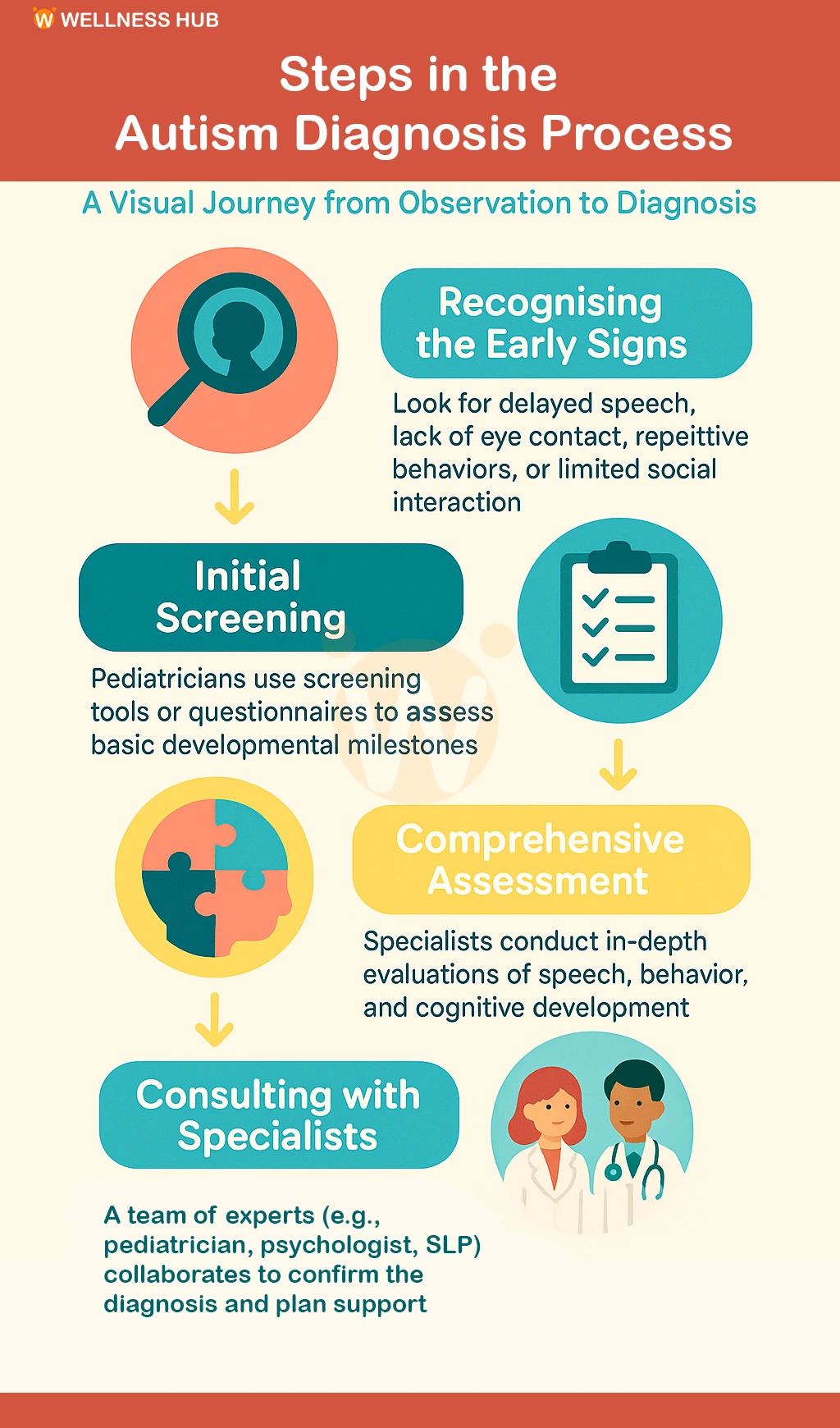
The diagnosis of autism is typically a collaborative effort involving a team of professionals who utilize a combination of clinical observation, developmental history, and standardized assessments. This multidisciplinary approach ensures a comprehensive evaluation, as autism presents with a wide range of symptoms and can co-occur with other conditions.
Pediatricians: The First Line of Defense
For most children, the journey to an autism diagnosis begins with their pediatrician. Pediatricians are general medical doctors specializing in the health and well-being of infants, children, and adolescents. They are trained to monitor developmental milestones and are often the first to notice potential signs of autism during routine well-child check-ups.
During these visits, pediatricians will ask parents about their child’s social interactions, communication skills, and behaviors. They use screening tools, such as the Modified Checklist for Autism in Toddlers (M-CHAT) or the Social Communication Questionnaire (SCQ), to identify children who may be at risk for developmental delays or autism. If a pediatrician has concerns, they will typically refer the child to a specialist for a more in-depth evaluation. This referral is a crucial step in ensuring that potential signs are not overlooked and that a child receives timely assessment.
It’s important to remember that a pediatrician’s initial screening is not a definitive diagnosis but rather an indicator that further evaluation is warranted. Their role is pivotal in initiating the diagnostic process and guiding families toward the appropriate specialists.
Developmental-Behavioral Pediatricians: Specialists in Child Development
Developmental-behavioral pediatricians are board-certified pediatricians who have undergone additional specialized training in diagnosing and managing developmental and behavioral disorders in children. This makes them highly qualified to assess for autism spectrum disorder. They possess a deep understanding of typical child development and are adept at identifying deviations from this norm.
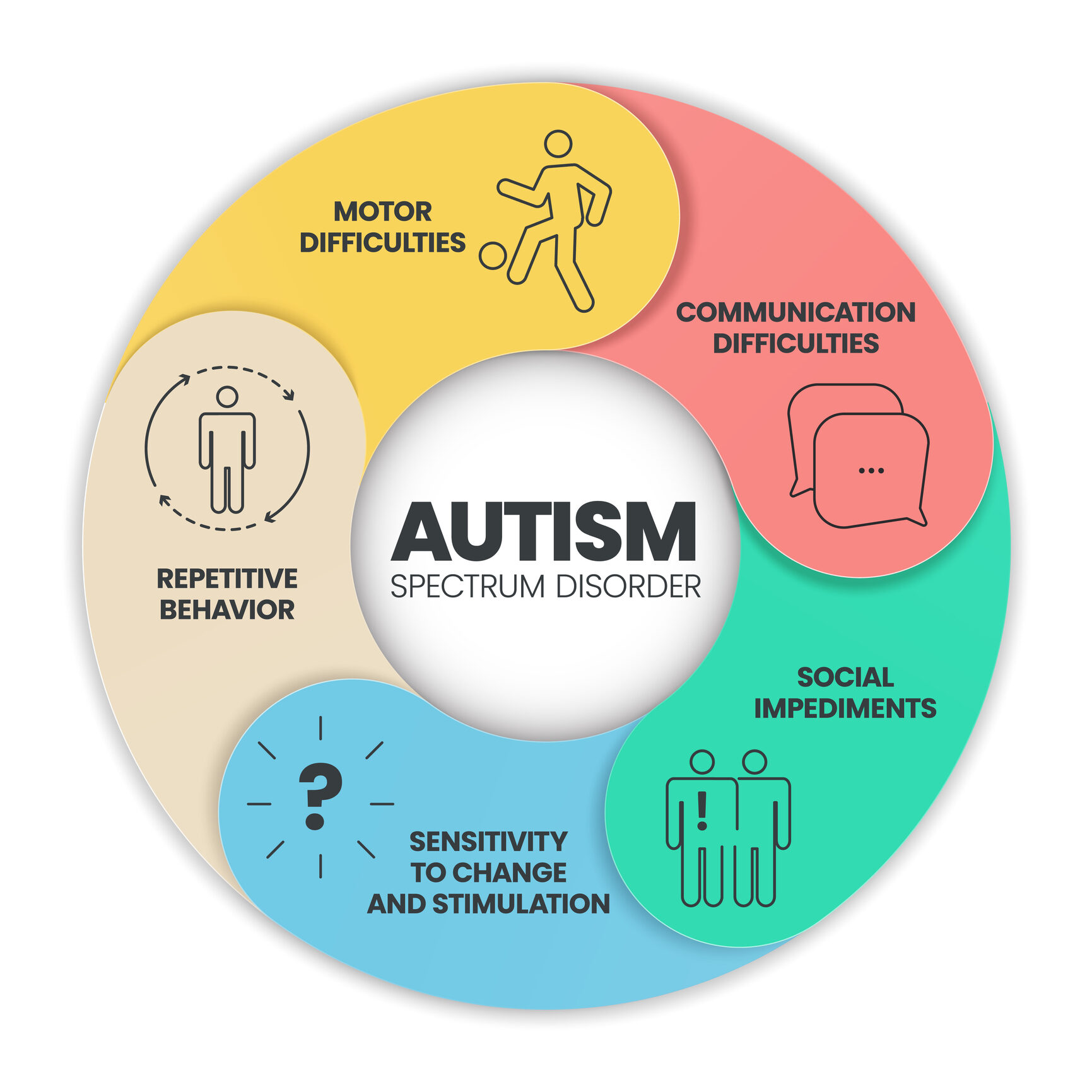
These specialists utilize a variety of assessment tools and techniques, including direct observation of the child’s behavior, interviews with parents and caregivers, and standardized diagnostic instruments. They meticulously examine a child’s social communication abilities, repetitive behaviors, restricted interests, and sensory sensitivities. Their comprehensive approach allows them to differentiate autism from other developmental conditions that might present with similar symptoms.
Developmental-behavioral pediatricians often work in specialized clinics or hospital settings, and their expertise is invaluable in providing a thorough and accurate diagnosis. They are also skilled in developing individualized intervention plans tailored to the specific needs of each child.
Child and Adolescent Psychiatrists: Mental Health Experts
Child and adolescent psychiatrists are medical doctors who specialize in the diagnosis and treatment of mental health conditions in children and adolescents. Their training encompasses a broad understanding of child development, psychology, and psychopathology. They are well-equipped to diagnose autism, particularly when it co-occurs with other mental health conditions such as anxiety, depression, or Attention-Deficit/Hyperactivity Disorder (ADHD).
These specialists conduct comprehensive psychiatric evaluations, which include gathering detailed information about the child’s developmental history, family history of mental health conditions, and current behavioral patterns. They also administer diagnostic interviews and observe the child’s interactions. Child psychiatrists play a crucial role in assessing the emotional and behavioral aspects of autism and in managing any co-occurring mental health challenges.
Their ability to consider the interplay between autism and other psychiatric conditions makes them integral members of the diagnostic team. They can also prescribe medication if necessary to manage specific symptoms, such as hyperactivity or anxiety, that may be associated with autism.
Child Psychologists: Behavioral and Cognitive Assessments
Child psychologists are doctoral-level professionals who specialize in the psychological development, behavior, and mental health of children. While they do not prescribe medication, they are highly skilled in conducting comprehensive psychological assessments, which are fundamental to the autism diagnostic process.
Child psychologists utilize a range of assessment tools, including structured interviews, behavioral observations, and standardized cognitive and developmental tests. They focus on evaluating a child’s social cognition, communication abilities, play skills, and sensory processing. Psychologists are particularly adept at administering and interpreting tools like the Autism Diagnostic Observation Schedule (ADOS-2), a semi-structured assessment that observes a child’s behavior in a play-based setting.
Their expertise in understanding child behavior and cognitive functioning allows them to provide a detailed profile of a child’s strengths and challenges, which is essential for an accurate autism diagnosis. They also contribute significantly to developing behavioral interventions and therapeutic strategies.
Neurologists: Focus on the Brain
Child neurologists are medical doctors who specialize in disorders of the nervous system in children. While they may not be the primary diagnosticians for autism in all cases, they are often involved, especially when there are concerns about underlying neurological conditions that may co-exist with or mimic autism symptoms.
Neurologists conduct thorough neurological examinations to assess reflexes, muscle tone, coordination, and other neurological functions. They may also order neuroimaging studies, such as MRI or EEG, to rule out other neurological conditions that could be contributing to a child’s developmental challenges. In some instances, a neurologist may identify or rule out conditions like epilepsy or genetic disorders that can affect development and behavior.
Their involvement ensures that the diagnostic process considers the biological underpinnings of a child’s development and behavior, providing a more holistic view.

Other Professionals on the Diagnostic Team
Beyond these core specialists, other professionals may contribute to the diagnostic process or the subsequent intervention plan:
- Speech-Language Pathologists (SLPs): SLPs are experts in communication and swallowing disorders. They play a vital role in assessing a child’s verbal and non-verbal communication skills, understanding language development, and identifying challenges with social pragmatics – the social rules of language.
- Occupational Therapists (OTs): OTs help individuals develop, recover, or improve the skills needed for daily living and working. For children with autism, OTs can assess and address challenges with sensory processing, fine and gross motor skills, and self-care abilities.
- Geneticists: In some cases, genetic testing may be recommended to identify specific genetic conditions that are associated with autism. Geneticists can interpret these results and advise on their implications.
The Diagnostic Process: A Multi-faceted Evaluation
The diagnosis of autism is not based on a single test or observation. Instead, it involves a comprehensive evaluation that typically includes:
Developmental History and Parent Interviews
A crucial part of the diagnostic process is gathering a detailed developmental history from parents or caregivers. This involves discussing the child’s milestones from birth, including their communication development, social interactions, play patterns, and any behavioral concerns noticed over time. Open and honest communication with the professionals involved is paramount during this stage.
Direct Observation and Behavioral Assessments
Professionals will observe the child’s behavior in various settings, often through structured play-based assessments. Tools like the ADOS-2 are designed to elicit social and communicative behaviors and assess the child’s responses to specific social situations. These observations help clinicians understand how the child interacts with others, their engagement in play, and any repetitive or restricted behaviors.
Standardized Diagnostic Tools and Screenings
Numerous standardized diagnostic tools and screening questionnaires are used to help identify and confirm an autism diagnosis. These tools are designed to measure specific areas of development and behavior associated with autism. Examples include the Autism Diagnostic Interview-Revised (ADI-R), which is a semi-structured interview with parents, and various questionnaires for parents and teachers to complete.
Ruling Out Other Conditions
It’s important to note that the diagnostic process also involves ruling out other conditions that may present with similar symptoms. This can include intellectual disabilities, language disorders, ADHD, anxiety disorders, or sensory processing disorders. The collaborative approach of the diagnostic team helps to ensure that all potential factors are considered.
Finding the Right Doctor and Navigating the System
Identifying the right type of doctor and navigating the healthcare system for an autism diagnosis can be challenging. Here are some tips:
Start with Your Primary Care Physician
As mentioned, your child’s pediatrician or your primary care physician is often the best starting point. They can perform initial screenings and provide referrals to specialists within your insurance network or local healthcare system.
Seek Specialized Clinics and Centers
Many hospitals and universities have specialized developmental clinics or autism centers that offer comprehensive diagnostic services. These centers often house a multidisciplinary team of experts, ensuring a thorough and integrated evaluation.
Understand Your Insurance Coverage
Before scheduling appointments, it’s crucial to understand your health insurance coverage for diagnostic evaluations and potential therapies. Contact your insurance provider to inquire about coverage for developmental assessments, psychological testing, and speech or occupational therapy.
Advocate for Your Child
As a parent or caregiver, you are your child’s strongest advocate. Be prepared to share detailed information about your child’s development and behaviors. Don’t hesitate to ask questions and express your concerns clearly to the professionals involved.
Conclusion: A Journey Towards Understanding and Support
The journey to diagnosing autism is a multifaceted one, involving a range of medical and psychological professionals. From the initial screenings by pediatricians to the in-depth evaluations by developmental-behavioral pediatricians, child psychiatrists, and child psychologists, each specialist plays a vital role. By understanding the expertise of these various doctors and the comprehensive nature of the diagnostic process, families can be better equipped to seek the appropriate evaluations and support for individuals on the autism spectrum. The ultimate goal of diagnosis is not just a label, but a gateway to understanding, personalized interventions, and a more fulfilling life.
aViewFromTheCave is a participant in the Amazon Services LLC Associates Program, an affiliate advertising program designed to provide a means for sites to earn advertising fees by advertising and linking to Amazon.com. Amazon, the Amazon logo, AmazonSupply, and the AmazonSupply logo are trademarks of Amazon.com, Inc. or its affiliates. As an Amazon Associate we earn affiliate commissions from qualifying purchases.