
Spain, a cornerstone of the European economy and one of the world’s most popular travel destinations, operates within a sophisticated financial ecosystem. For anyone planning a visit, considering a property investment, or looking to do business within its borders, understanding the local currency and the nuances of the Spanish financial landscape is essential. Since January 1, 1999, Spain has used the Euro (€) as its official currency, fully replacing the Spanish Peseta in early 2002. This transition not only streamlined trade within the European Union but also fundamentally changed how individuals manage their personal finances when navigating the Iberian Peninsula.
The Evolution of Spanish Currency: From Peseta to Euro
The journey to the Euro was a significant milestone in Spain’s modern economic history. Before the Euro, the Peseta was the lifeblood of Spanish commerce for over a century. Introduced in 1868, the Peseta saw the country through various political regimes and economic cycles. However, as Spain sought deeper integration with the European project, the move toward a unified currency became a strategic priority.
On January 1, 2002, Euro banknotes and coins were introduced into circulation. For a brief period, both the Peseta and the Euro were accepted, but by March of that year, the Euro became the sole legal tender. This shift eliminated exchange rate risks for tourists coming from other Eurozone countries and stabilized the inflationary pressures that had historically plagued the Peseta.
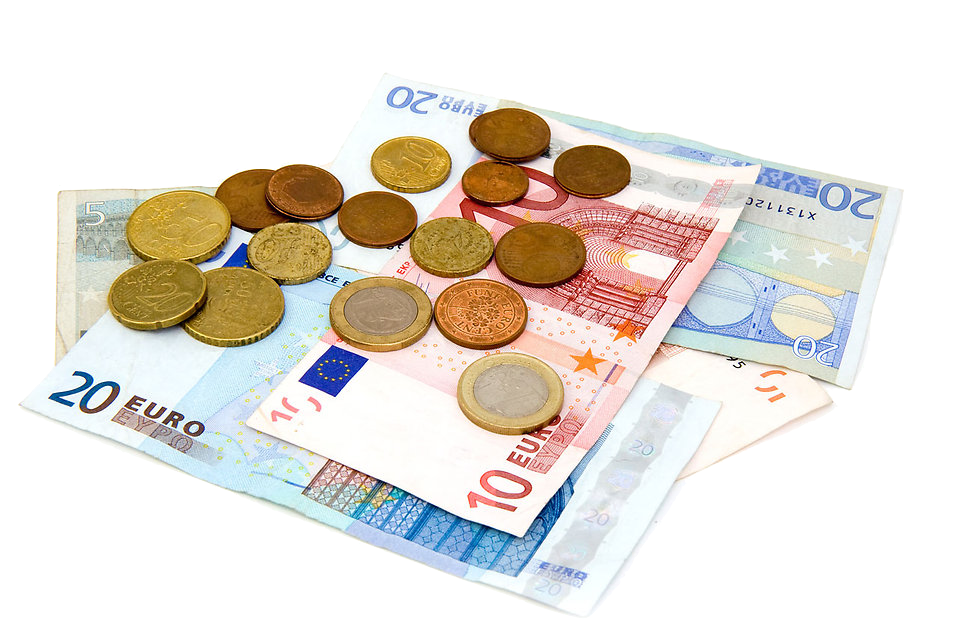
Today, the Euro is managed by the European Central Bank (ECB) in Frankfurt, in collaboration with the Banco de España (the Bank of Spain). While the banknotes are identical across all Eurozone countries, each nation issues its own coins with a unique national side. Spanish Euro coins feature images of King Felipe VI, the writer Miguel de Cervantes, and the Cathedral of Santiago de Compostela. Despite these aesthetic differences, all Euro coins minted in Spain are valid currency throughout the entire Eurozone.
Understanding Denominations and Circulation
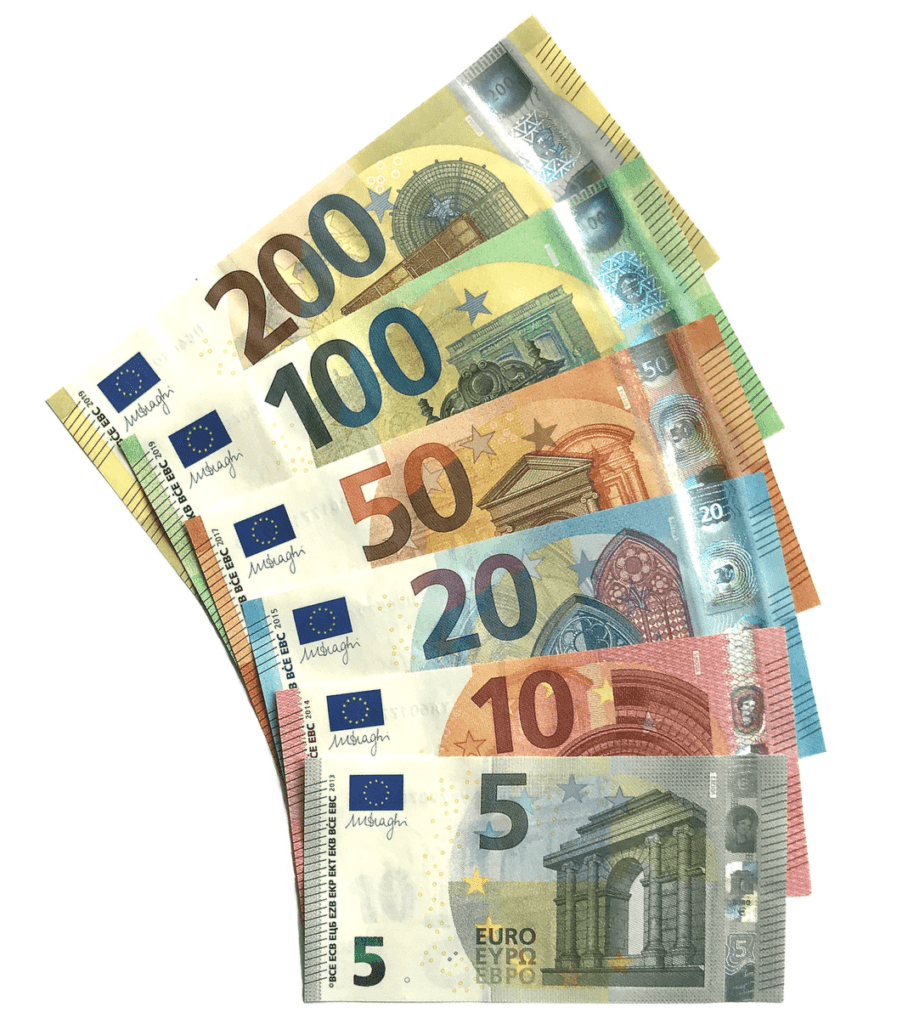
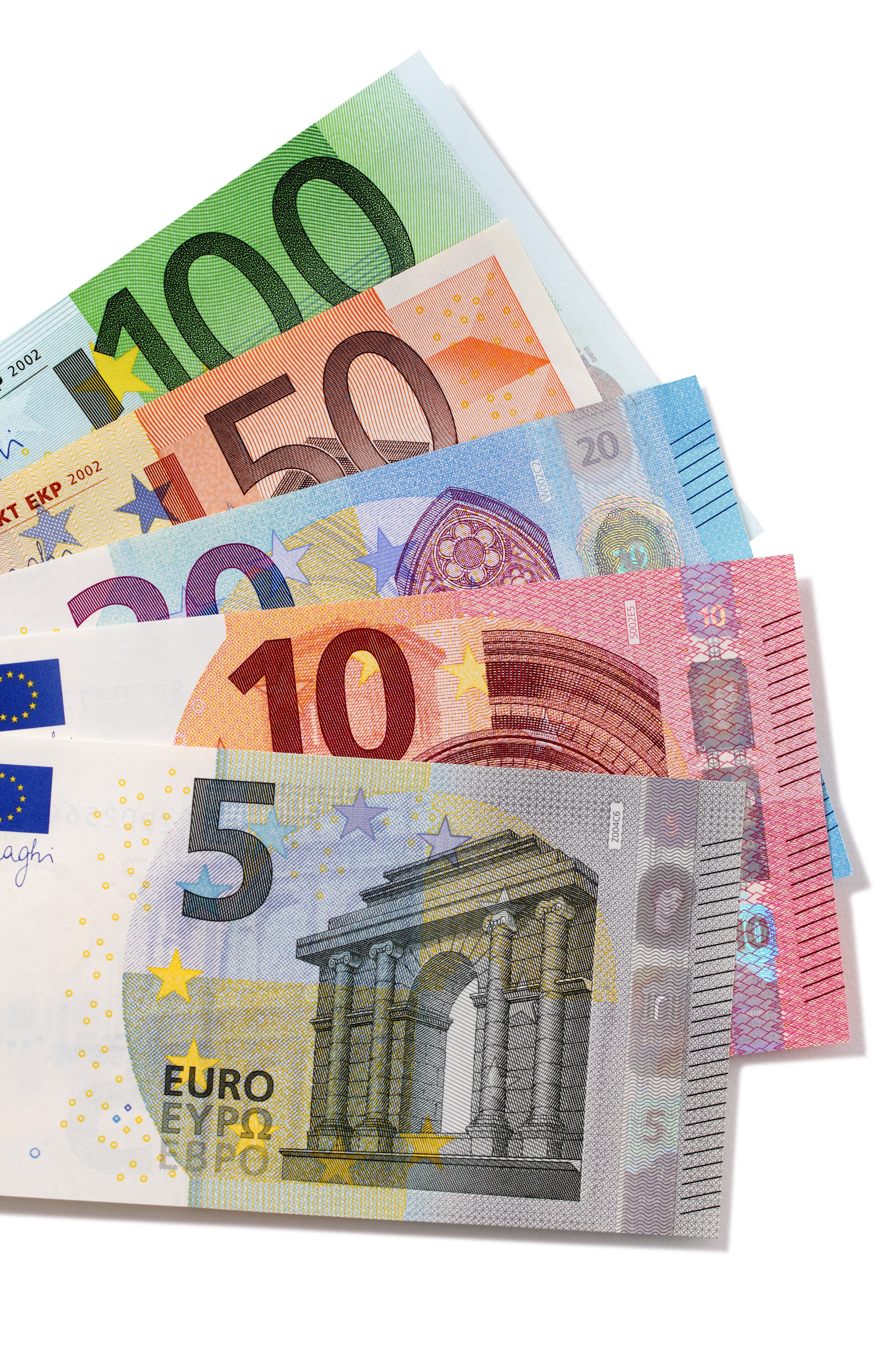
The Euro is divided into 100 cents. In Spain, you will find coins in denominations of 1, 2, 5, 10, 20, and 50 cents, as well as €1 and €2 coins. Banknotes are issued in denominations of €5, €10, €20, €50, €100, €200, and €500.
From a practical personal finance perspective, it is important to note that while high-denomination notes like the €200 and €500 exist, they are rarely used in daily transactions. Many small businesses, cafes, and local markets in Spain may refuse to accept notes larger than €50 due to security concerns and lack of change. For a smooth financial experience, it is advisable to carry smaller denominations for everyday purchases.
Navigating the Digital Payment Landscape in Spain
Spain has undergone a rapid digital transformation over the last decade, moving away from a cash-heavy society toward a highly integrated digital payment ecosystem. For those accustomed to modern financial tools, Spain offers a seamless experience, though some regional nuances remain.
The Rise of Contactless and Mobile Payments
Contactless payments, often referred to as “contactless” or “pagos con tarjeta,” are the standard in urban centers like Madrid, Barcelona, Valencia, and Seville. Most Point of Sale (POS) terminals in Spain are equipped with Near Field Communication (NFC) technology, allowing users to pay with physical cards, smartphones, or wearable devices. Apple Pay, Google Pay, and Samsung Pay are widely accepted in supermarkets, retail stores, and even many small boutiques.
One unique feature of the Spanish digital finance scene is Bizum. Bizum is a real-time, mobile-to-mobile payment platform integrated directly into the apps of most Spanish banks. While primarily used for peer-to-peer transfers (similar to Venmo or Splitwise), an increasing number of small businesses and online retailers now accept Bizum as a primary payment method. For long-term residents or those opening a local bank account, Bizum is an indispensable tool for managing daily expenses.
Credit Cards and Transaction Etiquette
Visa and Mastercard are the most widely accepted credit and debit card networks in Spain. American Express is accepted in major hotels and high-end restaurants but may be rejected by smaller establishments due to higher merchant fees.
A critical financial tip for international visitors: when paying by card, you may be asked if you want to pay in “Euros” or your “Home Currency.” This is known as Dynamic Currency Conversion (DCC). Historically, choosing your home currency results in a significantly poorer exchange rate and additional hidden fees. To ensure you are getting the best market rate, always opt to be charged in the local currency (Euros) and let your own bank handle the conversion.
Strategic Currency Exchange and Avoiding Hidden Fees
Managing currency exchange is often where travelers and international investors lose the most money. To optimize your personal finance while in Spain, it is vital to understand where and how to exchange currency.
ATMs and “Cajeros”
ATMs, known locally as cajeros automáticos, are ubiquitous in Spain. Using an ATM is generally the most cost-effective way to obtain Euro cash, provided you use the right strategy. Local banks such as CaixaBank, Santander, and BBVA have extensive networks.
However, many “tourist” ATMs—often found in convenience stores or near major landmarks—charge exorbitant withdrawal fees. To minimize costs, use ATMs located at actual bank branches. Furthermore, check if your home bank has a partnership with a Spanish bank to waive international withdrawal fees. Using fintech apps like Revolut, Wise, or Monzo can also provide mid-market exchange rates with minimal to no fees on the first few hundred Euros withdrawn each month.
Currency Exchange Offices (Casas de Cambio)
While you will find currency exchange offices at airports and in city centers, they rarely offer the most competitive rates. Airport kiosks are notorious for high margins. If you must use a physical exchange service, look for those in the city center that clearly display their “buy” and “sell” rates and ensure they do not charge an additional flat commission fee.
The Cost of Living and Budgeting
Understanding the currency is only half the battle; knowing its purchasing power is equally important. Spain remains relatively affordable compared to Northern European neighbors or major US cities.
- A “Menú del Día”: A three-course lunch can range from €12 to €18.
- Coffee: An “espresso” or “café con leche” usually costs between €1.50 and €2.50.
- Public Transport: A single metro ride in major cities is approximately €1.50 to €2.20, though multi-trip cards offer significant savings.
Financial Regulations and Taxes for the International Visitor
Navigating Spain’s currency also involves understanding the regulatory and tax environment, especially regarding high-value transactions and value-added tax (IVA).
The IVA (Value Added Tax)
In Spain, the standard Value Added Tax (IVA) is 21%. This is almost always included in the displayed price of goods and services. For non-European Union residents, there is a significant financial opportunity: Tax-Free Shopping. If you purchase items (such as clothing or electronics) to take back to your home country, you can claim a refund on the IVA. Look for the “Tax-Free” sign in shop windows and ensure you get the necessary paperwork and digital validation at the airport before departing the EU.
Cash Transaction Limits
In an effort to combat money laundering and the underground economy, the Spanish government has implemented strict limits on cash transactions. As of recent regulations, payments in cash for transactions where one of the parties acts as a professional or business are limited to €1,000. This is a crucial piece of information for anyone looking to make significant purchases or investments in Spain. For transactions exceeding this amount, bank transfers or card payments are mandatory.
Capital Controls and Declaration
If you are entering or leaving Spain with €10,000 or more in cash (or the equivalent in foreign currency), you are legally required to declare it to the Spanish Customs (Aduanas). Failure to do so can lead to the seizure of funds and heavy fines. This applies to physical cash, checks, and even certain types of gold.
The Future of Money in Spain: Fintech and Digital Trends
As we look toward the future, the way currency is used in Spain continues to evolve. The country is currently a participant in the European Central Bank’s investigation into a “Digital Euro.” This Central Bank Digital Currency (CBDC) would complement cash, providing a secure, electronic means of payment for all Eurozone citizens.
Furthermore, Spain has become a hub for fintech innovation. With a robust regulatory framework under the Bank of Spain, new digital banks and investment platforms are flourishing. For those living in Spain, the shift toward “cashless” is nearly complete in urban areas, though the cultural value of carrying a few Euro coins for a quick “tapa” or a tip remains a charming vestige of the traditional economy.
In conclusion, while the Euro is the tool of trade, the strategy for managing it requires a blend of traditional wisdom and modern technology. By avoiding the traps of Dynamic Currency Conversion, leveraging fintech for exchange rates, and understanding the local tax and limit regulations, you can ensure that your financial experience in Spain is as smooth as a Mediterranean breeze. Whether you are spending a few Euros on a glass of Rioja or transferring thousands for a villa on the Costa del Sol, being currency-literate is your greatest asset in the Spanish market.
aViewFromTheCave is a participant in the Amazon Services LLC Associates Program, an affiliate advertising program designed to provide a means for sites to earn advertising fees by advertising and linking to Amazon.com. Amazon, the Amazon logo, AmazonSupply, and the AmazonSupply logo are trademarks of Amazon.com, Inc. or its affiliates. As an Amazon Associate we earn affiliate commissions from qualifying purchases.