
In the world of consumer packaged goods (CPG), few products have undergone a transformation as radical as cottage cheese. To understand what type of cheese cottage cheese is, one must look beyond the curds and whey and examine its identity through the lens of brand strategy. For decades, cottage cheese was relegated to the “diet food” aisles of the 1970s, associated with blandness and restriction. Today, it is a billion-dollar powerhouse, a viral social media sensation, and a staple of high-performance nutrition. This evolution provides a profound case study in how brand positioning, product identity, and market adaptation can revive a legacy category.

Defining the Product Identity: More Than Just Curds
To analyze the branding of cottage cheese, we must first establish its technical and market identity. In the culinary and manufacturing world, cottage cheese is classified as a “fresh cheese.” Unlike cheddar, parmesan, or brie, it does not undergo an aging or ripening process. This fundamental characteristic—freshness—is the cornerstone of its modern brand value proposition.
The Fresh Cheese Classification
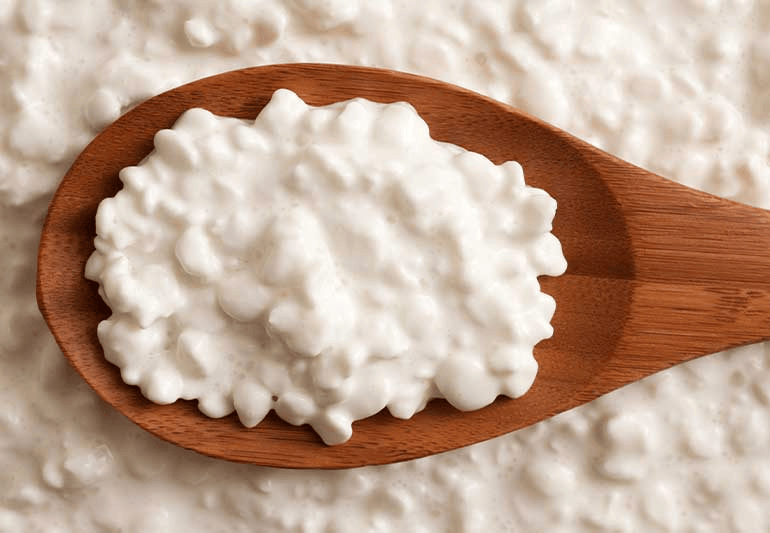
From a technical standpoint, cottage cheese is a curdled milk product with a mild flavor profile. It is made by adding an acid or culture to milk, which separates the solids (curds) from the liquids (whey). Because it is unaged and retains a high moisture content, it carries a “clean label” appeal that modern brands lean into heavily. In branding terms, its “fresh” status allows companies to market it as a less processed, more natural alternative to stabilized or highly preserved dairy products.
The Composition of Texture and Transparency
The physical makeup of cottage cheese—specifically the size of the curds (small curd vs. large curd)—has become a significant point of brand differentiation. Historically, the texture was a barrier for many consumers. However, savvy brands have turned this “flaw” into a feature by emphasizing artisanal production methods. By focusing on the transparency of the ingredients—milk, cream, and sea salt—brands are able to position the product as a “whole food,” aligning with the transparency trends currently dominating the food and beverage industry.
The Evolution of Cottage Cheese Branding: From Deprivation to Optimization
The history of cottage cheese branding is a tale of two extremes. For mid-century consumers, the product was marketed as a low-calorie filler—a tool for weight loss that emphasized what the product wasn’t (high in fat or calories). This negative positioning eventually led to a stagnant market. The modern era, however, has seen a pivot toward “positive nutrition.”
From 70s Diet Fad to Modern Superfood
In the 1970s, cottage cheese was the face of the “diet plate.” The branding was clinical, utilitarian, and uninspired. The visual identity of cottage cheese brands during this era featured muted colors and emphasized “low-fat” or “non-fat” labels. This created a brand perception of deprivation.
In the last five years, however, the narrative has shifted toward “optimization.” Instead of being marketed for what it lacks, it is now marketed for what it provides: high protein, probiotics, and versatility. Brands have successfully transitioned the product from a “sad diet food” to a “powerhouse ingredient,” tapping into the burgeoning wellness and biohacking communities.
Breaking the “Bland” Stigma
One of the greatest challenges in cottage cheese branding was overcoming the “blandness” factor. Brand strategists solved this by repositioning the product as a “blank canvas.” Through sophisticated marketing campaigns, cottage cheese is no longer presented as a standalone bowl of white curds. Instead, it is branded as the secret ingredient in high-protein pancakes, creamy pasta sauces, and even ice cream. This shift in usage-case branding expanded the target demographic from the “dieter” to the “culinary innovator” and “fitness enthusiast.”
Strategic Positioning in the High-Protein Market
The resurgence of cottage cheese is not an accident; it is the result of strategic alignment with the “Protein Gold Rush.” As consumers move away from high-carb diets and seek sustainable, whole-food protein sources, cottage cheese brands have positioned themselves as the superior choice over Greek yogurt or protein powders.
Leveraging the Wellness Trend
Modern brand strategy focuses on “functional benefits.” Cottage cheese brands today highlight specific health markers such as casein protein content (which digests slowly) and live active cultures (probiotics). By adopting the language of the supplement industry, cottage cheese has gained a “health halo.” This allows brands to command premium pricing, as consumers are no longer just buying cheese; they are buying a performance-enhancing tool for their lifestyle.
Targeting Gen Z and Millennials through Social Media
The rebranding of cottage cheese has been largely fueled by organic and influencer-led marketing on platforms like TikTok and Instagram. Brands that once relied on traditional newspaper coupons have shifted their spend to “social listening” and community engagement. When “cottage cheese bread” or “mustard and cottage cheese” went viral, brands like Good Culture and Muuna (before its exit) were quick to lean into these trends. This agility allowed the category to penetrate the younger demographic, effectively “aging down” the consumer base and ensuring long-term brand relevance.
Case Studies of Market Leaders: Setting the Standard
To understand the success of the cottage cheese revival, one must look at the specific brands that disrupted the category. These companies moved away from the corporate identity of “big dairy” and adopted the aesthetics of boutique wellness brands.
Good Culture and the Premiumization Strategy
Good Culture is perhaps the most significant example of successful brand disruption in the dairy aisle. They identified that the “commodity” look of cottage cheese was a deterrent. They introduced brightly colored, minimalist packaging that looked more like a premium yogurt than a traditional dairy tub. Furthermore, they emphasized “pasture-raised” and “organic” sourcing. This premiumization strategy allowed them to enter the market at a higher price point, attracting a value-aligned consumer who prioritizes animal welfare and ingredient purity over the lowest cost.
Traditional Players vs. Challenger Brands
Legacy brands like Breakstone’s and Daisy have had to evolve to keep pace with challenger brands. While the legacy brands maintain high market share through sheer distribution power, they have been forced to update their brand identity. We now see these “heritage brands” launching single-serve cups with sophisticated fruit mix-ins or savory toppings. This move toward “convenience branding” shows a strategic understanding that the modern consumer values time as much as they value nutrition.
Future Outlook: The Sustainability and Innovation Frontier
As the cottage cheese market continues to grow, the next phase of branding will focus on sustainability and extreme diversification. The “brand” of cottage cheese is no longer just about the product itself, but about the ethics and innovation behind the company.
Clean Label Initiatives and Corporate Responsibility
In an era of “greenwashing” skepticism, brands that can prove their commitment to sustainability will win. We are seeing a shift toward B-Corp certifications and carbon-neutral dairy farming within the cottage cheese sector. Branding is no longer just about the “what” (the cheese), but the “how” (the supply chain). Companies that integrate their environmental impact into their core brand story are seeing higher levels of brand loyalty among younger, eco-conscious consumers.

Product Diversification and Flavor Innovation
The final frontier for cottage cheese branding lies in flavor and format innovation. We are seeing the rise of “savory” cottage cheese brands that include ingredients like everything bagel seasoning, chili crunch, or cucumber and dill. By moving away from the purely sweet or plain profiles, brands are positioning cottage cheese as a viable snack for any time of day. This “omni-channel” snack branding ensures that cottage cheese is not just a breakfast food, but a direct competitor to chips, crackers, and hummus.
In conclusion, when we ask “what type of cheese is cottage cheese,” the answer is twofold. Technically, it is a fresh, unaged acid-set curd cheese. Strategically, however, it is a masterpiece of modern branding. It is a product that has been successfully rescued from the brink of cultural irrelevance and transformed into a premium, high-growth asset. Through smart positioning, aesthetic modernization, and a keen understanding of consumer psychology, cottage cheese has become the ultimate example of how a brand can find a second life in a crowded and competitive marketplace.
aViewFromTheCave is a participant in the Amazon Services LLC Associates Program, an affiliate advertising program designed to provide a means for sites to earn advertising fees by advertising and linking to Amazon.com. Amazon, the Amazon logo, AmazonSupply, and the AmazonSupply logo are trademarks of Amazon.com, Inc. or its affiliates. As an Amazon Associate we earn affiliate commissions from qualifying purchases.