
When consumers ask “what type of card is an American Express,” the answer is far more nuanced than a simple binary choice between credit and debit. American Express, often referred to as Amex, occupies a unique position in the financial landscape. Unlike its primary competitors, Visa and MasterCard, which are exclusively payment networks, American Express operates as both a card issuer and a payment network. This dual role allows the company to control the entire lifecycle of a transaction, from the moment a consumer swipes their card to the final settlement with the merchant.
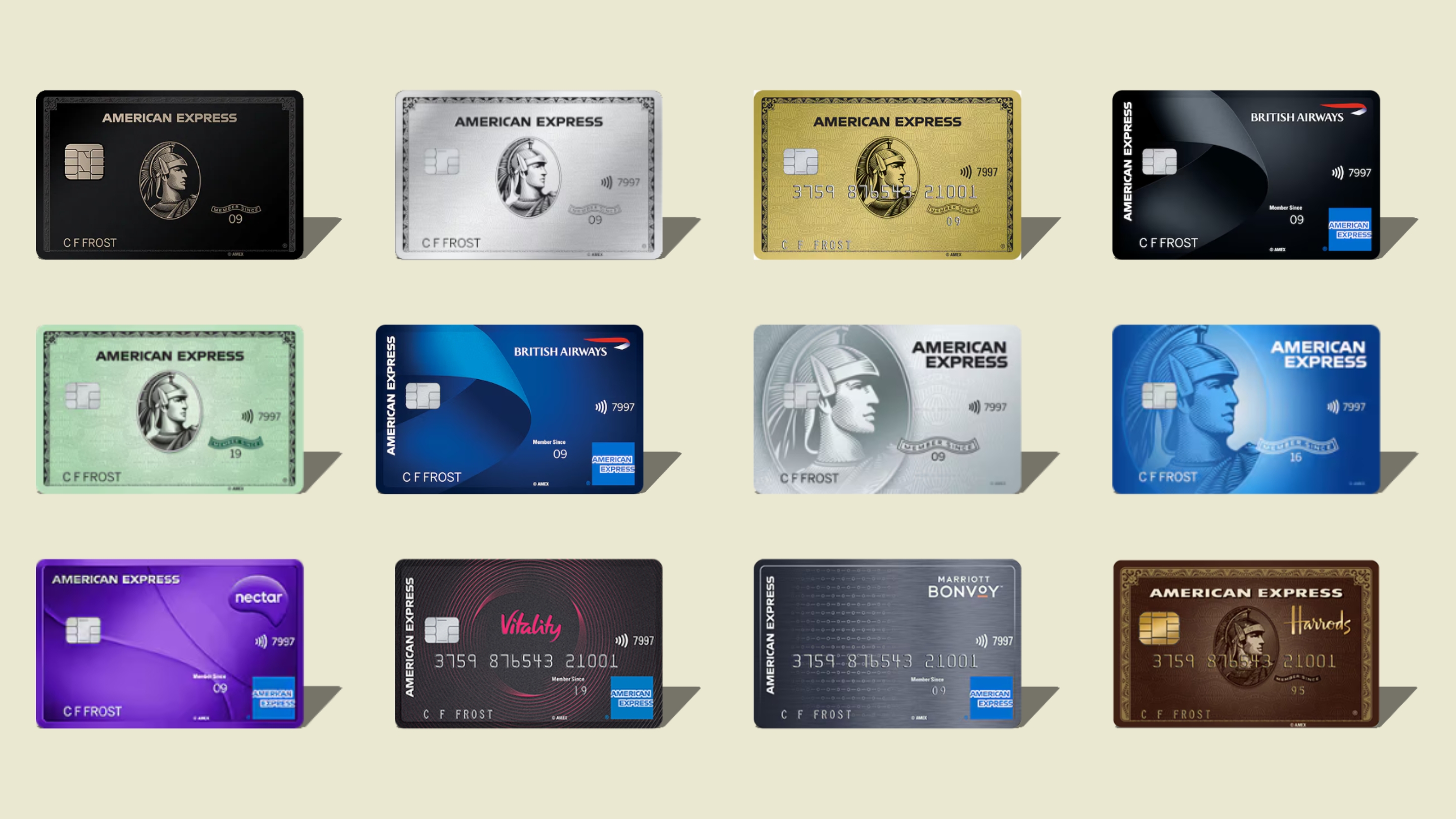
To understand what type of card an American Express is, one must look at the three primary lenses through which these cards are categorized: the payment structure (charge vs. credit), the reward ecosystem (membership rewards vs. cash back), and the target demographic (personal vs. business). Understanding these distinctions is essential for any modern consumer or business owner looking to optimize their financial tools.
The Fundamental Split: Charge Cards vs. Credit Cards
Historically, the most defining characteristic of an American Express card was its status as a “charge card.” While Amex has expanded its portfolio to include traditional credit cards over the last few decades, the legacy of the charge card remains a pillar of its brand identity.
Understanding the Charge Card Model
For decades, the American Express Green, Gold, and Platinum cards were exclusively charge cards. Unlike a traditional credit card, a charge card generally requires the cardholder to pay their balance in full every month. There is no “minimum payment” that allows you to carry a balance into the next month in exchange for interest charges.
The advantage of this model is the absence of a “preset spending limit.” While this does not mean unlimited spending—Amex approves transactions based on your financial history, credit record, and spending patterns—it offers significantly more flexibility for high-net-worth individuals or businesses with fluctuating monthly expenses. From a financial health perspective, charge cards discourage the accumulation of long-term debt because they force a disciplined repayment cycle.
The Evolution into Credit Cards
As the consumer market evolved, American Express introduced traditional credit cards, such as the Blue Cash and EveryDay series. These cards operate exactly like a standard Visa or MasterCard, featuring a fixed credit limit and the ability to carry a balance from month to month by making a minimum payment, subject to interest rates.
Interestingly, the line between these two types has blurred recently with the introduction of features like “Pay Over Time.” This allows holders of traditional charge cards to opt into a revolving credit feature for specific large purchases. Despite this hybrid functionality, the underlying “type” of card—whether it is a charge card or a credit card—still dictates how it affects your credit report and your overall financial strategy.
The Reward Ecosystem: A Tool for Financial Optimization
Another way to categorize what type of card an American Express is involves looking at how it returns value to the user. Amex cards are almost universally categorized as “reward cards,” but the currency they use defines their utility.
Membership Rewards Cards
The most sought-after type of American Express card is the one that earns Membership Rewards (MR) points. These are generally considered some of the most valuable “flexible currencies” in the financial world. These cards—including the Gold and Platinum variants—are designed for travelers and high spenders.
The power of an MR-earning card lies in its transferability. Rather than being locked into a single airline or hotel chain, users can transfer points to dozens of partner programs. This makes the “type” of card a strategic asset for those who understand how to leverage arbitrage in point valuations to secure premium travel for a fraction of the retail cost.
Cash Back and Fixed-Value Cards
For consumers who prefer simplicity over the complexity of travel points, Amex offers a robust line of cash-back cards. These are typically traditional credit cards rather than charge cards. They serve as straightforward financial tools that return a percentage of spending directly to the statement balance. This type of card is ideal for those who want a guaranteed return on investment for their daily expenses, such as groceries, gas, and streaming services, without the need to manage travel partners.
Co-Branded Partnership Cards
Finally, there are the co-branded cards. American Express has deep-seated partnerships with major brands like Delta Air Lines, Hilton, and Marriott. When you hold one of these cards, you are holding a specific type of niche financial tool. These cards are designed to reward loyalty to a specific brand, often providing elite status, free hotel nights, or priority boarding. For a frequent traveler who is loyal to a specific carrier or hotel group, this type of card is often more valuable than a general-purpose credit card.
Business and Corporate Financial Solutions

When analyzing what type of card American Express provides, it is impossible to ignore their dominance in the business sector. Amex offers two distinct paths for non-personal use: Small Business cards and Corporate cards.
Small Business Cards
Small business cards from American Express are designed for entrepreneurs, freelancers, and growing companies. While they look and act like personal cards, they are a specific type of financial instrument that helps separate personal and business finances.
One of the key advantages of this type of card is the ability to leverage “expanded buying power.” Many business cards allow the user to spend beyond their credit limit in certain circumstances, which is vital for businesses dealing with inventory surges or emergency equipment repairs. Furthermore, these cards often feature bonus categories tailored to business needs, such as office supplies, digital advertising, and shipping.
Corporate Card Programs
At the enterprise level, American Express is a leader in corporate card solutions. This is a different type of card altogether. Unlike a personal or small business card, where the individual is typically liable for the debt, corporate cards are often backed by the company’s credit.
These cards are integrated into sophisticated expense management software, allowing large organizations to track employee spending in real-time, enforce travel policies, and streamline accounting. In this context, the Amex card is less of a “payment tool” and more of a “data and management tool.”
The “Network and Issuer” Distinction
To fully answer “what type of card” Amex is, we must look at the backend of the financial industry. Most people are familiar with the “Big Four” payment networks: Visa, MasterCard, American Express, and Discover. However, there is a fundamental difference in how they operate.
Visa and MasterCard are strictly payment networks. They do not issue cards themselves; instead, they partner with banks like Chase, Bank of America, or Citi. Those banks provide the money, and the networks provide the technology to process the payment.
American Express is different. In the vast majority of cases, it is a “Closed-Loop” network. This means Amex is the bank and the network. When you use an Amex, the company is lending you its own money and processing the transaction on its own proprietary rails. This vertical integration is what allows Amex to offer premium customer service and unique purchase protections. Because they control the whole process, they have more data and more control over the user experience than a standard bank-issued Visa.
However, in recent years, Amex has opened its network to third-party issuers. You may occasionally see an American Express card issued by a bank like Wells Fargo or USAA. In these instances, the card is an “Amex” in terms of the network used to swipe the card, but the “type” of financial relationship you have is with the issuing bank, not American Express itself.
Strategic Selection: Which Type Fits Your Profile?
Determining what type of American Express card you need requires an audit of your financial habits and goals. Because Amex offers such a broad spectrum of cards, the “type” you choose will dictate your long-term financial benefits.
The Prestige and Service Tier
For some, an American Express card is a “prestige card.” The Centurion (Black) and Platinum cards fall into this category. These are high-annual-fee cards that offer premium lifestyle perks like airport lounge access, concierge services, and comprehensive travel insurance. If you view a card as a gateway to luxury services and time-saving benefits, this is the type of card that fits your profile.
The High-Efficiency Daily Driver
For others, the ideal Amex is a “high-yield utility card.” Cards like the American Express Gold Card are designed to maximize returns on high-frequency spending categories like dining and supermarkets. For a household that spends significantly on food, the Gold card acts as a high-performance engine for earning travel points, making it a strategic choice for maximizing the value of every dollar spent on necessities.

The Credit Builder and Safety Net
Finally, for those focused on building a solid credit foundation, the traditional credit cards offered by Amex—like the Blue Cash Everyday—provide a reliable, no-annual-fee entry point into the ecosystem. These cards provide the safety net of a revolving credit line while allowing the user to benefit from the superior fraud protection and customer service for which the brand is known.
In conclusion, an American Express card is not a singular entity. It is a diverse array of financial instruments ranging from disciplined charge cards and flexible credit cards to specialized business tools and high-end lifestyle products. By understanding the specific mechanics, rewards, and network structures of these different types, you can choose the tool that best aligns with your personal or professional financial strategy.
aViewFromTheCave is a participant in the Amazon Services LLC Associates Program, an affiliate advertising program designed to provide a means for sites to earn advertising fees by advertising and linking to Amazon.com. Amazon, the Amazon logo, AmazonSupply, and the AmazonSupply logo are trademarks of Amazon.com, Inc. or its affiliates. As an Amazon Associate we earn affiliate commissions from qualifying purchases.