
Apple Inc. stands as a titan in the global economy, a company whose very name is synonymous with innovation, design, and premium technology. Yet, to merely label Apple as a “technology company” would be an oversimplification that misses the profound essence of its business model. At its core, Apple is a masterclass in brand strategy, an entity that has meticulously crafted a corporate identity so potent it transcends mere products, fostering an unparalleled level of customer loyalty and aspiration. This article delves into the unique type of business Apple represents, exploring how its brand philosophy, design ethos, and integrated ecosystem define its identity far beyond the sum of its hardware and software.

The Architect of Aspirational Branding
Apple’s business is fundamentally built upon the power of aspiration. It sells not just gadgets, but gateways to a perceived lifestyle, a commitment to quality, and a sense of belonging to an exclusive community. This strategic positioning is a cornerstone of its business type.
Premium Positioning and Lifestyle Appeal
From its inception, Apple has cultivated an image of exclusivity and superior quality. Its products are meticulously designed, not just for functionality, but for aesthetic pleasure and a seamless user experience. This design-first approach elevates its offerings from mere electronics to desirable lifestyle accessories. The smooth curves of an iPhone, the sleek profile of a MacBook, or the minimalist elegance of an Apple Watch are all deliberate choices that communicate a premium status.
Apple’s pricing strategy reinforces this perception. While often commanding higher prices than competitors, this premium pricing is justified by the perceived value derived from exceptional build quality, intuitive software, and robust customer support. The business of Apple, therefore, is largely about selling a superior experience and a symbol of discernment, rather than just raw technical specifications. Owning an Apple product often signifies an investment in a certain quality of life, a statement of personal taste and professional aptitude. This aspirational appeal is a magnetic force, drawing in consumers who desire to associate themselves with the values Apple embodies: innovation, creativity, and sophistication.
Emotional Connection and Brand Loyalty
Perhaps the most distinctive aspect of Apple’s business is its extraordinary ability to forge a deep, almost tribal, emotional connection with its customers. This phenomenon, often described as “cult-like loyalty,” is a direct result of decades of consistent brand messaging, user-centric product development, and a carefully curated brand narrative. Apple doesn’t just market products; it tells stories that resonate with universal human desires for simplicity, empowerment, and self-expression.
Campaigns like “Think Different” were not just advertisements; they were declarations of a philosophy that invited customers to join a movement. By championing creativity and challenging the status quo, Apple positioned itself as a champion for the individual. This approach builds trust and an emotional bond that goes far beyond typical consumer-brand relationships. Customers become advocates, enthusiastically defending and promoting Apple products, viewing themselves as part of the brand’s larger identity. This fervent loyalty translates directly into repeat purchases, high retention rates, and a willingness to explore new product categories launched by the company, cementing Apple’s business as one driven by unparalleled customer devotion.
A Design-First Corporate Identity
Apple’s corporate identity is inextricably linked to its unwavering commitment to design. This isn’t merely about aesthetics; it’s a fundamental operating principle that permeates every aspect of the business, from product development to retail spaces.
Minimalism and User Experience as Core Principles
The minimalist philosophy championed by Apple is not just a stylistic choice but a defining characteristic of its business. It represents a deliberate decision to strip away complexity, focusing on essential functions and intuitive interactions. This commitment to simplicity in both hardware and software design ensures a consistent, delightful user experience across all its devices. The “it just works” mantra, while a simplification, reflects a core business objective: to make technology approachable and enjoyable for everyone, regardless of technical prowess.
This user-centric design strategy reduces the learning curve, minimizes frustration, and ultimately enhances customer satisfaction. It’s a key differentiator that has allowed Apple to capture and retain a broad demographic, including those who might otherwise be intimidated by technology. For Apple, design is not an afterthought; it is the starting point, a strategic imperative that shapes the entire product development process and defines its corporate identity as a purveyor of elegantly simple, powerful tools.
Seamless Integration: The Ecosystem Advantage
A critical element of Apple’s business type is its meticulously constructed and tightly integrated ecosystem. This is where hardware (iPhone, Mac, iPad, Apple Watch, AirPods), software (iOS, macOS, watchOS), and services (iCloud, Apple Music, Apple TV+, App Store) seamlessly intertwine to create a cohesive and deeply immersive user experience. Once a customer enters the Apple ecosystem, the benefits of staying within it become increasingly compelling.
Data, photos, messages, and settings sync effortlessly across devices, creating a fluid and continuous workflow. This integration fosters a powerful “lock-in” effect, not through coercion, but through convenience and superior functionality. Switching to a different brand often means sacrificing this seamless integration, facing compatibility issues, and rebuilding digital habits. This integrated approach transforms Apple from a mere product vendor into a comprehensive digital life provider, solidifying its brand as one that offers a complete, hassle-free technological environment. The ecosystem becomes a significant value proposition, driving both initial purchases and ongoing engagement with the brand.
Marketing Mastery and Storytelling
Apple’s business success is inseparable from its masterful marketing and advertising, which consistently translate its brand philosophy into compelling narratives that captivate global audiences.
Iconic Advertising and Strategic Messaging
Apple’s advertising campaigns are legendary, often sidestepping overt technical specifications in favor of evoking emotion, highlighting benefits, and telling a story. Rather than focusing on gigahertz and RAM, Apple ads emphasize how its products empower creativity, connect people, or simplify daily tasks. The “Shot on iPhone” campaign, for instance, showcases the real-world artistic potential of its camera, appealing to aspiration rather than pixel count.

The company’s strategic messaging creates a sense of empowerment and possibility, aligning its brand with personal growth and innovation. From the “1984” Super Bowl commercial that introduced the Macintosh, positioning it as a tool for liberation, to the “Get a Mac” ads that humorously contrasted Apple’s user-friendliness with PC complexity, Apple has consistently crafted narratives that reinforce its brand identity as an intuitive, human-centric alternative. This storytelling approach is a vital component of its business, transforming consumer perception and cultivating desire.
Retail Experience as a Brand Extension
The Apple Store is not merely a place to purchase products; it is a physical manifestation of the Apple brand and a key extension of its corporate identity. Designed with the same minimalist aesthetic and attention to detail as its products, Apple Stores offer a unique retail experience that sets them apart. They are spacious, well-lit, and staffed by knowledgeable, friendly “Geniuses” who provide personalized support and instruction.
This approach transforms shopping into an immersive brand encounter. Customers are encouraged to interact with devices, explore software, and participate in workshops, all within an environment that feels more like a community hub than a traditional retail outlet. The in-store experience reinforces the brand’s values of accessibility, innovation, and premium service. By controlling every aspect of the customer journey, from initial discovery to post-purchase support, Apple ensures that its brand promise is consistently delivered, strengthening loyalty and driving repeat business. The Apple Store is a critical strategic asset that physically embodies the aspirational and user-centric nature of Apple’s business.
Innovation as a Brand Pillar, Not Just a Product Feature
While Apple is undeniably a technology company, its approach to innovation is deeply ingrained in its brand identity. It doesn’t just innovate; it leverages innovation as a core brand pillar to differentiate itself and reinforce its leadership status.
Pioneering New Categories and Setting Trends
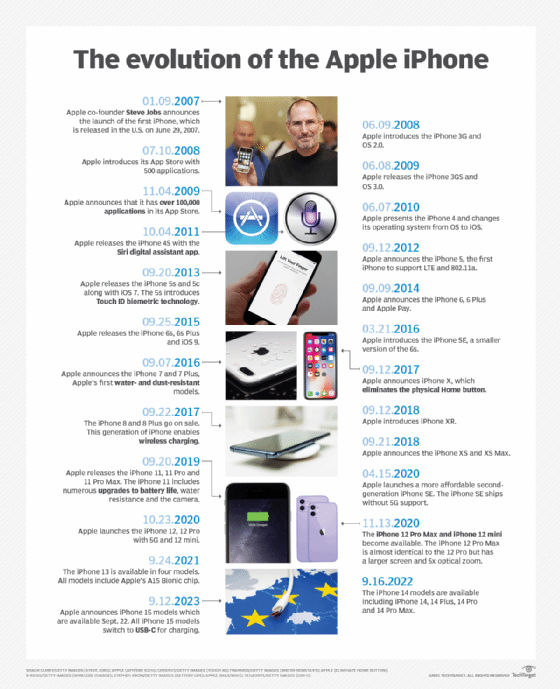
A hallmark of Apple’s business is its consistent ability to not just improve existing technologies, but to define and popularize entirely new product categories. The iPod revolutionized digital music, the iPhone redefined mobile computing, and the iPad popularized tablets. More recently, the Apple Watch created a viable market for smartwatches, and AirPods became the standard for wireless earbuds.
This pioneering spirit is a powerful brand attribute. It positions Apple as a forward-thinking leader, a company that doesn’t follow trends but sets them. This perception of being at the forefront of innovation instills confidence in consumers and investors alike, reinforcing the premium value associated with the brand. For Apple, innovation is a strategic tool that continually refreshes its brand image, keeps it relevant, and maintains its position at the apex of the consumer electronics market.
The Pursuit of Perfection and Attention to Detail
Apple’s brand promise is deeply intertwined with its meticulous attention to detail and an almost obsessive pursuit of perfection. This commitment extends beyond hardware design to the smallest elements of its software interfaces, the quality of its materials, and the precision of its manufacturing processes. Every pixel, every animation, every sound effect is carefully considered to contribute to a cohesive and polished user experience.
This relentless focus on quality control and craftsmanship builds profound trust in the brand. Consumers know that an Apple product is likely to be well-engineered, reliable, and durable. This expectation of excellence reinforces the premium perception and justifies the investment. For Apple, this commitment to detail isn’t just about building good products; it’s about upholding a brand reputation for uncompromising quality and superior execution, which is fundamental to its sustained business success.
The Evolving Business of Services and Subscription Brand Extension
In recent years, Apple has significantly diversified its business model, moving beyond its traditional reliance on hardware sales to embrace a robust and growing services segment. This evolution further defines its type of business as a comprehensive ecosystem provider with recurring revenue streams.
Expanding Beyond Hardware: Services as a Growth Engine
Apple’s strategic pivot towards services has become a critical component of its business type. Offerings like Apple Music, Apple TV+, Apple Arcade, iCloud storage, and Apple Pay leverage its massive installed base of hardware users, transforming them into subscribers. This shift creates predictable, recurring revenue streams that are less susceptible to the cyclical nature of hardware upgrades.
The brilliance of this strategy lies in extending the brand’s value proposition. Services further entrench users within the Apple ecosystem, providing additional utility and entertainment that makes switching to a competitor even less appealing. These services reinforce the seamless integration Apple is known for, further enhancing the overall user experience and deepening customer loyalty. This diversification demonstrates Apple’s adaptability and its long-term vision to remain a dominant force in the digital lives of consumers.
The Future of the Apple Brand: Sustaining Relevance and Value
As Apple continues to evolve, its core business remains anchored in its brand strategy. The challenge for the future will be to sustain its premium status, innovation leadership, and emotional connection with consumers in an increasingly competitive and rapidly changing technological landscape. This will involve continuous investment in R&D for new product categories like augmented reality, ethical considerations around data privacy, and a commitment to environmental sustainability – all factors that increasingly influence brand perception.
Ultimately, Apple’s business is about intelligently managing its brand equity. It is a company that has mastered the art of creating desire, building loyalty, and delivering an integrated experience that feels both aspirational and indispensable. Its success is not merely a function of its technological prowess, but a testament to its profound understanding and strategic deployment of branding principles.
Conclusion
To ask “what type of business is Apple” is to uncover a multifaceted entity that transcends simple categorization. While undeniably a leader in technology, Apple’s true identity lies in its unparalleled mastery of brand strategy. It is a business built on aspiration, driven by an unwavering commitment to design and user experience, solidified by a seamlessly integrated ecosystem, and sustained by a unique emotional connection with its customers. Apple is a design-first, ecosystem-centric, premium lifestyle brand that leverages innovation and marketing to cultivate extraordinary loyalty. It sells not just products, but a meticulously crafted experience and a powerful corporate identity, positioning itself as a cultural phenomenon as much as a technological powerhouse. This profound understanding and execution of branding is, and will continue to be, the bedrock of Apple’s enduring success.
aViewFromTheCave is a participant in the Amazon Services LLC Associates Program, an affiliate advertising program designed to provide a means for sites to earn advertising fees by advertising and linking to Amazon.com. Amazon, the Amazon logo, AmazonSupply, and the AmazonSupply logo are trademarks of Amazon.com, Inc. or its affiliates. As an Amazon Associate we earn affiliate commissions from qualifying purchases.