
In the world of business finance, risk is an inherent factor of every transaction, hire, and strategic pivot. While entrepreneurs often focus on revenue growth, profit margins, and investment capital, the most successful business leaders understand that protecting what they have built is just as important as building it. Business insurance is not merely a “check-the-box” regulatory requirement; it is a critical pillar of a robust financial strategy. Without the right coverage, a single lawsuit, natural disaster, or data breach can deplete a company’s cash reserves and force an otherwise healthy enterprise into insolvency.
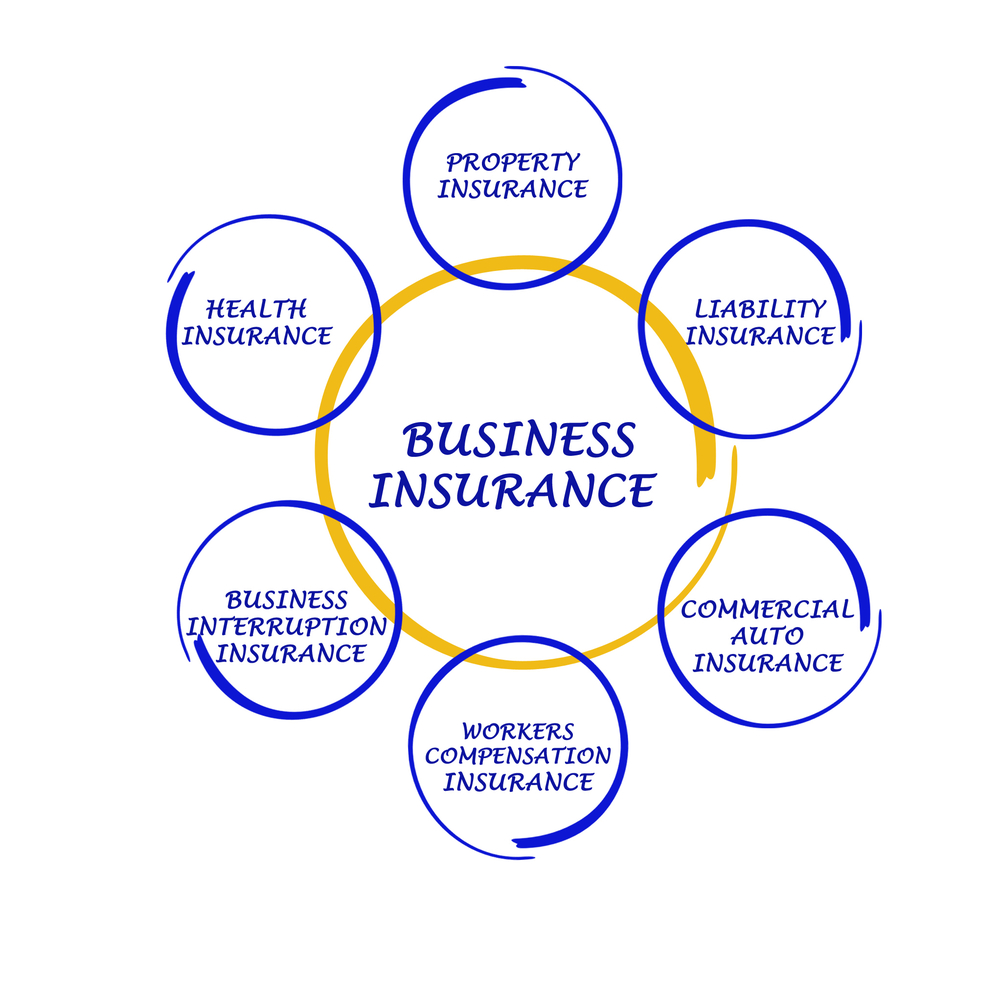
Understanding the specific types of insurance your business requires depends on your industry, size, and exposure. From a financial perspective, insurance is a form of risk transfer—moving the potential burden of a catastrophic loss from your balance sheet to an insurer’s. This guide breaks down the essential types of business insurance to help you build a resilient financial foundation.
1. Protecting Against External Liabilities: The Financial Shield
Every business, regardless of industry, faces the risk of third-party claims. Whether it is a customer slipping on a wet floor or a client claiming your advice caused them financial ruin, liability is a constant threat to your capital.
General Liability Insurance (GLI)
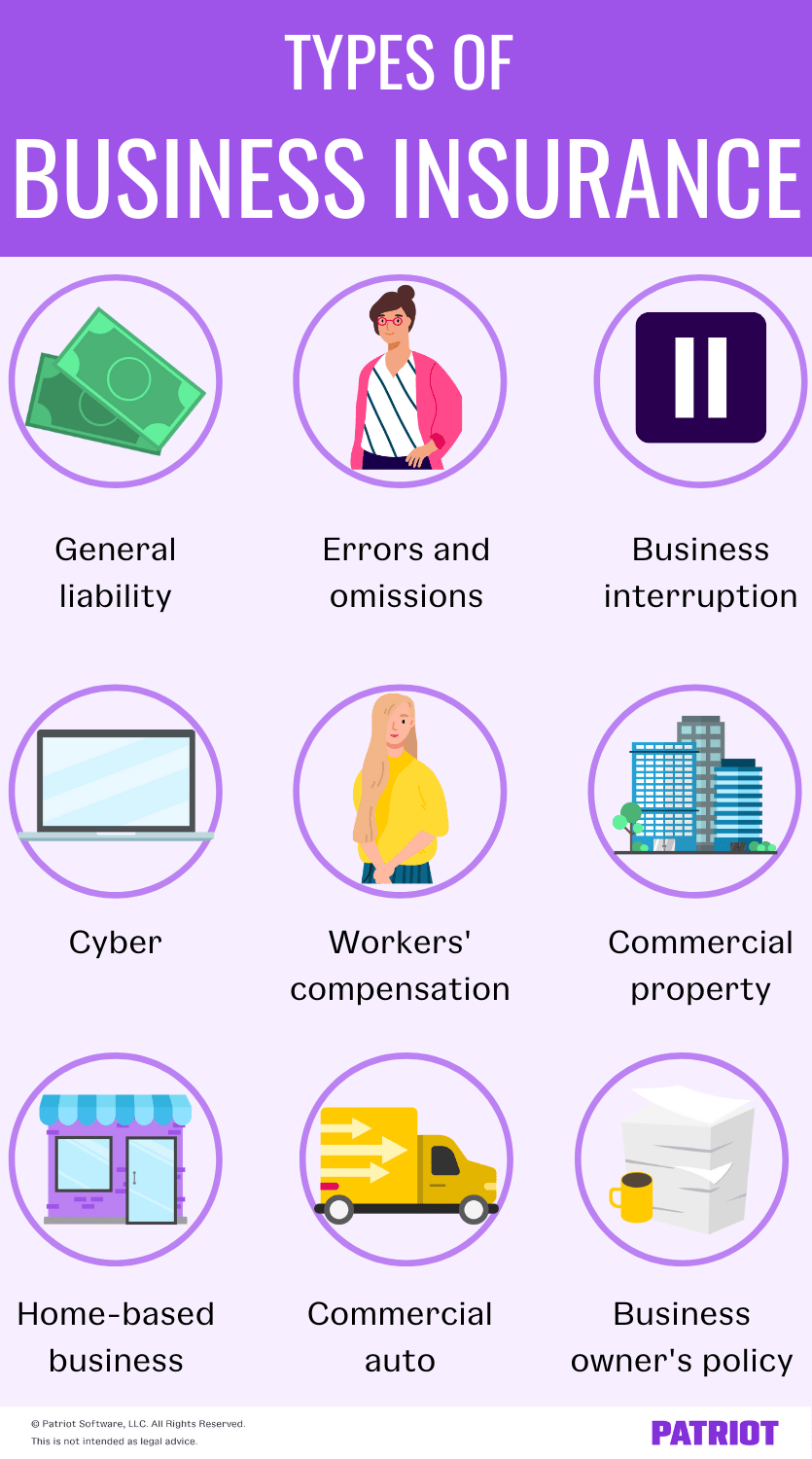
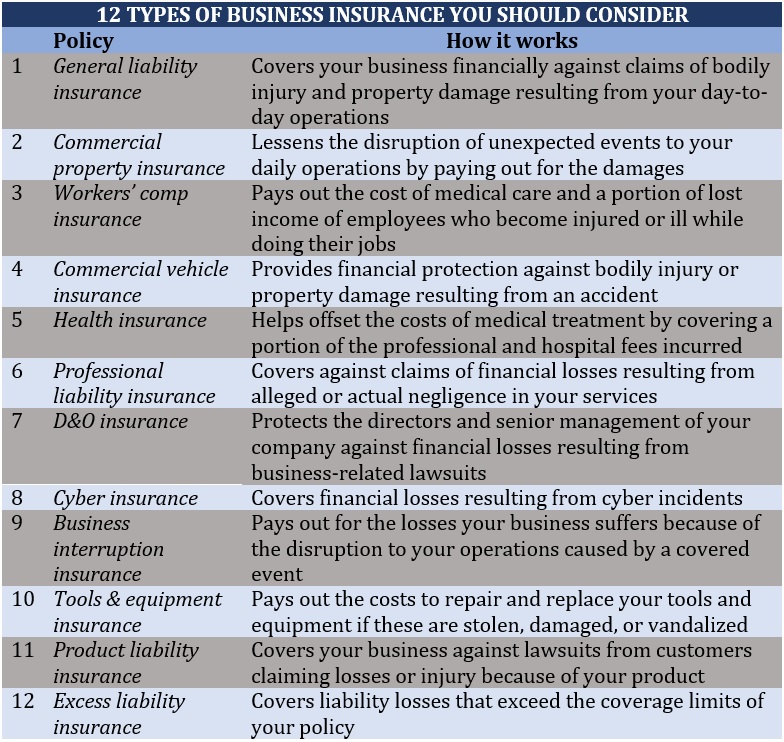
General Liability is the most fundamental form of protection. It covers “slip and fall” incidents, property damage to third parties, and advertising injuries (such as libel or slander). From a financial standpoint, GLI is your primary defense against the high costs of legal fees and settlements. Even if a claim is meritless, the cost of defending it in court can be staggering. GLI ensures that your operating capital remains untouched during legal disputes.
Professional Liability (Errors and Omissions)
If your business provides services or expert advice, General Liability is not enough. Professional Liability insurance, often called Errors and Omissions (E&O), protects you if a client claims your service was negligent or failed to meet expectations, leading to their financial loss. For consultants, accountants, and legal firms, this is non-negotiable. It bridges the gap between physical accidents and financial errors, ensuring that a mistake in a spreadsheet or a missed deadline doesn’t lead to a total financial collapse.
Product Liability Insurance
For businesses that manufacture, distribute, or sell physical goods, Product Liability is essential. If a product you sold causes injury or damage to a consumer, you could be held liable for millions in damages. This insurance covers the cost of lawsuits and medical bills, protecting your profit margins from the volatility of product recalls or manufacturing defects.
2. Safeguarding Assets and Continuity: Property and Revenue Protection
Your business’s physical and digital assets represent significant capital investments. Protecting these assets ensures that you can continue operations even in the face of unforeseen disruptions.
Commercial Property Insurance
Whether you own your building or lease an office space, your equipment, inventory, and furniture are valuable assets. Commercial Property Insurance covers losses due to fire, theft, vandalism, and certain natural disasters. For a business with thin margins, the sudden loss of high-value equipment can be a fatal blow. By insuring these assets, you ensure that you have the liquidity to replace them immediately without dipping into your emergency fund.
Business Interruption (Business Income) Insurance
Many business owners overlook the “hidden” cost of a disaster: the loss of income while the business is closed for repairs. Business Interruption Insurance compensates you for lost revenue and covers fixed costs—like rent and payroll—during the period your business is inoperable. Financially, this is often more important than property insurance itself, as it maintains your cash flow and prevents you from defaulting on loans or losing key employees during a shutdown.
Cyber Liability Insurance
In the modern economy, data is a high-value asset. A data breach or ransomware attack can be more expensive than a physical fire. Cyber Liability Insurance covers the costs associated with data recovery, legal fees, customer notification, and regulatory fines. Given that the average cost of a data breach for a small business can exceed six figures, this coverage is a vital component of modern business finance and risk mitigation.
3. Human Capital and Executive Risk: Protecting the Team and Leadership
The most valuable asset in any organization is its people. However, managing a workforce introduces unique financial risks that must be managed through specific insurance vehicles.
Workers’ Compensation Insurance
In most jurisdictions, Workers’ Comp is legally required as soon as you hire your first employee. It covers medical expenses and lost wages for employees injured on the job. From a financial management perspective, it protects the business from being sued directly by employees for workplace injuries. It turns a potentially variable and catastrophic medical expense into a predictable, monthly premium.
Directors and Officers (D&O) Insurance
As a business grows, its leadership becomes a target. D&O insurance protects the personal assets of corporate directors and officers if they are sued by shareholders, employees, or competitors for alleged “wrongful acts” in managing the company. This is particularly important for startups seeking venture capital or private equity, as most investors will require D&O insurance as a condition of their investment to protect their interests and the individuals they place on your board.
Employment Practices Liability Insurance (EPLI)
EPLI covers claims related to the employment process, such as wrongful termination, discrimination, and sexual harassment. These claims are on the rise and can be incredibly damaging to a brand’s reputation and its bank account. EPLI provides the financial resources to handle these sensitive situations professionally without jeopardizing the firm’s financial stability.
4. Strategic Risk Assessment: How to Determine Your Coverage Needs
Choosing insurance is not about buying every policy available; it is about conducting a rigorous cost-benefit analysis to determine which risks are worth retaining and which should be transferred.
Industry-Specific Requirements
Your niche dictates your risk profile. A construction company needs high-limit umbrella policies and specialized builder’s risk insurance, whereas an e-commerce brand should prioritize product liability and cyber coverage. Evaluate your industry benchmarks to ensure your coverage aligns with your specific operational risks.
Calculating Coverage Limits and Deductibles
The “Money” aspect of insurance involves finding the sweet spot between premium costs and deductibles. A higher deductible will lower your monthly premium, improving your immediate cash flow, but it requires you to have enough cash on hand to cover that deductible if a claim occurs. Conversely, a low deductible provides more protection but increases your fixed monthly expenses. Financial officers must balance these figures against the company’s current liquidity.
The Role of an Insurance Audit in Financial Planning
Just as you audit your taxes and financial statements, you should audit your insurance portfolio annually. As your business scales, your risks change. A policy that was sufficient for a two-person startup will be woefully inadequate for a firm with twenty employees and a physical warehouse. Regular reviews ensure that you are not overpaying for redundant coverage while also identifying gaps that could lead to financial exposure.
Conclusion
Business insurance is an investment in the longevity and stability of your enterprise. In the context of business finance, it is the ultimate hedge against uncertainty. By systematically identifying your liabilities, protecting your physical and digital assets, and safeguarding your leadership and staff, you create a safety net that allows you to take the calculated risks necessary for growth.
When asking “What type of business insurance do I need?”, the answer lies in your balance sheet and your risk tolerance. Work closely with a financial advisor or a specialized insurance broker to tailor a package that fits your budget today while providing the scalability you need for tomorrow. Protecting your business’s financial future starts with ensuring that one bad day doesn’t lead to a permanent closing.
aViewFromTheCave is a participant in the Amazon Services LLC Associates Program, an affiliate advertising program designed to provide a means for sites to earn advertising fees by advertising and linking to Amazon.com. Amazon, the Amazon logo, AmazonSupply, and the AmazonSupply logo are trademarks of Amazon.com, Inc. or its affiliates. As an Amazon Associate we earn affiliate commissions from qualifying purchases.