
In the intricate world of molecular interactions, understanding the fundamental forces that govern matter is paramount for technological innovation. Among these forces, the hydrogen bond stands out as a deceptively simple yet extraordinarily powerful interaction. While not a primary, covalent, or ionic bond in the traditional sense, hydrogen bonds are the linchpin for countless biological processes and an increasingly vital component in designing next-generation materials, pharmaceuticals, and AI-driven scientific tools. For tech leaders, developers, and innovators, grasping “what type of bond is a hydrogen bond” is not just an academic exercise; it’s a strategic imperative for pushing the boundaries of what’s possible.

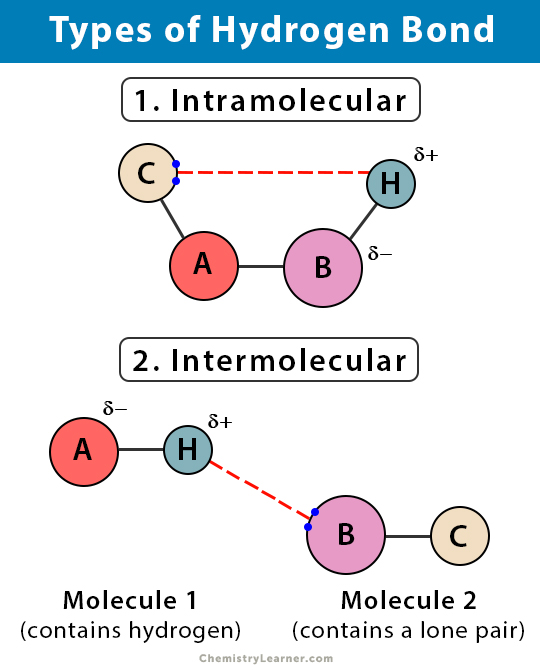
At its core, a hydrogen bond is a special type of intermolecular attractive force that arises between a hydrogen atom covalently bonded to a highly electronegative atom (like oxygen, nitrogen, or fluorine) and another electronegative atom in a different molecule or a different part of the same molecule. It’s a non-covalent interaction, weaker than ionic or covalent bonds, yet its collective strength and ubiquitous presence make it indispensable. This article delves into the nature of hydrogen bonds and illuminates their pivotal role in shaping the technological landscape.
The Fundamental Nature of Hydrogen Bonds: A Technological Lens
To appreciate the technological ramifications of hydrogen bonds, we must first understand their foundational chemistry. They are not the strong, primary bonds that hold atoms together within a single molecule, but rather the crucial secondary interactions that dictate how molecules behave and interact with one another. This distinction is critical when designing materials or pharmaceuticals, where specific molecular recognition and aggregation are key.
Defining the Non-Covalent yet Critical Interaction
A hydrogen bond is best described as a persistent dipole-dipole attractive force. When a hydrogen atom is covalently bonded to a highly electronegative atom (let’s call it ‘X,’ typically Oxygen, Nitrogen, or Fluorine), the electron density is pulled strongly towards ‘X.’ This leaves the hydrogen atom with a partial positive charge ($delta+$) and the ‘X’ atom with a partial negative charge ($delta-$). This polarized H-X bond then acts as a ‘hydrogen bond donor.’ This partially positive hydrogen is then attracted to another electronegative atom (let’s call it ‘Y,’ also typically O, N, or F) in an adjacent molecule, which possesses a lone pair of electrons and a partial negative charge. This ‘Y’ atom acts as the ‘hydrogen bond acceptor.’
This interaction, though individually weak (ranging from 1 to 10 kcal/mol, compared to 50-100 kcal/mol for covalent bonds), becomes cumulatively significant when multiple hydrogen bonds are present. This collective strength gives rise to many macroscopic properties crucial for technological applications.
Polarity, Electronegativity, and the Dance of Dipoles
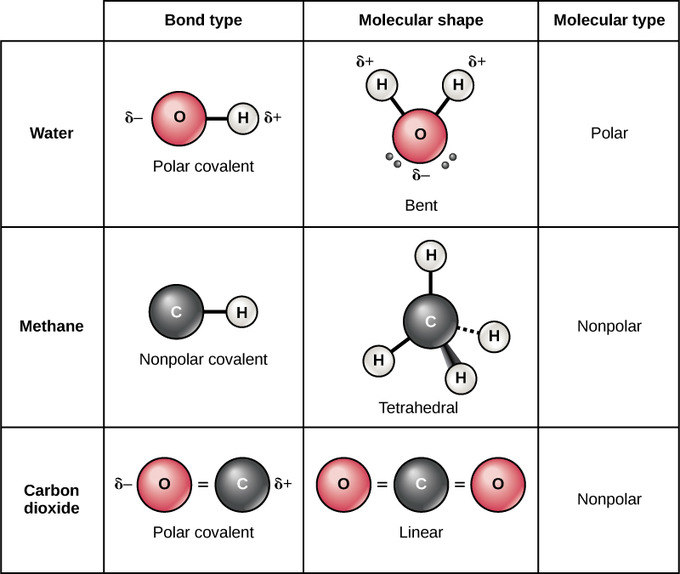
The existence of hydrogen bonds is entirely dependent on the principles of polarity and electronegativity. Electronegativity is an atom’s ability to attract electrons in a chemical bond. When there’s a significant difference in electronegativity between two bonded atoms, the bond becomes polar, creating partial positive and negative charges—dipoles. The hydrogen bond is essentially the electrostatic attraction between these opposing dipoles.
Understanding this “dance of dipoles” is fundamental for chemists and materials scientists using computational tools. AI algorithms can predict the strength and orientation of hydrogen bonds, which directly impacts a material’s solubility, melting point, viscosity, and even its ability to self-assemble. For instance, in developing new solvents for chemical processes or designing biodegradable plastics, precise control over these intermolecular forces is essential.
Beyond Simple Bonds: The Aggregative Power
The true technological power of hydrogen bonds lies in their aggregative nature. A single hydrogen bond might be easily broken, but thousands or millions of them working in concert create robust structures and stable systems. Consider water: its unusually high boiling point and surface tension are direct consequences of its extensive hydrogen bonding network. This property is exploited in various tech applications, from advanced hydrogels used in biomedical devices to phase-change materials for energy storage. The ability of molecules to ‘recognize’ and bind to each other specifically through hydrogen bonds is a cornerstone of molecular recognition, a critical concept in drug design and sensor technology.
Catalyzing Innovation: Hydrogen Bonds in Material Science & Gadgets
Hydrogen bonds are not just theoretical constructs; they are the invisible architects behind many of the advanced materials and functional components we interact with daily. Their precise manipulation allows engineers to create materials with tailored properties, leading to breakthroughs in diverse tech sectors.
From Liquid Crystals to Next-Gen Polymers
Liquid crystal displays (LCDs) in our smartphones and monitors owe their functionality partly to the delicate balance of intermolecular forces, including hydrogen bonds, that allow molecules to align and reorient in response to electric fields. In polymer science, hydrogen bonds play a crucial role in determining the mechanical strength, elasticity, and thermal stability of plastics. By introducing specific hydrogen bond donor/acceptor groups into polymer chains, engineers can design “smart polymers” that respond to stimuli, leading to applications in flexible electronics, wearable sensors, and advanced packaging.
Self-Healing Materials and Smart Textiles
The transient nature of individual hydrogen bonds, combined with their collective strength, is being leveraged to create revolutionary self-healing materials. Imagine a scratch on your phone screen or a tear in your car’s paintwork that repairs itself. This is achieved by embedding dynamic hydrogen bond networks within a material, allowing damaged sections to re-form bonds and mend imperfections. Similarly, in smart textiles, hydrogen bonds can influence fabric breathability, moisture wicking, and even provide structural integrity to conductive threads in e-textiles.
Enhancing Durability and Functionality in Electronics
In the realm of electronics, hydrogen bonds contribute to the stability and performance of various components. They can influence the adhesion of coatings, the structural integrity of circuit boards, and the performance of dielectric materials. Researchers are exploring how precisely engineered hydrogen bond networks can be used to develop more robust encapsulants for sensitive electronic components, protecting them from environmental degradation and extending their lifespan, crucial for the longevity of our gadgets.
The Digital Frontier: Modeling Hydrogen Bonds with AI & Software
The complexity of molecular interactions necessitates powerful computational tools. The rise of AI and advanced simulation software has revolutionized our ability to understand, predict, and engineer hydrogen bonds, directly accelerating innovation in life sciences and materials engineering.
Computational Chemistry and Drug Discovery Platforms
Drug discovery is a prime example where understanding hydrogen bonds is non-negotiable. Pharmaceutical companies heavily rely on computational chemistry software to simulate how potential drug molecules bind to target proteins or enzymes in the body. Hydrogen bonds are often the primary interaction responsible for the specificity and strength of this binding. AI-driven platforms can analyze vast databases of chemical compounds, predict their hydrogen bonding capabilities, and rapidly screen candidates, drastically reducing the time and cost associated with developing new medications and therapies.
Simulating Biological Systems for Medical Tech
Beyond drug discovery, AI and computational modeling are crucial for understanding complex biological systems, where hydrogen bonds are ubiquitous. DNA’s double helix structure, the folding of proteins, and enzymatic reactions are all stabilized and mediated by intricate hydrogen bond networks. Simulating these interactions allows researchers to design better biosensors for early disease detection, engineer more efficient enzymes for industrial biotechnology, and develop advanced medical implants that integrate seamlessly with biological tissue.
Optimizing Material Properties through Predictive Algorithms
Material scientists leverage sophisticated software to predict how changes in molecular structure will affect macroscopic properties, often focusing on hydrogen bond networks. Machine learning algorithms, trained on experimental data, can now suggest novel molecular designs that exhibit desired characteristics—be it increased strength, flexibility, or thermal resistance—by precisely tuning the type and number of hydrogen bonds. This accelerates the R&D cycle for new polymers, composites, and functional coatings, leading to faster deployment of advanced materials in tech products.
Biotech & Beyond: Hydrogen Bonds Driving Advanced Applications
The influence of hydrogen bonds extends deep into biotechnology, where they are harnessed for precision engineering at the molecular level, leading to advancements that blur the lines between biology and technology.
Precision in Biosensors and Diagnostics
Biosensors are devices that detect specific biological molecules, often critical for medical diagnostics or environmental monitoring. The exquisite selectivity of these sensors often relies on hydrogen bonds. For example, DNA hybridization—where complementary strands bind together—is driven by hydrogen bonds between base pairs. This principle is fundamental to PCR testing, gene sequencing, and many rapid diagnostic kits. Engineering biosensors with precisely tailored hydrogen bond interactions allows for highly sensitive and specific detection of pathogens, biomarkers, or toxins.
Engineering Biological Systems for Sustainable Tech
Hydrogen bonds are central to the stability and function of enzymes, proteins, and other biomolecules used in industrial biotechnology. Researchers are engineering enzymes to perform specific chemical reactions more efficiently and sustainably, for example, in the production of biofuels, biodegradable plastics, or greener industrial chemicals. A deep understanding of the hydrogen bond networks within these biological catalysts allows for targeted modifications to enhance their stability, activity, and substrate specificity, contributing to a more sustainable tech future.
The Future of Nanotechnology and Molecular Machines
At the nanoscale, the precise arrangement of molecules is everything. Hydrogen bonds offer a powerful mechanism for molecular self-assembly, where molecules spontaneously organize into complex structures. This principle is being explored in nanotechnology to create intricate molecular machines, such as molecular motors or switches, that could revolutionize computing, medicine, and materials science. By dictating how molecules recognize and bind to each other, hydrogen bonds enable the creation of functional nanostructures with unprecedented control.
The Strategic Importance of Understanding Molecular Interactions for Tech Leaders
For anyone leading or innovating in the tech sector, recognizing the fundamental role of hydrogen bonds is more than scientific curiosity; it’s a strategic advantage. It underscores the interconnectedness of basic science with groundbreaking applications.
Investing in Fundamental Research for Applied Innovation
The journey from understanding “what type of bond is a hydrogen bond” to developing a self-healing phone screen or a novel drug begins with fundamental research. Tech companies that invest in or collaborate with basic scientific research are better positioned to harness these deep molecular insights for applied innovation. This fosters a culture where scientific discovery is directly linked to product development and market differentiation.
Bridging the Gap Between Science and Engineering
A common language that bridges pure science and practical engineering is essential. For engineers designing new materials or software developers building AI models for molecular simulation, a grasp of concepts like hydrogen bonding is crucial for effective communication and successful project execution. It allows for more informed design choices and a deeper understanding of material limitations and potential.
The Competitive Edge of Molecular-Level Understanding
In an increasingly competitive global landscape, a molecular-level understanding provides a distinct edge. Companies that can precisely engineer materials, predict molecular behavior with AI, or design highly specific biological tools based on hydrogen bond insights will be at the forefront of innovation. From creating more durable gadgets to developing life-saving medical technologies, the mastery of these subtle molecular forces is a powerful differentiator.
In conclusion, a hydrogen bond is a crucial, non-covalent intermolecular force arising from the attraction between a partially positive hydrogen and a partially negative electronegative atom. Its collective strength and specificity underpin an astonishing array of technological advancements. For the tech industry, moving forward means not just leveraging existing technologies but deeply understanding the molecular forces, like hydrogen bonds, that govern our world, thus paving the way for truly transformative innovations.
aViewFromTheCave is a participant in the Amazon Services LLC Associates Program, an affiliate advertising program designed to provide a means for sites to earn advertising fees by advertising and linking to Amazon.com. Amazon, the Amazon logo, AmazonSupply, and the AmazonSupply logo are trademarks of Amazon.com, Inc. or its affiliates. As an Amazon Associate we earn affiliate commissions from qualifying purchases.