
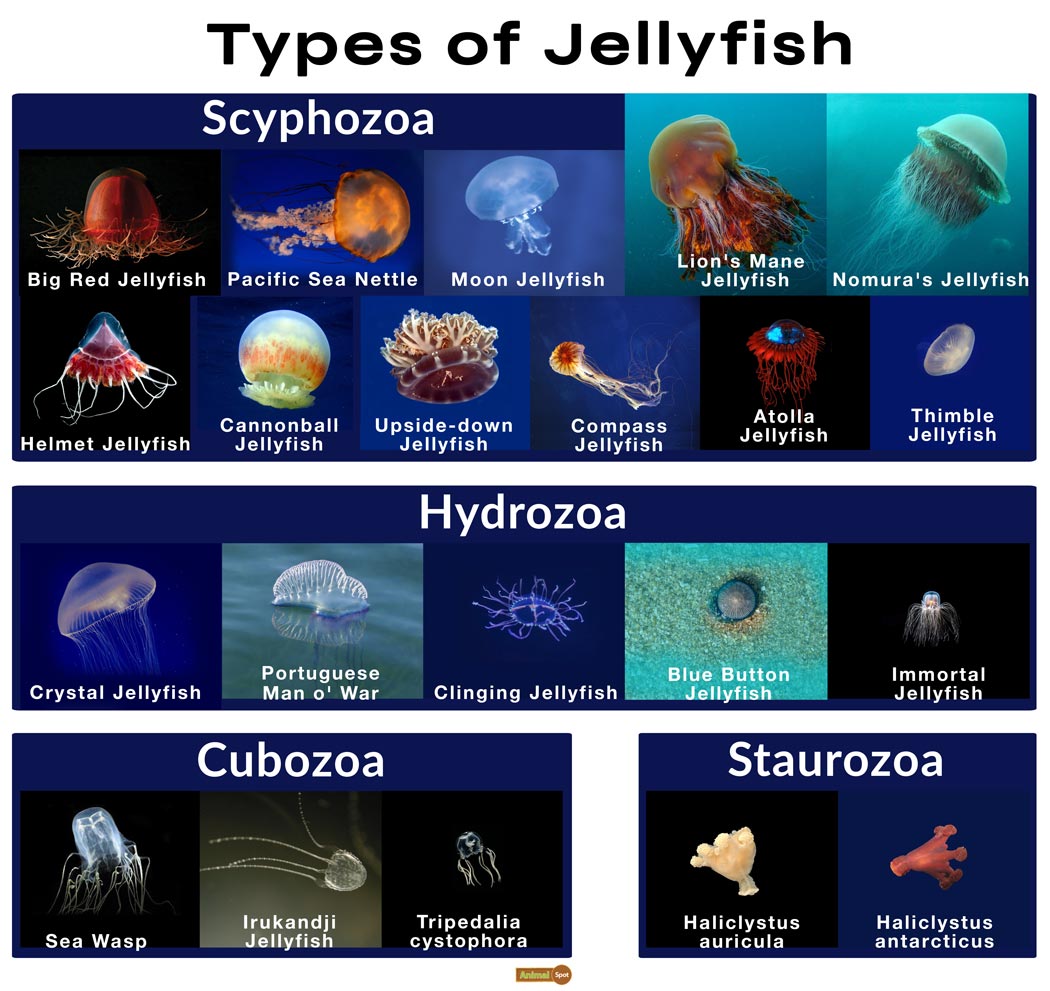
In the realm of biological classification, the jellyfish is a member of the phylum Cnidaria, a group of aquatic animals characterized by their gelatinous bodies and specialized stinging cells. However, for the modern engineer, technologist, and software developer, the question “what type of animal is a jellyfish?” yields a far more complex answer. From the perspective of cutting-edge technology, the jellyfish is a masterclass in efficiency, a biological blueprint for soft robotics, and a pioneer of decentralized intelligence.
As we push the boundaries of underwater exploration, medical technology, and artificial intelligence, the jellyfish has transitioned from a marine curiosity to a central figure in biomimetic engineering. By studying its unique physiological traits—its lack of a centralized brain, its energy-efficient propulsion, and its translucent, resilient structure—tech innovators are building a new generation of machines that move, sense, and process information in ways that traditional “hard” robotics never could.

The Biological Architecture: A Blueprint for Soft Robotics
To understand why the jellyfish is a technological marvel, one must first understand its “hardware.” Unlike most animals used as models for robotics, such as dogs or insects, the jellyfish possesses no skeletal structure. It is a soft-bodied organism that relies on hydrostatic pressure and muscle fibers to navigate the ocean. In the tech world, this has sparked the “Soft Robotics” revolution.
The Shift from Rigid to Flexible Systems
Traditional robotics have long been dominated by rigid materials—steel, aluminum, and hard plastics—driven by motors and gears. While effective in controlled environments like factory floors, these rigid systems often fail in the unpredictable, high-pressure environments of the deep sea. The jellyfish, a “non-polyp” invertebrate, offers an alternative: compliant mechanisms. By mimicking the jellyfish’s gelatinous composition, researchers are developing robots made from silicone elastomers and hydrogels that can deform and reform without structural failure.
Actuators and Shape-Memory Alloys
How does a jellyfish-inspired robot move without a motor? Tech developers are utilizing “artificial muscles” known as soft actuators. These components use shape-memory alloys (SMAs) or pneumatic networks that expand and contract when exposed to heat or air pressure. This mimics the jellyfish’s subumbrella muscles, allowing for a silent, fluid movement that is nearly indistinguishable from the biological original. This “silent” tech is critical for stealth underwater surveillance and non-invasive marine biology research.
Efficiency and Propulsion: Engineering the Perfect Propeller
One of the most profound technological lessons the jellyfish teaches is the concept of “passive energy recapture.” Despite being one of the simplest animals on Earth, the jellyfish is mathematically the most energy-efficient swimmer in the world. For developers working on drone technology and underwater vehicles (AUVs), the jellyfish’s propulsion system is the “gold standard” for battery-life optimization.
Vortex Ring Generation
When a jellyfish contracts its bell, it creates a vortex ring—a donut-shaped swirl of water—that provides an extra “push” as the bell relaxes. This allows the animal to travel 30% further with each stroke without additional caloric expenditure. In the tech sector, this has led to the development of bio-inspired thrusters that move away from traditional spinning propellers, which are prone to tangling in seaweed and are highly inefficient at slow speeds. By utilizing a “pulsed jet” propulsion system, modern AUVs can operate for months on a single charge, mimicking the jellyfish’s slow-but-steady endurance.
The Medusa Project and Micro-Robotics
At the micro-scale, the jellyfish model is being applied to medical tech. “Medusoids”—artificial jellyfish crafted from rat heart cells and silicone—have demonstrated that we can create biological-synthetic hybrids. These micro-bots are designed to navigate the human bloodstream, using the same rhythmic contraction seen in the ocean to deliver targeted drug therapies or clear arterial blockages. Here, the “animal” becomes a vehicle for life-saving software and hardware integration.
Decentralized Intelligence: Neural Networks Inspired by the Nerve Net
Perhaps the most exciting tech application of the jellyfish lies in its “software”—or lack thereof. A jellyfish does not have a brain; it has a “nerve net.” This decentralized nervous system allows the animal to respond to stimuli, hunt, and migrate without a central processing unit (CPU). For AI researchers and digital security experts, this is a living example of “Edge Computing.”
From Centralized to Distributed Processing
In traditional AI, data is often sent to a central server to be processed before an action is taken. A jellyfish-inspired system, however, operates on distributed intelligence. Each “node” in the robot’s body can process local sensory data and react instantaneously. This reduces latency and makes the system incredibly resilient; if one part of the robot is damaged, the rest of the “nerve net” continues to function. This architecture is currently being explored in the development of “Swarm Intelligence” software, where hundreds of small underwater sensors coordinate their movements without a single point of failure.
Sensing without Sight: Bio-Sensing Tech
The jellyfish uses specialized structures called rhopalia to sense light, gravity, and chemicals in the water. Tech companies are now replicating these biological sensors using graphene-based materials and advanced polymers. These “electronic skins” can be wrapped around underwater equipment to provide 360-degree environmental awareness. Unlike cameras, which require clear water and high power, these bio-inspired sensors use minimal energy and function in total darkness, translating chemical changes into digital data points for real-time analysis.
Synthetic Biology and the Future of Hybrid Machines
As we look toward the future, the question of what type of animal a jellyfish is moves into the realm of “Living Machines.” We are no longer just building robots that look like jellyfish; we are beginning to use the jellyfish’s genetic code and cellular structure as a component of the tech itself.
Bioluminescence and Data Visualization
Many jellyfish are bioluminescent, producing light through a chemical reaction involving the protein GFP (Green Fluorescent Protein). In biotechnology, GFP is used as a “reporter gene” to track protein expression in cells. In the tech world, this has inspired “bio-displays”—screens and sensors that use organic bioluminescent materials rather than LEDs. This technology promises to be more sustainable, biodegradable, and energy-efficient, moving us toward a future of “green tech” that is literally grown, not manufactured.
The Ethics of Bio-Integrated Tech
As we integrate jellyfish biology with robotics, we encounter new frontiers in digital ethics and software governance. If a robot uses living jellyfish cells to power its sensors, how do we classify that machine? Is it an animal, a gadget, or a hybrid? As these “xenobots” and bio-hybrids become more common in environmental monitoring, the tech industry must develop new frameworks for the responsible use of synthetic biology.

Conclusion: The Jellyfish as a Tech Icon
The jellyfish is a Cnidarian, but in the context of the 21st century, it is also a source of some of our most sophisticated technological breakthroughs. It represents a move away from the “clunky” machines of the past and toward a future of fluid, efficient, and decentralized systems.
By deconstructing the jellyfish—from its bell-shaped propulsion to its brainless intelligence—engineers are solving the most persistent problems in robotics: energy consumption, durability, and processing speed. As we continue to develop software that mimics its nerve net and hardware that mirrors its translucent resilience, the jellyfish will remain one of the most important “types of animals” in the tech stack of the future. Whether it is a soft-robot exploring the moons of Jupiter or a micro-bot saving a life in a hospital, the legacy of this ancient animal is being rewritten in silicon, code, and synthetic polymers.
aViewFromTheCave is a participant in the Amazon Services LLC Associates Program, an affiliate advertising program designed to provide a means for sites to earn advertising fees by advertising and linking to Amazon.com. Amazon, the Amazon logo, AmazonSupply, and the AmazonSupply logo are trademarks of Amazon.com, Inc. or its affiliates. As an Amazon Associate we earn affiliate commissions from qualifying purchases.