
In the rapidly evolving landscape of medical technology, the question of “what type of breast cancer has the highest recurrence rate” is no longer just a clinical query for oncologists—it has become a focal point for data scientists, bioinformaticians, and AI developers. As we bridge the gap between biological research and computational power, technology is providing the tools necessary to not only identify which cancers are most likely to return but also to predict these occurrences with unprecedented accuracy.
The intersection of Big Data and oncology has revealed that Triple-Negative Breast Cancer (TNBC) and certain HER2-enriched subtypes consistently show the highest rates of recurrence. However, the real story lies in the “Tech Stack” behind these discoveries: the machine learning algorithms, genomic sequencing platforms, and predictive modeling software that are redefining the future of cancer survivorship.

The Role of Genomic Sequencing and Bioinformatics in Identifying High-Risk Subtypes
At the core of identifying high-recurrence breast cancers is the field of genomics. Technology has moved past simple tissue biopsies into the realm of high-throughput sequencing, allowing researchers to map the entire genetic blueprint of a tumor.
Decoding the “Triple-Negative” Data Signature
Triple-Negative Breast Cancer is often cited as having the highest recurrence rate, particularly within the first three to five years post-diagnosis. From a technological perspective, TNBC is a “data-poor” environment because it lacks the three most common receptors (estrogen, progesterone, and HER2) that targeted therapies usually latch onto.
Modern bioinformatics platforms are now used to sub-classify TNBC into further categories like “basal-like” or “mesenchymal.” By using clusters of gene expression data, software can identify specific molecular signatures that indicate a higher probability of metastasis. These digital signatures allow tech-driven labs to flag patients who require more aggressive monitoring before a physical symptom ever appears.
Next-Generation Sequencing (NGS) and the Hunt for HER2+ Biomarkers
HER2-positive breast cancers historically had high recurrence rates, but the advent of targeted digital drug modeling has changed the trajectory. Next-Generation Sequencing (NGS) tools allow clinicians to analyze DNA and RNA at a massive scale. By using NGS, technology companies can identify specific mutations in the PIK3CA gene, which often signals that a cancer might become resistant to standard treatments. This “tech-first” approach to pathology helps in identifying the subset of HER2+ patients who remain at high risk, despite modern interventions.
Artificial Intelligence and Machine Learning in Recurrence Prediction
While genomics provides the raw data, Artificial Intelligence (AI) provides the insight. The sheer volume of variables involved in cancer recurrence—ranging from tumor size and grade to patient lifestyle and genetic predispositions—is too vast for human calculation alone.
Algorithmic Modeling: Predicting Outcomes Before They Happen
Machine learning (ML) models are being trained on massive datasets containing millions of patient records. These algorithms can process “hidden” patterns in the data to assign a “recurrence score.” For instance, tools like the Oncotype DX utilize a 21-gene expression assay to provide a numerical risk of recurrence.
Beyond these established tools, new AI startups are developing “Deep Learning” models that analyze histopathology slides. By scanning digital images of tumor cells, these AI tools can identify morphological features—such as the shape of the cell nucleus or the density of the surrounding tissue—that are invisible to the human eye but highly correlated with high recurrence rates.
Computer-Aided Detection (CAD) vs. Deep Learning in Pathology
For decades, Computer-Aided Detection (CAD) was the gold standard, acting as a second set of eyes for radiologists. However, the shift toward Deep Learning (a subset of AI) represents a quantum leap. Unlike CAD, which follows pre-programmed rules, Deep Learning improves itself over time. In the context of recurrence, these systems can integrate longitudinal data—tracking how a patient’s imaging changes over five years—to spot the earliest, microscopic signs of a local or distant relapse, often outperforming traditional diagnostic methods in speed and accuracy.
The Digital Health Revolution: Remote Monitoring and Wearable Tech
The period following active treatment is often referred to as the “survivorship gap.” This is the window where the highest-risk cancers, like TNBC, are most likely to recur. Technology is filling this gap through the Internet of Medical Things (IoMT).
Continuous Monitoring for Early Relapse Detection
The rise of wearable technology has introduced the possibility of “continuous oncology.” Research is currently underway to determine if biometric data—such as heart rate variability (HRV), sleep patterns, and physical activity levels—can serve as early digital biomarkers for recurrence. High-recurrence cancers often cause systemic inflammation or metabolic changes before they are large enough to be seen on a scan.
Sophisticated software platforms can now aggregate data from a patient’s smartwatch and flag deviations to their medical team. For a patient with a high-risk subtype, this digital “smoke detector” offers a level of security that periodic doctor visits cannot match.
Smart Bio-sensors and the Future of Oncology Apps
We are also seeing the development of “liquid biopsy” technology integrated with digital reporting apps. These tests look for circulating tumor DNA (ctDNA) in the blood. When combined with specialized patient apps, the data is transmitted directly to a cloud-based dashboard. This allows for real-time monitoring of “minimal residual disease.” If the tech detects a spike in ctDNA, the app can automatically trigger a clinical intervention, catching a recurrence in its infancy when it is most treatable.
Data Security and Ethical Implications in Oncology Tech
As we lean more heavily on technology to answer questions about cancer recurrence, we encounter significant hurdles regarding digital security and the ethics of predictive analytics.
Safeguarding Sensitive Genetic Information
The data required to predict recurrence is deeply personal. Genomic sequences are the ultimate identifier. As biotech companies and tech giants collaborate, the security of this data is paramount. The industry is seeing a shift toward “Federated Learning,” a machine learning technique where the algorithm is trained across multiple decentralized servers holding local data samples, without ever exchanging the actual data. This allows for the development of powerful recurrence-prediction models while maintaining strict patient privacy and adhering to regulations like GDPR and HIPAA.
The Ethical Dilemma of Predictive AI Bias
One of the most pressing issues in Tech-Oncology is algorithmic bias. If the datasets used to train AI are primarily composed of data from one demographic, the recurrence predictions for other populations may be dangerously inaccurate. For example, TNBC—the type with the highest recurrence rate—is disproportionately prevalent in women of African descent. If the AI is trained on a “white-labeled” dataset, it may fail to recognize the specific genetic markers that drive recurrence in these patients. The tech industry is currently pivoting toward “Inclusive AI,” ensuring that diversity is a core component of the data architecture.

The Future of Tech-Driven Survivorship
The question of which breast cancer has the highest recurrence rate is no longer a static answer found in a textbook. It is a dynamic data point that changes as our technology evolves. Through the lens of Tech, we see that while Triple-Negative and HER2+ cancers present the highest risk, our ability to monitor, predict, and intercept these recurrences is growing exponentially.
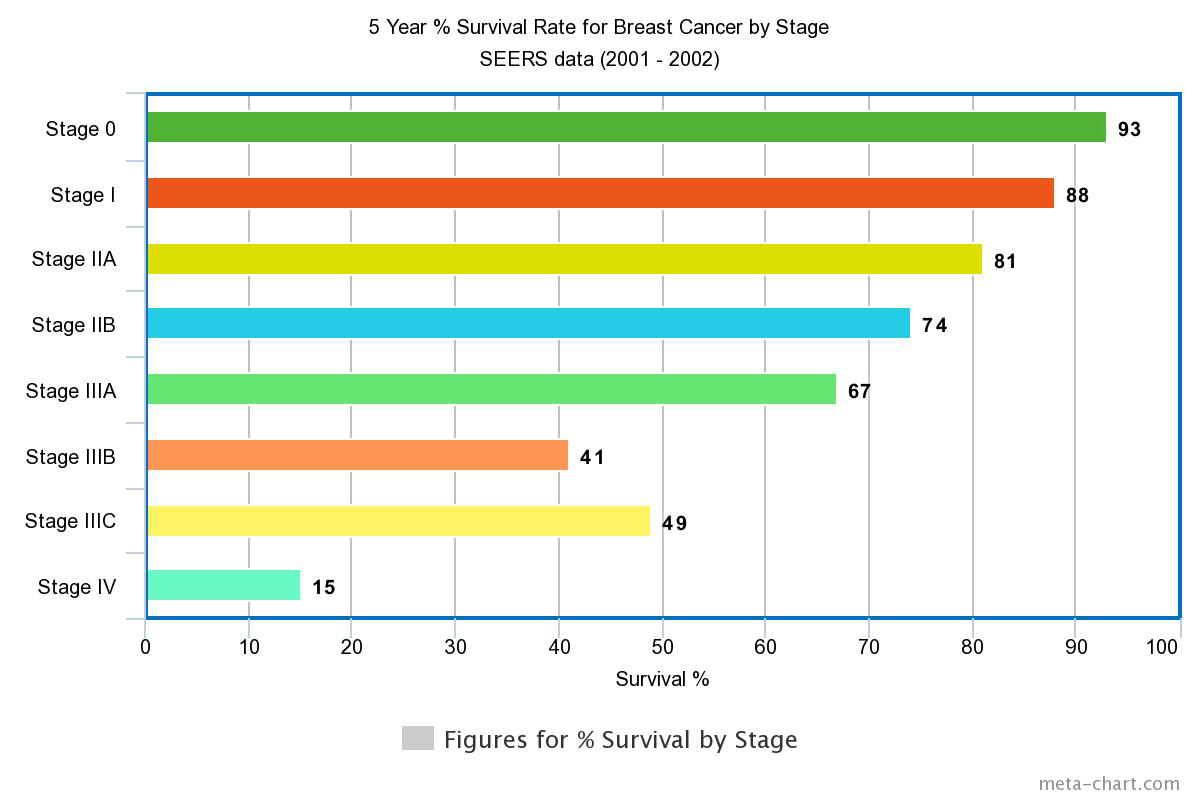
From the microscopic level of genomic sequencing to the macro level of AI-driven population health data, technology is the primary weapon in the fight against cancer relapse. We are moving toward a future where “recurrence” is not a surprise event, but a predicted and managed variable, mitigated by the power of silicon and software. As these tools become more accessible, the focus will shift from simply identifying high-risk types to proactively ensuring that a “high recurrence rate” no longer translates to a lower survival rate.
aViewFromTheCave is a participant in the Amazon Services LLC Associates Program, an affiliate advertising program designed to provide a means for sites to earn advertising fees by advertising and linking to Amazon.com. Amazon, the Amazon logo, AmazonSupply, and the AmazonSupply logo are trademarks of Amazon.com, Inc. or its affiliates. As an Amazon Associate we earn affiliate commissions from qualifying purchases.