
The quest to find the “best” TV streaming service has become a modern entertainment odyssey, a journey through a rapidly evolving digital landscape. What began as a handful of pioneering platforms has exploded into a myriad of options, each vying for screen time and subscription dollars. For many, the sheer volume of choice is overwhelming, leading to a phenomenon known as “streaming fatigue.” Is it the one with the most original content? The best movie selection? The most robust technical features? Or perhaps the one that simply integrates most seamlessly into your existing smart home ecosystem?

The answer, as with many complex technological decisions, is rarely a simple “one size fits all.” Instead, “best” is a deeply personal and context-dependent metric, intricately tied to your specific technical setup, viewing habits, and content preferences. This article will delve into the technical underpinnings and user experience facets of leading streaming services, guiding you through the critical tech-centric considerations to help you identify which platform truly aligns with your definition of superior digital entertainment. We’ll move beyond mere content catalogs to dissect the technological capabilities, interface design, device compatibility, and advanced features that truly differentiate one service from another in today’s competitive streaming arena.
Understanding Your Streaming Needs and Technical Setup
Before diving into specific services, a critical self-assessment of your existing technological environment and consumption patterns is paramount. The “best” service for a household with cutting-edge 4K HDR TVs and gigabit internet will differ significantly from one relying on older devices and moderate bandwidth.
Device Compatibility and Ecosystem Integration
The first technical hurdle is ensuring compatibility. Streaming services are, at their core, applications that run on a diverse array of hardware. Consider your primary viewing devices:
- Smart TVs: Does your television run Android TV, webOS, Tizen, Roku TV, or another proprietary OS? Ensure the service has a native, well-maintained app for it.
- Streaming Sticks/Boxes: Roku, Amazon Fire TV, Apple TV, Google Chromecast with Google TV—these dedicated devices are often more robust and offer smoother experiences than built-in smart TV apps. Check for optimal app performance on your preferred stick.
- Game Consoles: PlayStation and Xbox consoles serve as powerful streaming hubs.
- Mobile Devices & Tablets: For on-the-go viewing, assess the quality and feature set of the iOS and Android apps.
- Desktop Browsers: For PC/Mac viewing, evaluate browser compatibility and performance.
Ecosystem integration is another subtle yet powerful technical aspect. If you’re heavily invested in the Apple ecosystem, Apple TV+ might offer seamless AirPlay 2 integration, shared family subscriptions, and Siri voice control. Similarly, Amazon Prime Video integrates deeply with Fire TV devices and Alexa, while Google’s services naturally synergize with Android and Chromecast. A service that plays nicely with your existing tech stack often provides a more fluid and less frustrating user experience.
Internet Speed and Data Usage Considerations
The backbone of any streaming experience is your internet connection. Different resolutions and content types demand varying bandwidth:
- Standard Definition (SD): Typically requires 1-3 Mbps.
- High Definition (HD – 720p/1080p): Demands 3-8 Mbps.
- Ultra High Definition (4K UHD): Requires a sustained 15-25 Mbps, with HDR content potentially needing more.
- Simultaneous Streams: If multiple users stream concurrently in your household, these requirements multiply.
Modern streaming services employ adaptive bitrate streaming, meaning they dynamically adjust video quality based on your available bandwidth to prevent buffering. While this is a brilliant technical solution, a consistently low connection will prevent you from ever enjoying the highest quality. Furthermore, if you have a data cap from your Internet Service Provider, frequent 4K streaming can quickly consume your monthly allowance, leading to overage charges or throttled speeds. Understanding your internet plan’s limitations is crucial.
User Interface and Experience (UI/UX)
While often perceived as a superficial element, the UI/UX is a critical technical achievement and a fundamental part of a service’s functionality. A well-designed interface offers:
- Intuitive Navigation: Can you easily find what you’re looking for, or browse new content without feeling lost?
- Robust Search Functionality: Effective search algorithms that understand synonyms and misspellings are vital.
- Personalized Recommendations: Advanced machine learning algorithms analyze your viewing history to suggest relevant content, improving discoverability and engagement.
- Customization: Features like watchlists, favoriting, and content filtering contribute to a tailored experience.
- Stability and Performance: The app should load quickly, respond smoothly to commands, and be free of crashes or significant lag. A clunky, slow app, regardless of content, delivers a frustrating technical experience.
Core Features and Content Catalogs: A Technical Dive
Beyond the sheer volume of content, the technical features supporting that content and how it’s delivered are paramount. These features directly impact your viewing pleasure and flexibility.
Content Resolution and Audio Quality
The visual and auditory fidelity of streamed content is a major differentiator.
- 4K UHD & HDR: Many services now offer 4K (3840×2160 pixels), providing incredible detail. High Dynamic Range (HDR) standards like Dolby Vision, HDR10, and HDR10+ further enhance visuals by expanding the contrast ratio and color gamut, resulting in brighter whites, darker blacks, and more vibrant colors. Not all 4K content includes HDR, and not all services offer both consistently across their libraries. The technical encoding and delivery pipeline for HDR are complex and demanding.
- Spatial Audio (Dolby Atmos/DTS:X): For those with compatible sound systems, object-based audio technologies like Dolby Atmos provide a truly immersive sound experience, with sounds appearing to come from specific points in a 3D space. This requires specific audio tracks to be encoded and delivered, which not all services support for all content.
Evaluating a service’s commitment to these high-fidelity standards is key for videophiles and audiophiles.
Offline Viewing and Download Capabilities
For commuters, travelers, or those with intermittent internet access, the ability to download content for offline viewing is a game-changer.
- Technical Implementation: This feature involves temporary DRM-protected file downloads to your device’s local storage.
- Storage Considerations: Downloads consume significant storage space, especially for HD/4K content.
- Limitations: Services often impose restrictions on the number of downloads, how long content can be kept, and which devices are supported for offline playback. Understanding these technical limitations is important for practical use.
Simultaneous Streams and User Profiles
These features are crucial for multi-person households.
- Simultaneous Streams: Services typically limit the number of devices that can stream concurrently from a single account. Higher tiers usually offer more streams. This is a technical resource allocation strategy.
- User Profiles: Allowing individual profiles with personalized recommendations, watchlists, and viewing history is a standard feature. This relies on sophisticated backend databases and user management systems to maintain separate user states within a single subscription.
Live TV Functionality and DVR Alternatives
For cord-cutters looking to replace traditional cable, services offering live TV (e.g., YouTube TV, Hulu + Live TV) come with their own set of technical considerations.
- Channel Delivery: Live streams require robust infrastructure to handle real-time broadcasting over IP, often with minimal latency.
- Cloud DVR: These services typically offer “cloud DVRs,” allowing you to record live broadcasts and store them virtually. The technical challenge here is scalable storage and efficient content delivery, sometimes with limitations on recording duration or fast-forwarding through ads.
- On-Demand Integration: Many live TV services seamlessly integrate their on-demand library with live channels, offering a unified tech experience.
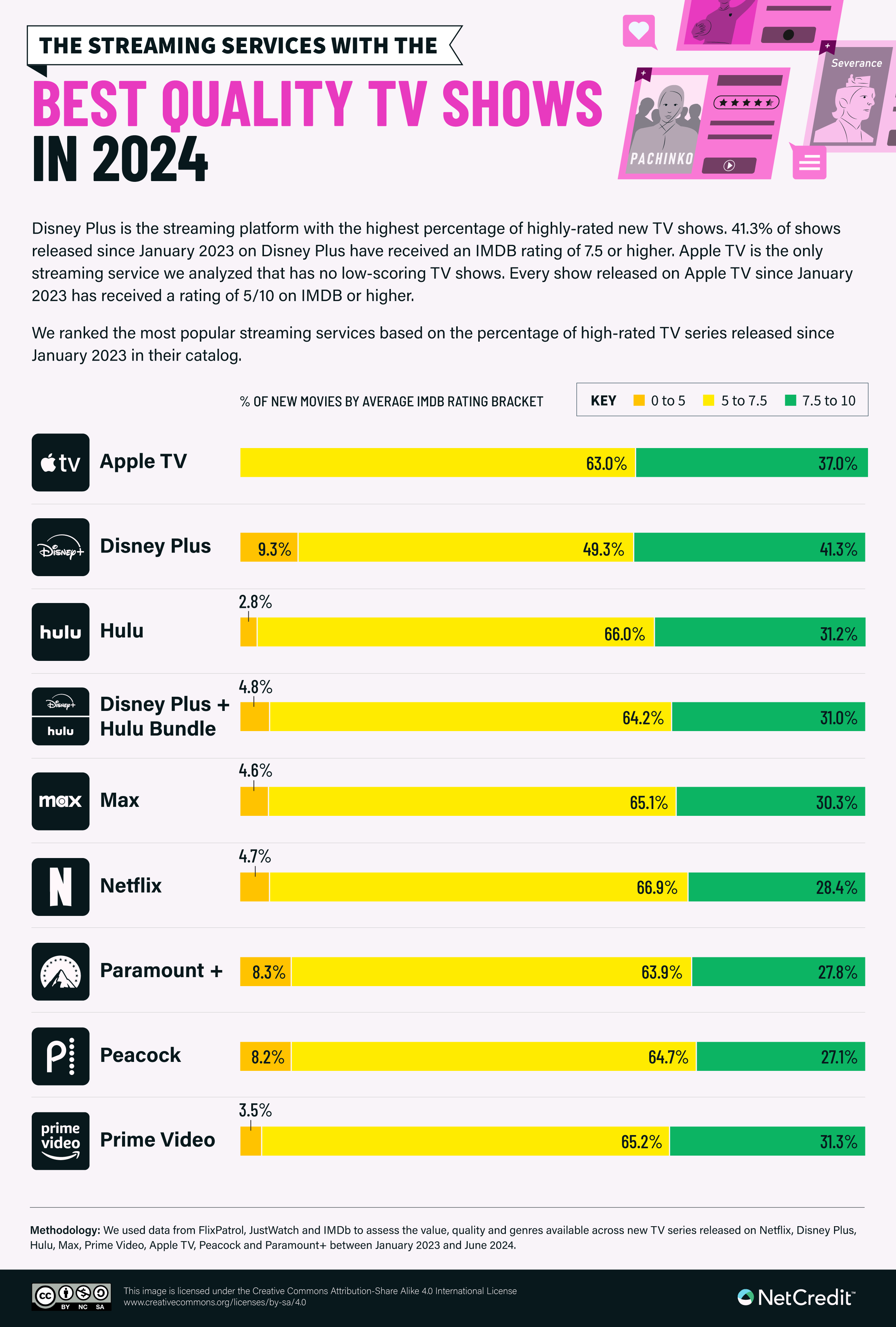
Advanced Features and Emerging Technologies
The best streaming services don’t just offer content; they innovate with features that enhance accessibility, interactivity, and integration.
Personalization Algorithms and AI Recommendations
At the heart of a modern streaming service’s engagement strategy are its personalization algorithms, powered by artificial intelligence and machine learning. These sophisticated systems analyze vast datasets of user behavior—what you watch, how long you watch it, what you skip, what you search for, and even what time of day you watch—to construct incredibly detailed viewer profiles.
- Technical Sophistication: These algorithms go beyond simple “if you watched X, you might like Y” rules. They employ collaborative filtering, matrix factorization, and deep learning neural networks to identify subtle patterns and predict future preferences.
- Impact on UX: The effectiveness of these algorithms directly impacts how quickly and easily you discover new content you’ll enjoy, reducing “decision paralysis” and increasing the perceived value of the service. The best algorithms are constantly learning and adapting.
Accessibility Features
A commitment to inclusivity is reflected in a service’s technical accessibility features.
- Subtitles and Closed Captions (CC): Essential for the hearing impaired and non-native speakers, these require accurate transcription and synchronization with video. Advanced CC can include speaker identification and sound effect descriptions.
- Audio Descriptions (AD): For the visually impaired, AD provides narrative descriptions of key visual elements within the program. This involves creating and delivering a separate audio track.
- Language Options: Beyond subtitles, the provision of multiple audio tracks for different languages expands a service’s global reach and utility.
- Navigation Aids: Support for screen readers and keyboard-only navigation makes apps usable for a wider range of users.
Integration with Smart Home Ecosystems
As smart homes become more prevalent, the ability of streaming services to integrate with voice assistants and smart devices adds a layer of convenience.
- Voice Control: Services that integrate with Alexa, Google Assistant, or Siri allow users to control playback (play, pause, skip), search for content, or even launch specific shows using voice commands. This requires robust API integration.
- Smart Display Compatibility: Playing content directly on smart displays (like Google Nest Hub or Amazon Echo Show) for quick viewing or kitchen entertainment.
- Automation: While less common, some advanced users might integrate streaming habits into home automation routines (e.g., dimming lights when a movie starts).
Future-Proofing: What to Look for in New Technologies
The tech landscape is ever-changing. The “best” service today is also one that shows a commitment to adopting future technologies. This could include:
- AV1 Codec: A royalty-free video compression format offering superior quality at lower bitrates, which could mean better 4K HDR streaming with less bandwidth.
- Interactivity: Early explorations into interactive storytelling or personalized narratives.
- Spatial Computing/VR: While nascent, streaming experiences in virtual or augmented reality environments could redefine content consumption. A service’s technical agility in adapting to these future paradigms is a strong indicator of its long-term viability.
Evaluating the Leading Contenders (Tech Perspective)
With these technical criteria in mind, let’s briefly consider how some of the leading streaming services stack up from a technology-focused viewpoint.
Netflix: The Benchmark for UI and Global Reach
Netflix is often praised for its consistently excellent user interface, robust personalization algorithms, and broad device compatibility. Its adaptive bitrate streaming is highly optimized, offering reliable performance even on varied internet connections. Netflix was an early adopter of 4K, HDR (Dolby Vision), and Dolby Atmos, and their content is generally delivered with high technical fidelity. Their global infrastructure is unparalleled, ensuring smooth streaming worldwide.
Disney+: Technical Prowess with Family Focus
Disney+ launched with strong technical foundations, immediately offering a significant portion of its library in 4K HDR (HDR10 and Dolby Vision) and Dolby Atmos. Its app is generally stable and intuitive, with excellent support for user profiles and simultaneous streams. Its UI is clean and easy to navigate, particularly for families. The ability to download a wide range of content for offline viewing is also a major technical advantage.
Max (formerly HBO Max): Premium Content, Evolving Tech
Max boasts a premium content library known for its cinematic quality. While its initial app performance (as HBO Max) was sometimes inconsistent, it has seen significant technical improvements in stability and feature set. It offers 4K UHD with Dolby Vision and Dolby Atmos for many of its original series and movies, delivering a high-quality visual and audio experience when it works optimally. Its integration into the Warner Bros. Discovery ecosystem means a broader range of content, with the technical challenge of unifying diverse catalogs.
Amazon Prime Video: Ecosystem Integration and Add-ons
Amazon Prime Video’s strength lies in its deep integration with the broader Amazon ecosystem, making it a seamless experience for Fire TV users and Alexa voice control. It offers 4K HDR and Dolby Atmos for much of its original content. A unique technical feature is its “Channels” add-on system, allowing users to subscribe to other streaming services directly through Prime Video’s app, simplifying billing and access, albeit sometimes leading to a less cohesive UI for third-party content.
Hulu & YouTube TV: Live TV Tech and On-Demand Blending
Hulu, particularly with its Live TV option, faces the complex technical challenge of blending traditional live broadcasting with on-demand content. YouTube TV, a pure live TV streaming service, excels in its cloud DVR functionality and often boasts superior picture quality for live broadcasts compared to some cable alternatives. Both services require robust network infrastructure and advanced encoding to deliver reliable live streams and manage large cloud DVR libraries.
Apple TV+: Quality Over Quantity, Superior A/V Tech
Apple TV+ differentiates itself with a curated, high-quality content library. From a technical standpoint, it is often lauded for its consistently high bitrates, delivering some of the best-looking 4K Dolby Vision and sounding Dolby Atmos streams available. Its app is sleek, intuitive, and deeply integrated into the Apple ecosystem, offering a premium user experience on Apple devices, with good, if less ubiquitous, support on other platforms.

Conclusion
The pursuit of the “best” TV streaming service is ultimately a personal journey, yet one that is profoundly shaped by underlying technology. There isn’t a single universal champion, but rather a collection of services that excel in different technical domains. To truly find your best fit, you must first define your priorities: Is it the absolute highest visual and audio fidelity? The most reliable performance across a myriad of devices? Superior AI-driven recommendations? The ability to download everything for offline viewing? Or perhaps a seamless integration with your existing smart home setup?
As the streaming wars continue to evolve, with new content and features constantly emerging, the technical capabilities of these platforms will only become more sophisticated. By understanding the technological nuances—from device compatibility and internet requirements to advanced features like personalization algorithms and spatial audio—you can make an informed decision that elevates your digital entertainment experience. The “best” service for you will be the one that most effectively leverages technology to meet your specific viewing habits, technical environment, and content desires, ensuring that every stream is a smooth, high-quality, and enjoyable experience.
aViewFromTheCave is a participant in the Amazon Services LLC Associates Program, an affiliate advertising program designed to provide a means for sites to earn advertising fees by advertising and linking to Amazon.com. Amazon, the Amazon logo, AmazonSupply, and the AmazonSupply logo are trademarks of Amazon.com, Inc. or its affiliates. As an Amazon Associate we earn affiliate commissions from qualifying purchases.