
From its rudimentary beginnings as a flickering black-and-white box to the sleek, internet-connected supercomputers that grace our living rooms today, the television has undergone a transformative journey. To ask “what TV is” in the 21st century is to delve into a complex tapestry of cutting-edge display technologies, sophisticated software platforms, and an ever-expanding ecosystem of content delivery. Far from being a mere passive receiver of broadcast signals, modern television stands as a central hub of digital entertainment, communication, and increasingly, an integral part of the smart home. This exploration will unpack the technological essence of television, tracing its evolution and peering into its anticipated future, firmly placing it within the realm of evolving gadgetry and digital innovation.
The Core Concept: From Broadcast to Interactive Display
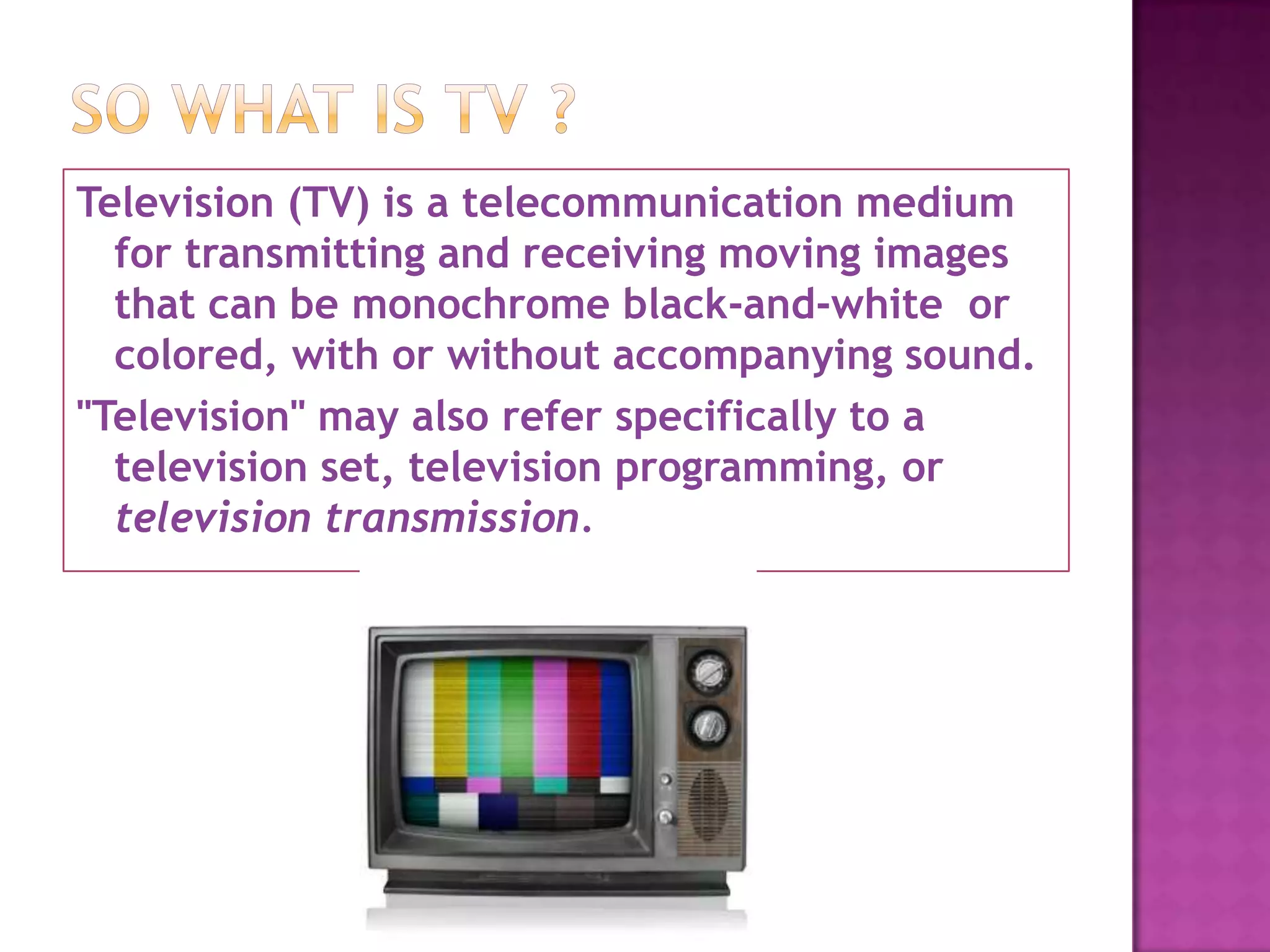
At its most fundamental level, television is a telecommunication medium used for transmitting moving images in two or three dimensions, along with sound. However, the means of achieving this transmission and display have seen radical shifts over the decades, defining what TV is at any given point in history.
Early Beginnings: The Analog Era
The genesis of television is rooted in the early 20th century, with pioneering experiments in transmitting visual information electrically. While Scottish inventor John Logie Baird demonstrated the first mechanical television system in 1925, using a Nipkow disk to scan images, it was the electronic television, developed by Philo Farnsworth and Vladimir Zworykin, that laid the groundwork for the technology we recognize today.
The analog television systems that dominated for most of the 20th century relied on continuous electrical signals to encode picture and sound information. Broadcasting involved converting these signals into radio waves, which were then transmitted over the air via VHF (Very High Frequency) and UHF (Ultra High Frequency) bands. Viewers’ cathode ray tube (CRT) televisions would then receive these waves, decode them, and project them onto a phosphorescent screen using an electron gun. This process, while revolutionary for its time, was inherently limited by signal interference, resolution constraints, and bandwidth inefficiency. The large, bulky CRT sets, with their curved screens and substantial power consumption, represented the physical manifestation of analog television technology.
The Digital Revolution: Enhanced Quality and Efficiency
The late 20th and early 21st centuries witnessed the pivotal transition from analog to digital television. This shift was not merely an incremental improvement; it was a paradigm change. Digital television (DTV) encodes video and audio signals as discrete binary data, offering numerous advantages over its analog predecessor.
Standardization bodies like ATSC (Advanced Television Systems Committee) in North America, DVB-T (Digital Video Broadcasting – Terrestrial) in Europe, and ISDB-T (Integrated Services Digital Broadcasting – Terrestrial) in Japan, defined the technical specifications for digital broadcasting. Key to this transition was the adoption of sophisticated compression algorithms, primarily MPEG (Moving Picture Experts Group) standards like MPEG-2 and later MPEG-4. These technologies allowed for significantly more efficient use of broadcast spectrum, enabling the transmission of multiple channels within the bandwidth previously occupied by a single analog channel. Crucially, digital signals are less susceptible to interference, resulting in a cleaner, sharper picture and clearer sound. This paved the way for higher resolutions, multi-channel audio, and eventually, interactive services, fundamentally redefining what a television could deliver.
The Modern Television: A Multifaceted Smart Hub
Today, the term “TV” often conjures images of ultra-thin panels boasting vibrant colors and seamless internet connectivity. The contemporary television is less a display and more a powerful computer optimized for visual and auditory entertainment, integrating sophisticated hardware with intuitive software.
Smart TV Platforms: Operating Systems for Entertainment
One of the most defining characteristics of modern television is its “smart” capability. A Smart TV is essentially a television set with integrated internet and interactive features, powered by a dedicated operating system. This transforms the TV from a passive receiver into an active content portal.
Major players like Google (Android TV/Google TV), Samsung (Tizen), LG (webOS), and Roku (Roku TV) offer proprietary or licensed platforms that serve as the interface for accessing streaming services (Netflix, YouTube, Hulu, Disney+), web browsing, and various apps. These platforms come with app stores, allowing users to download and customize their entertainment experience. Voice control integration, often powered by AI assistants like Google Assistant or Amazon Alexa, further enhances usability, enabling hands-free navigation, content search, and even smart home device control directly from the television. The continuous updates to these operating systems mean that the functionality of a Smart TV can evolve long after purchase, keeping it abreast of new technological advancements and content trends.
Display Technologies: A Feast for the Eyes
The visual fidelity of modern TVs is a direct result of relentless innovation in display technology. The journey from CRT to today’s advanced panels represents a leap in picture quality, energy efficiency, and form factor.
- LCD and LED: Liquid Crystal Display (LCD) technology, particularly when backlit by Light Emitting Diodes (LEDs), has been the bedrock of flat-panel TVs for decades. LCDs work by selectively blocking or allowing light to pass through liquid crystals, and LED backlighting provides illumination. While more energy-efficient and thinner than CRTs, their picture quality can be limited by contrast ratios and viewing angles, especially with traditional edge-lit LED configurations.
- OLED: Organic Light Emitting Diode (OLED) technology revolutionized picture quality by allowing each individual pixel to emit its own light and turn completely off. This enables “perfect blacks,” infinite contrast ratios, and extremely wide viewing angles, leading to stunningly vibrant and accurate colors. OLED TVs are also incredibly thin and can even be made flexible or transparent.
- QLED and Mini-LED: Developed primarily by Samsung, QLED (Quantum Dot LED) is an enhancement of traditional LED-backlit LCD technology. It uses quantum dots to produce purer, more saturated colors and can achieve incredibly high peak brightness. Mini-LED technology further refines LED backlighting by using thousands of tiny LEDs for more precise local dimming, dramatically improving contrast and black levels, bridging some of the gap with OLED without incurring the same cost or potential burn-in risks.
- MicroLED: Representing the next frontier, MicroLED uses microscopic LEDs for each pixel, similar to OLED but with inorganic materials, promising the perfect blacks and pixel-level control of OLED while offering superior brightness, longevity, and larger screen size scalability, albeit at a significantly higher cost currently.
Resolution and Refresh Rates: The Pursuit of Visual Fidelity
The sheer detail and smoothness of motion on modern televisions are governed by their resolution and refresh rate.
- HD, Full HD, 4K UHD: Resolution refers to the number of pixels on the screen. High Definition (HD, typically 720p) and Full High Definition (Full HD, 1080p) were standard for many years. Today, 4K Ultra High Definition (UHD), with 3840 x 2160 pixels (four times that of Full HD), is the prevalent standard, offering incredible detail and clarity, especially on larger screens.
- 8K: The newest resolution frontier, 8K UHD (7680 x 4320 pixels), offers even more density, though its practical benefits are currently limited by a lack of native 8K content and the ability of the human eye to discern the difference at typical viewing distances.
- High Refresh Rates: The refresh rate, measured in Hertz (Hz), indicates how many times the screen updates per second. While 60Hz is common, higher refresh rates like 120Hz or even 144Hz are increasingly found in premium TVs, particularly those aimed at gamers. Coupled with technologies like Variable Refresh Rate (VRR), these higher rates ensure incredibly smooth motion, reducing blur and tearing, which is crucial for fast-paced content and interactive gaming experiences.
Connectivity and Ecosystem: Beyond the Screen
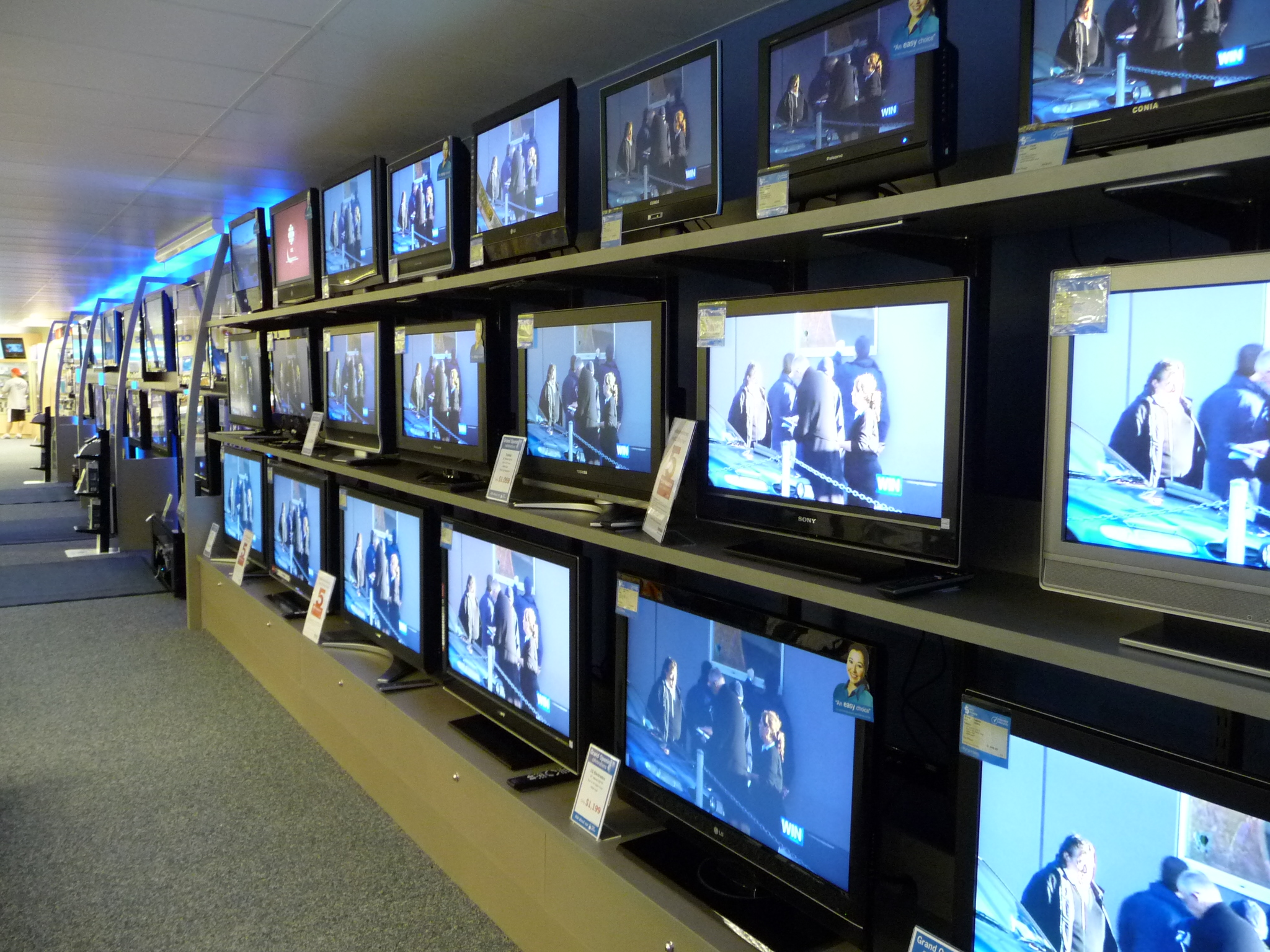
A modern TV’s capabilities extend far beyond its display, thanks to a robust array of connectivity options that integrate it into a broader digital ecosystem.
HDMI and USB: The Essential Ports
HDMI (High-Definition Multimedia Interface) remains the undisputed king of wired connectivity. Evolving through various versions (e.g., HDMI 2.0, HDMI 2.1), it allows for a single cable to transmit uncompressed digital video and multi-channel audio from devices like Blu-ray players, gaming consoles, and soundbars. Crucial advancements in HDMI 2.1 include support for 4K@120Hz, 8K@60Hz, Variable Refresh Rate (VRR), Auto Low Latency Mode (ALLM) for gaming, and Enhanced Audio Return Channel (eARC) for high-fidelity audio pass-through to sound systems. USB ports, meanwhile, facilitate external storage for media playback or recording and power supply for accessories.
Wireless Technologies: Wi-Fi, Bluetooth, and Beyond
Wireless connectivity is fundamental to the Smart TV experience. Integrated Wi-Fi allows for seamless streaming of online content and network access. Bluetooth enables the connection of wireless headphones, game controllers, and other peripherals without the clutter of cables. Furthermore, technologies like Apple AirPlay and Google Cast allow users to effortlessly mirror content from their smartphones or tablets directly to the TV, blurring the lines between personal devices and the shared living room screen. This robust wireless ecosystem also makes the TV a powerful hub for smart home integration, allowing it to display security camera feeds, control smart lights, and act as a central display for various IoT devices.
Audio Innovation: Immersive Soundscapes
While picture quality often takes center stage, audio technology has also made significant strides. Built-in TV speakers have improved, but for truly immersive experiences, external sound systems are paramount. Soundbars offer a compact upgrade, while dedicated AV receivers driving multi-speaker setups deliver cinematic audio. Technologies like Dolby Atmos and DTS:X, which utilize object-based audio, create three-dimensional soundscapes where sounds appear to come from specific points in space, including overhead, dramatically enhancing immersion in movies, games, and music. Modern TVs are designed to seamlessly integrate with these advanced audio solutions, often via eARC, to deliver the best possible sound experience.
The Future of Television: Beyond the Rectangular Box
The relentless pace of technological innovation ensures that “what TV is” will continue to evolve. The trajectory points towards even more personalized, integrated, and flexible entertainment experiences.
Personalized and Adaptive Experiences
The future TV will leverage artificial intelligence and machine learning to offer highly personalized content recommendations, moving beyond simple genre suggestions to understanding individual viewing habits, moods, and even contextual factors like time of day or companion viewers. Interactive advertising, where viewers can directly engage with ads or make purchases, will become more sophisticated. The TV could also become adaptive, adjusting picture and sound settings dynamically based on room conditions, content type, and viewer preferences.
Form Factors and Modularity
We are already seeing the first glimpses of televisions breaking free from the rigid rectangular panel. Rollable OLED TVs that disappear when not in use, transparent displays that blend into their surroundings, and modular MicroLED walls that allow for customizable screen sizes are all pushing the boundaries of form factor. Projectors, particularly ultra-short-throw models, are also offering an alternative for massive screen sizes without requiring a physical display. Integration with augmented reality (AR) could see screens overlaying digital information onto real-world views, offering an entirely new way to consume media and interact with content.
Sustainability and Power Efficiency
As technology advances, so too does the imperative for sustainability. Future TVs will prioritize eco-friendly manufacturing processes, using recyclable materials and reducing hazardous substances. Energy efficiency will continue to be a key design driver, with innovations aimed at minimizing power consumption during both active use and standby modes. Features like ambient light sensors and intelligent power management will become standard, helping to reduce the environmental footprint of these ubiquitous devices.
Choosing Your TV: A Guide to Informed Decisions
Navigating the vast array of choices in the TV market requires an understanding of what truly matters for your specific needs. What TV is for you will depend on how you intend to use it.
Matching Needs with Features
Consider your primary use cases: Are you a dedicated gamer requiring low input lag and high refresh rates? A cinephile prioritizing perfect blacks and cinematic color accuracy? A sports fan needing smooth motion and vibrant action? Or a casual viewer looking for a reliable, all-around performer? Room size and lighting conditions are also crucial – a bright room might benefit from a high-brightness QLED, while a dark home theater is ideal for an OLED.

Understanding Specifications vs. Marketing Hype
While specifications are important, it’s vital to discern genuine technological advancements from marketing jargon. Higher numbers don’t always equate to a significantly better experience in real-world scenarios. Research independent reviews, compare real-world performance, and prioritize features that genuinely enhance your viewing experience. Understanding the core technologies – whether it’s OLED’s self-emissive pixels or Mini-LED’s localized dimming – empowers you to make an informed decision that balances performance, features, and budget, ensuring your television remains a technologically relevant and enjoyable entertainment hub for years to come.
In essence, “what TV is” has evolved from a simple broadcast receiver to a sophisticated, internet-connected super-display, at the technological forefront of our digital lives. Its journey is a testament to human ingenuity, pushing the boundaries of visual fidelity, interactive experiences, and integrated connectivity, promising an even more exciting future for the ubiquitous screen in our homes.
aViewFromTheCave is a participant in the Amazon Services LLC Associates Program, an affiliate advertising program designed to provide a means for sites to earn advertising fees by advertising and linking to Amazon.com. Amazon, the Amazon logo, AmazonSupply, and the AmazonSupply logo are trademarks of Amazon.com, Inc. or its affiliates. As an Amazon Associate we earn affiliate commissions from qualifying purchases.