
In the landscape of modern media, identifying where a specific entity sits within the vast ecosystem of entertainment is crucial for understanding its market value and strategic direction. When asking “what TV category does USA Network fall under,” the answer is multi-layered. From a technical distribution standpoint, it is a basic cable channel. However, from a brand strategy perspective, USA Network is a masterclass in the “General Entertainment” category.
For decades, USA Network has maintained a dominant position by balancing a broad appeal with a highly specific brand voice. This article explores the brand architecture of USA Network, its strategic evolution under the NBCUniversal umbrella, and how it defines its category in an era of rapid digital transformation.

1. Defining the Category: The General Entertainment Powerhouse
USA Network is primarily categorized as a General Entertainment (GE) Basic Cable Channel. In the hierarchy of brand strategy, GE channels are the most challenging to maintain because they do not rely on a single niche—such as cooking, news, or history—to attract an audience. Instead, they must build a cohesive brand identity that encompasses a variety of genres, including scripted drama, reality television, and live sports.
The Shift from Niche to Mass Appeal
In its early inception, the network experimented with various identities. However, its modern brand equity was built on the premise of being a “top-of-mind” destination for high-quality, accessible storytelling. Unlike “Premium Cable” (like HBO), which focuses on exclusive, high-cost prestige, or “Broadcast” (like NBC), which must adhere to stricter FCC regulations, USA Network carved out a niche in the “Basic Cable” space by offering “Premium-lite” content. This positioning allowed the brand to capture a demographic that wanted more sophistication than broadcast TV but didn’t want the subscription hurdles of premium networks.
The “Characters Welcome” Legacy
Perhaps the most significant milestone in USA Network’s brand history was the “Characters Welcome” campaign. This wasn’t just a slogan; it was a brand manifesto. By categorizing themselves as the home for unique, quirky, and relatable protagonists, they moved away from being a “catch-all” channel to a “curated experience.” This strategic move defined their category: they weren’t just showing TV; they were hosting personalities. This era solidified USA Network as a leader in brand-driven programming, proving that a general entertainment channel could have a specific emotional resonance.
2. Brand Strategy and Corporate Identity under NBCUniversal
The category a network falls under is often dictated by its parent company’s broader corporate strategy. As a cornerstone of the NBCUniversal portfolio, USA Network’s identity is inextricably linked to the concept of Synergetic Branding.
The Strategic Value of Live Sports
In recent years, USA Network has shifted its brand category to include a heavy emphasis on live “Event Television.” By incorporating the WWE (World Wrestling Entertainment) and various Olympic coverages, the brand has transitioned from being purely a “scripted drama” house to a “dynamic live entertainment” hub. This is a deliberate brand pivot. In a world of on-demand streaming, live sports and “appointment viewing” events are the only ways to guarantee high-value ad inventory. By categorizing itself as a destination for live spectacle, USA Network protects its brand from the erosion of linear TV viewership.
Cross-Platform Corporate Identity
USA Network does not exist in a vacuum. Its brand strategy is designed to feed into the Peacock streaming ecosystem. From a marketing perspective, the network acts as a “top-of-funnel” lead generator. Shows that premiere on USA Network are branded with a specific visual language that signals their eventual home on Peacock. This creates a seamless brand journey for the consumer, moving them from traditional linear cable to a digital subscription model. This dual-category existence—as both a cable mainstay and a streaming feeder—is the hallmark of modern corporate brand identity.
3. The Visual Language and Design of the USA Brand
A brand’s category is often communicated through its visual identity before a single frame of video is played. USA Network has mastered the art of Minimalist Corporate Identity to signal its category as a modern, high-energy entertainment leader.

Minimalism and Modernity
The current USA Network logo—a bold, lowercase “usa” where the “s” is formed by negative space—is a classic example of modernist design. It signals transparency, accessibility, and modernity. In the category of general entertainment, where logos are often flashy or over-designed, USA’s commitment to a clean, typographic approach sets it apart as a “premium” choice within the basic cable tier. The use of negative space is a metaphor for the brand itself: it provides the framework (the network), but the “character” (the content) fills the gaps.
The Psychology of Color and Motion
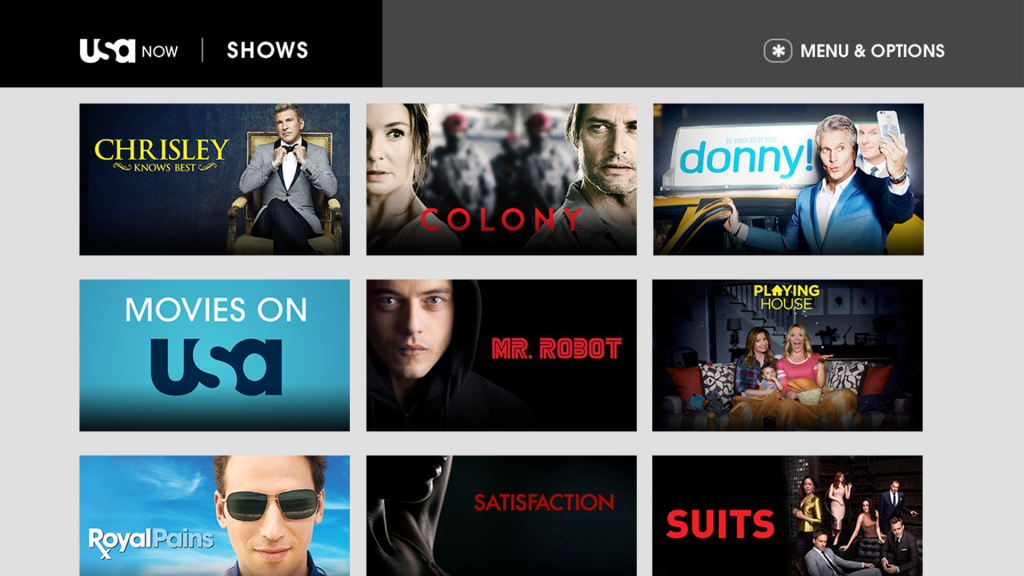
In its marketing collateral, USA Network frequently utilizes a vibrant but professional color palette. The transition from the “Blue Skies” era (bright, optimistic, saturated colors) to a more “Modern/Edgy” aesthetic (high contrast, darker tones) reflects a strategic shift in target demographics. As the network moved toward grittier dramas like Mr. Robot, its visual brand identity evolved to match. This demonstrates how a brand can maintain its core category while shifting its “vibe” to stay relevant to changing consumer tastes.
4. Brand Differentiation in the Age of Streaming
As the media landscape fragments, the “TV category” of USA Network is being challenged by the rise of Direct-to-Consumer (DTC) brands. To survive, USA Network has focused on Brand Differentiation through consistency and reliability.
USA Network vs. The Streaming Giants
While Netflix or Disney+ offer a “firehose” of content, USA Network positions itself as a “curated stream.” The brand strategy here is to reduce “choice fatigue.” By maintaining a steady schedule of familiar procedurals (like Law & Order: SVU marathons) alongside high-stakes live sports, the network provides a sense of “ambient comfort.” In marketing terms, this is known as “Utility Branding.” The network isn’t just a content provider; it is a reliable background presence in the American household.
Maintaining Brand Equity through “The Suits Effect”
The recent resurgence of the show Suits on streaming platforms has actually reinforced the USA Network brand. Even though the show is being watched on Netflix, the “Suits” brand is fundamentally linked to the “Blue Skies” aesthetic that USA Network pioneered. This “halo effect” allows USA to maintain its status as a tastemaker. It proves that the network’s strategy of developing character-driven, episodic content has long-term brand equity that survives even when the distribution platform changes.
5. Future Outlook: The Evolution of the “Basic Cable” Category
The question of “what category” USA Network falls under will likely continue to evolve. We are moving toward a period where the distinction between “Cable Channel” and “Content Brand” is blurring.
The Pivot to “Unscripted” and “Event-Based” Marketing
As scripted dramas become increasingly expensive and move to streaming-first models, USA Network is re-categorizing itself as the home of Unscripted Reality and High-Stakes Competition. Shows like Chrisley Knows Best (historically) and various competition reality series represent a shift toward “Social Entertainment.” This category relies on brand engagement via social media, where clips and “watercooler moments” drive linear viewership.
The Integration of Commerce and Branding
Looking ahead, USA Network is likely to explore “shoppable media” and deeper brand integrations. As a part of the NBCUniversal “One Platform” strategy, the network is no longer just a place to watch shows; it is a platform for brand partnerships. Whether it is integrated product placement in a WWE storyline or co-branded segments during a reality show, USA Network is defining a new category: The Transactional Entertainment Brand.
Conclusion
In summary, USA Network falls under the category of General Entertainment Basic Cable, but its brand identity is far more nuanced. It is a strategic pillar of the NBCUniversal portfolio, a pioneer of character-driven marketing, and a resilient survivor of the streaming revolution. By leveraging a bold visual identity, a savvy mix of live sports and curated drama, and a deep understanding of audience psychographics, USA Network has ensured that its brand remains “top of mind” regardless of how the television landscape changes.
For marketers and brand strategists, USA Network serves as a vital case study in how to maintain a broad-reach “Generalist” brand in an increasingly “Niche” world. It proves that when you have a strong identity—one that welcomes “characters” and embraces “spectacle”—you don’t just fit into a category; you define it.
aViewFromTheCave is a participant in the Amazon Services LLC Associates Program, an affiliate advertising program designed to provide a means for sites to earn advertising fees by advertising and linking to Amazon.com. Amazon, the Amazon logo, AmazonSupply, and the AmazonSupply logo are trademarks of Amazon.com, Inc. or its affiliates. As an Amazon Associate we earn affiliate commissions from qualifying purchases.