
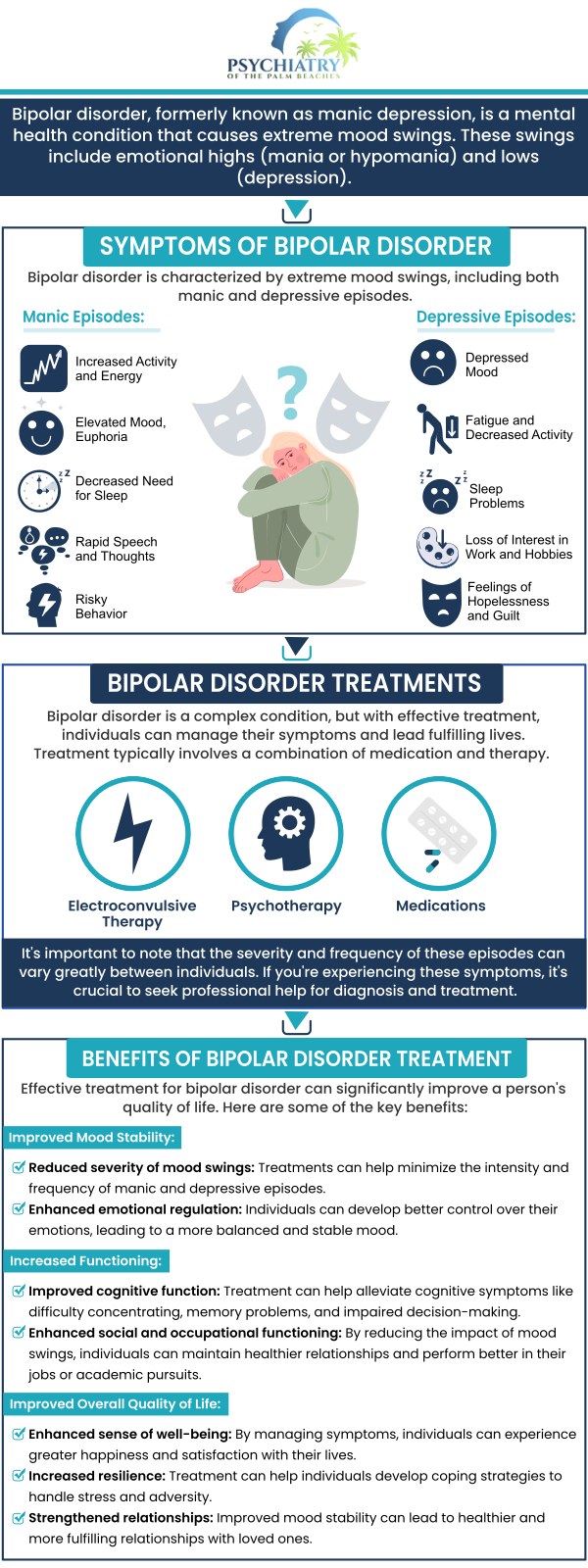
Bipolar disorder, a complex mental health condition characterized by extreme mood swings, has historically presented significant challenges in diagnosis and treatment. While traditional therapeutic approaches and pharmacological interventions remain foundational, the landscape of managing bipolar disorder is undergoing a profound transformation, largely driven by technological advancements. From sophisticated diagnostic tools to personalized treatment platforms and accessible support systems, technology is empowering individuals, clinicians, and researchers to better understand, monitor, and ultimately treat this lifelong condition. This article explores the multifaceted role of technology in the contemporary approach to treating bipolar disorder.
H2: Digital Diagnostics and Predictive Analytics
The journey to effective bipolar disorder treatment often begins with an accurate diagnosis. Historically, this process has been subjective and time-consuming, relying heavily on patient self-reporting and clinician observation. However, innovative technological solutions are revolutionizing this initial phase, offering more objective and potentially predictive insights.
H3: Wearable Technology and Biosensors
The advent of wearable devices, such as smartwatches and fitness trackers, has opened a new frontier in objective data collection. These devices can continuously monitor a range of physiological and behavioral indicators that are often disrupted in individuals with bipolar disorder. This includes:
- Sleep Patterns: Disruptions in sleep are a hallmark of both manic and depressive episodes. Wearables can precisely track sleep duration, quality, and timing, providing clinicians with invaluable objective data that might be difficult for patients to recall accurately. Algorithms can then analyze these patterns for deviations from a baseline, potentially signaling an impending mood shift.
- Activity Levels: Changes in physical activity, from increased restlessness during mania to profound lethargy during depression, can be quantified by step counts, movement patterns, and sedentary time recorded by wearables.
- Heart Rate Variability (HRV): HRV, a measure of the variation in time between heartbeats, is increasingly recognized as a biomarker for stress and emotional regulation. Changes in HRV can correlate with mood states and autonomic nervous system activity, offering another layer of objective insight.
- Social Interaction (Indirectly): While not directly measuring interaction, some devices can infer social engagement through phone usage patterns (e.g., call frequency, text volume) or by tracking time spent in different locations, which can be indicative of social withdrawal or increased sociability.
H3: AI-Powered Analysis of Digital Footprints
Beyond raw sensor data, artificial intelligence (AI) and machine learning (ML) algorithms are proving instrumental in interpreting the vast amounts of information generated by digital devices. These AI systems can:
- Identify Subtler Patterns: AI can detect complex correlations between various data streams that a human observer might miss, uncovering subtle early warning signs of mood changes.
- Personalize Baselines: By learning an individual’s unique physiological and behavioral patterns when they are stable, AI can establish a highly personalized baseline. Deviations from this baseline then become more meaningful indicators of potential relapse.
- Predictive Modeling: Advanced AI models are being developed to predict mood episodes with increasing accuracy. This predictive capability allows for proactive interventions, potentially averting severe episodes or reducing their duration and intensity. For instance, an AI might flag a combination of disturbed sleep, reduced activity, and increased social isolation as a strong predictor of an impending depressive episode.
- Natural Language Processing (NLP) in Digital Communication: While ethically sensitive, NLP is being explored to analyze anonymized text data from social media or communication logs (with explicit consent and robust privacy safeguards). Linguistic cues, such as changes in word frequency, sentiment, and sentence complexity, can sometimes reflect altered cognitive and emotional states.
H2: Digital Therapeutics and Treatment Platforms
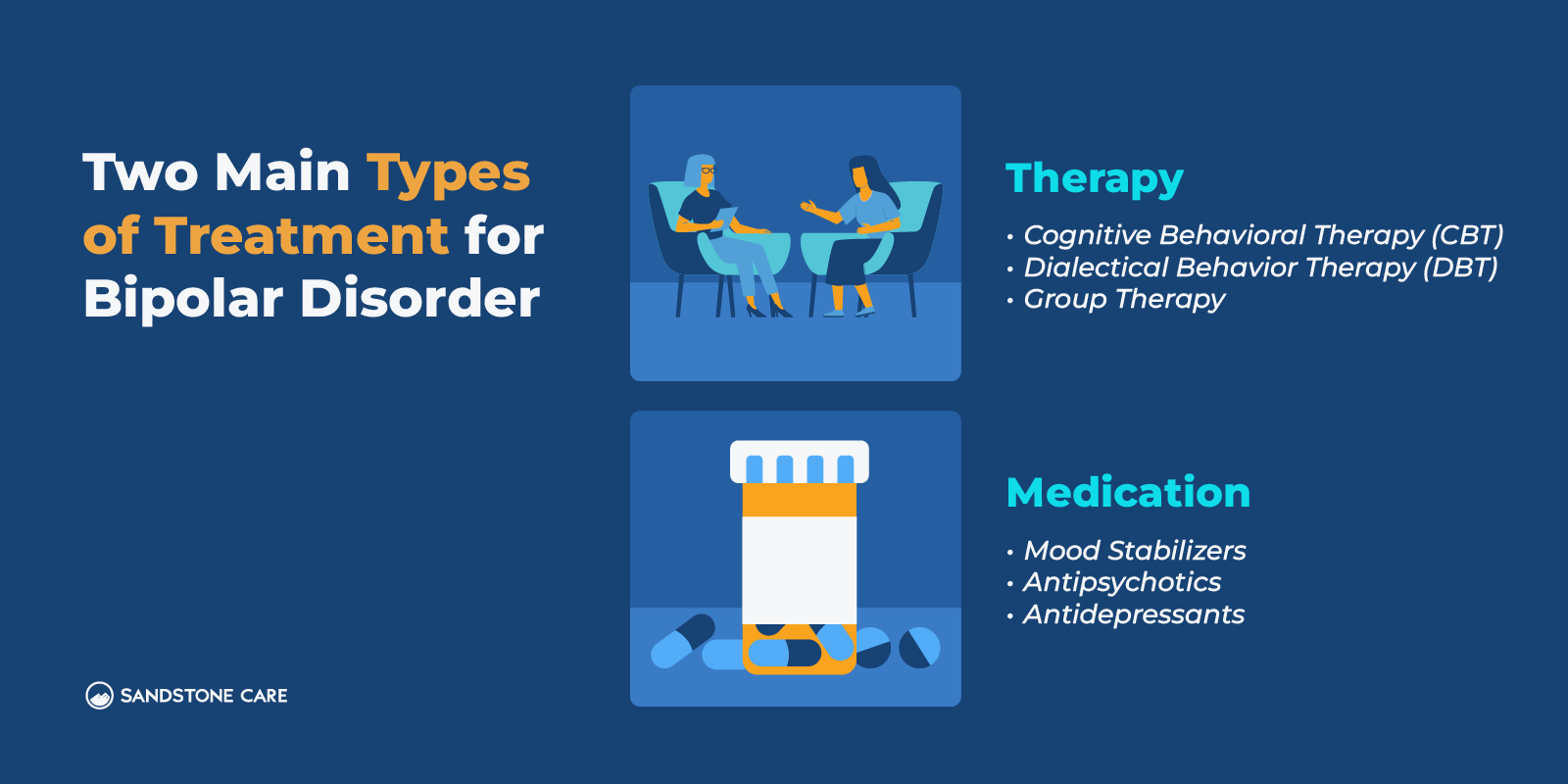
Once diagnosed, the treatment of bipolar disorder involves a combination of medication, psychotherapy, and lifestyle management. Technology is enhancing each of these pillars, offering more accessible, personalized, and effective therapeutic interventions.
H3: Telehealth and Remote Monitoring
The COVID-19 pandemic significantly accelerated the adoption of telehealth, proving its efficacy and accessibility for mental health services. For individuals with bipolar disorder, telehealth offers numerous advantages:
- Increased Accessibility: For those who live in remote areas, have mobility issues, or find commuting to appointments challenging, telehealth removes significant barriers to care.
- Reduced Stigma: Receiving therapy in the comfort of one’s own home can alleviate some of the stigma associated with seeking mental health support.
- Continuity of Care: Telehealth facilitates more consistent contact with healthcare providers, which is crucial for managing a chronic condition like bipolar disorder. Regular check-ins can help monitor medication adherence, identify early warning signs, and adjust treatment plans promptly.
- Remote Monitoring Integration: Telehealth platforms can be integrated with data from wearable devices and smartphone apps, allowing clinicians to have a more comprehensive view of a patient’s state between appointments. This data-driven approach enables more informed and timely interventions.
H3: Digital Therapeutics (DTx) for Mood Management
Digital therapeutics (DTx) are evidence-based software programs designed to prevent, manage, or treat medical disorders. For bipolar disorder, several types of DTx are emerging:
- Cognitive Behavioral Therapy (CBT) Apps: Many apps deliver CBT principles in an engaging and interactive format. These tools help individuals identify negative thought patterns, develop coping mechanisms for mood swings, improve problem-solving skills, and enhance emotional regulation strategies.
- Mindfulness and Meditation Apps: Stress management and mindfulness are vital components of bipolar disorder management. Apps offering guided meditations, breathing exercises, and mindfulness practices can help individuals reduce anxiety, improve focus, and promote emotional stability.
- Mood Trackers and Journaling Apps: Beyond simple manual logging, advanced mood tracking apps often incorporate features like guided journaling prompts, identification of mood triggers, and visualization of mood patterns over time. This self-awareness is a critical component of effective self-management.
- Psychoeducation Platforms: Interactive digital platforms can deliver vital information about bipolar disorder, its symptoms, treatment options, and lifestyle management strategies in an accessible and engaging way. This empowers patients with knowledge, fostering better adherence to treatment and self-care.
H3: Personalized Treatment Algorithms
The “one-size-fits-all” approach to mental health is being challenged by data-driven personalization. AI and ML are being used to develop algorithms that can:
- Optimize Medication Regimens: By analyzing patient data (including genetics, response to previous medications, and real-time monitoring), AI can help predict which medications or combinations are most likely to be effective for an individual with fewer side effects.
- Tailor Psychotherapy Interventions: Based on a patient’s specific symptoms, triggers, and progress, AI can suggest the most appropriate therapeutic modules or techniques for them to focus on within a digital therapy program.
- Adaptive Learning Systems: Some platforms use adaptive learning, where the content and exercises presented adjust in difficulty and focus based on the user’s performance and progress, ensuring the therapy remains challenging yet achievable.
H2: Enhanced Support Networks and Research Tools
Technology’s impact extends beyond direct patient care to fostering community, facilitating peer support, and accelerating research into bipolar disorder.
H3: Online Support Communities and Peer Networks
For individuals living with bipolar disorder, connecting with others who understand their experiences can be profoundly beneficial. Online communities, moderated forums, and dedicated social media groups provide a safe space for:
- Sharing Experiences: Members can share their struggles, successes, and coping strategies, reducing feelings of isolation and fostering a sense of belonging.
- Accessing Peer Support: The informal support and validation from peers can complement professional treatment, offering encouragement during difficult times.
- Information Exchange: While not a substitute for professional advice, these communities can be valuable sources of shared knowledge and practical tips for navigating daily life with bipolar disorder.
H3: Data Aggregation for Research and Drug Discovery
The vast datasets generated by digital health tools and electronic health records (EHRs) are invaluable for scientific research. AI and big data analytics are being used to:
- Identify Biomarkers: Analyzing large-scale patient data can help researchers identify subtle biological or behavioral markers associated with bipolar disorder, leading to more precise diagnostic tools.
- Understand Disease Heterogeneity: Bipolar disorder is not a monolithic condition. Analyzing diverse data sets can help researchers understand the different subtypes and presentations of the disorder, leading to more targeted treatments.
- Accelerate Drug Discovery: AI can sift through vast libraries of compounds and biological data to identify potential new drug targets or predict the efficacy of existing drugs for specific patient populations.
- Track Treatment Outcomes at Scale: By aggregating anonymized data from various digital health platforms, researchers can gain a broader understanding of which treatments are most effective in real-world settings, informing clinical practice and policy.
H2: Challenges and Ethical Considerations in Tech-Enabled Treatment
While the technological revolution in treating bipolar disorder holds immense promise, it is crucial to acknowledge and address the inherent challenges and ethical considerations.
H3: Data Privacy and Security
The collection of highly sensitive personal health data, especially through wearables and mobile apps, raises significant privacy concerns. Robust encryption, anonymization techniques, secure storage, and transparent data usage policies are paramount to building and maintaining user trust. Compliance with regulations like HIPAA (in the US) and GDPR (in Europe) is essential.
H3: Digital Divide and Equity of Access
Not everyone has equal access to the technology required for these advanced treatments. The “digital divide”—disparities in internet access, smartphone ownership, and digital literacy—can exacerbate existing healthcare inequities, potentially leaving vulnerable populations behind. Ensuring equitable access to these technological solutions requires intentional design and policy interventions.
H3: Over-reliance and the Human Touch
Technology should augment, not replace, human connection and clinical expertise. The risk of over-reliance on apps or automated systems, leading to a diminished patient-clinician relationship, needs careful management. The nuanced understanding, empathy, and therapeutic alliance provided by a human therapist remain indispensable.
H3: Validation and Regulatory Oversight
The rapid pace of technological innovation can outstrip regulatory frameworks. It is crucial to ensure that digital diagnostics and therapeutics are rigorously validated through scientific studies and subject to appropriate regulatory oversight to guarantee their safety, efficacy, and reliability. The distinction between a wellness app and a medical device requires clear definition and regulation.
H2: The Future of Bipolar Disorder Treatment: A Synergistic Approach
The trajectory of treating bipolar disorder is undeniably intertwined with technological progress. As AI, wearable sensors, and digital platforms continue to evolve, we can anticipate a future where:
- Proactive and Predictive Care: Early detection of mood shifts will become the norm, allowing for preemptive interventions before a full-blown episode takes hold.
- Hyper-Personalized Treatment Plans: Treatment will be tailored to an individual’s unique biological, psychological, and social profile, maximizing effectiveness and minimizing side effects.
- Integrated Care Ecosystems: Seamless integration between wearable data, app-based interventions, telehealth consultations, and traditional clinical care will create a holistic and responsive treatment experience.
- Democratized Access to Expertise: Advanced diagnostic and therapeutic tools, delivered through accessible digital platforms, will make high-quality mental healthcare more widely available.
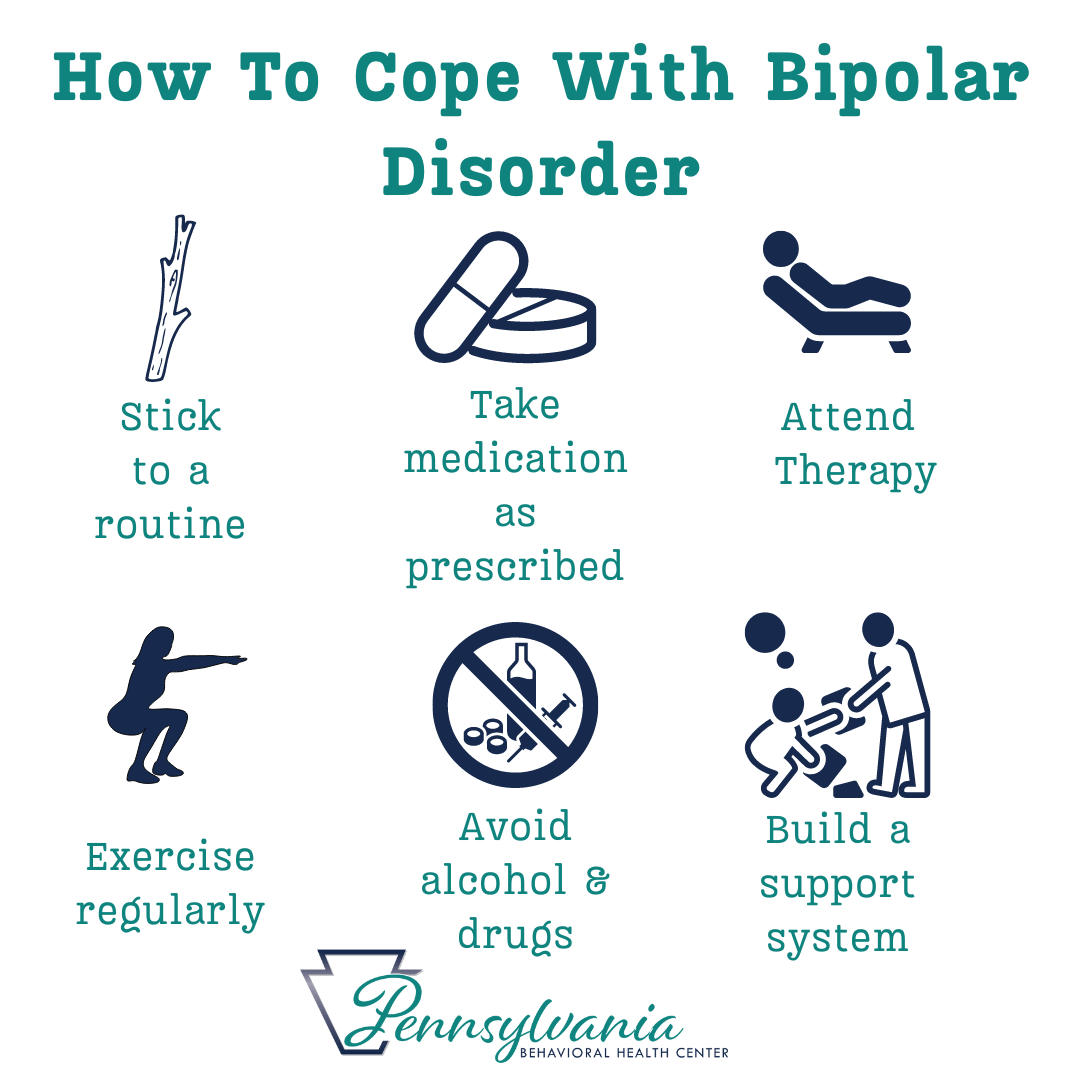
The journey of treating bipolar disorder is complex, but technology is emerging not just as a tool, but as a transformative force, offering hope for more effective management, improved quality of life, and a deeper understanding of this challenging condition. The synergy between human expertise and technological innovation promises a brighter future for millions affected by bipolar disorder worldwide.
aViewFromTheCave is a participant in the Amazon Services LLC Associates Program, an affiliate advertising program designed to provide a means for sites to earn advertising fees by advertising and linking to Amazon.com. Amazon, the Amazon logo, AmazonSupply, and the AmazonSupply logo are trademarks of Amazon.com, Inc. or its affiliates. As an Amazon Associate we earn affiliate commissions from qualifying purchases.