
For many car owners, the question of “what trade-in price for my car?” is a pivotal one, often marking the first step towards a new vehicle purchase. It’s not merely about exchanging an old car for a new one; it’s a significant financial transaction that can heavily influence the overall cost of your next automotive investment. Understanding the nuances of car valuation, preparing your vehicle, and strategically negotiating are crucial steps to ensure you extract maximum value. In a world of fluctuating markets and diverse financial tools, an informed approach can literally save you thousands of dollars, making this seemingly simple question a complex exercise in personal finance and smart consumerism.
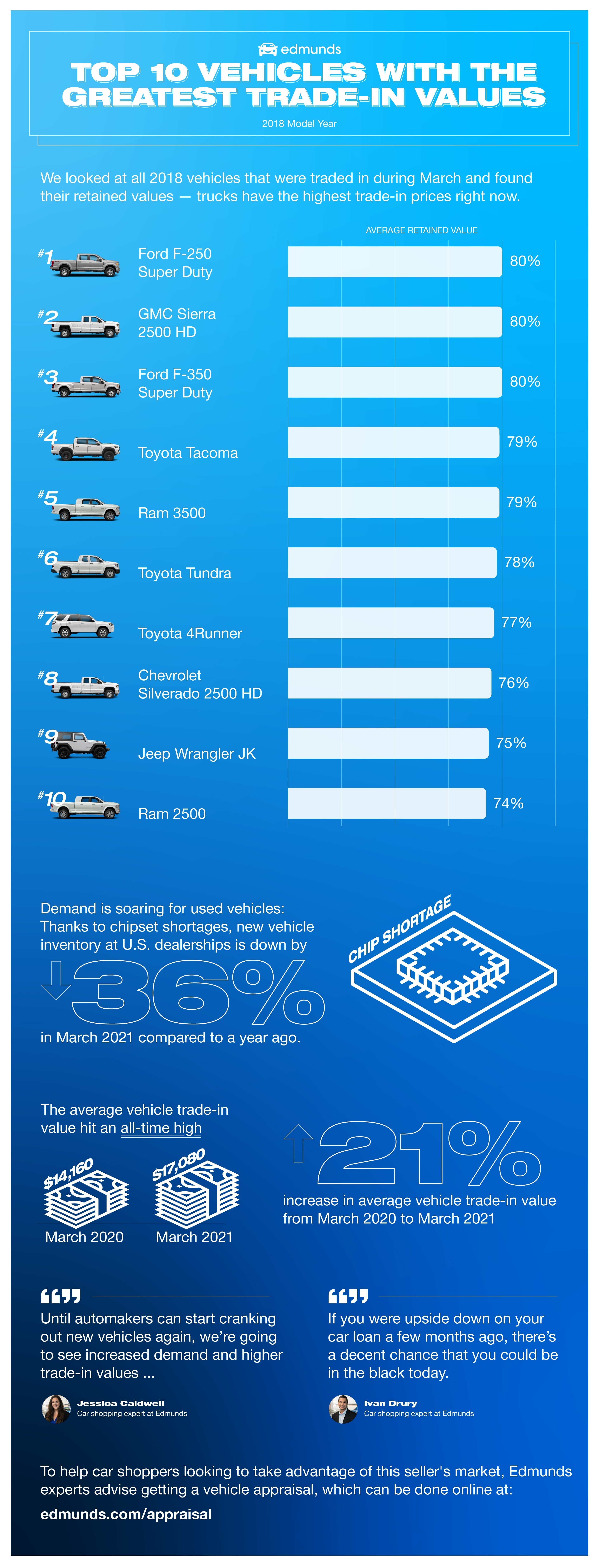
This comprehensive guide will delve into the financial strategies and practical steps necessary to accurately assess, enhance, and ultimately secure the best possible trade-in price for your car, treating it as a valuable asset in your financial portfolio.
Understanding the Dynamics of Car Valuation
Accurately gauging your car’s worth requires an appreciation for the multifaceted factors that drive market prices. It’s a blend of objective data and subjective market conditions, all viewed through the lens of a dealer’s business model.
Key Factors Influencing Your Car’s Worth
The intrinsic value of your vehicle is determined by a hierarchy of characteristics, each playing a critical role in its trade-in price. Foremost is the make, model, and year; certain brands and models retain value better than others, largely due to their reputation for reliability, fuel efficiency, or desirability. Mileage is arguably the most significant depreciation factor. High mileage signals greater wear and tear, directly impacting the car’s perceived lifespan and maintenance costs. The overall condition encompasses both aesthetic and mechanical aspects. A car with a clean exterior, well-maintained interior, and a strong service history will command a higher price than one riddled with dents, stains, and overdue repairs.
Furthermore, optional features and packages – such as premium audio systems, navigation, sunroofs, or advanced safety features – can add significant value, especially if they are sought after in the used car market. The region and local market demand also play a subtle but important role. A convertible might fetch a better price in a sunny climate, while a four-wheel-drive SUV is more desirable in snowy regions. Understanding how these factors interrelate provides the foundation for an accurate self-assessment of your car’s financial standing.
Trade-In vs. Private Sale: A Financial Comparison
Before committing to a trade-in, it’s imperative to weigh it against the alternative: a private sale. From a purely financial standpoint, a private sale almost invariably yields a higher monetary return. When you sell privately, you capture the retail value of the car, circumventing the dealer’s profit margin on the used vehicle. However, this higher return comes at the cost of time, effort, and potential risk. You’re responsible for advertising, fielding inquiries, showing the car, negotiating, and handling all paperwork. This process can be lengthy and expose you to various inconveniences or even scams.
A trade-in, conversely, offers unparalleled convenience. It streamlines the process of acquiring a new car, often reducing the sales tax burden on the new purchase (as the trade-in value is deducted from the new car’s price before tax is calculated in many states). While the trade-in offer will typically be less than a private sale price, the financial benefit of convenience and tax savings can sometimes offset a portion of that difference. The decision often boils down to your personal balance of time, effort, risk tolerance, and the immediate need for a new vehicle, rather than just the absolute dollar amount.
The Dealer’s Perspective on Trade-Ins
To negotiate effectively, it’s vital to understand the dealer’s motivation. Dealers view your trade-in as an inventory acquisition, not merely a deduction from a new car’s price. Their goal is to acquire your vehicle at a price that allows them to recondition it (if necessary), market it, and resell it at a profit. This profit margin is essential for their business operations, covering overheads, salaries, and inventory costs. They consider the car’s reconditioning costs, market demand for that specific make and model, and how quickly they anticipate selling it.
A dealer’s offer will often be based on the wholesale value, which is typically lower than the retail value you’d see advertised. They have access to vast market data and auction prices, giving them a clear picture of a vehicle’s true wholesale worth. Understanding that their initial offer is designed to allow for profit and negotiation room is key. It’s not a personal affront; it’s a business transaction. Approaching the negotiation with this perspective can help you manage expectations and formulate a more effective counter-strategy.
Essential Research and Preparation for Valuation
Maximizing your trade-in value is less about luck and more about diligent research and proactive preparation. Arming yourself with information and presenting your car in its best light can significantly sway the dealer’s offer.
Leveraging Online Valuation Tools and Resources
In the digital age, a wealth of tools exists to help you establish a baseline valuation for your vehicle. Websites like Kelley Blue Book (KBB), Edmunds, NADAguides, and CarGurus provide comprehensive valuation estimates based on your car’s specific details (year, make, model, trim, mileage, and condition) and current market data. It’s prudent to obtain estimates from at least three different sources to get a well-rounded average. Each tool uses slightly different algorithms and data sets, so comparing them offers a more realistic range.
These tools typically provide values for trade-in, private party sale, and dealer retail, allowing you to clearly see the potential financial spread. Beyond just numbers, these platforms often offer insights into market demand and pricing trends for similar vehicles in your area, providing valuable context for your negotiations. Print out these valuations; they serve as objective data points during your discussions with the dealership.
The Importance of Vehicle History Reports
A clean vehicle history report is a powerful asset in demonstrating your car’s value and mitigating dealer concerns. Services like CarFax and AutoCheck compile extensive records, detailing accidents, title issues (e.g., salvage, flood), service history, odometer discrepancies, and previous ownership. For a relatively small fee, obtaining one of these reports proactively can be a wise investment.
A report free of major incidents and showing a consistent service history can significantly boost a dealer’s confidence in your vehicle’s reliability and reduce their perceived risk, potentially leading to a better offer. Conversely, issues on the report can lead to a lower offer or even refusal. If there are minor issues, being aware of them allows you to be transparent and potentially explain them, rather than being caught off guard during the dealer’s assessment.
DIY Car Maintenance and Minor Repairs for Value Enhancement
While you shouldn’t invest in major repairs expecting a dollar-for-dollar return on a trade-in, strategic minor maintenance and cosmetic enhancements can yield significant dividends. Think about “curb appeal” for your car. A thorough detailing – cleaning the interior, waxing the exterior, and shining the tires – makes a strong first impression. Address minor scratches or dings with touch-up paint. Replace worn-out floor mats, air fresheners, or broken interior plastic pieces.
Ensure all fluids are topped off, tires are properly inflated, and headlights/taillights are functional. Consider replacing wiper blades or a burnt-out bulb. If your car is due for an oil change or other routine maintenance, performing it beforehand demonstrates responsible ownership. These small investments in time and money signal to the dealer that the car has been well-cared for, potentially preventing them from lowballing the offer due to perceived neglect or immediate reconditioning needs. The goal is to make the car as “dealership-ready” as possible without overspending.
Strategic Negotiation for a Better Deal
The negotiation phase is where your research and preparation truly pay off. It requires a clear strategy, a strong understanding of your financial limits, and the ability to separate different aspects of the deal.
Separating the Trade-In from the New Car Purchase
This is perhaps the most critical financial strategy when trading in a car: never discuss your trade-in until you have a firm, agreed-upon price for the new car. Dealers often try to bundle these transactions, creating confusion where a high trade-in offer might be offset by a higher new car price, or vice-versa. By negotiating the new car price first, you establish a clear benchmark for the actual cost of the vehicle you intend to buy.

Once the new car price is settled, then introduce the trade-in. This allows you to evaluate each component of the deal independently and prevents the dealer from hiding unfavorable numbers within a complex negotiation. If you feel pressured to discuss both simultaneously, politely insist on addressing the new car’s price first, citing your need to focus on that specific financial commitment.
Knowing Your Bottom Line and Dealer Incentives
Before stepping onto the lot, determine your absolute minimum acceptable trade-in value. This isn’t just a number pulled from thin air; it should be informed by your online valuations, private sale estimates, and an honest assessment of your car’s condition. Having this “walk-away” number gives you confidence and prevents you from accepting an offer out of desperation or fatigue.
Furthermore, be aware of any dealer incentives related to trade-ins. Sometimes manufacturers or dealerships offer special promotions, such as “minimum trade-in value” guarantees or bonus cash for trading in specific models. While these can be beneficial, always ensure they are genuinely enhancing your deal and not merely a smoke-screen for a less competitive new car price. Understanding these variables allows you to articulate your financial expectations clearly and challenge offers that fall short.
The Power of Multiple Offers
Just as you compared online valuations, securing multiple trade-in offers from different dealerships is a powerful negotiation tactic. Visit several dealers, ideally those selling the brand you’re interested in, as well as independent used car dealerships or even services like Carvana or Vroom, which provide instant cash offers. These offers establish a competitive baseline.
When you have a concrete offer from one dealer, you can use it to leverage a better deal from another. For example, “Dealer A offered me $X for my trade-in. Can you beat that, or at least match it?” This approach creates a competitive environment among dealerships, pushing them to give you their best offer rather than their standard opening bid. Remember, your car is an asset, and you’re seeking the highest financial return for it.
Financial Implications Beyond the Price Tag
While the immediate trade-in value is crucial, smart financial planning extends to understanding the broader impact of this transaction on your personal finances.
Tax Advantages of a Trade-In
One of the most significant, yet often overlooked, financial benefits of a trade-in is the sales tax reduction. In most states, when you trade in a vehicle, the value of your trade-in is deducted from the new car’s purchase price before sales tax is calculated. For example, if you buy a $30,000 car and trade in a vehicle worth $10,000, you only pay sales tax on the $20,000 difference. If your state has a 7% sales tax, this means a saving of $700 (7% of $10,000).
This tax saving can partially offset the difference between a trade-in offer and a private sale price. When making your financial comparison between the two options, always factor in this potential tax benefit for the trade-in option. It’s a tangible financial advantage that can make a trade-in more appealing than a private sale, even if the absolute cash offer is lower.
Impact on Loan-to-Value (LTV) Ratio for a New Vehicle
If you plan to finance your new vehicle, your trade-in value directly impacts your loan-to-value (LTV) ratio. The LTV is the amount you borrow relative to the car’s appraised value. A lower LTV (meaning you’re borrowing less relative to the car’s cost) is generally favorable for lenders, as it represents lower risk. A substantial trade-in value effectively acts as a larger down payment, reducing the amount you need to borrow and thus lowering your LTV.
A lower LTV can translate into better interest rates, smaller monthly payments, and a reduced risk of being “upside down” on your loan (owing more than the car is worth). From a financial health perspective, minimizing the amount financed and improving your LTV sets you up for a more secure automotive investment, making your trade-in’s value critical to your long-term financial stability with the new car.
Understanding Depreciation and Its Role
Depreciation is the silent killer of car values, and understanding its mechanics is vital for savvy financial decisions. A car begins to depreciate the moment it’s driven off the lot, losing a significant portion of its value in the first few years. While you can’t stop depreciation, you can make financially smarter choices based on it. For instance, choosing a vehicle model with a historically strong resale value can minimize future depreciation.
When considering your trade-in, recognize that its current value reflects years of depreciation. Your goal is to get the most for its remaining value. For your next car, consider how long you plan to own it and its expected depreciation curve. Financial tools and market data can project future values, helping you choose a new vehicle that might be a better long-term financial asset. This forward-thinking approach ensures you’re not just maximizing your current trade-in, but also planning for the next one.
Finalizing the Trade-In: What to Expect
Once you’ve navigated the valuations and negotiations, the final steps involve paperwork and a thorough review of the agreement. This concluding phase ensures all financial aspects are correctly documented and understood.
Required Documentation and Paperwork
Prepare a folder with all necessary documents before you head to the dealership. This typically includes your vehicle’s title (or lien release if you still owe money), current registration, proof of insurance, and your driver’s license. It’s also wise to bring all maintenance records and a copy of your vehicle history report, especially if it’s clean. Having these readily available streamlines the process and demonstrates your organized approach.
If there’s an outstanding loan on your trade-in, the dealership will handle the payoff, but you should bring your most recent loan statement to confirm the exact payoff amount. Ensure you understand how the payoff impacts your new financing and that all figures are transparently reflected in the final sales contract.
Inspecting the Final Offer and Contract
Before signing anything, meticulously review the final sales contract. This document will detail the price of the new car, the trade-in allowance, any down payment, fees, and the total amount financed. Crucially, ensure the trade-in value agreed upon during negotiation is precisely what appears on the contract. Double-check that all calculations are correct, especially the sales tax application.
Do not hesitate to ask questions about any line item you don’t understand. A reputable dealership will be transparent and willing to explain everything. Once you sign, you’re legally bound, so take your time to ensure the financial terms are exactly what you agreed to and that there are no hidden charges or discrepancies.

Post-Trade-In Financial Checklist
After the deal is done, there are a few financial housekeeping tasks. First, ensure your old car’s insurance policy is cancelled or adjusted, and transfer coverage to your new vehicle immediately. If you had an outstanding loan on your trade-in, confirm with your previous lender that the loan has been paid off and closed. Keep copies of all sales documents for your records, especially those pertaining to the trade-in and tax implications.
Finally, consider your budget for the new car, including ongoing expenses like insurance, fuel, and maintenance. Your successful trade-in has put you in a strong financial position for this new purchase; maintaining that financial discipline will ensure a smooth ownership experience for years to come.
In conclusion, getting the best trade-in price for your car is an art and a science, blending market knowledge with astute negotiation skills. By understanding valuation dynamics, diligently preparing your vehicle, strategically negotiating, and considering the broader financial implications, you can turn a potentially daunting transaction into a financially advantageous move, setting the stage for a smart and satisfying new car purchase.
aViewFromTheCave is a participant in the Amazon Services LLC Associates Program, an affiliate advertising program designed to provide a means for sites to earn advertising fees by advertising and linking to Amazon.com. Amazon, the Amazon logo, AmazonSupply, and the AmazonSupply logo are trademarks of Amazon.com, Inc. or its affiliates. As an Amazon Associate we earn affiliate commissions from qualifying purchases.