
In the realms of aerospace engineering, automotive manufacturing, and high-end electronics assembly, the margin for error is non-existent. The difference between a structural failure and a successful mission often comes down to a few Newton-meters of force. This is where the torque wrench—a tool once relegated to simple mechanical workshops—has evolved into a sophisticated piece of precision technology. As we move further into the era of Industry 4.0, understanding “what torque wrench” to integrate into a professional ecosystem requires a deep dive into sensor technology, digital interfaces, and data-driven calibration.
Modern fastening technology has moved beyond the simple “feel” of a click-style wrench. Today, professionals must navigate a landscape of digital transducers, gyroscopic angle measurements, and IoT-enabled auditing systems. This guide explores the technological landscape of the modern torque wrench, categorizing the hardware and software that define the cutting edge of fastening precision.
The Evolution of Torque Technology: From Beam to Digital
The history of torque measurement is a timeline of increasing sensitivity and feedback. While the fundamental physics of applying force to a lever remains the same, the method by which we measure that force has undergone a digital transformation.
The Mechanical Foundation: Beam and Click Wrenches
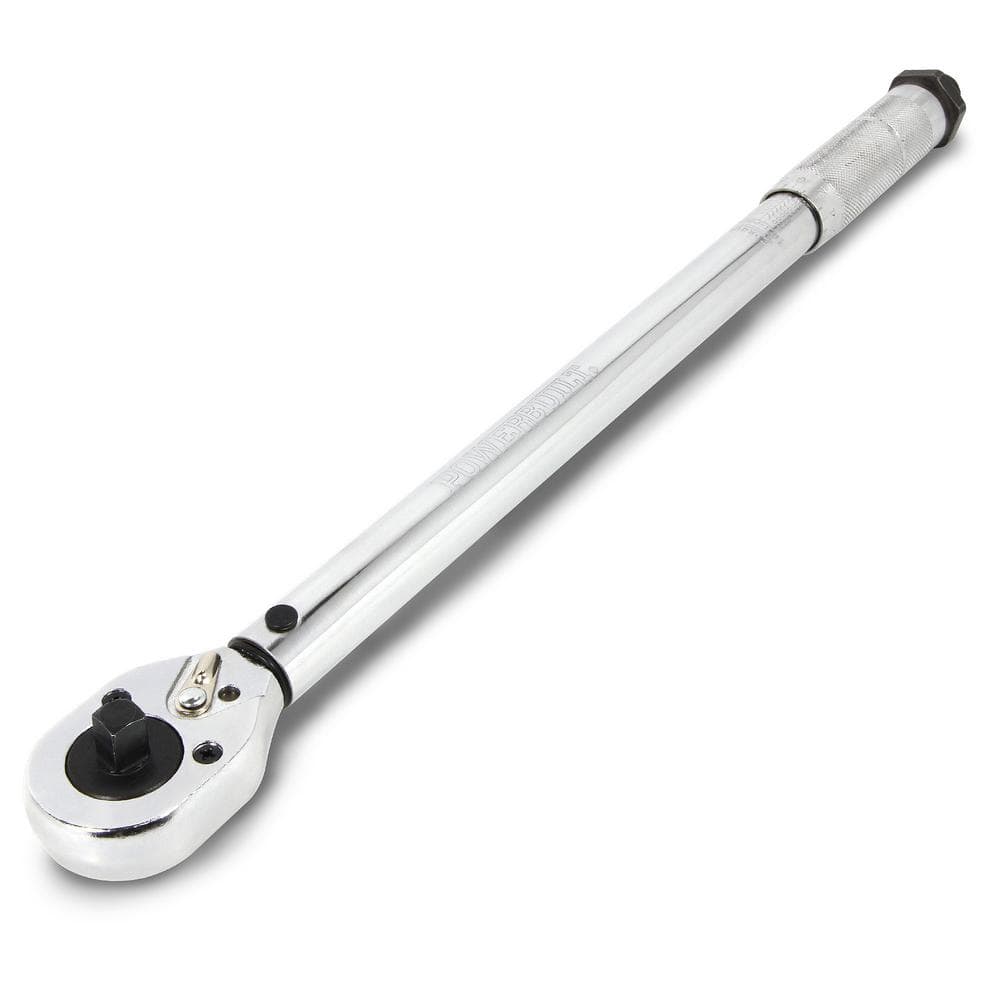
Traditional torque wrenches relied on the physical properties of steel. The beam wrench, the simplest form, uses the deflection of a metal bar to indicate torque on a scale. While technologically basic, its lack of moving parts makes it a benchmark for visual reliability. The “click” wrench introduced a pre-set spring mechanism that slips or clicks when a specific tension is reached. However, in a tech-centric environment, these tools lack the data-logging capabilities required for modern quality assurance protocols.
The Digital Revolution: Electronic Torque Wrenches (ETW)
The introduction of the Electronic Torque Wrench (ETW) marked the transition from mechanical guesswork to digital certainty. These tools replace springs and pivots with solid-state electronics. By utilizing digital displays, they allow users to set precise parameters and receive instantaneous feedback. The shift to ETW technology has significantly reduced “operator error,” as digital systems can alert the user through visual, auditory, and haptic (vibration) signals long before an over-torque event occurs.
Smart Integration and IoT Connectivity
The most recent leap in torque technology is the “Smart Wrench.” These devices are integrated into a facility’s Internet of Things (IoT) network. Through Bluetooth or Wi-Fi connectivity, a smart torque wrench can communicate directly with a central server. This allows for real-time tracking of every bolt tightened on an assembly line, creating a “digital twin” of the assembly process. If a technician misses a bolt or applies incorrect pressure, the system flags it immediately in the cloud, ensuring 100% compliance with engineering specifications.
Key Technological Components of Modern Torque Tools
To understand which torque wrench fits a specific technical application, one must understand the internal components that drive accuracy. Modern precision tools are essentially computers housed in ergonomic industrial shells.
Strain Gauge Technology and Transducers
At the heart of every high-end digital torque wrench is a strain gauge or a transducer. A strain gauge is a sensor whose resistance varies with applied force. It converts the mechanical deformation of the wrench’s internal drive into an electrical signal. This signal is then processed by an onboard microprocessor to provide a torque reading. The quality of the transducer determines the tool’s accuracy—often measured to within +/- 1% of the actual value, a level of precision impossible with purely mechanical tools.
Advanced Gyroscopic Sensors for Angle Measurement
In high-stress applications, such as head bolts in high-performance engines or turbine blades, torque alone is insufficient. Engineers often specify “Torque-plus-Angle.” This requires tightening a fastener to a specific base torque and then turning it a precise number of degrees. Modern tech-heavy wrenches incorporate MEMS (Micro-Electro-Mechanical Systems) gyroscopes and accelerometers to track the angular rotation of the tool in real-time. This ensures that the fastener enters the “plastic zone” of the material, providing maximum clamping force without breaking the bolt.
Digital Interfaces and User Feedback Systems
The user interface (UI) of a modern torque wrench is a critical tech component. High-resolution OLED screens provide clear data even in low-light industrial environments. Furthermore, advanced tools utilize multi-color LED light bars—shifting from yellow (approaching) to green (target reached) to red (over-torque)—to provide peripheral feedback to the technician. This “human-machine interface” is designed to minimize cognitive load, allowing the operator to focus on the mechanical task while the technology handles the precision monitoring.

Calibration Software and Data Management
A torque wrench is only as good as its last calibration. In a tech-driven workflow, calibration is no longer a manual logbook entry; it is a sophisticated software-managed process.
Cloud-Based Asset Tracking and Compliance
For large-scale operations, managing hundreds of precision tools is a logistical challenge. Tech-forward companies use asset management software that syncs with their torque wrenches. Every time a tool is used, its serial number, the operator’s ID, and the specific torque values are uploaded to the cloud. This creates a permanent, unalterable record for audit trails—essential in industries like aerospace or medical device manufacturing where regulatory compliance is mandatory.
Firmware Updates and Accuracy Maintenance
Just like a smartphone or a laptop, modern digital torque wrenches run on firmware. Manufacturers now release firmware updates that can improve battery management, enhance the sensitivity of the sensors, or add new measurement units (e.g., switching from Newton-meters to Inch-pounds). This means the tool’s performance can actually improve over its lifespan through software optimization. Additionally, automated calibration benches now interface directly with the wrench’s software to “null” the sensors and reset accuracy parameters without human intervention.
Industry-Specific Applications: High-Tech Use Cases
The choice of “what torque wrench” is heavily dictated by the specific technical requirements of the industry in question. Different sectors prioritize different technological features.
Aerospace and Defense Precision
In aerospace, the weight of the tool and its ability to work in confined spaces are secondary to its data-logging capabilities. Every fastener on an aircraft must be traceable. Tech solutions here involve “FOD (Foreign Object Debris) prevention” designs and integrated RFID chips that ensure the tool is accounted for after the job. The wrenches used here are often programmed with specific “job sequences” via a tablet app, guiding the technician through a complex multi-stage tightening pattern.
Electric Vehicle (EV) Assembly Lines
The rise of EVs has introduced a new requirement for torque tools: electrical insulation. Working around high-voltage battery packs requires wrenches that combine high-precision digital measurement with VDE-certified insulation. Furthermore, the assembly of EV batteries involves thousands of small, sensitive fasteners. Here, low-range digital torque screwdrivers with high-speed sampling rates are used to ensure that delicate copper busbars are secured without damaging the lithium-ion cells.
Future Trends: Robotics and AI in Fastening
As we look toward the future of assembly technology, the torque wrench is becoming increasingly autonomous.
Collaborative Robots (Cobots) and Automated Torque Systems
The next step in the evolution of torque technology is the removal of the human element in repetitive tasks. Collaborative robots (cobots) are now being equipped with sophisticated torque-sensing “end-effectors.” These robotic arms use the same transducer technology found in handheld digital wrenches but can apply torque with 100% repeatability, 24 hours a day. The integration of AI allows these systems to detect “cross-threading” or “soft-pull” joints by analyzing the torque-to-angle curve in real-time, stopping the process before a part is ruined.

Predictive Maintenance through Machine Learning
By analyzing the data collected by thousands of smart wrenches, machine learning algorithms can now predict when a tool is likely to fall out of calibration or when a mechanical component is nearing failure. This move from “preventative” to “predictive” maintenance ensures that the manufacturing line never stops due to tool inaccuracy. The “what torque wrench” question of the future will be answered by which tool provides the most actionable data to the AI oversight system.
In conclusion, selecting a torque wrench in a professional, tech-focused environment is an exercise in systems integration. It is no longer about buying a sturdy piece of steel; it is about selecting a sophisticated sensor platform that integrates with your digital workflow, ensures absolute precision through advanced firmware, and protects your data through cloud-based compliance. Whether you are building satellites or high-performance computing clusters, the technology in your hand is the ultimate guarantor of structural integrity.
aViewFromTheCave is a participant in the Amazon Services LLC Associates Program, an affiliate advertising program designed to provide a means for sites to earn advertising fees by advertising and linking to Amazon.com. Amazon, the Amazon logo, AmazonSupply, and the AmazonSupply logo are trademarks of Amazon.com, Inc. or its affiliates. As an Amazon Associate we earn affiliate commissions from qualifying purchases.