
In the modern job market, your resume is no longer a standalone document; it is the core product of a sophisticated marketing campaign where you are the brand. When you click “compose” to send your credentials to a recruiter or a hiring manager, the text within that email serves as your brand’s primary advertisement. It is the first touchpoint, the digital handshake, and the narrative framework that determines whether your resume is opened with anticipation or ignored as spam.
Understanding what to write when sending a resume requires a shift in perspective. You are not just “applying for a job”; you are executing a personal branding strategy. This article explores how to craft an email that reinforces your professional identity, captures attention through strategic communication, and positions you as the premium candidate in a sea of generic applications.

The Email Body as Your Personal Brand’s Elevator Pitch
Your email is the “pre-sell.” Before a recruiter ever sees your bulleted list of achievements, they see your ability to communicate your value proposition. In the world of brand strategy, this is known as the “hook.” If the hook is weak, the product—no matter how high-quality—will never be tested.
Defining Your Value Proposition
Your personal brand is built on the unique intersection of your skills, experiences, and personality. When writing your email, you must distill this into a concise value proposition. Instead of stating, “I am looking for a job in marketing,” your brand voice should say, “I am a growth-focused strategist with a track record of increasing ROI for e-commerce brands, and I am eager to bring this expertise to your team.” By leading with value rather than need, you shift the dynamic from a “seeker” to a “solution provider.”
The Psychology of First Impressions in the Inbox
Recruiters often spend less than ten seconds scanning an email before deciding its fate. To align with a high-end personal brand, your email must look organized, professional, and intentional. White space, clear font choices (standardized by the email client), and a lack of visual clutter signal a disciplined and organized mind. A brand that is “easy to consume” is a brand that gets remembered. Every word must earn its place on the screen; if a sentence doesn’t reinforce your authority or your interest, it should be deleted.
Strategic Structuring: Components of a High-Impact Outreach
A successful brand follows a consistent structure that guides the consumer (the recruiter) through a journey. When sending your resume, your email structure should follow a logical flow that builds credibility and calls the reader to action.
The Subject Line: Your Brand’s Hook
In marketing, the subject line is the “headline.” It is the most important piece of real estate in your outreach. A generic subject line like “My Resume” is a branding failure—it is forgettable and lacks context. A strong, branded subject line includes the specific role, your name, and a “differentiator.”
- Weak: Application for Marketing Manager position.
- Branded: Marketing Manager Applicant – Jane Doe – 10+ Years Experience in SaaS Growth.
This subject line immediately communicates seniority and specialization, making it easier for the recruiter to categorize your “brand” before they even open the message.
The Salutation and Professional Tone
Personal branding is about consistency. If you are applying for a role at a legacy financial institution, your brand tone should be formal and reverent. If you are applying to a boutique creative agency, your tone might be more energetic and conversational. However, the “Safe-Professional” baseline is always preferred. Address the recipient by name if possible. Finding the name of the hiring manager shows research and attention to detail—traits associated with high-value professional brands.
The “Why You” and “Why Them” Narrative
The core of your email should bridge the gap between your brand and the company’s corporate identity. This is where you explain the “brand fit.”
- The “Why You”: Highlight one or two “hero” achievements from your resume that directly solve a problem the company is currently facing.
- The “Why Them”: Express a genuine connection to the company’s mission or recent milestones. This proves that your brand isn’t just looking for any platform, but specifically their platform.
Tailoring Your Message for Different Brand Personas
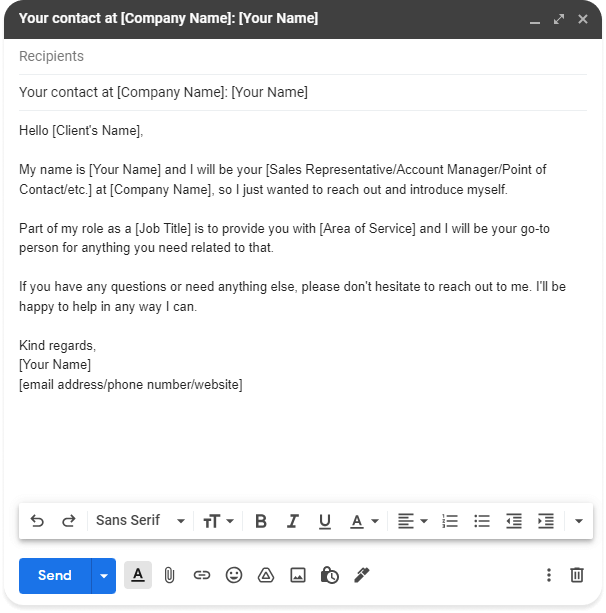
Just as a corporate brand like Apple communicates differently than a brand like Patagonia, your personal brand must adapt its communication style based on the industry landscape while maintaining its core identity.
The Creative Approach for Design and Marketing Roles
For creative professionals, your email is a portfolio piece in itself. Your writing should be evocative and showcase your “voice.” In this niche, “what to write” involves a blend of storytelling and data. You might mention a specific campaign you admired of theirs and briefly explain how your creative philosophy aligns with that work. Your brand here is “The Visionary Architect.”
The Conservative Approach for Corporate and Executive Roles
In law, finance, or traditional corporate sectors, your brand identity should be “The Trusted Expert.” The email should be concise, devoid of excessive adjectives, and focused on stewardship and results. Use “power verbs” and maintain a tone of quiet confidence. The goal is to demonstrate that you understand the gravity and the protocols of the industry.
The Modern Professional for Tech and Startups
In the tech world, agility and “culture fit” are paramount. Your brand persona should be “The Problem-Solver.” Your email should be direct, perhaps using bullet points to highlight technical proficiencies or recent projects. Mentioning your familiarity with their specific tech stack or your passion for their niche (e.g., FinTech, EdTech) signals that your brand is already integrated into their ecosystem.
Personal Branding Pitfalls to Avoid in Email Communications
Even the strongest brands can be sabotaged by poor execution. When sending a resume, certain “brand diluters” can instantly lower your perceived value.
Over-Formalization vs. Unprofessional Casualness
Striking the right balance is key. Being overly formal (“To whom it may concern, I hereby submit my humble request…”) can make your brand seem out of touch or robotic. Conversely, being too casual (“Hey, check out my resume!”) suggests a lack of respect for professional boundaries. Your brand should aim for “approachable authority”—polite, yet recognizing that you are an equal professional providing a valuable service.
The Danger of Generic Templates
Recruiters can spot a “copy-paste” job from a mile away. If your email feels like a template, your brand feels like a commodity—easily replaceable and low-value. While it is efficient to have a framework, you must customize at least 30% of the email for every recipient. A brand that doesn’t care enough to personalize its outreach doesn’t care enough to excel in the role.
Technical Faux Pas That Dilute Brand Authority
Digital hygiene is a critical component of your brand.
- File Naming: Sending a file named
Resume_v4_FINAL.pdfis unprofessional. UseFirstName_LastName_Resume.pdf. - Hyperlinks: Ensure any links to portfolios or LinkedIn profiles are active and lead to the correct destination.
- The Signature: A professional email signature with your phone number, LinkedIn URL, and perhaps a link to a personal website or portfolio acts as a “brand footer,” providing a polished finish to your communication.
Following Up: Maintaining Brand Consistency and Persistence
A brand is not built on a single interaction; it is built on a series of consistent touchpoints. What you write after sending the initial resume is just as important for your personal branding as the first email.
The Art of the Polite Nudge
If you haven’t heard back within a week or two, a follow-up email is a strategic move. It reinforces your brand as “The Proactive Professional.” A follow-up should not be needy; it should be a brief reminder of your interest and a check-in on their timeline. “I wanted to ensure my application was received and reiterate my excitement about the [Job Title] role” is a simple way to keep your brand top-of-mind without being intrusive.

Closing the Loop: Call to Action and Sign-offs
Every marketing email ends with a Call to Action (CTA). Your resume email should be no different. Instead of a passive “I hope to hear from you,” use a proactive CTA: “I would welcome the opportunity to discuss how my background in [Skill] can contribute to [Company Name]’s goals this year. Are you available for a brief call next Tuesday?”
This transition from “applicant” to “prospective collaborator” is the ultimate branding move. It suggests that your time is valuable, your skills are in demand, and you are ready to move the conversation forward.
In conclusion, knowing what to write when sending a resume in an email is about more than just etiquette; it is about intentional brand positioning. By viewing your email as a strategic marketing tool, you ensure that every word, every attachment name, and every follow-up reinforces a narrative of competence, professionalism, and unique value. In a crowded digital inbox, a well-branded email is the key that unlocks the door to your next career milestone.
aViewFromTheCave is a participant in the Amazon Services LLC Associates Program, an affiliate advertising program designed to provide a means for sites to earn advertising fees by advertising and linking to Amazon.com. Amazon, the Amazon logo, AmazonSupply, and the AmazonSupply logo are trademarks of Amazon.com, Inc. or its affiliates. As an Amazon Associate we earn affiliate commissions from qualifying purchases.