
In the modern professional landscape, your career is no longer defined solely by the titles you hold or the projects you complete. Instead, it is defined by your personal brand—the sum of your reputation, your network, and the narrative you project to the industry. One of the most critical, yet often overlooked, moments in personal brand management is the act of resignation.
While many view the “two weeks’ notice” as a mere administrative formality, it is actually a high-stakes communication tool. How you exit a company determines whether you leave as a respected professional or as a bridge-burner. Writing a resignation letter is not just about stating your end date; it is about reinforcing your professional identity and ensuring that your legacy remains untarnished as you move toward your next venture.
The Strategic Importance of the Resignation Letter
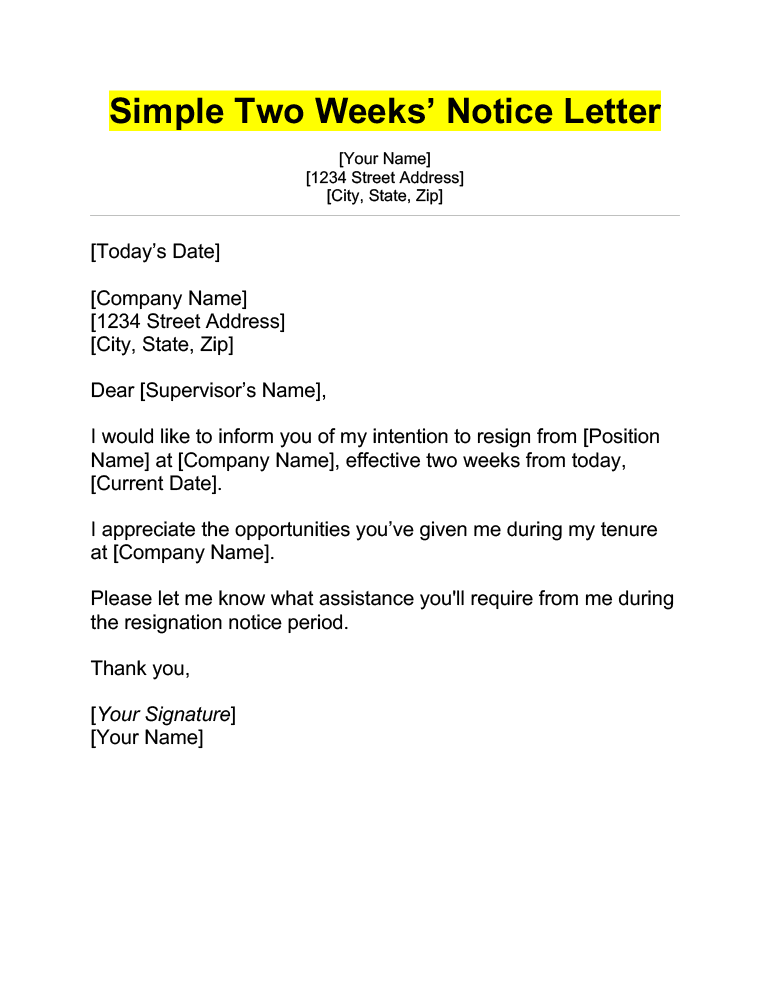
Your resignation letter is a permanent document in your personnel file. Years from now, if a potential employer or a former colleague checks back on your history, this document will be the final word on your tenure. From a branding perspective, this is your closing statement.
Why Your Exit Defines Your Brand
In psychology, the “peak-end rule” suggests that people judge an experience largely based on how they felt at its peak and at its end. In the context of your career, your final two weeks and the letter that initiates them represent that “end.” You could have been a stellar performer for five years, but a messy, emotional, or unprofessional exit can rewrite that entire history in the minds of your peers. By treating your notice as a brand asset, you control the narrative of your departure.
The Psychology of a Graceful Departure
A well-written notice projects confidence and emotional intelligence. It signals that you are in control of your career trajectory and that you value the relationships you’ve built. For your personal brand, this communicates reliability. Colleagues are more likely to recommend or collaborate with someone who showed grace under the pressure of a transition than someone who left their team in a lurch or expressed bitterness in writing.
Crafting the Content: Essential Elements for a Professional Brand
When deciding what to write, the “less is more” philosophy often serves your personal brand best. However, certain elements are non-negotiable for maintaining a corporate identity of professionalism and clarity.
The Statement of Resignation and Timeline
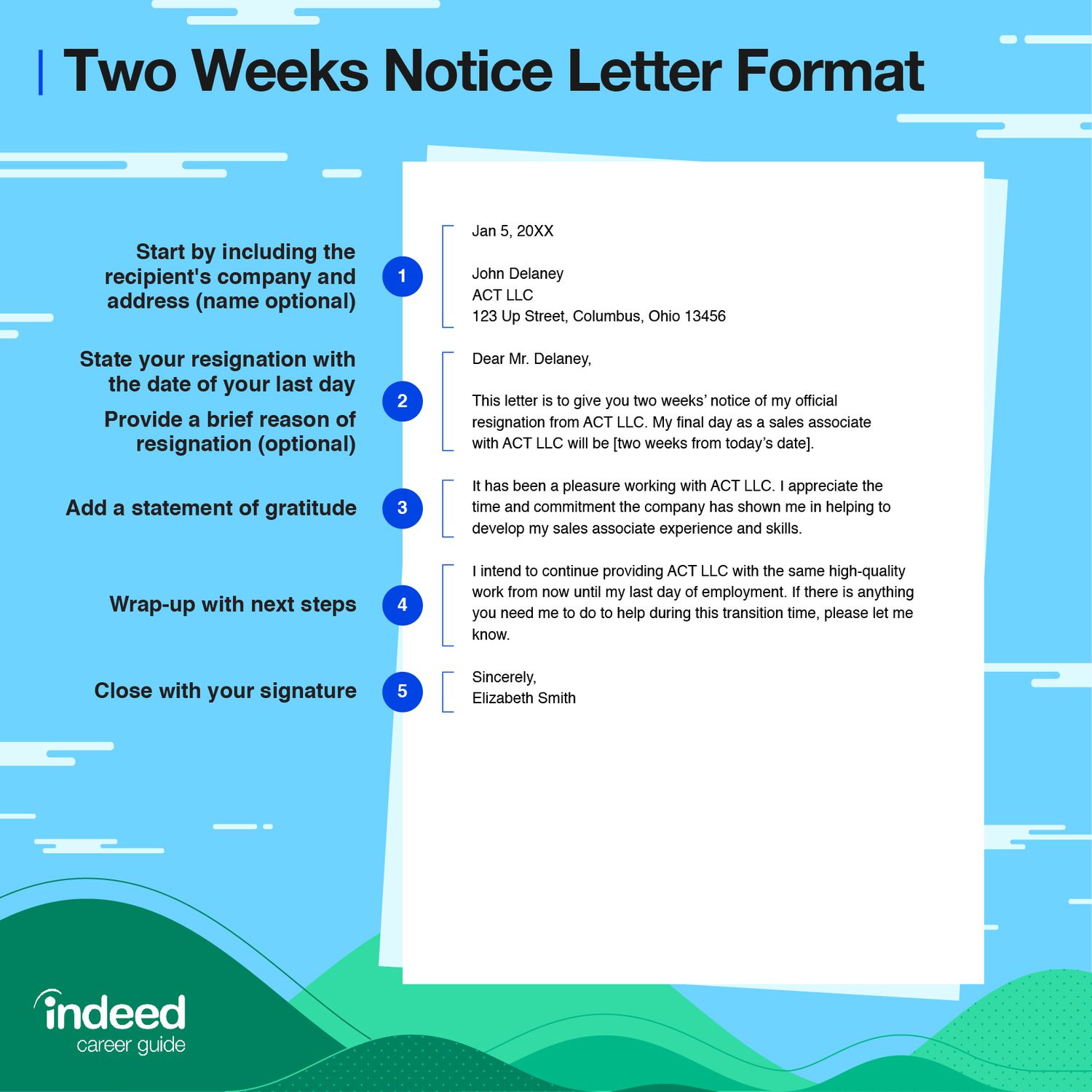
The opening of your letter must be unambiguous. From a branding standpoint, clarity equates to decisiveness. State clearly that you are resigning and provide your final date of employment.
- What to write: “Please accept this letter as formal notification that I am resigning from my position as [Job Title], effective two weeks from today, [Date].”
This removes any room for negotiation or confusion, establishing you as a professional who has made a firm, thought-out decision.
Expressing Gratitude Without Oversharing
A cornerstone of a strong personal brand is gratitude. Even if your experience at the company was less than ideal, finding a genuine point of appreciation is vital. This isn’t about being disingenuous; it’s about strategic reputation management. Mention a specific skill you developed or a project you enjoyed.
- What to write: “I am incredibly grateful for the opportunities I’ve had to contribute to the [Department Name] team. Specifically, I value the experience I gained in [Skill/Project], which has been instrumental in my professional growth.”
Avoid the temptation to explain why you are leaving in detail. Whether you are moving to a competitor or starting a freelance business, your written notice is not the place for long-winded justifications. Keeping it brief maintains an air of professional mystery and prevents your brand from being associated with workplace drama.
Defining the Transition Period
Your brand is built on your work ethic. By explicitly offering to assist in the transition, you reinforce your identity as a team player.
- What to write: “During my final two weeks, I am fully committed to ensuring a smooth handover of my responsibilities. I am happy to assist in training a replacement or documenting my current workflows to support the team’s continued success.”
This proactive approach ensures that your last impression is one of helpfulness and dedication, rather than “short-timer” apathy.
Digital Etiquette and Multi-Channel Communication
In today’s interconnected world, your resignation letter doesn’t live in a vacuum. Your personal brand is reflected across various digital touchpoints, and how you synchronize your message across these channels is key to a cohesive professional identity.
Email vs. Formal Letter
While a physical, signed letter was once the standard, a professional email is now widely accepted. However, the “brand” of the email should still be formal. Use a clear subject line like “Resignation – [Your Name]” to ensure it isn’t lost in an inbox. From a brand strategy perspective, the email format allows you to keep a digital paper trail of your professionalism, which can be useful if you ever need to reference the terms of your departure.
The “Slack” or “Teams” Goodbye: Maintaining Professionalism in Casual Spaces
Most modern offices use instant messaging. While your formal letter goes to HR and your manager, your announcement to the wider team often happens on platforms like Slack. This is where many professionals slip up and damage their brand by becoming too casual.
When writing your “goodbye” message to the team, keep it upbeat and focused on the future of the group. Provide your personal contact information (LinkedIn or personal email) to keep your network intact. This transforms a “goodbye” into a “let’s stay connected,” which is a vital move for long-term brand building.
Advanced Personal Brand Strategies for the Final Fortnight
Writing the notice is just the beginning. To truly leverage this transition for your personal brand, you must manage the “narrative” that follows the announcement.
Managing Your Narrative with Management
Once your notice is submitted, your manager will likely ask for an in-person meeting. Use the language from your letter as your “script.” Consistency is a hallmark of a strong brand. If your letter says you are leaving for a “new opportunity,” don’t tell your manager in private that you’re leaving because the company culture is toxic. Word travels fast in professional circles; staying consistent ensures your brand remains viewed as honest and stable.
The Exit Interview as a Brand Opportunity
Many see the exit interview as a chance to air grievances. However, if you want to protect your personal brand, treat the exit interview as a strategic consulting session. Provide constructive, high-level feedback rather than petty complaints. If you can frame your departure in a way that helps the company improve, you position yourself as a high-level thinker—a “brand” that any company would want to hire back or recommend.
Common Pitfalls That Damage Your Corporate Identity
Even a well-written notice can be undermined by common mistakes. Protecting your brand requires avoiding the emotional traps that often accompany a resignation.
Avoiding the “Burned Bridge” Syndrome
The professional world is smaller than you think. The colleague you ignore during your last week might be the hiring manager at your dream job five years from now. Never use your resignation letter or your final two weeks to “settle scores.” Venting might feel good in the moment, but the long-term damage to your brand’s reputation for maturity and composure can be irreparable. Your written notice should be a bridge-builder, not a bridge-burner.
Handling Negative Feedback Professionally
If your resignation is met with hostility or a counter-offer, stay the course. If you decide to decline a counter-offer, do so in writing with the same professional tone used in your initial notice.
- What to write: “While I appreciate the generous offer to remain with the team, I have decided to move forward with my original plan as it aligns best with my current professional goals.”
This demonstrates that your personal brand is not for sale to the highest bidder at the last minute, but is instead guided by a clear, strategic vision for your career.

Conclusion: Your Exit is Your Signature
In the final analysis, “what to write for a two weeks’ notice” is less about the logistics of leaving and more about the strategy of your next arrival. Every word you put on that page contributes to your personal brand’s narrative. By focusing on clarity, gratitude, and a commitment to a smooth transition, you ensure that your professional identity remains strong, respected, and highly marketable.
Your resignation is your signature on the chapter of your career you are closing. Make sure it is written with the same excellence and intentionality that you brought to your very first day on the job. In the world of professional branding, the way you leave a room says just as much as the way you entered it.
aViewFromTheCave is a participant in the Amazon Services LLC Associates Program, an affiliate advertising program designed to provide a means for sites to earn advertising fees by advertising and linking to Amazon.com. Amazon, the Amazon logo, AmazonSupply, and the AmazonSupply logo are trademarks of Amazon.com, Inc. or its affiliates. As an Amazon Associate we earn affiliate commissions from qualifying purchases.