
In the world of high-stakes business and luxury networking, every environment serves as a touchpoint for your personal brand. A Michelin-star restaurant is more than a venue for culinary excellence; it is a sophisticated stage where professional identities are curated, negotiated, and solidified. When the invitation arrives for a dinner at a world-class establishment, the question of “what to wear” transcends simple etiquette. It becomes a strategic branding decision.
Your attire at a Michelin-starred venue is a non-verbal communication tool that signals your attention to detail, your respect for the environment, and your understanding of social nuances. In this context, fashion is a component of your corporate identity. This guide explores how to align your wardrobe with your professional brand to ensure that your presence is as impactful as your portfolio.
The Intersection of Personal Brand and Fine Dining
Personal branding is the intentional effort to create and influence public perception of an individual. In high-end environments, this perception is often formed before the first course is served. Understanding the intersection between your personal brand and the atmosphere of a Michelin-starred restaurant is the first step in strategic dressing.
Decoding the “Silent Résumé”
Every piece of clothing you wear acts as a line on a “silent résumé.” When you walk into a three-star establishment, the staff and your dining companions observe your aesthetic choices to gauge your professional archetype. Are you the meticulous consultant, the disruptive tech visionary, or the stable, traditional executive? High-end dining environments demand a level of polish that suggests you are a person of substance. Choosing an outfit that reflects your professional values—whether that is innovation, reliability, or elegance—reinforces your brand’s narrative without you having to say a word.
Why Context Matters: Michelin as a Stage
A Michelin-star rating often implies a specific atmosphere: hushed, meticulous, and steeped in tradition or cutting-edge creativity. Your personal brand must harmonize with this setting. If you appear underdressed, it may signal a lack of preparation or a disregard for the standards of your peers. Conversely, being appropriately attired demonstrates that you are a “cultural fit” for high-level circles. In the branding world, consistency is key; your image at the dinner table should be a seamless extension of your image in the boardroom.
Navigating Dress Codes as a Brand Asset
Most Michelin-starred restaurants have moved away from rigid “jacket and tie required” policies, opting instead for “business casual” or “elegant” descriptions. However, these terms are often ambiguous. From a brand strategy perspective, these dress codes offer an opportunity to showcase your professional personality.
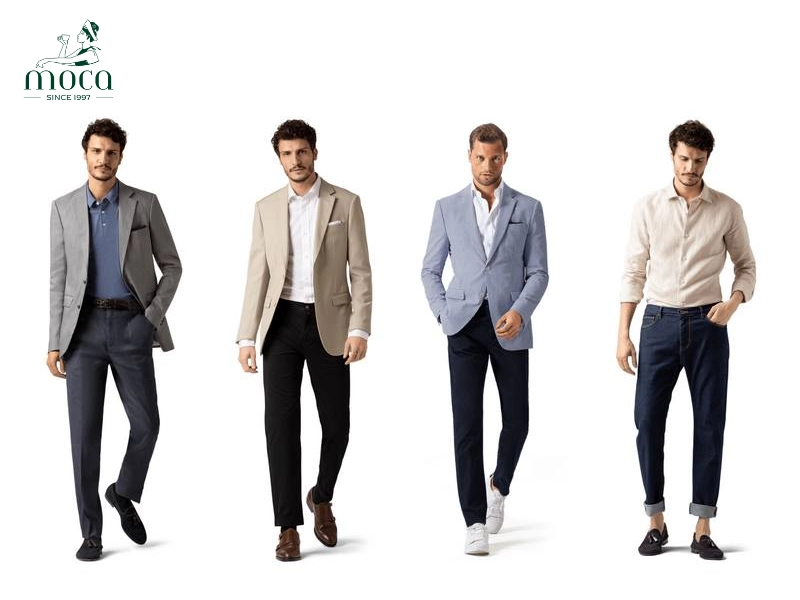
Smart Casual: The Versatile Entrepreneur
For many modern Michelin outposts, particularly those with a focus on “New American” or “Nordic” cuisine, the dress code is often smart casual. For an entrepreneur or a creative director, this is the perfect opportunity to signal agility and modernism.
- The Look: A tailored blazer paired with high-quality dark denim or chinos, and premium leather loafers or minimalist white leather sneakers.
- The Brand Message: “I am approachable, innovative, and focused on quality over tradition.” This look works well for those in tech or creative industries where rigid formality might actually detract from a “disruptor” brand identity.
Business Formal: The Executive Authority
In more traditional French or classic European Michelin-starred restaurants, the environment often leans toward formal. If your personal brand is built on authority, legacy, and high-level corporate governance, this is your home ground.
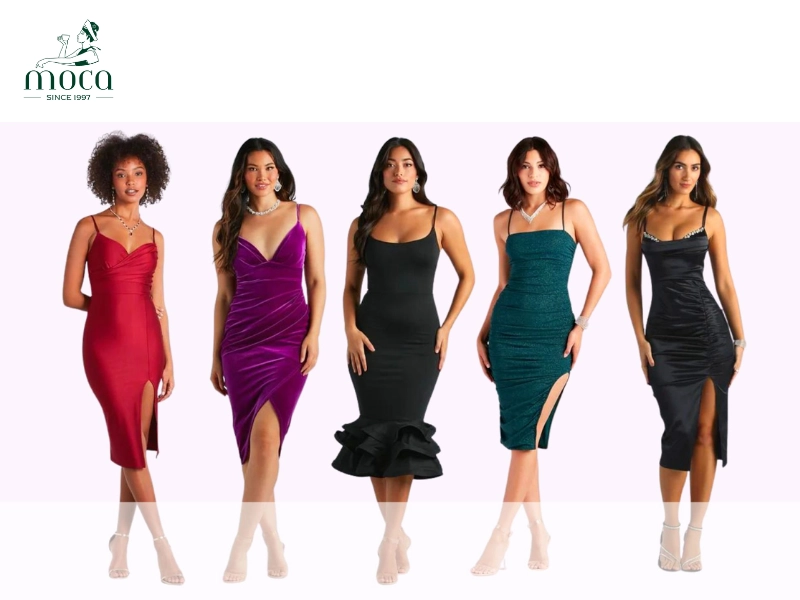
- The Look: A well-fitted navy or charcoal suit, a crisp white dress shirt, and a silk tie with a subtle pattern. For women, a structured sheath dress or a sophisticated pantsuit.
- The Brand Message: “I am disciplined, powerful, and I respect the protocols of success.” This attire communicates that you are a serious player who values the heritage and structure of the business world.
Avant-Garde: The Creative Disruptor
Some Michelin restaurants are experimental laboratories of gastronomy. If your personal brand is centered on being a visionary or a trendsetter, your attire should reflect that forward-thinking mindset.
- The Look: Unconventional silhouettes, monochromatic black with architectural cuts, or a statement piece from a contemporary designer.
- The Brand Message: “I see what others don’t. I am not afraid to challenge the status quo.” This alignment between your “disruptor” brand and an experimental dining experience creates a powerful, memorable impression.
Psychological Impact of Attire on Professional Influence
The clothes we wear do more than influence others; they influence ourselves. This psychological phenomenon is a critical component of personal brand management. When you dress for a high-pressure dinner at a prestigious venue, you are also preparing your mindset for peak performance.
Enclothed Cognition: Dressing for Internal Confidence
Research in social psychology describes “enclothed cognition” as the systematic influence that clothes have on the wearer’s psychological processes. When you wear high-quality, well-fitted clothing to a Michelin-star restaurant, you likely feel more confident, articulate, and authoritative. This internal shift is vital for brand delivery. If you feel out of place because of your wardrobe, your body language will betray you. Strategic dressing ensures that your internal confidence matches your external brand, allowing you to focus entirely on the conversation and the networking at hand.
The Halo Effect in High-Stakes Networking
The “Halo Effect” is a cognitive bias where our overall impression of a person influences how we feel and think about their character. In a luxury dining setting, being impeccably dressed creates a positive halo. Your dining companions—potential investors, partners, or clients—are likely to subconsciously attribute other positive qualities to you, such as competence, intelligence, and trustworthiness, simply because your “visual brand” is well-executed. By mastering your attire, you are essentially pre-selling your professional capabilities.
Practical Application: Curating Your Dining Aesthetic
Building a wardrobe that aligns with your personal brand for high-end dining doesn’t require a vast closet; it requires a curated one. The focus should be on “quiet luxury”—items that scream quality through their construction and fit rather than through loud logos.
Quality Over Quantity: Investing in Key Pieces
From a financial and brand perspective, it is better to own one perfectly tailored suit or blazer than five mediocre ones. In the intimate lighting of a Michelin-starred dining room, the quality of the fabric—the sheen of the wool, the drape of the silk—is visible.
- The Investment: Focus on natural fibers (wool, silk, linen, cotton) and professional tailoring. A tailored fit is the ultimate brand statement; it shows you care about the “last mile” of your presentation.
Grooming and Details: The Final 10%
A personal brand can be undermined by a lack of attention to detail. In a world where the chef has spent hours perfecting a single garnish, your “garnishes” matter too.
- The Details: Ensure your shoes are polished, your watch is appropriate for the outfit (a dress watch for formal, a luxury sport watch for casual), and your grooming is impeccable. Even your choice of pen when signing the check is a brand touchpoint. These small details signal a high level of conscientiousness—a trait highly valued in any business leader.

Conclusion: Aligning Appearance with Ambition
What you wear to a Michelin-star restaurant is a strategic extension of your professional identity. It is an opportunity to reinforce your personal brand, build confidence through enclothed cognition, and leverage the halo effect to facilitate better business outcomes.
In the realm of brand strategy, consistency across all platforms—from your LinkedIn profile to the dinner table—is what builds trust and recognition. By thoughtfully selecting attire that reflects your professional values and respects the culinary artistry of the venue, you ensure that your personal brand remains as refined and impressive as the meal itself. Whether you are aiming to project disruption or tradition, remember that in the world of high-end dining, you are always on the menu. Dress accordingly.
aViewFromTheCave is a participant in the Amazon Services LLC Associates Program, an affiliate advertising program designed to provide a means for sites to earn advertising fees by advertising and linking to Amazon.com. Amazon, the Amazon logo, AmazonSupply, and the AmazonSupply logo are trademarks of Amazon.com, Inc. or its affiliates. As an Amazon Associate we earn affiliate commissions from qualifying purchases.