
In the landscape of modern entertainment, few entities command a brand presence as visceral and recognizable as Lady Gaga. To ask the question “What to wear to a Lady Gaga concert?” is to engage in a sophisticated exercise in brand alignment, visual storytelling, and communal identity. For the consumer, it is a choice of attire; for the strategist, it is a masterclass in how a brand creates an immersive ecosystem that extends from the stage to the back row of the arena.
Lady Gaga’s brand—often referred to as the “Haus of Gaga”—has redefined the relationship between the artist and the audience. Unlike traditional concert experiences where the audience is a passive observer, Gaga’s brand strategy invites the audience to become part of the visual narrative. This article explores the strategic pillars of the Lady Gaga brand, the psychological mechanics of fan-based personal branding, and how the “concert outfit” serves as a high-engagement touchpoint in a global marketing ecosystem.

The Architecture of an Icon: How Visual Identity Drives Fan Engagement
At the core of Lady Gaga’s success is a rigorous adherence to visual identity. A brand is not merely a logo or a catchy slogan; it is the sum of every interaction a consumer has with the entity. In Gaga’s case, her visual identity is the primary driver of her brand equity. Every “era” of her career—from the synth-pop gloss of The Fame to the gritty, rock-infused Joanne and the neon-cyberpunk world of Chromatica—is a distinct brand pivot.
The Era-Based Branding Model
Gaga utilizes a strategy common in high-fashion houses but rare in music: the seasonal pivot. By completely transforming her aesthetic with every album cycle, she prevents brand stagnation. When a fan decides what to wear to a concert, they are choosing which “sub-brand” of Gaga they identify with most. Are they aligning with the avant-garde “Monster” of 2009, or the refined, jazz-inflected vocalist of the Las Vegas residency? This tiered brand architecture allows for multiple entry points for different demographics, ensuring that the brand remains inclusive while staying cutting-edge.
Visual Storytelling and the “Little Monster” Persona
One of the most effective branding moves in history was the naming of her fanbase: “Little Monsters.” This was not just a nickname; it was a rebranding of the consumer. By giving the audience a title, she created a sense of belonging to an exclusive, yet massive, corporate identity. The “uniform” for a concert—the leather, the glitter, the towering heels, or the pink cowboy hats—serves as a physical manifestation of this membership. It is a form of brand advocacy where the customer pays to represent the brand’s values of courage, individuality, and “bravery.”
Strategic Self-Expression: The Role of Fashion in Personal Branding
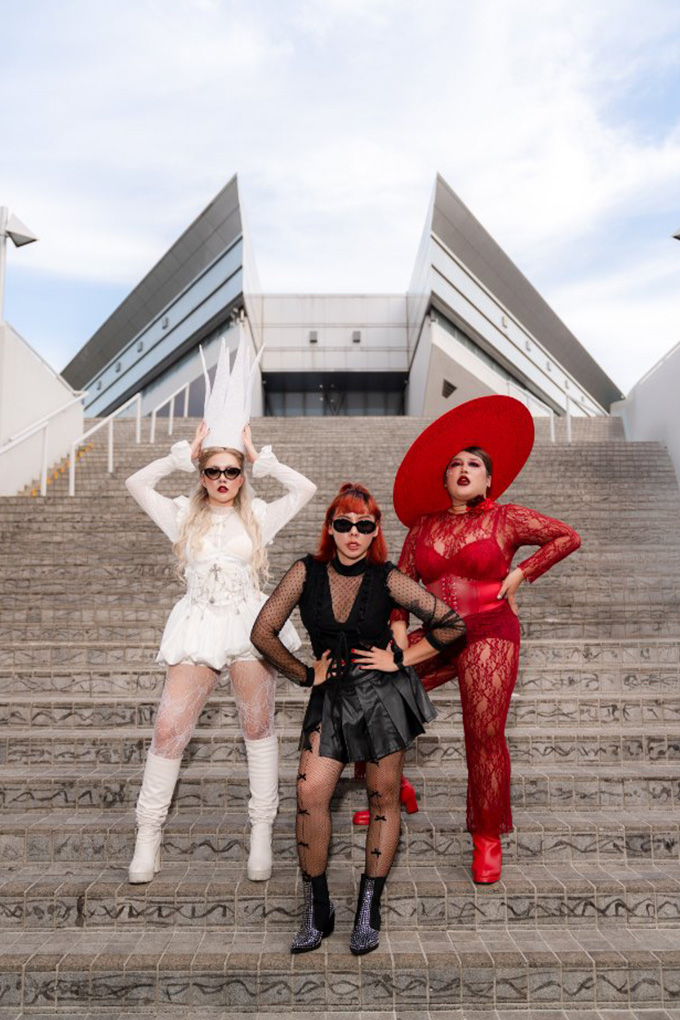
The phenomenon of dressing up for a Gaga concert is a powerful example of how personal branding intersects with corporate brand loyalty. In the digital age, a concert is no longer just a live event; it is a content-creation opportunity. Fans use their outfits to build their own personal brands on platforms like Instagram and TikTok, leveraging Gaga’s brand equity to increase their own social capital.
Mirroring the Artist: Creating a Shared Brand Language
When fans curate their concert looks, they are practicing “mirror branding.” By adopting the visual language of the artist, the fan signals their deep understanding of the brand’s core message. This creates a feedback loop: the artist provides the inspiration, the fan interprets it through their own lens, and the resulting social media buzz provides the artist with millions of dollars in earned media. For a Lady Gaga concert, the “dress code” is an unwritten contract of creativity. This shared language ensures that the brand remains vibrant and community-driven, rather than top-down.
The Psychology of Communal Identity
From a brand strategy perspective, the “what to wear” dilemma is solved by the desire for communal validation. Humans are tribal by nature, and fashion is the most immediate way to signal tribal affiliation. At a Gaga show, the “outfit” serves as a badge of honor. It signals that the wearer is part of a “safe space”—a key pillar of Gaga’s brand promise. By aligning their personal brand with her message of radical self-acceptance, fans turn the concert floor into a high-visibility showroom for the brand’s cultural impact.
Haus Labs and Beyond: Monetizing the Aesthetic
A successful brand strategy eventually moves toward vertical integration, and Lady Gaga has masterfully achieved this through Haus Labs by Lady Gaga. The “what to wear” question now includes “what makeup to wear,” allowing the brand to capture a larger share of the consumer’s wallet.
Product Integration and Beauty as a Brand Pillar
Haus Labs is not merely a celebrity beauty line; it is a strategic extension of the Gaga brand’s visual toolkit. By launching products that are specifically marketed as tools for “self-expression” and “artistry,” Gaga has commodified the very process of getting ready for her shows. The brand transition from “pop star” to “beauty mogul” was seamless because the groundwork had been laid for over a decade. Fans don’t just buy a lipstick; they buy a piece of the Haus of Gaga identity. This integration ensures that even when Gaga is not touring, the brand remains active in the consumer’s daily life through their beauty routine.
Digital Influence and the Viral Loop of Concert Fashion
The business of Gaga’s fashion is also driven by the “viral loop.” In the weeks leading up to a tour, social media is flooded with “get ready with me” (GRWM) videos and outfit tutorials. This is free marketing for the tour, the music, and the beauty line. Strategically, this creates a sense of “fear of missing out” (FOMO). Those who are not attending feel the brand’s absence, while those who are feel the pressure to elevate their personal brand to match the high standards of the community. This cycle sustains the brand’s relevance between major releases.
The Business of Reinvention: Why Consistency is the Enemy of Modern Branding
In traditional brand theory, consistency is king. You want your logo and your message to stay the same for decades. Lady Gaga’s brand strategy flips this on its head, proving that in the attention economy, calculated reinvention is more valuable than static consistency.
Mastering the Pivot: From Avant-Garde to Jazz & Piano
Gaga’s ability to move from wearing a dress made of raw meat to performing classic jazz standards with Tony Bennett is a masterclass in brand elasticity. This elasticity is what makes the question of “what to wear” so complex and rewarding for fans. Her brand can inhabit a dive bar, a stadium, and a prestigious Vegas theater simultaneously. This versatility expands her market share across different age groups and interests, from Gen Z fashionistas to older jazz enthusiasts. Each segment has its own “uniform,” yet all are unified under the Gaga umbrella.
Sustainability and Longevity in the Gaga Brand Portfolio
For a brand to survive twenty years, it must evolve without losing its core “soul.” Gaga’s core soul is “the outsider who found a home.” Whether she is dressed as an interstellar alien or a classic Hollywood starlet, that brand promise remains unchanged. This is why the concert attire varies so wildly; the brand provides a broad canvas for the audience. By allowing the “Little Monster” brand to be interpreted in infinite ways, she ensures the brand never goes out of style. It is an open-source brand identity that adapts to the cultural zeitgeist in real-time.

Conclusion: The Ultimate Brand Activation
Ultimately, a Lady Gaga concert is the ultimate brand activation event. It is the physical space where the brand’s values, visual identity, and commercial products all converge. When a fan asks “what to wear,” they are really asking “how do I best represent my place within this brand ecosystem?”
Lady Gaga has built more than a music career; she has built a cultural institution that functions with the precision of a luxury fashion house and the emotional resonance of a grassroots movement. By leveraging fashion as a strategic tool, she has turned her audience into a global sales force of brand ambassadors. In the world of branding, there is no greater achievement than a customer who is willing to transform their physical appearance to mirror the values of your company. That is the power of the Haus of Gaga: a brand that is not just seen or heard, but worn.
aViewFromTheCave is a participant in the Amazon Services LLC Associates Program, an affiliate advertising program designed to provide a means for sites to earn advertising fees by advertising and linking to Amazon.com. Amazon, the Amazon logo, AmazonSupply, and the AmazonSupply logo are trademarks of Amazon.com, Inc. or its affiliates. As an Amazon Associate we earn affiliate commissions from qualifying purchases.