
Appearing in court, even for something as seemingly minor as a traffic ticket, is a formal occasion that demands a strategic approach to personal presentation. Your attire is not merely a choice of clothing; it’s a critical component of your personal brand, a non-verbal statement that communicates volumes before you utter a single word. In the judicial setting, where perceptions heavily influence outcomes, understanding and leveraging this aspect of branding can significantly impact how you are perceived by the judge, prosecutor, and court staff. This isn’t about fashion; it’s about projecting an image of respect, responsibility, and seriousness that aligns with the decorum of the court.
The Strategic Importance of Appearance: Beyond the Fabric
Your personal brand is a holistic representation of who you are, encompassing your actions, words, and appearance. In a courtroom, where time is often limited and first impressions are paramount, your attire serves as an immediate indicator of your attitude towards the proceedings and the institution itself. It’s a foundational element of your brand narrative in that specific context.
Respect and Responsibility: The Foundation of Your Brand
Dressing appropriately for court demonstrates respect for the judicial system, the judge, and the seriousness of the legal process. When you present yourself in a neat, professional manner, you signal that you take the situation seriously and are prepared to engage respectfully. This foundational layer of respect is a powerful brand attribute that can positively influence how your case is heard. Conversely, appearing disheveled or overly casual can suggest a lack of respect or a dismissive attitude, potentially harming your credibility and the overall perception of your character. Your clothing choices are a silent endorsement or rejection of the court’s authority and gravity.
Non-Verbal Communication in a Formal Setting
Before any oral arguments begin, your visual presence has already delivered a message. Humans are inherently visual creatures, and we unconsciously form judgments based on appearance. In a formal environment like a courtroom, this effect is amplified. Professional attire conveys competence, reliability, and an understanding of social norms. It helps establish a baseline of trust and seriousness. Conversely, clothing that is too informal, provocative, or distracting can detract from your message, creating an immediate, negative impression that you may struggle to overcome. This non-verbal branding can either open the door to a more favorable reception or create an uphill battle.
Decoding the Courtroom Aesthetic: Messages Your Attire Sends
The “courtroom aesthetic” isn’t about trendsetting; it’s about adhering to an unwritten dress code that prioritizes professionalism, conservatism, and neutrality. Your goal is to project an image that is understated yet authoritative, serious yet approachable. Every element of your attire, from color choices to garment styles, contributes to this message.
Impact on Perceptions of Seriousness and Trustworthiness
When you present yourself in a business-appropriate manner, you are essentially branding yourself as a responsible citizen who understands and respects civic duties. This outward display of diligence can subtly influence the perception of your character. A judge, for example, might view a neatly dressed individual as more credible or remorseful, particularly when combined with an appropriate demeanor. This isn’t to say that clothing dictates justice, but it can certainly shape the human element of judgment. Your attire helps create a brand image that aligns with trustworthiness and a serious approach to resolving the matter at hand. It suggests you’re not there to waste anyone’s time or disrespect the process.
The Power of Neutrality and Conservatism
In court, your attire should not be a distraction. Loud patterns, bright colors, excessive jewelry, or overly revealing clothing divert attention from the actual proceedings and can be perceived as disrespectful or frivolous. The most effective brand strategy here is one of neutrality and conservatism. Opt for solid, subdued colors like navy, charcoal gray, black, or muted earth tones. These colors convey stability, seriousness, and professionalism. The aim is to blend into the professional backdrop of the courtroom, allowing your verbal communication and the facts of your case to take center stage, rather than having your clothing become a topic of internal judgment.
Practical Brand Guidelines for Men and Women: Building Credibility
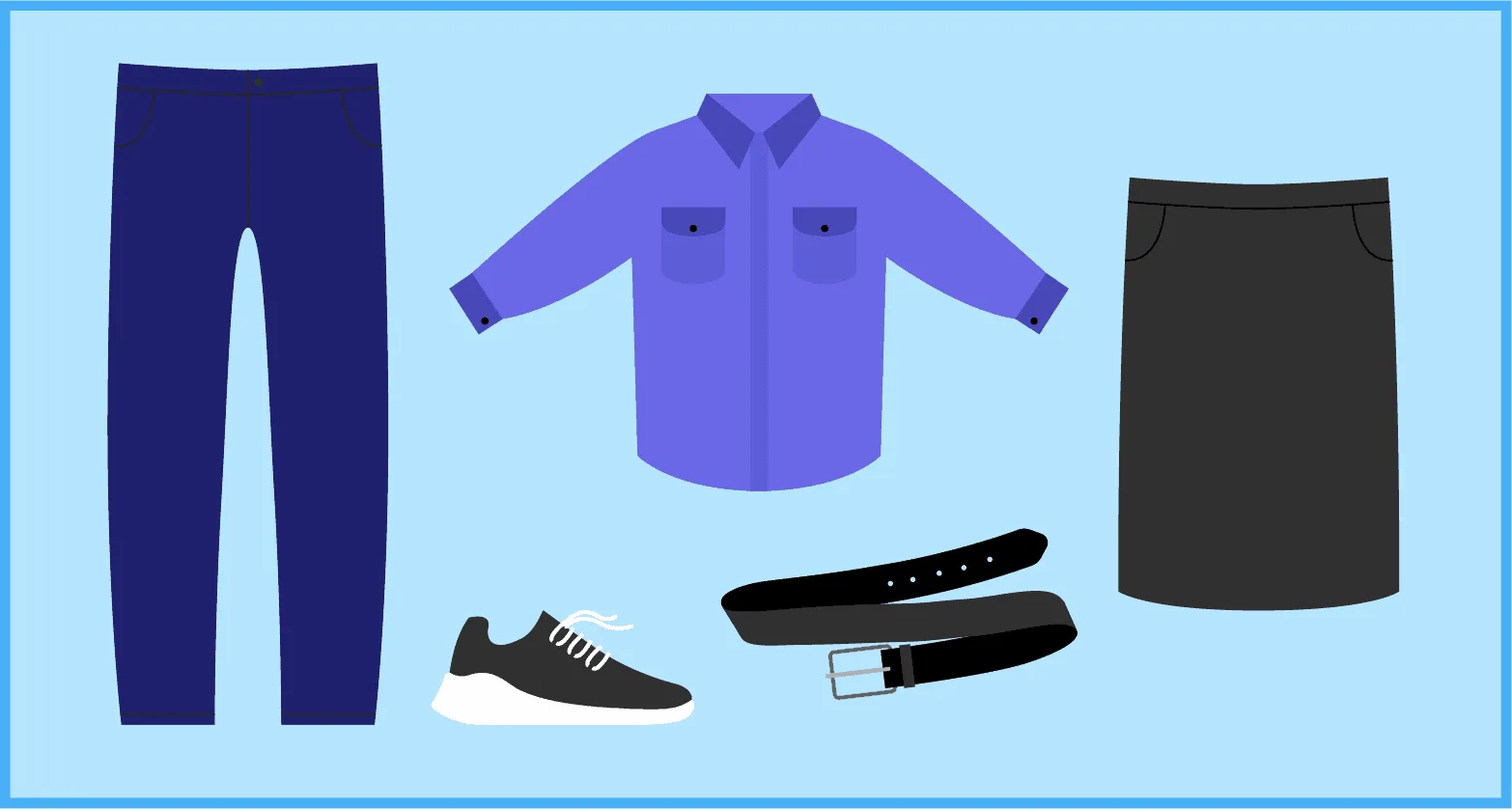
Translating these branding principles into actionable attire choices involves specific recommendations for both men and women, focusing on garments that project professionalism and respect.
For Men: The Business Casual Advantage

For a traffic ticket, a full suit is often unnecessary and can sometimes appear as if you are overcompensating. The sweet spot for men is typically smart business casual, leaning towards conservative.
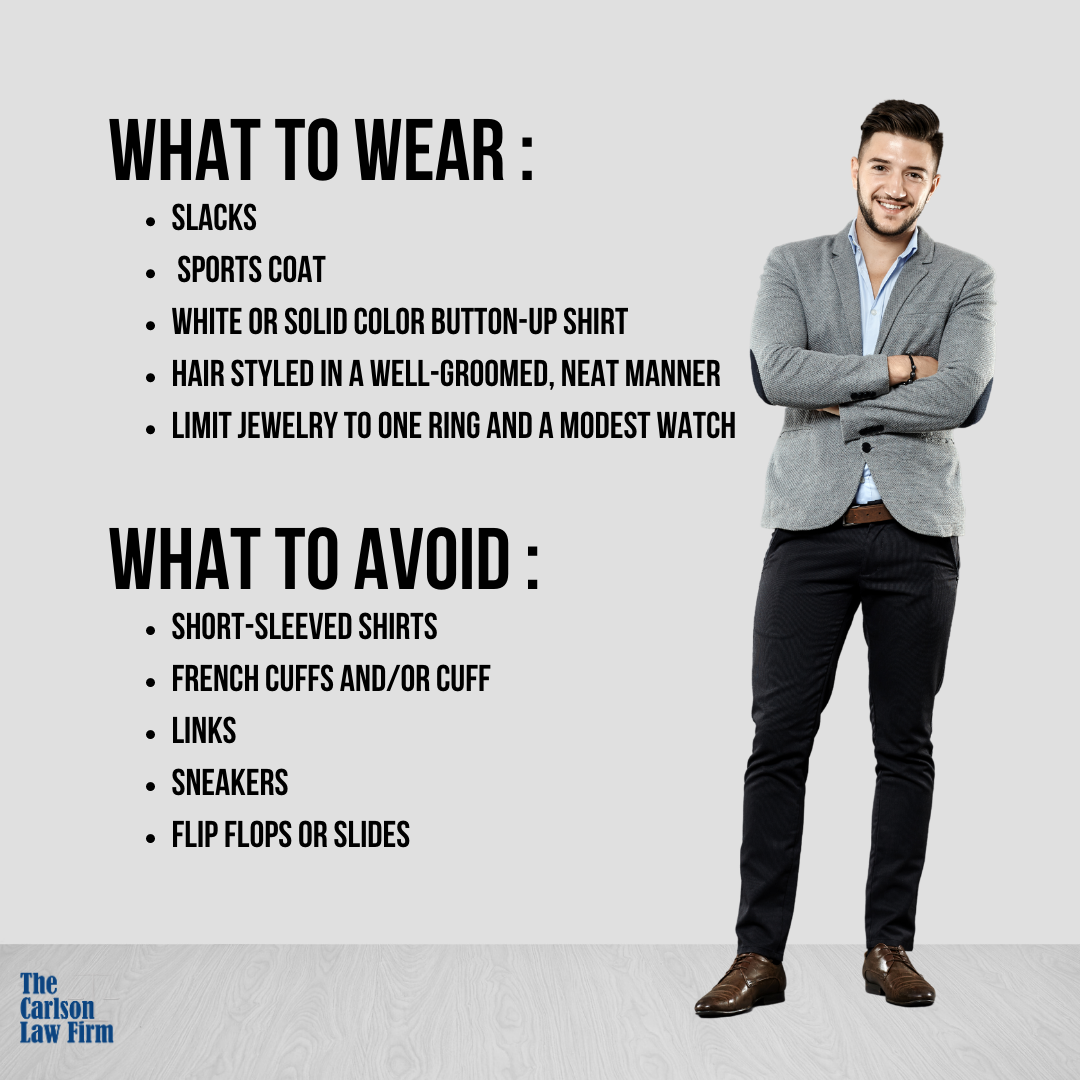
- Tops: A collared shirt is essential. A button-down dress shirt (ironed, tucked in) in a solid, light color (white, light blue) or a subtle pattern is ideal. A polo shirt, while collared, may lean too casual depending on the court.
- Bottoms: Pressed dress pants or khakis in dark, neutral colors (navy, gray, black, tan). Avoid jeans, cargo pants, or shorts under any circumstances.
- Layering (Optional): A sport coat or blazer can significantly elevate your brand image, adding an extra layer of professionalism and authority. A sweater vest or a fine-gauge knit sweater over a collared shirt is also acceptable in cooler weather.
- Footwear: Clean, polished dress shoes (loafers, oxfords). Sneakers, sandals, or work boots are inappropriate and detract from your credibility.
- Grooming: A neat haircut, clean shave or well-trimmed beard, and clean fingernails contribute to an overall polished brand image.
For Women: Professional Grace and Modesty
Women’s attire should also focus on conservatism, professionalism, and modesty. The goal is to project an image of seriousness and respect without being distracting.
- Dresses/Skirts: A knee-length or longer dress or skirt in a solid, neutral color is appropriate. Avoid overly tight, short, or revealing styles, as these can detract from your professional brand. Slits should be modest.
- Pants: Tailored trousers or dress pants in a dark, neutral color are excellent choices. Avoid leggings, jeans, cargo pants, or shorts.
- Tops: A professional blouse or a modest sweater. Ensure necklines are not plunging and shoulders are covered. Avoid anything strapless, sheer, or with distracting logos/graphics.
- Layering (Optional): A blazer or cardigan can add a layer of professionalism and can be useful for regulating temperature.
- Footwear: Closed-toe shoes with a modest heel or flats. Ensure shoes are clean and in good repair. Avoid open-toed shoes, sandals, flip-flops, or overly high heels.
- Accessories: Keep jewelry minimal and understated. A watch, simple earrings, or a delicate necklace are fine, but avoid anything noisy, flashy, or attention-grabbing.
- Grooming: Neat hair (pulled back if long, to avoid distraction), light makeup (if worn), and clean fingernails contribute to a refined brand image.
Avoiding Branding Blunders: What Not to Wear
Just as important as knowing what to wear is knowing what to avoid. Certain attire choices can severely undermine your personal brand in a courtroom setting, creating immediate negative perceptions.
Over-Dressing vs. Under-Dressing: Striking the Balance
While under-dressing (jeans, t-shirts, athletic wear) is a clear branding misstep, over-dressing can also be subtly problematic if not handled correctly. Showing up in a tuxedo or a ball gown for a traffic ticket would be perceived as theatrical and out of touch, undermining your sincerity. The key is to strike a balance: dress respectfully and professionally, but not ostentatiously. Aim for credibility, not extravagance. Your brand message should be “I am a responsible citizen taking this seriously,” not “I am trying to impress you with my wealth” or “I don’t care about this.”
Avoiding Distractions: Loud Patterns, Logos, and Casualwear
Any clothing that draws undue attention to itself is a branding misfire in court.
- Loud Patterns & Colors: Neon colors, busy prints, or flashy metallic fabrics are distracting and unprofessional. Stick to solids and subtle patterns.
- Offensive Graphics or Logos: Clothing with controversial slogans, large brand logos, band names, or graphics can be perceived as disrespectful or immature. Your attire should be neutral and non-political.
- Casualwear: This includes anything you would wear to the gym, the beach, or for lounging: t-shirts, tank tops, hoodies, athletic wear, shorts, ripped jeans, flip-flops, sneakers. These items communicate a lack of seriousness and disregard for the formality of the court.
- Revealing Clothing: Low-cut tops, mini-skirts, sheer fabrics, or anything overly tight or suggestive is inappropriate and will create a negative personal brand impression, diverting attention from your actual case.
The Subtlety of Influence: How Your Brand Can Impact Outcomes
While clothing alone will not decide the outcome of your traffic ticket, the perception you create through your personal brand can subtly influence the human elements of the court process.
The Psychology of Presentation
Psychological research consistently shows that appearance affects how others perceive competence, trustworthiness, and social status. In a courtroom, where judges and prosecutors are making rapid assessments based on limited interaction, these initial perceptions can matter. An individual who projects an image of responsibility and respect through their attire may be afforded a slightly higher degree of empathy or consideration than someone who appears dismissive or unprepared. Your visual brand can act as a silent advocate, laying the groundwork for a more receptive audience.
Projecting Competence and Diligence
By presenting a polished and professional personal brand, you signal competence and diligence. You are demonstrating that you are capable of understanding and adhering to expectations, which are positive brand attributes that can subtly influence the disposition of your case. A judge might be more inclined to believe your side of the story or consider a plea for leniency if you appear as a responsible individual who is genuinely respectful of the court’s time and authority. While the facts of the case remain paramount, your carefully curated personal brand can help ensure that you are heard in the most favorable light possible. It’s about establishing a reputable personal brand that supports your case, rather than detracting from it.
aViewFromTheCave is a participant in the Amazon Services LLC Associates Program, an affiliate advertising program designed to provide a means for sites to earn advertising fees by advertising and linking to Amazon.com. Amazon, the Amazon logo, AmazonSupply, and the AmazonSupply logo are trademarks of Amazon.com, Inc. or its affiliates. As an Amazon Associate we earn affiliate commissions from qualifying purchases.