
Navigating the sartorial expectations of a country club goes far beyond simply adhering to a dress code. It is an intricate exercise in personal branding, an opportunity to demonstrate an understanding of corporate identity, and a subtle yet powerful form of marketing oneself within an exclusive community. For members and guests alike, attire is a critical component of communication, reflecting respect for tradition, alignment with shared values, and an appreciation for the club’s established ethos. In environments where relationships and reputation are paramount, strategic wardrobe choices become indispensable tools for projecting confidence, belonging, and an astute grasp of social dynamics.

The Country Club as a Brand Ecosystem
A country club is more than just a collection of facilities; it is a meticulously curated brand. Its brand identity is woven into every aspect, from the architectural style and landscaping to the quality of service, the caliber of its events, and, crucially, its dress code. Understanding this brand ecosystem is the foundational step in crafting an appropriate and effective personal presentation.
Understanding the Club’s Corporate Identity
Every country club possesses a distinct corporate identity, a unique brand narrative that sets it apart. This narrative is typically steeped in tradition, exclusivity, and a commitment to certain standards of elegance and conduct. The dress code is not merely a set of rules but a tangible expression of this identity. It communicates the club’s values, its respect for formality, and its desire to maintain a particular ambiance. For instance, a club with a history stretching back a century might emphasize classic, timeless attire, while a newer, more contemporary club might permit slightly more relaxed, yet still polished, interpretations.
Adhering to the dress code, therefore, transcends mere compliance. It signifies an acceptance and respect for the club’s established brand. It shows that you understand the unspoken language of the institution and are willing to contribute positively to the collective image. Failure to align your personal presentation with the club’s corporate identity can be perceived as a misunderstanding of its brand values, potentially creating dissonance within the club’s carefully constructed environment.
The Implicit Contract of Membership
Membership in a country club often implies an implicit contract: members agree to uphold the club’s standards and contribute to its prestige. In this context, members act as ambassadors of the club’s brand. Their presentation directly influences how the club is perceived by prospective members, guests, and the wider community. When members consistently project an image of sophistication and adherence to standards, they reinforce the club’s brand reputation.
Attire, in this sense, is a key driver of the overall ambiance and elevates the collective brand experience for all. Imagine a formal dining room where some patrons are impeccably dressed, while others are in casual sportswear. The latter would disrupt the intended atmosphere, diluting the club’s brand promise of an exclusive, refined experience. Strategic dressing ensures that every individual’s presentation contributes to, rather than detracts from, the club’s desired brand narrative, fostering a sense of shared identity and mutual respect among its members.
Personal Branding Through Strategic Attire Choices
Your personal brand is the sum total of how you present yourself to the world – your skills, values, personality, and, critically, your appearance. In a country club setting, where social and professional circles often intertwine, leveraging attire for personal branding is an art form. It’s about communicating impact and achieving seamless integration.
Dressing for Impact and Integration
Personal branding, in this exclusive context, is about presenting yourself consistently and authentically while demonstrating an acute awareness of your environment. Attire becomes a non-verbal tool to communicate professionalism, respect, and an understanding of nuanced social cues. A well-chosen outfit projects an image of someone who is thoughtful, detail-oriented, and understands the gravity of the setting. This creates a positive first impression, which is invaluable for building rapport and establishing credibility within the club’s network.
Conversely, common missteps, such as overly casual clothing, ill-fitting garments, or attire that clashes with the club’s aesthetic, can dilute one’s personal brand. Such choices might inadvertently signal a lack of awareness, disrespect for tradition, or even a disregard for the club’s established ethos. The goal is to project a personal brand that seamlessly integrates with, and ideally enhances, the club’s corporate identity.
The Silent Language of Sophistication
The subtle nuances of attire speak volumes. Fabrics, tailoring, and color palettes collectively form a silent language of sophistication, revealing an individual’s attention to detail and discernment. High-quality natural fibers like linen, cotton, wool, and silk, combined with impeccable tailoring, immediately convey a sense of refinement. A perfectly fitted blazer, a crisp polo shirt, or a well-draped dress communicates an investment not just in the garment itself, but in the projection of a polished personal brand.
In these settings, subtlety and understatement often project greater confidence and established status than overt displays of wealth or fleeting fashion trends. A classic, well-maintained leather loafer speaks more eloquently than an ostentatious, trendy sneaker. A thoughtfully selected watch communicates more about your appreciation for craftsmanship than a flashy, logo-heavy accessory. True sophistication lies in the quiet assurance that quality and timeless design convey, reinforcing a personal brand built on substance and grace.
Adapting Your Brand for Different Club Venues and Events
A country club is a multifaceted environment, hosting a diverse range of activities. From the golf course and tennis courts to formal dining rooms, social mixers, and black-tie galas, each venue and event within the club possesses its own micro-brand expectations for attire. A strong personal brand is versatile enough to adapt seamlessly across these varying scenarios.
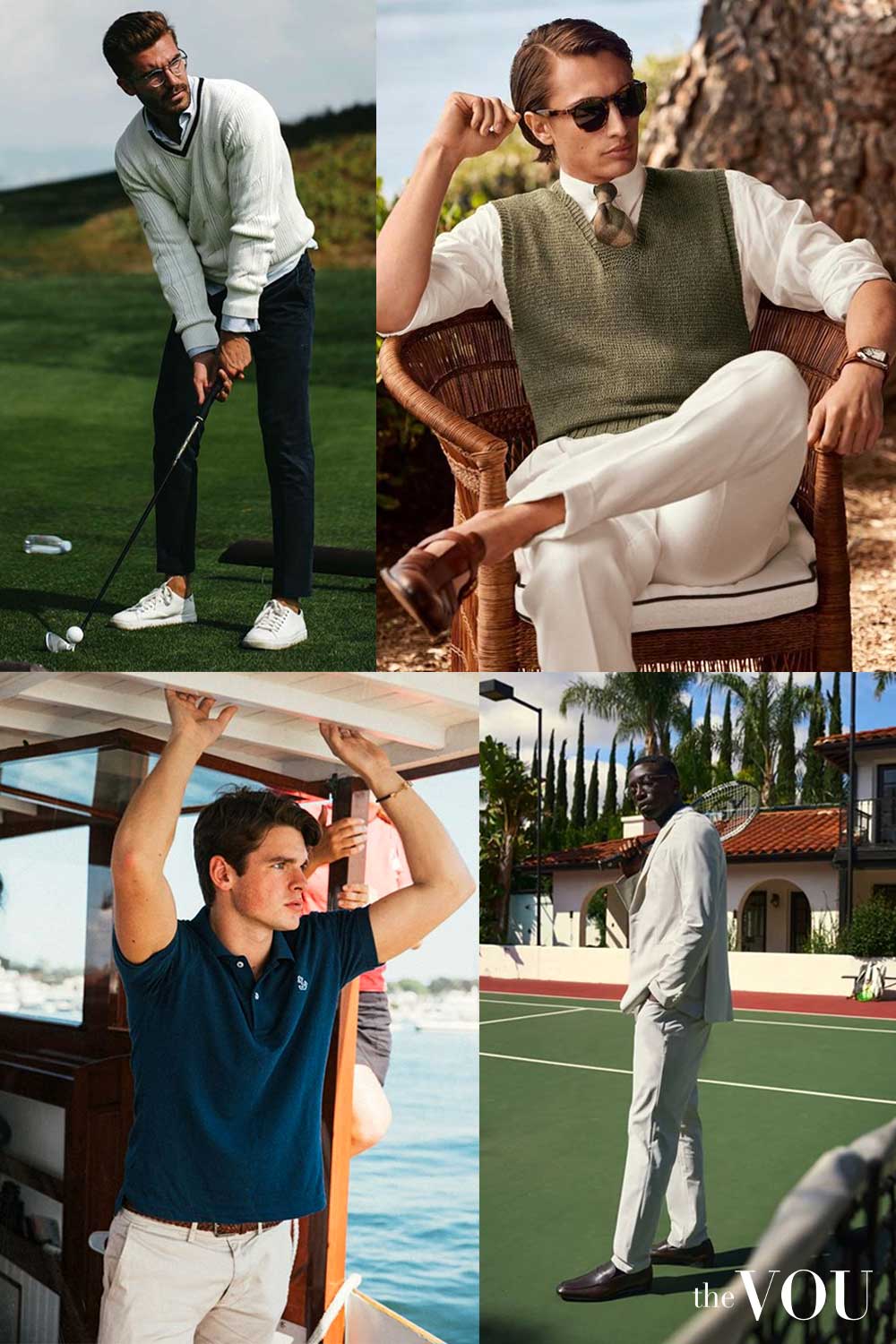
For the golf course, “golf attire” itself has specific components: collared shirts, tailored trousers or shorts, and appropriate footwear. For the dining room, a jacket might be required for gentlemen, and elegant dresses or sophisticated separates for ladies. A poolside area will have its own resort-wear guidelines. The ability to transition your personal brand effectively demonstrates an understanding of the club’s diverse offerings and reinforces your capacity to operate comfortably and appropriately in any context it presents. Having a versatile wardrobe that respects these distinctions is key to maintaining consistent brand alignment.
Leveraging Attire to Reinforce Club Culture and Personal Authority
Beyond mere compliance, strategic dressing actively contributes to the reinforcement of club culture and subtly enhances an individual’s personal authority and influence within the community. It’s about understanding how visual cues foster connection and build respect.
The Role of Tradition in Brand Identity
Many established country clubs boast rich histories and deeply ingrained traditions that form the bedrock of their brand identity. Dress codes are frequently a direct reflection of this heritage, serving as a tangible link to the club’s founding principles and enduring values. Embracing classic styles—such as blazers, tailored polo shirts, chinos, elegant dresses, and smart loafers—is not merely about being fashionable; it’s a conscious nod to these traditions. This adherence subtly reinforces the club’s historical brand narrative and positions your personal brand as one that respects and values legacy.
By choosing attire that harmonizes with these time-honored customs, you communicate an understanding of and commitment to the club’s identity. This respectful engagement strengthens your personal brand by aligning it with the club’s core values, fostering a sense of belonging and demonstrating a sophisticated appreciation for its cultural fabric.
Attire as a Tool for Networking and Connection
In exclusive settings like country clubs, networking and social connection are vital. When one’s attire consistently aligns with the expected standard, it effectively removes subconscious barriers and facilitates smoother social interactions. Appropriate dress signals common ground, shared values, and mutual respect, all of which are crucial ingredients for building meaningful relationships within an elite community.
Inappropriate attire, on the other hand, can create friction or misperceptions before a single word is exchanged. It might convey a lack of seriousness, an outsider status, or a disregard for the club’s community standards, thereby hindering personal brand development and limiting potential networking opportunities. By dressing strategically, you open doors, project an image of reliability, and cultivate an environment conducive to fostering invaluable connections.
From Policy to Personal Style: Maintaining Authenticity
While strict adherence to dress codes is paramount, it does not necessitate the suppression of personal style. The true art lies in integrating your unique personal brand into the broader corporate identity of the country club. This involves making subtle choices that reflect individuality without deviating from established guidelines. For instance, selecting a blazer in a unique yet classic pattern, choosing a pocket square with a subtle flourish, or opting for a dress with a distinctive cut that still respects length and formality, can allow your authentic style to shine through.
This isn’t about blending in completely, but rather blending smartly to enhance mutual respect and recognition. It’s about demonstrating that you understand the rules of the game while still leaving your unique mark. By mastering this balance, you create a powerful personal brand that is both compliant and distinct, projecting confidence and a nuanced understanding of social dynamics.
Design Principles for Country Club Wardrobes
Approaching your country club wardrobe with a designer’s eye can elevate your personal branding significantly. This involves applying principles of cohesion, visual identity, and meticulous attention to detail to create a collection of garments that consistently projects sophistication and alignment.
The Power of Cohesion and Visual Identity
Think of your club wardrobe not as a random assortment of clothes, but as a curated collection that reflects a clear visual identity. This means focusing on complementary pieces, maximizing versatility, and establishing a consistent color palette that supports timelessness and sophistication. A cohesive wardrobe ensures that nearly every piece can be mixed and matched, creating a multitude of appropriate outfits with minimal effort. This strategic approach minimizes decision fatigue and guarantees that you consistently project a polished, well-thought-out image, reinforcing a personal brand built on preparedness and elegance.
Designing your wardrobe with cohesion in mind means fewer “wardrobe emergencies” and a greater sense of confidence in your presentation. It’s a testament to forethought and an appreciation for lasting style over fleeting trends, a hallmark of strong personal branding.
Attention to Detail: The Unsung Hero of Brand Presentation
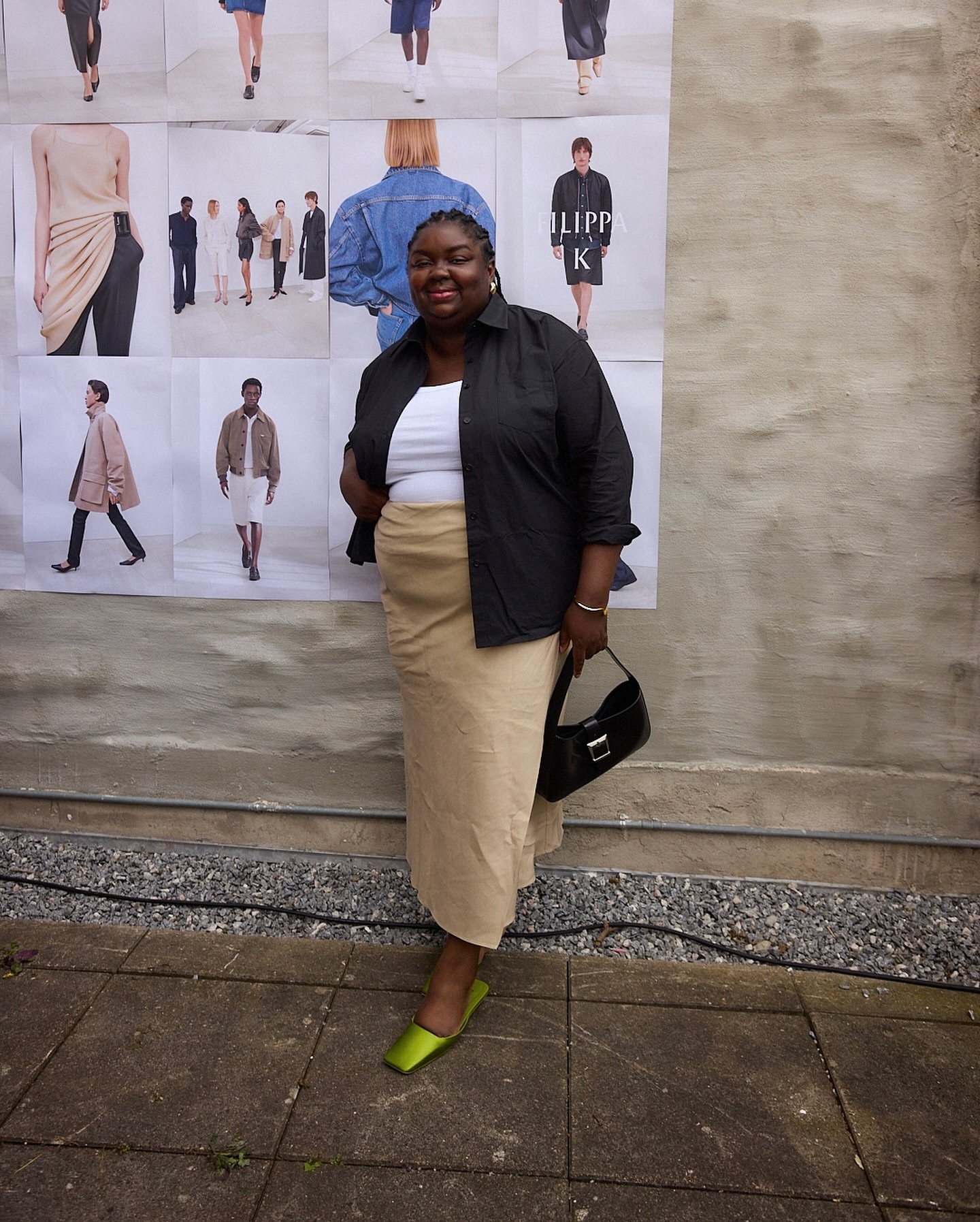
In the realm of personal branding, details are not just details; they are the unspoken components that collectively form a powerful statement. The importance of fit, fabric quality, and the pristine condition of your garments cannot be overstated. An otherwise appropriate outfit can be undone by poor tailoring, a loose thread, or a wrinkled shirt. Shoes should be polished, belts should be in good condition, and accessories like watches and jewelry should be understated and tasteful.
These minor elements are often subliminal, yet they exert a profound influence on how your personal brand is perceived. They communicate diligence, self-respect, and an acute awareness of your surroundings. A scuffed shoe, a frayed cuff, or an ill-fitting garment detracts from your overall presentation, suggesting a lack of care that can undermine even the most articulate verbal communication. By mastering these seemingly small details, you affirm your commitment to excellence, not just in your attire, but in your broader personal brand.
aViewFromTheCave is a participant in the Amazon Services LLC Associates Program, an affiliate advertising program designed to provide a means for sites to earn advertising fees by advertising and linking to Amazon.com. Amazon, the Amazon logo, AmazonSupply, and the AmazonSupply logo are trademarks of Amazon.com, Inc. or its affiliates. As an Amazon Associate we earn affiliate commissions from qualifying purchases.