
The Strategic Intersection of Attire and Personal Brand
In an increasingly image-conscious world, the choices we make about our attire transcend mere personal preference; they are strategic decisions that profoundly impact our personal brand. Just as a corporate logo or a marketing campaign communicates a company’s values and identity, your clothing, especially when navigating social or professional environments like a nice restaurant, serves as a powerful non-verbal billboard for your individual brand. It’s an often-underestimated component of how you’re perceived, influencing initial judgments and setting the tone for interactions. Understanding this link is crucial for anyone looking to cultivate a strong, cohesive personal brand.
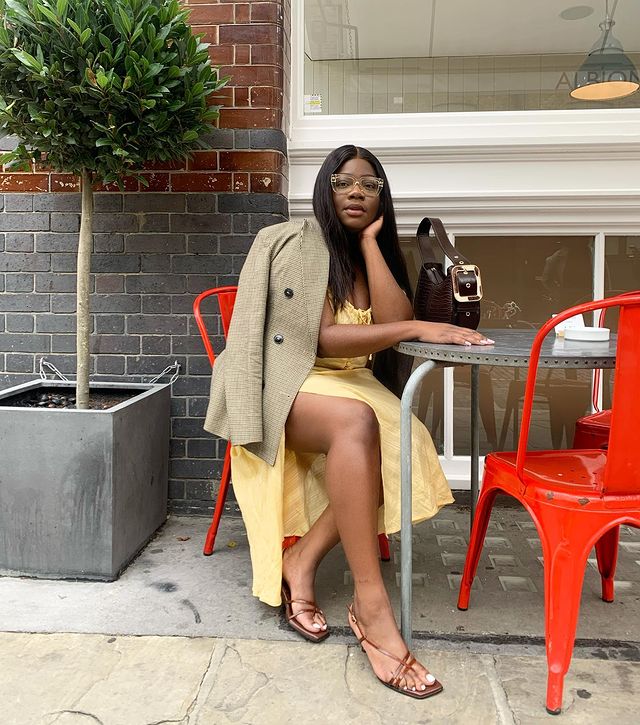
First Impressions as a Brand Statement
The old adage about first impressions rings truer than ever in the context of personal branding. Within seconds of meeting someone, or even just entering a room, an individual forms an opinion based heavily on visual cues. Your attire is front and center among these cues. When stepping into a nice restaurant, your clothing choice immediately broadcasts a message about your professionalism, attention to detail, respect for the occasion, and overall self-awareness. Are you someone who pays attention to quality? Do you understand social conventions? Do you value presentation? These are all questions subconsciously answered by your outfit before you’ve even uttered a word. From a branding perspective, your appearance is akin to the packaging of a high-value product; it needs to be attractive, appropriate, and indicative of the quality within. A mismatch between your desired brand identity and your visual presentation can create dissonance, undermining credibility and weakening your message.
Aligning Attire with Your Brand Narrative
Every successful brand has a compelling narrative. For individuals, this narrative might revolve around attributes like trustworthiness, innovation, sophistication, or approachability. Your outfit should actively support and reinforce the story you wish to tell about yourself. If your personal brand is built on meticulous professionalism and high standards, then a crumpled shirt or ill-fitting trousers will directly contradict that narrative. Conversely, a well-tailored suit or an elegantly draped dress can amplify a message of competence and refinement. Consider your professional and personal aspirations: does your restaurant attire align with the image of the person you aspire to be? This isn’t about conformity, but about strategic alignment. Your clothing acts as an external manifestation of your internal brand values, creating consistency and strengthening your overall identity. It’s about ensuring that your visual communication is always working in concert with your verbal and behavioral communication to build a robust and authentic personal brand.
Decoding the “Nice Restaurant” Brand: Contextual Branding
Effective branding is rarely static; it adapts to context while maintaining core identity. When selecting what to wear to a nice restaurant, it’s imperative to consider the restaurant itself as a distinct brand entity. Each establishment cultivates its own unique identity through its cuisine, decor, service, and ambiance. Ignoring these cues is akin to a company launching a marketing campaign without understanding its target audience or market segment. To present your personal brand effectively, you must first decipher the restaurant’s brand and then strategically align your attire with it. This process, which we can call contextual branding, ensures your appearance complements the environment, rather than clashing with it.
Researching the Venue’s Identity
Before selecting an outfit, conducting a bit of “market research” on the restaurant is a critical step. Its website and social media channels are invaluable resources. Look at the photo galleries: what are other diners wearing? What is the general decor and atmosphere? Is it sleek and modern, opulent and traditional, or rustic and chic? Reviews often provide clues about the dress code, sometimes explicitly, but more often implicitly through descriptions of the “vibe.” Even a quick call to the maître d’ can clarify any uncertainties regarding expectations. The restaurant’s brand identity – its color palette, architectural style, menu design, and even the server’s uniforms – all contribute to an overall message. Your attire should aim to harmonize with this message. If the restaurant exudes an air of understated luxury, a flashy, overly casual outfit would feel out of place and reflect poorly on your ability to read a room, thus undermining your personal brand of discernment and social intelligence.
The Spectrum of Formality: Brand Adaptability
“Nice restaurant” is a broad term, encompassing a wide spectrum of formality. From upscale casual bistros to Michelin-starred establishments, each demands a different level of sartorial consideration. This spectrum requires your personal brand to be adaptable, demonstrating an understanding of varying social contracts.
- Upscale Casual: This might mean smart dark denim, chinos, or tailored trousers for men, paired with a collared shirt or a smart knit. For women, smart trousers, a stylish skirt or dress, or dark jeans with an elegant top. This level communicates an approachable yet refined brand.
- Business Casual: Often required for higher-end dining or business dinners, this steps up the formality. Think sport coats with dress shirts and slacks for men; tailored dresses, skirts with blouses, or smart trouser suits for women. This projects a brand of professional competence and respect.
- Semi-Formal: Typically involving suits (without a tie sometimes) for men, and cocktail dresses or elegant separates for women. This signifies a brand that appreciates occasions and invests in polished presentation.
- Formal/Black Tie: The pinnacle of formality, demanding tuxedos for men and evening gowns for women. This is a clear statement of a sophisticated, high-status brand.
Being underdressed for a venue can damage your personal brand by conveying disrespect for the establishment, the occasion, or your dining companions. It suggests a lack of understanding or attention to detail. Conversely, being overdressed can sometimes create its own form of dissonance, making you seem out of touch, though this is often less damaging than being underdressed. The key is to demonstrate brand adaptability, showcasing that your personal brand is versatile, intelligent, and contextually aware.
Curating Your Wardrobe as a Brand Asset
Just as a corporation carefully builds its asset base, an individual should view their wardrobe as a collection of assets that contribute directly to their personal brand equity. Thoughtful curation, focusing on quality, versatility, and strategic impact, transforms mere clothing into powerful tools for conveying your desired image. This isn’t about accumulating vast quantities of garments, but rather about making judicious investments in pieces that consistently elevate and articulate your brand.
Investment in Quality: Branding Longevity

Investing in high-quality, well-constructed garments is arguably one of the most significant investments you can make in your personal brand. Quality fabrics, superior craftsmanship, and enduring styles convey an inherent sense of sophistication and discernment. A cheap, ill-fitting garment, no matter how trendy, often communicates the opposite. High-quality pieces not only look better and drape more elegantly, but they also last longer, offering a higher return on investment for your brand over time. Consider well-made suits, tailored blazers, classic dresses, and leather shoes. These are foundational brand assets that exude professionalism and attention to detail. Furthermore, the importance of tailoring cannot be overstated. A perfectly fitted garment, regardless of its original price point, immediately elevates your appearance and tells a story of meticulousness and self-respect—core components of a strong personal brand. A tailored piece simply fits you, reflecting a bespoke approach to your personal presentation.
Color Psychology and Brand Messaging
The colors you choose are potent non-verbal communicators, influencing perception and mood. Understanding color psychology is a vital aspect of brand strategy. For a nice restaurant setting, certain colors tend to align more effectively with a sophisticated personal brand:
- Navy Blue: Conveys trustworthiness, authority, and intelligence. It’s a versatile alternative to black.
- Charcoal Grey: Projects professionalism, sophistication, and balance.
- Black: Represents power, elegance, and formality. It’s a timeless choice for evening wear.
- Deep Jewel Tones (Emerald Green, Sapphire Blue, Ruby Red): Can signify luxury, confidence, and individuality without being ostentatious.
Lighter colors might be appropriate for daytime dining in certain contexts but generally carry less gravitas for evening settings. Choosing colors that complement your skin tone and hair color further enhances your overall visual appeal, making your brand presentation more harmonious. Avoid overly bright or neon colors, loud patterns, or anything that might be distracting or perceived as unprofessional in a refined dining environment. Your color choices should subtly underscore your brand message, contributing to an overall impression of considered elegance.
Accessories as Brand Differentiators
Accessories are the subtle, yet powerful, differentiators in your personal brand toolkit. They are the details that elevate an outfit from good to exceptional, offering an opportunity to express individuality and refine your brand statement without overpowering your core message.
- Watches: A classic timepiece communicates punctuality, attention to detail, and often, an appreciation for craftsmanship.
- Jewelry: For women, elegant, understated pieces can enhance sophistication. For men, subtle cuff links or a tie pin can add a touch of polish. The key is quality over quantity, and subtlety over ostentation.
- Ties/Pocket Squares: For men, these offer opportunities for a pop of color or pattern that aligns with your personality or the occasion, acting as a personal signature.
- Handbags/Clutches: For women, a well-chosen bag should complement the outfit in terms of formality, color, and style. It’s an extension of your personal aesthetic.
- Shoes: Often overlooked, shoes are critical. Clean, polished, and appropriate footwear (dress shoes, heels, elegant flats) reinforces an image of thoroughness and attention to every detail of your brand presentation.
Each accessory choice contributes to the overall narrative of your personal brand. They are not merely add-ons but carefully selected components that enhance your perceived value and distinctive identity.
The Non-Verbal Marketing of Confidence and Poise
While the fabric and cut of your clothing form the foundation of your visual brand, true personal branding extends beyond the tangible garments. The manner in which you carry yourself, your grooming, and your overall demeanor are equally, if not more, critical in cementing a powerful and resonant brand image. Your attire is the packaging, but your presence is the product itself. In a nice restaurant setting, where observation is often heightened, these non-verbal cues serve as potent marketing tools for your personal brand.
Beyond the Fabric: The Embodied Brand
A designer suit or an haute couture dress loses much of its impact if the person wearing it appears dishevelled or unkempt. Therefore, grooming is an indispensable element of your embodied brand. This includes neatly styled hair, clean and manicured nails, and a subtle, appealing fragrance (or none at all, if preferred). For men, a well-groomed beard or a clean shave is important. For women, tasteful makeup that enhances natural features rather than overwhelms them. These elements signal self-care, attention to detail, and respect for oneself and others—qualities that are universally admired and contribute significantly to a polished personal brand. Think of it as the final layer of refinement for your brand; it ensures that the message of quality and care is consistent from head to toe, inside and out.
Your posture, too, speaks volumes. Standing and sitting with an upright, confident posture conveys self-assurance, presence, and professionalism. Slouching, fidgeting, or exhibiting closed-off body language can inadvertently communicate insecurity or disinterest, undermining the sophisticated brand image you’ve carefully cultivated through your attire. In a dining context, proper table manners, engaging eye contact, and attentive listening are extensions of your brand. These behaviors demonstrate social intelligence and respect, further solidifying a positive impression. The combination of impeccable grooming and confident body language ensures that your personal brand is not just seen, but felt, creating a lasting and impactful impression.

Post-Impression Management: Consistency and Authenticity
Building a powerful personal brand is an ongoing endeavor, not a one-time event. While dressing appropriately for a nice restaurant is a critical component of initial impression management, the true strength of your brand lies in its consistency and authenticity across all interactions. Your meticulously chosen outfit sets an expectation; your consistent character and genuine interactions fulfil that promise.
Authenticity is the bedrock of enduring personal branding. While your attire can project an image of sophistication, it must ultimately resonate with who you truly are. A brand built on pretence is fragile and unsustainable. Therefore, select clothing that feels comfortable and genuinely reflective of your personal style within the bounds of appropriateness. This allows you to carry yourself with ease and confidence, reinforcing the message that your personal brand is not just an outward show, but an intrinsic part of your identity.
By consistently applying strategic thought to your appearance, by respecting the context, and by ensuring your presentation aligns with your authentic self, you transform every outing, especially to a nice restaurant, into an opportunity to reinforce and elevate your powerful and cohesive personal brand.
aViewFromTheCave is a participant in the Amazon Services LLC Associates Program, an affiliate advertising program designed to provide a means for sites to earn advertising fees by advertising and linking to Amazon.com. Amazon, the Amazon logo, AmazonSupply, and the AmazonSupply logo are trademarks of Amazon.com, Inc. or its affiliates. As an Amazon Associate we earn affiliate commissions from qualifying purchases.