
Black tie events represent a pinnacle of formal sartorial expression. For women, navigating these occasions demands an understanding of established protocols, an awareness of contemporary trends, and a keen sense of personal style that projects confidence and sophistication. Beyond simply adhering to a dress code, selecting the right attire is an opportunity to solidify your personal brand, making a memorable and impactful statement. This guide delves into the intricacies of black tie dressing for women, exploring the fundamental elements, key considerations, and strategic choices that will ensure you present your most polished and empowered self.

The Foundation of Black Tie: Understanding the Dress Code
At its core, black tie for women signifies a high level of formality. While men are bound by a specific tuxedo ensemble, women possess greater flexibility, yet this very freedom necessitates a more nuanced approach to dressing. The overarching goal is to achieve an elegant and refined aesthetic that commands respect and signifies an understanding of the event’s gravitas.
Essential Elements of a Black Tie Wardrobe
The cornerstone of a female black tie ensemble is typically a floor-length gown. However, this is not an absolute rule, and elegant cocktail dresses that fall below the knee can sometimes be acceptable, depending on the specific event and its host. The key is to err on the side of formality. Fabric choice plays a crucial role; luxurious materials such as silk, satin, velvet, chiffon, and crepe lend an air of opulence and sophistication. Avoid overtly casual fabrics like cotton jersey or linen. The silhouette should be graceful and flattering, avoiding anything too revealing or overly casual. Think about the overall impression you want to create – are you aiming for classic elegance, modern sophistication, or a touch of avant-garde glamour?
Deciphering the Nuances: When is a Gown Essential?
While a floor-length gown is the most universally accepted and safest choice for black tie, there are situations where a sophisticated, ankle-length or midi-length dress can be appropriate. This is particularly true if the invitation specifies “creative black tie” or if the event is less traditional, such as a modern art gallery opening or a contemporary charity gala. However, for highly traditional events – think state dinners, royal receptions, or classic opera premieres – a floor-length gown is almost always expected and the most appropriate choice. When in doubt, always opt for the longer length to ensure you meet the highest standard of formality.
Strategic Selection: Crafting Your Black Tie Ensemble
Beyond the fundamental dress code, the true art of black tie dressing lies in the strategic selection of individual components to create a cohesive and impactful look. This involves carefully considering your personal style, the event’s context, and the subtle details that elevate an outfit from good to unforgettable.
The Power of Silhouette and Fabric
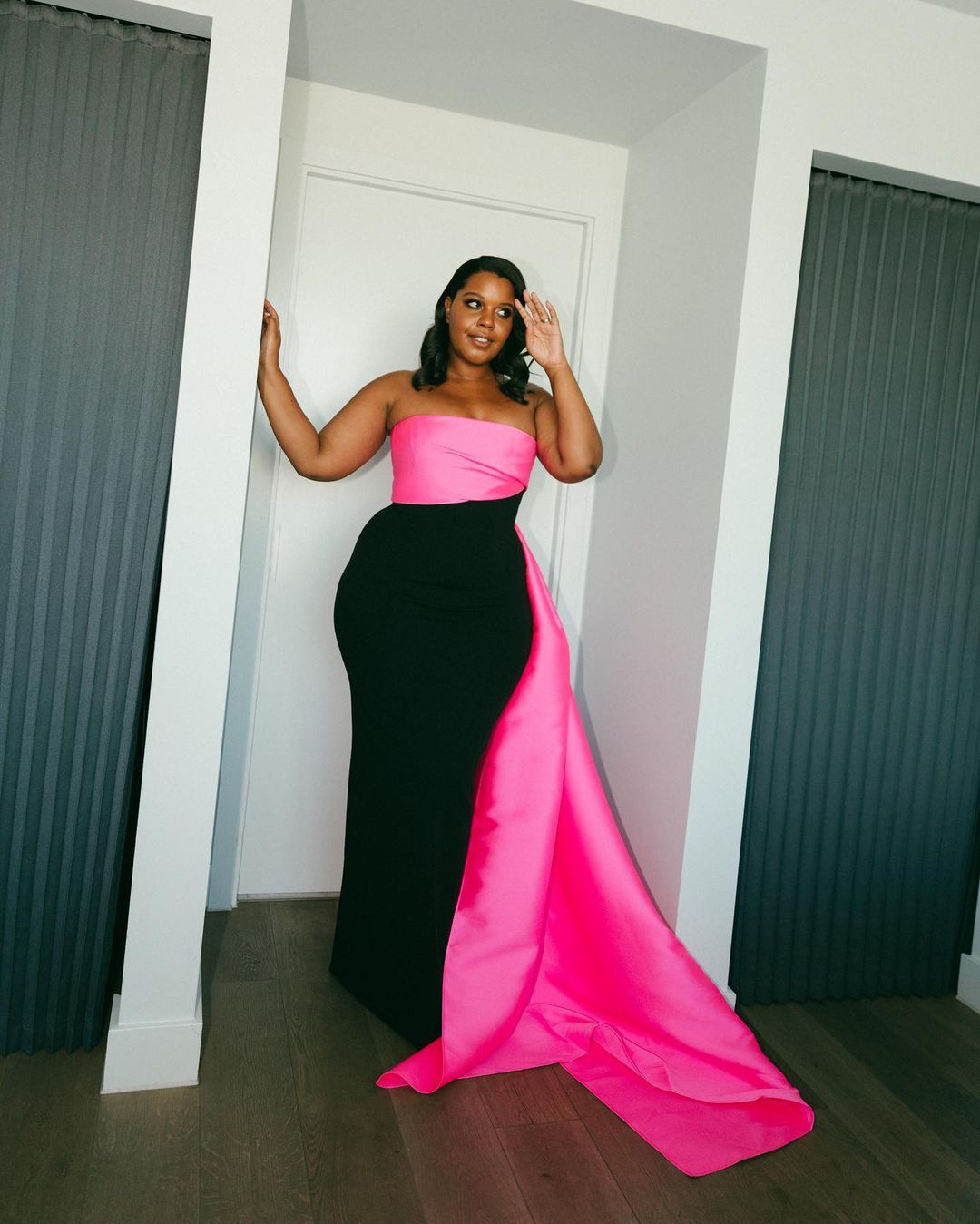
The silhouette of your chosen garment is paramount. While floor-length gowns are the standard, consider variations that flatter your figure and suit the occasion. A classic A-line silhouette offers timeless grace, while a sleek sheath dress projects modern elegance. Empire waists can elongate the figure, and trumpet or mermaid styles offer a dramatic flair. Experiment with different necklines – off-the-shoulder, V-neck, bateau, or halter – to find what best complements your personal features and the overall aesthetic you wish to project.
The choice of fabric is equally critical in conveying a sense of luxury and sophistication. Silk, with its lustrous sheen, is a perennial favorite. Velvet offers a rich, opulent texture, perfect for cooler seasons. Chiffon and georgette create a soft, ethereal drape, while crepe provides a more structured yet fluid finish. Consider how the fabric moves and drapes – does it flow elegantly or hold its shape in a flattering way? The texture and sheen of the fabric will significantly influence the overall impression of your attire.
The Impact of Color and Embellishment
While black is the quintessential color for black tie, it’s not the only option. Deep jewel tones like emerald green, sapphire blue, ruby red, and amethyst are equally sophisticated and striking. Metallics, such as gold, silver, and bronze, can add a touch of glamour, particularly for evening events. Beyond these classic choices, consider richer, more muted tones like burgundy, deep navy, or even a sophisticated charcoal grey. White and ivory gowns are also acceptable, though they can sometimes feel more bridal, so ensure the style is distinctly formal and appropriate for a non-wedding event.
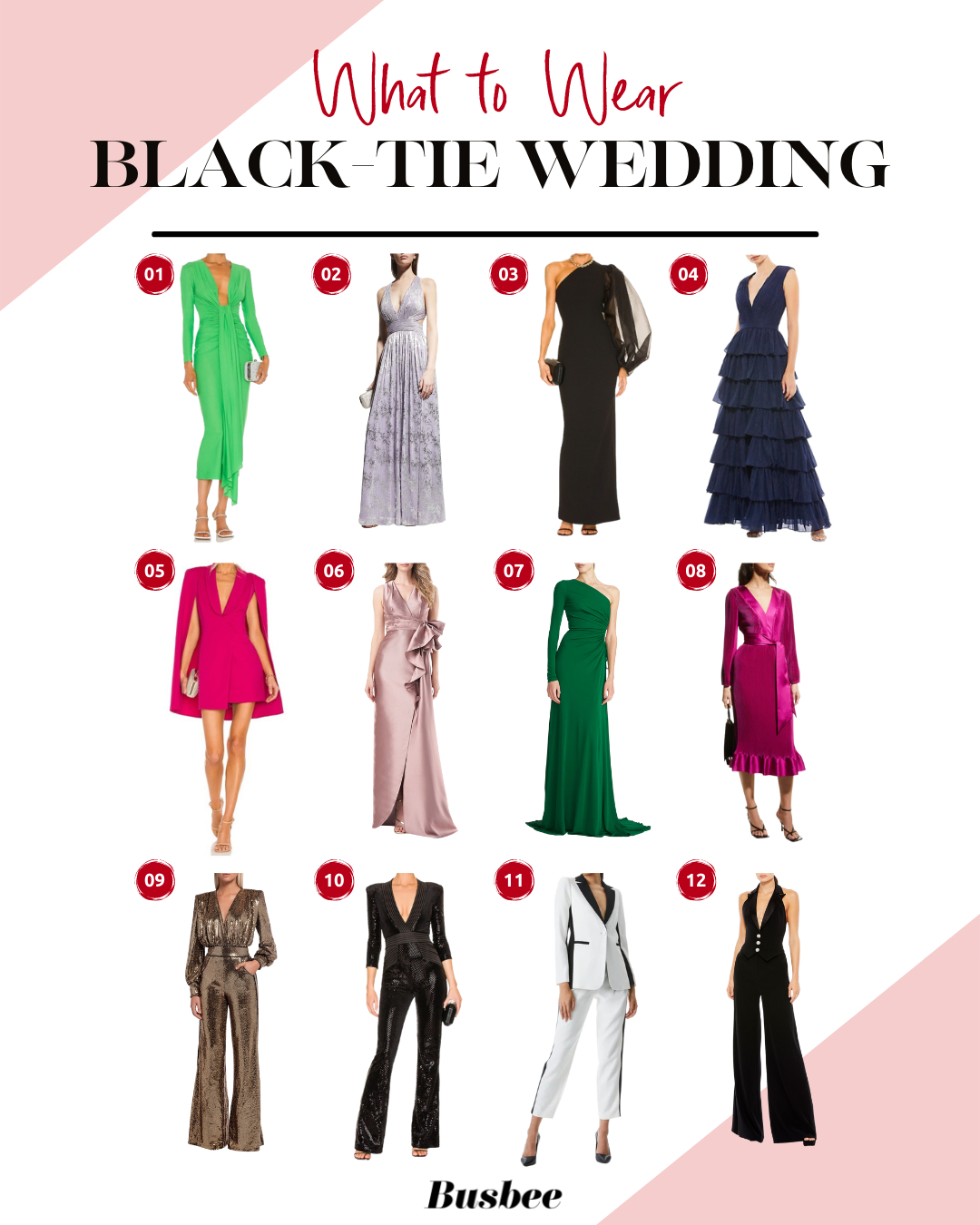
Embellishments can elevate a simple silhouette into a show-stopping piece. Subtle beading, delicate lace appliqués, or strategically placed sequins can add dimension and sparkle. However, moderation is key. Overly gaudy or distracting embellishments can detract from the overall elegance. The goal is to enhance, not overwhelm. Consider how the embellishments catch the light and add to the garment’s overall impact.
The Art of Accessorizing: Completing the Look
Accessories are the finishing touches that can truly define your black tie ensemble and reinforce your personal brand. They are not mere afterthoughts but integral components that tie the entire look together.
Jewelry: The Sparkling Accents
Jewelry is a vital element of black tie dressing. For a classic black tie event, fine jewelry is generally preferred. Think elegant diamond studs or drop earrings, a delicate necklace, or a sophisticated bracelet. If you’re wearing a strapless or off-the-shoulder gown, a statement necklace can be a focal point. Conversely, if the dress has a high neckline or intricate detailing around the décolletage, simpler earrings and a bracelet might be more appropriate. Consider the metal tones – gold, silver, or rose gold – and ensure they complement your dress and skin tone. For a more modern interpretation, curated costume jewelry can also work, provided it is high-quality and possesses an artistic or architectural appeal.
Footwear: The Elegant Foundation
The choice of shoes should complement the formality of the gown and the event. Elegant heels are the standard for black tie. Strappy sandals, classic pumps, or sophisticated peep-toes in satin, silk, or metallic finishes are excellent choices. Ensure your shoes are comfortable enough to stand and mingle in for extended periods. If your gown is floor-length, the shoes will be less visible, but they still contribute to the overall polished impression. For shorter dresses, ensure the footwear is equally refined and proportionate to the hemline.
Handbags: The Petite Necessity
A small, elegant clutch or minaudière is the ideal handbag for a black tie event. These small, often embellished bags are designed to carry only the essentials and add a sophisticated finishing touch. Opt for materials that match or complement your dress and shoes, such as satin, velvet, or metallics. Avoid large shoulder bags or casual totes, as they detract from the formality.
Beyond the Dress: Grooming and Presentation
While attire is paramount, true mastery of black tie presentation extends to meticulous grooming and an understanding of overall presentation. These elements are crucial for projecting a polished and confident image, reinforcing your personal brand.
Hair and Makeup: The Polished Finish
Your hairstyle and makeup should be refined and elegant, complementing your outfit without overpowering it. For hair, consider classic updos, elegant chignons, sophisticated waves, or a sleek blowout. The goal is a polished and intentional look. Similarly, makeup should be applied with precision, focusing on enhancing your features. A classic red lip can be a powerful statement with a black dress, while softer, more natural makeup can suit a variety of gown colors and styles. Pay attention to your skin, ensuring it looks radiant and well-cared for.
Etiquette and Demeanor: The Embodiment of Sophistication
Beyond the physical presentation, your demeanor and adherence to event etiquette play a significant role in how you are perceived. Black tie events often signify a certain level of social protocol. Being mindful of your posture, engaging in polite conversation, and demonstrating an awareness of social graces all contribute to an impression of confidence and sophistication. Your ability to navigate these social dynamics with ease further strengthens your personal brand as someone who is not only well-dressed but also socially astute and self-assured.
By thoughtfully considering each element – from the fundamental dress code to the subtlest accessory and your overall presentation – you can confidently navigate any black tie event, ensuring your attire not only meets expectations but also actively contributes to the powerful and sophisticated personal brand you wish to project.
aViewFromTheCave is a participant in the Amazon Services LLC Associates Program, an affiliate advertising program designed to provide a means for sites to earn advertising fees by advertising and linking to Amazon.com. Amazon, the Amazon logo, AmazonSupply, and the AmazonSupply logo are trademarks of Amazon.com, Inc. or its affiliates. As an Amazon Associate we earn affiliate commissions from qualifying purchases.