
Skiing, an exhilarating winter sport, demands more than just athletic prowess; it requires a sophisticated understanding of apparel technology to ensure comfort, safety, and peak performance on the slopes. For women, contemporary ski wear seamlessly integrates advanced material science with ergonomic design, moving far beyond mere fashion to offer technical solutions for diverse alpine conditions. The evolution of ski apparel reflects significant breakthroughs in textile engineering, insulation, and waterproofing, all meticulously crafted to optimize the skier’s experience.
The Foundational Science of Layering: Optimizing Thermal Regulation
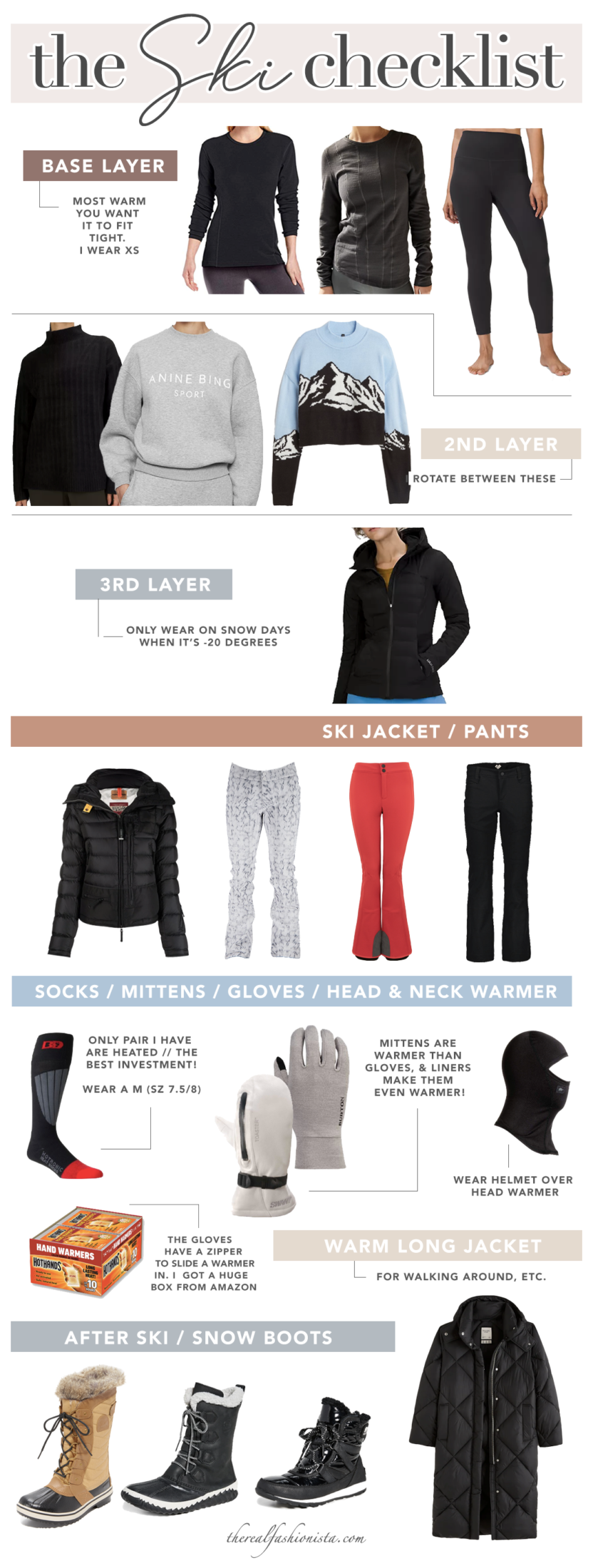
The cornerstone of effective ski apparel is the layering system, a principle rooted in thermodynamic efficiency. This system, particularly refined for women’s specific physiological needs, involves three distinct layers—base, mid, and outer—each serving a critical function in moisture management, insulation, and environmental protection. Modern layering is less about bulk and more about smart textiles that perform specific roles, allowing for adaptability to varying activity levels and external temperatures.

Base Layers: Moisture Management Innovations
The first line of defense against the elements is the base layer, worn directly against the skin. Its primary technological role is moisture wicking, drawing perspiration away from the body to prevent cooling through evaporative heat loss. Traditional cotton, which absorbs moisture and holds it, is eschewed in favor of synthetic polymers or merino wool.
High-performance synthetic base layers, often composed of polyester or polypropylene blends, feature intricate fiber structures designed to maximize surface area and capillary action. Microfibers and channel-knit constructions accelerate moisture transfer, ensuring rapid drying and consistent thermal comfort. Advanced treatments might include anti-microbial finishes to mitigate odor buildup during extended use.
Merino wool, a natural fiber, offers an alternative with unique technological advantages. Its fine fibers possess a natural crimp that creates small air pockets, providing insulation. Crucially, merino wool can absorb a significant amount of moisture (up to 30% of its weight) without feeling wet, while also releasing heat when it gets damp, a phenomenon known as “heat of sorption.” This makes it highly effective across a range of conditions, offering both warmth and breathability. Furthermore, merino’s natural protein structure inherently resists odor-causing bacteria. For women, base layers are often body-mapped, with varied fabric densities or weave patterns to provide targeted warmth or ventilation in areas specific to female anatomy and common areas of heat generation.
Mid Layers: Advanced Insulation Technologies
The mid-layer’s function is thermal insulation, trapping warm air close to the body. Modern mid-layers move away from bulky designs through the development of highly efficient insulation materials, whether natural or synthetic.
Fleece, typically made from polyester, remains a popular choice due to its excellent warmth-to-weight ratio and quick-drying properties. Technological advancements in fleece include grid-back constructions, where channels of air are trapped in a textured pattern, improving breathability without sacrificing warmth. Polartec, a leading innovator, produces various fleece technologies, from lightweight power grid fleeces for high-exertion activities to heavier thermal pro variants for extreme cold.
Synthetic insulations, such as PrimaLoft, Thinsulate, and various proprietary fills, are engineered to mimic the structure of down while offering superior performance in wet conditions. These insulations use ultra-fine synthetic fibers that create millions of air pockets to trap body heat. Unlike down, which loses its insulating properties when wet, synthetic insulations retain a significant portion of their warmth even if damp, making them highly reliable in unpredictable alpine environments. These materials are also increasingly made from recycled content, showcasing a trend towards sustainable tech in apparel.
Down insulation, derived from goose or duck plumage, offers the highest warmth-to-weight ratio when dry. Its performance is measured by “fill power,” indicating the loft or fluffiness of the down. Higher fill power means more air-trapping capability for a given weight. To address down’s vulnerability to moisture, some manufacturers employ hydrophobic down treatments that chemically alter the down plumes to resist water absorption, maintaining loft and warmth even in humid or lightly wet conditions.
Outerwear Evolution: Impermeability Meets Breathability
The outer layer, or shell, is the ultimate protective barrier, designed to shield the skier from wind, snow, and rain while simultaneously allowing internal moisture vapor to escape. This seemingly contradictory demand has driven intensive research into advanced membrane technologies and fabric constructions.
Waterproofing Membranes: Gore-Tex and Beyond

The hallmark of high-performance ski outerwear is its ability to be both waterproof and breathable. This is primarily achieved through specialized membranes. Gore-Tex, a pioneering and widely recognized technology, utilizes an expanded polytetrafluoroethylene (ePTFE) membrane with billions of microscopic pores. These pores are too small for liquid water droplets to pass through but large enough for water vapor molecules (perspiration) to escape, creating a truly waterproof and breathable barrier.
Beyond Gore-Tex, other proprietary membranes like DryVent (The North Face), Omni-Tech (Columbia), and Pertex Shield offer similar functionality with varying degrees of performance and price points. Each membrane system represents a unique blend of polymer science and textile engineering, often incorporating multiple layers or coatings to enhance durability, hand feel, and specific performance characteristics. The challenge lies in balancing extreme waterproofing with high breathability, a factor critical for women who often experience different thermoregulatory responses during high-intensity activities. Advances include “active” membranes that dynamically adjust breathability based on temperature and humidity.
Strategic Ventilation Systems
Even the most breathable membranes can be overwhelmed during periods of intense exertion. To combat this, modern ski jackets and pants incorporate strategically placed ventilation systems. These typically involve zippered vents in areas like the armpits (“pit zips”) and inner thighs. These vents allow for rapid dumping of excess heat and moisture, bypassing the membrane system when maximum airflow is needed. The design of these vents, including mesh linings and storm flaps, ensures that snow is kept out while air circulation is optimized, preventing overheating without compromising overall protection. For women, these vents are often tailored to specific body zones that tend to accumulate more heat.
Integrated Technology and Ergonomic Design for Enhanced Performance
Modern ski apparel goes beyond mere fabric and membrane technology, integrating smart design principles and ergonomic considerations to enhance the overall skiing experience. This includes body-mapped designs, articulated construction, and intelligent pocket placements.
Smart Fabric Applications and Body Mapping
Body mapping is a design technique where different fabrics or insulation levels are strategically placed across a garment to match the body’s natural thermal zones. For women, this often means enhanced insulation in core areas prone to cold, such as the torso, and lighter, more breathable fabrics in areas prone to overheating, like the underarms and upper back. This targeted approach optimizes thermal regulation, reduces bulk, and improves freedom of movement. Some advanced garments even integrate reflective thermal lining technologies, like Omni-Heat Reflective (Columbia), which use metallic dot patterns to reflect body heat back to the wearer, providing warmth without adding significant weight or bulk.
Ergonomics and Articulation for Mobility
Skiing involves dynamic, repetitive movements. High-performance ski wear incorporates articulated designs, particularly in areas like the elbows, knees, and shoulders. Pre-curved sleeves and knees, gusseted underarms, and stretch panels are common features. These design elements ensure that the garment moves with the body, preventing fabric bunching, restricting movement, or exposing skin to the elements. The fit is crucial: while snug enough to layer effectively, it must allow for a full range of motion required for turns, jumps, and falls. Women’s specific tailoring addresses differences in shoulder width, hip-to-waist ratios, and torso length, ensuring a fit that optimizes both performance and comfort.
Accessory Tech: Smart Solutions for Head, Hands, and Feet
The technological innovation extends to crucial accessories, which are often overlooked but critical for warmth and protection.
Helmet and Goggle Integration
Helmets are no longer just protective shells; they are engineered with advanced impact-absorbing materials, sophisticated ventilation systems, and increasingly, integrated audio and communication capabilities. MIPS (Multi-directional Impact Protection System) technology, for instance, adds a low-friction layer inside the helmet designed to reduce rotational forces to the brain during angled impacts. Goggles feature advanced lens technologies, including photochromatic lenses that adjust tint based on light conditions, polarized lenses to reduce glare, and anti-fog coatings to maintain clear vision. Seamless integration between helmets and goggles minimizes gaps and optimizes airflow, crucial for comfort and performance.
Glove and Sock Innovations
Gloves and mittens employ similar waterproofing and insulation technologies as jackets, often featuring Gore-Tex inserts and synthetic insulation. Key advancements include touchscreen-compatible fingertips, reinforced palms for durability and grip, and anatomical shaping for a comfortable fit. Ski socks, often made from merino wool blends or advanced synthetics, are engineered with targeted cushioning in high-pressure areas and strategic ventilation zones to prevent blisters and manage moisture, ensuring feet remain warm and dry throughout the day. The right sock technology can dramatically impact overall comfort and performance, often featuring compression zones to enhance circulation.
aViewFromTheCave is a participant in the Amazon Services LLC Associates Program, an affiliate advertising program designed to provide a means for sites to earn advertising fees by advertising and linking to Amazon.com. Amazon, the Amazon logo, AmazonSupply, and the AmazonSupply logo are trademarks of Amazon.com, Inc. or its affiliates. As an Amazon Associate we earn affiliate commissions from qualifying purchases.