
Attending a baptism is a significant occasion, steeped in spiritual meaning and often accompanied by family traditions. While the primary focus remains on the ceremony itself, your attire plays a crucial, albeit silent, role in shaping your personal brand and the impression you leave. Far more than just selecting clothes, choosing what to wear on a baptism is a strategic decision in self-presentation, reflecting respect for the event, its hosts, and the sacred nature of the sacrament.
The Silent Language of Attire: Why Your Choices Matter
Every aspect of your appearance contributes to your personal brand, communicating volumes about who you are, how you perceive yourself, and how you interact with the world around you. In professional settings, this is often overt, but in social contexts, the non-verbal cues of clothing, grooming, and demeanor are equally powerful. For an event like a baptism, your attire telegraphs a specific message: one of reverence, decorum, and thoughtful engagement.
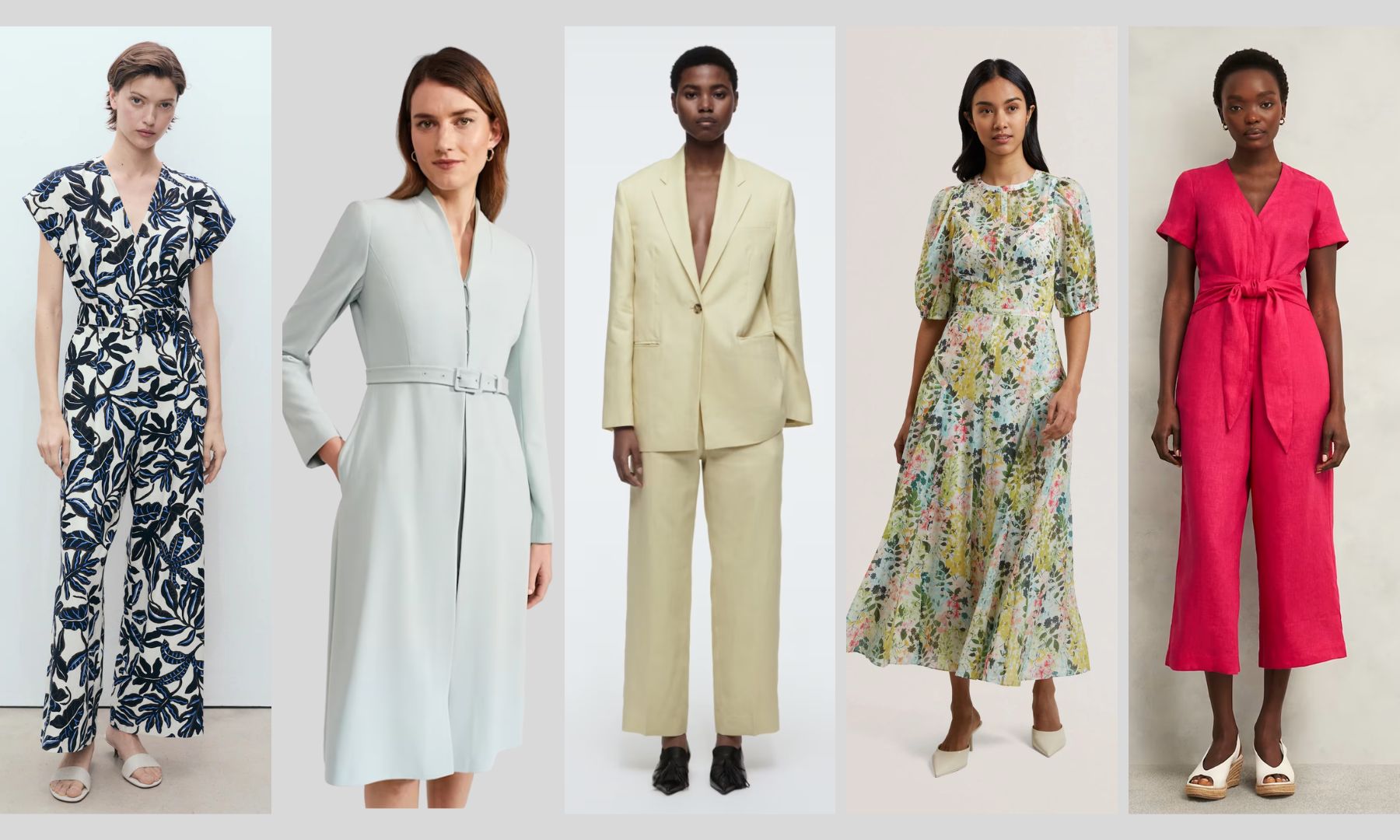
Your choice of clothing for a baptism isn’t merely about following a dress code; it’s about aligning your external presentation with the values and solemnity of the occasion. Inappropriateness, whether through overly casual or excessively flashy attire, can inadvertently detract from the reverence of the event and create a discordant note in your personal brand narrative. Conversely, dressing thoughtfully reinforces your image as someone respectful, considerate, and attuned to social nuances—qualities that build a strong, positive personal brand in any sphere. This intentionality demonstrates emotional intelligence and a sophisticated understanding of context, elevating your presence beyond mere attendance.
Deciphering Dress Codes: Navigating Nuances for a Baptism
While baptisms typically call for respectful, semi-formal attire, understanding the subtle variations can help you perfectly calibrate your personal brand message. There isn’t a universal “baptism outfit,” but rather a spectrum of appropriate choices that hinge on location, culture, and the family’s specific traditions.
Formal vs. Semi-Formal Interpretations
Most baptisms lean towards a semi-formal aesthetic. For men, this generally translates to a suit (darker colors like navy, charcoal, or even a sophisticated medium grey are excellent choices) with a dress shirt, tie, and polished dress shoes. A sport coat or blazer paired with tailored trousers and a dress shirt can also be appropriate, depending on the venue’s specific formality. For women, a modest dress, a skirt suit, a pant suit, or tailored separates (such as a blouse with a midi skirt or elegant trousers) are ideal. The key is sophistication without overt flamboyance.
In rare instances, a baptism might call for more formal attire, perhaps if it’s held in a very grand cathedral or is part of a larger, more elaborate ceremony. In such cases, men might opt for a three-piece suit or a darker, more conservative suit, ensuring impeccable tailoring. Women might choose a more structured dress or a formal skirt suit, potentially with more refined fabrics or subtle embellishments.
Cultural and Regional Considerations
Personal branding also demands cultural sensitivity. Different denominations and cultures may have distinct expectations for baptism attire. For example, some Orthodox Christian baptisms may have more stringent modesty requirements, particularly for women, suggesting longer sleeves, higher necklines, and longer hemlines. White or light colors are often favored in some traditions to symbolize purity. Researching the specific customs of the officiating church or inquiring discreetly with the hosting family can provide invaluable insights, ensuring your attire communicates respect for their heritage and beliefs. Ignoring these nuances risks presenting a personal brand that appears insensitive or uninformed.
Color Psychology and Fabric Choices
Colors play a significant role in communication. For a baptism, subdued and respectful hues are generally preferred.
- For Men: Navy, charcoal, medium grey, and sophisticated browns convey professionalism and respect. Lighter suits in shades of tan or light grey can be appropriate for spring/summer events, but always paired with a crisp dress shirt and tie.
- For Women: Pastels, muted tones, and classic neutrals like navy, taupe, grey, and soft blues are excellent choices. White is often associated with the child being baptized but can be worn by guests, provided it doesn’t appear bridal or overshadow the focus. Avoid overly bright, neon, or distracting patterns that can draw undue attention.

Fabric choices also contribute to the overall impression. Opt for structured, quality fabrics like wool, linen blends (for warmer climates), silk blends, or high-quality synthetics that drape well and resist wrinkling. Avoid overly casual fabrics like denim, jersey, or overly sheer materials. The texture and finish of your garments subtly contribute to the perception of quality and attention to detail in your personal brand.
Essential Elements of a Polished Look: Building Your Baptism Brand
Beyond the main garments, the smaller details of your ensemble are critical in reinforcing a refined personal brand. These elements speak volumes about your diligence and commitment to presenting a cohesive image.
Fit and Tailoring: The Foundation of Sophistication
Perhaps the single most impactful element of a polished personal brand is the fit of your clothing. An ill-fitting garment, no matter how expensive, instantly detracts from your credibility and sophistication. Clothes should follow the lines of your body without being too tight or too loose.
- For Men: Sleeves should hit just at the wrist, allowing a quarter-inch of shirt cuff to show. Trousers should break once over the shoe. Jackets should button comfortably without pulling.
- For Women: Dresses and skirts should skim the body, not cling. Shoulders should fit perfectly. Hemlines should be appropriate for the occasion—typically knee-length or longer.
Investing in tailoring is not an expense; it’s an investment in your personal brand. A well-tailored garment exudes confidence, professionalism, and an acute attention to detail, signalling that you value presentation and take pride in your appearance.
Accessories: Subtle Enhancers of Your Image
Accessories are opportunities to punctuate your personal brand without overpowering the main message of respect and solemnity.
- Jewelry: Keep it understated and elegant. A simple watch, subtle earrings, a delicate necklace, or a classic bracelet for women. For men, cufflinks or a tie bar should be tasteful and not overly flashy. Avoid anything large, noisy, or excessively sparkly.
- Footwear: Polished and appropriate shoes are non-negotiable. For men, leather oxfords or loafers in a dark color that complements the suit. For women, closed-toe heels (moderate height), elegant flats, or dressy ankle boots. Ensure shoes are clean, scuff-free, and in good repair.
- Bags/Clutches: Women should opt for a sophisticated clutch or a small, structured handbag that complements their outfit. Avoid large, casual totes or backpacks.
Hair, Makeup, and Grooming: Completing the Picture
Your overall grooming is the final touchstone of a polished personal brand.
- Hair: Should be neat, clean, and styled in a way that is not distracting. For women, an updo, soft waves, or a sleek straight style are appropriate. For men, a clean cut and well-maintained facial hair (if applicable) are essential.
- Makeup: For women, makeup should be natural and polished, enhancing features rather than making a bold statement. Avoid heavy contouring, glitter, or overly dramatic eye makeup.
- Fragrance: A light, subtle fragrance is acceptable, but avoid anything overpowering or heavy. The goal is to be pleasantly present, not to leave a lingering olfactory footprint.
These elements collectively create a cohesive and refined personal brand, demonstrating meticulousness and respect for the importance of the event.

The Lasting Impression: How Attire Reinforces Your Personal Brand
Ultimately, the goal of strategic personal branding at a baptism is to leave an impression that resonates with the values of the occasion itself. Your attire, when chosen thoughtfully and executed impeccably, transcends mere clothing; it becomes an extension of your character and a testament to your understanding of social graces.
By dressing appropriately, you communicate several key aspects of your personal brand:
- Respect: You acknowledge the spiritual significance of the sacrament and the efforts of the hosting family. This respect fosters goodwill and strengthens relationships.
- Professionalism (in a social context): You demonstrate an ability to navigate formal social settings with ease and confidence, a valuable trait in any personal or professional interaction.
- Attention to Detail: Your polished appearance signals meticulousness, a quality often associated with reliability and thoroughness.
- Consideration: You show that you are mindful of others, avoiding anything that might distract or cause discomfort.
- Authenticity (of intent): By aligning your external presentation with the solemnity of the event, you convey genuine participation and support.
Every interaction, even at a social gathering, contributes to the ongoing narrative of your personal brand. By approaching “what to wear on a baptism” not as a chore but as a deliberate act of self-presentation, you fortify an image of grace, respect, and quiet confidence that will undoubtedly leave a positive and lasting impression. This strategic approach ensures that your personal brand consistently reflects the values you wish to embody, even in the most sacred of settings.
aViewFromTheCave is a participant in the Amazon Services LLC Associates Program, an affiliate advertising program designed to provide a means for sites to earn advertising fees by advertising and linking to Amazon.com. Amazon, the Amazon logo, AmazonSupply, and the AmazonSupply logo are trademarks of Amazon.com, Inc. or its affiliates. As an Amazon Associate we earn affiliate commissions from qualifying purchases.