
In an increasingly data-rich world, the age-old question of “what to wear for weather today” has transformed from a simple glance out the window into an intricate dance with technology. Modern advancements in weather forecasting, personal sensing, and data analytics have provided an unprecedented level of precision and personalization, revolutionizing how we select our daily attire. This isn’t merely about checking a temperature; it’s about leveraging sophisticated digital tools to optimize comfort, performance, and even style, adapting seamlessly to the day’s atmospheric conditions.
The Digital Weather Assistant: Your Smart Wardrobe Navigator
Gone are the days of relying solely on a morning news broadcast or a simple thermometer. Today’s digital weather assistants, primarily in the form of smartphone applications and smart home devices, aggregate vast amounts of meteorological data to provide hyper-localized and real-time insights. These tools are far more than just temperature gauges; they offer a comprehensive breakdown of conditions that directly influence clothing choices.
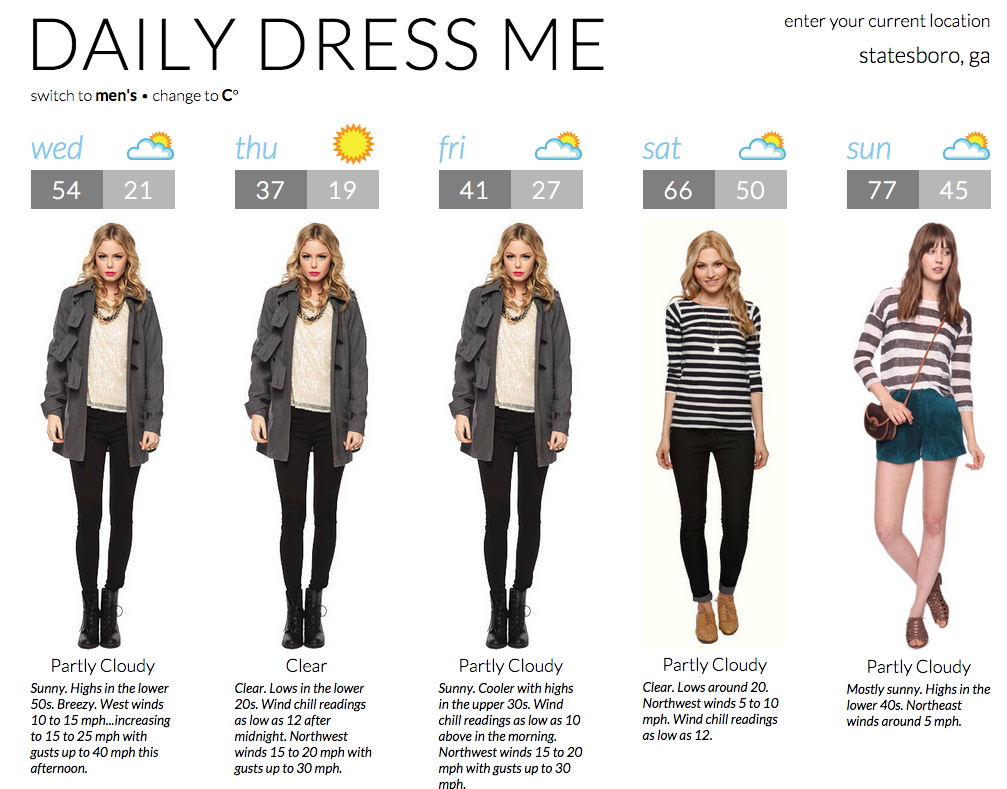
Beyond Basic Forecasts: Granular Data for Informed Decisions
Modern weather applications leverage a myriad of data points to offer a nuanced understanding of “weather today.”
- Hyper-local Precipitation Tracking: Radar imagery provides minute-by-minute updates on rain, snow, or hail, often predicting exact start and stop times for specific locations. This allows users to decide if a waterproof jacket is necessary for their commute or if an umbrella is sufficient for a midday errand.
- Wind Chill and Heat Index Calculations: These critical metrics provide a “feels like” temperature, which is often more relevant for comfort than the ambient air temperature alone. A 50-degree day with strong winds can feel significantly colder, warranting heavier layers, while a humid 80-degree day can feel stifling, indicating a need for breathable fabrics.
- UV Index Reporting: Essential for health and skin protection, the UV index helps users determine the necessity of sun-protective clothing, hats, and sunglasses, even on cloudy days when UV radiation can still be high.
- Pollen and Air Quality Indexes: For individuals with allergies or respiratory sensitivities, knowing the pollen count or air quality index is crucial. This information might influence the choice of a long-sleeved shirt to minimize skin exposure to irritants or prompt a decision to stay indoors or wear a mask.
- Humidity Levels: High humidity can make warm temperatures feel oppressive and hinder the evaporative cooling process. Low humidity can lead to dry skin and static. Understanding humidity helps in selecting moisture-wicking or hydrating fabrics.
The integration of these granular data points empowers users to move beyond generic advice, making highly specific and effective wardrobe decisions. Many apps even offer push notifications for significant weather changes, ensuring users are always prepared.
Advanced Gadgets and Smart Home Integration
The evolution of personal weather monitoring extends beyond smartphones, integrating into our daily environments through smart home devices and specialized gadgets. These technologies provide an always-on, ambient awareness of current and forecasted conditions.
Smart Displays and Voice Assistants
Devices like smart displays and voice-activated assistants (e.g., Google Nest Hub, Amazon Echo Show) have become central hubs for real-time weather information. A quick glance at a kitchen display can show today’s high and low temperatures, precipitation chances, and current conditions, often alongside a visual recommendation for attire. Voice commands can instantly retrieve detailed forecasts, allowing for hands-free planning while preparing for the day. This seamless integration into the home environment makes weather information omnipresent and easily accessible, influencing clothing choices even before reaching for a phone.
Personal Weather Stations and Wearable Sensors
For enthusiasts or those requiring hyper-local data, personal weather stations offer precise readings from their own backyard. These stations can track temperature, humidity, wind speed, wind direction, rainfall, and even barometric pressure. The data, often accessible via dedicated apps, can be invaluable for understanding microclimates around one’s home or workplace, informing highly localized clothing decisions.

While less common for direct clothing recommendations, wearable sensors and smartwatches contribute by monitoring body temperature, heart rate, and activity levels. This data, when combined with ambient weather information, can help individuals understand their personal thermal comfort zone and adjust clothing layers dynamically throughout the day, especially during exercise or outdoor activities.
The Future Wardrobe: Smart Fabrics and AI-Powered Recommendations
The intersection of textiles and technology is rapidly advancing, promising a future where clothing itself adapts to the weather, or where AI provides highly personalized attire suggestions.
Adaptive Smart Fabrics
Research and development in smart fabrics are paving the way for clothing that can dynamically adjust its properties based on external conditions or the wearer’s body temperature.
- Phase-Change Materials (PCMs): These materials can absorb, store, and release heat as temperatures fluctuate, helping to regulate body temperature. A jacket incorporating PCMs might feel warm in cool conditions and cool in warm conditions.
- Thermoelectric Fabrics: Utilizing thermoelectric principles, these fabrics can actively cool or warm the wearer by converting temperature differences into electricity or vice versa. Imagine a shirt that automatically cools you down during a heatwave.
- Self-Cleaning and Water-Repellent Textiles: Nanotechnology is creating fabrics that repel water and resist stains, making them ideal for unpredictable weather and reducing the need for frequent washing.
- Integrated Sensors: Future clothing could embed sensors that communicate with apps to recommend optimal layering, warn of UV exposure, or even monitor physiological responses to environmental conditions.
While widespread consumer adoption is still evolving, these technologies represent the ultimate fusion of “what to wear” with “how the weather is,” creating truly responsive attire.
AI and Machine Learning for Hyper-Personalized Style
Beyond just recommending layers, AI and machine learning are poised to revolutionize how we choose outfits based on weather, personal preferences, and even social contexts.
- Contextual Outfit Suggestions: AI algorithms can learn a user’s style, wardrobe inventory, and daily schedule (e.g., commute, office work, gym, evening event) from calendar data and past choices. Combining this with granular weather data, AI could recommend not just what type of clothing but specific items from a user’s closet that are appropriate, comfortable, and stylish.
- Predictive Comfort Models: By analyzing historical data of how a user reacted to specific weather conditions while wearing certain outfits, AI can build a predictive model for personal comfort. This means an AI could suggest a specific sweater on a 55-degree day because it knows, based on past data, that the user finds that particular sweater most comfortable at that temperature with a certain wind chill.
- Voice-Activated Style Advisors: Imagine asking your smart assistant, “What should I wear for my presentation today, considering it’s raining and 60 degrees?” and receiving a tailored outfit recommendation based on your professional wardrobe and personal style profile.
The integration of these intelligent systems will transform the morning routine, offering a seamless and highly personalized dressing experience that goes far beyond simple weather data.

Digital Security and Privacy in Weather-Driven Tech
As we increasingly rely on technology to inform our daily choices, including what to wear, it becomes imperative to address the digital security and privacy implications of these systems. Weather apps and smart devices often collect location data, usage patterns, and sometimes even personal preferences.
Users should be diligent in reviewing the privacy policies of weather applications and smart home devices. Opting for apps that offer transparent data handling practices, strong encryption, and clear controls over location sharing is crucial. Disabling unnecessary permissions and understanding how aggregated, anonymized data might be used for improving services is also important. As AI-powered wardrobe assistants become more sophisticated, they will access more personal data, making robust data protection measures and user consent paramount.
The seemingly simple act of deciding “what to wear for weather today” has become a sophisticated dance between personal needs and advanced technology. From hyper-local forecasts delivered to our smartphones to adaptive fabrics and AI-driven style advisors, technology is continually refining our ability to navigate the elements with comfort, confidence, and precision. Embracing these digital tools not only optimizes our daily attire but also offers a glimpse into a future where our clothing seamlessly integrates with our environment.
aViewFromTheCave is a participant in the Amazon Services LLC Associates Program, an affiliate advertising program designed to provide a means for sites to earn advertising fees by advertising and linking to Amazon.com. Amazon, the Amazon logo, AmazonSupply, and the AmazonSupply logo are trademarks of Amazon.com, Inc. or its affiliates. As an Amazon Associate we earn affiliate commissions from qualifying purchases.