
Crafting a compelling personal brand in today’s digital-first professional landscape hinges significantly on visual representation. A professional headshot is far more than just a picture; it’s a critical marketing asset, a digital handshake, and often the very first impression you make on potential clients, employers, partners, or investors. For men, understanding the nuances of attire for a headshot is not merely about looking good, but about strategically conveying your professional identity, industry relevance, and personal brand values. This isn’t just fashion advice; it’s an integral component of your brand strategy, designed to ensure your visual identity aligns seamlessly with your career aspirations and the message you wish to broadcast.
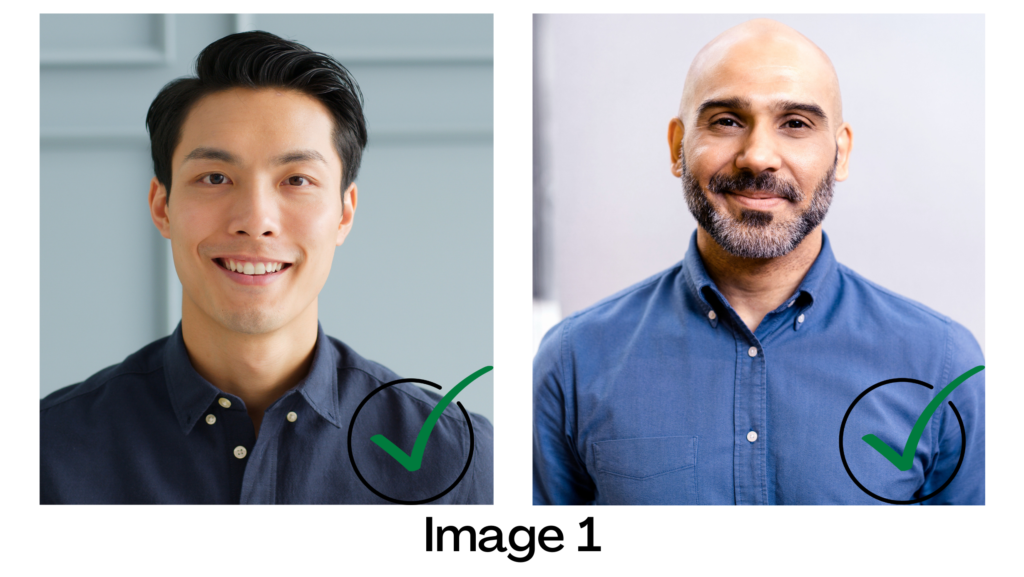
The Strategic Imperative of Attire in Personal Branding
Every element within your headshot, from your expression to your backdrop, contributes to the narrative of your personal brand. Foremost among these elements is your clothing, which acts as a powerful non-verbal communicator. The choices you make in your wardrobe directly influence perceptions of your professionalism, trustworthiness, approachability, and even your creativity. Neglecting the strategic role of attire is a missed opportunity to reinforce your brand’s core tenets before a single word is read.
First Impressions and Visual Storytelling
In a world saturated with digital profiles, your headshot often serves as the gateway to your professional narrative. Within milliseconds, viewers form initial judgments based on visual cues. Your attire tells a story: are you the authoritative executive, the innovative disruptor, the trustworthy advisor, or the approachable collaborator? The clothes you choose are pivotal in setting this initial tone. A well-chosen outfit communicates seriousness and attention to detail, signaling to your audience that you value professionalism and meticulously manage your image – qualities that translate directly to how you manage your work. Conversely, ill-fitting or inappropriate clothing can inadvertently undermine your credibility, creating a disconnect between your stated professional capabilities and your visual presentation. This visual storytelling is a cornerstone of effective personal branding, helping you to control the narrative from the outset.
Aligning with Your Professional Persona and Industry
The “right” outfit for a headshot is not universal; it’s highly contextual. It must resonate with your specific professional persona, the industry you operate within, and the corporate identity you represent (if applicable). An attorney, for instance, might opt for a classic dark suit to project gravitas and reliability, while a creative director in a tech startup might choose a smart blazer over a casual button-down to convey innovation tempered with professionalism.
Consider your target audience and the expectations within your field. Are you in a conservative industry like finance or law, where tradition and formality are paramount? Or are you in a more dynamic sector like technology, marketing, or design, where a touch of contemporary flair might be advantageous? Your attire should act as a bridge, connecting your individual brand to the broader industry landscape. When your headshot attire aligns with these expectations, it not only helps you fit in but also signals your understanding of the industry’s culture, making you more relatable and trustworthy to your peers and clients. This thoughtful alignment is a powerful demonstration of brand intelligence, ensuring your visual identity supports, rather than detracts from, your professional positioning.
Core Elements of a Winning Headshot Wardrobe
Building the ideal headshot wardrobe for men involves a strategic selection of pieces that project confidence, competence, and congruence with your brand. Each item serves a specific purpose in crafting your overall image.
Suits and Blazers: The Foundation of Authority
For many professional settings, a suit or a well-tailored blazer forms the bedrock of a powerful headshot. A classic two-piece suit in charcoal grey, navy blue, or black instantly conveys authority, professionalism, and a serious commitment to one’s craft. These colors are versatile, universally flattering, and project a sense of stability and reliability. When opting for a suit, ensure it is impeccably tailored; a perfect fit is paramount. A suit that is too baggy or too tight can distract from your face and inadvertently communicate a lack of attention to detail.
Blazers offer a slightly more versatile, yet still formal, alternative. A well-fitting sport coat or blazer, perhaps in a textured fabric like wool or tweed, can project a sophisticated and approachable professionalism, particularly for roles that require a balance of formality and dynamism. Pair a blazer with tailored trousers (though often not visible in a headshot, it’s good practice) or dark wash jeans for a business-casual interpretation. The key is that both suits and blazers should be clean, pressed, and free of wrinkles, presenting an image of meticulous care and readiness.
Shirts: Color, Fit, and Fabric Choices
Beneath the jacket, your shirt plays a crucial supporting role. A crisp, well-ironed dress shirt is almost always the best choice. White and light blue are classic, safe, and effective options. White conveys purity, clarity, and professionalism, while light blue is universally appealing and suggests trustworthiness and calm. Other solid, muted colors like light grey, pale lavender, or even a subtle pinstripe can also work, provided they complement your skin tone and don’t overwhelm the image.
The fit of the shirt is as important as its color. Ensure the collar fits comfortably around your neck, allowing two fingers to slip underneath, and that the sleeves are the correct length. Avoid shirts that are too loose, creating unflattering bulges, or too tight, which can look strained. Fabric choice also matters; opt for high-quality cotton that resists wrinkles and drapes well. Avoid overly shiny or sheer fabrics, as they can photograph poorly and appear less professional.
Ties and Accessories: Adding Polish and Personality
A tie, when appropriate for your brand and industry, can be the perfect finishing touch. It adds a vertical line that draws the eye upward towards your face and allows for a subtle expression of personality. Choose ties with conservative patterns (subtle stripes, small dots, or solid colors) in colors that complement your suit and shirt. Avoid overly bright, busy, or novelty ties, which can distract from your face and detract from your professional image. The knot should be neat and firm, preferably a Four-in-Hand or a Half-Windsor for most headshot purposes.

Other accessories should be minimal and understated. A classic watch (if visible) or simple cufflinks (if wearing French cuffs) can enhance a polished look without drawing excessive attention. Avoid anything overtly flashy or trendy that might quickly date your headshot or divert focus from your face and brand message. The goal is to enhance, not overshadow.
Casual Professional: When to Opt for Smart Casual
Not all professional headshots require a suit and tie. For certain industries or roles, a smart casual approach might be more authentic to your personal brand and resonate better with your target audience. This typically involves a well-fitting, high-quality button-down shirt (long-sleeved is usually preferred, even if rolled up for a specific aesthetic) worn without a tie, or a fine-gauge sweater over a collared shirt.
When choosing smart casual, quality and fit remain paramount. A polo shirt can be acceptable in some very specific, relaxed professional environments, but generally, a collared button-down offers a more refined and versatile professional look. Colors can be slightly more varied than with formal wear, but still lean towards solid, muted tones or subtle patterns. The key here is “smart”; even if casual, the clothing should be clean, pressed, and present a thoughtful, intentional image rather than a haphazard one. This style works particularly well for professionals in creative fields, technology, or roles emphasizing approachability and innovation over strict formality.
Fabric, Fit, and Flattery: Key Considerations
Beyond the specific garments, the foundational principles of fabric quality, impeccable fit, and flattering choices are critical for ensuring your headshot effectively represents your brand. These elements combine to create a polished and credible image.
The Importance of a Tailored Fit
This cannot be overstressed: fit is king. An expensive suit that fits poorly will look worse than a moderately priced one that has been expertly tailored. Clothing that is too loose can make you appear disheveled, larger than you are, and lacking attention to detail. Conversely, clothing that is too tight can look uncomfortable, unprofessional, and restrictive. For a headshot, even subtle fit issues are magnified.
Ensure:
- Shoulders: The seam should sit precisely at the edge of your natural shoulder.
- Sleeves: Shirt cuffs should extend about half an inch beyond the jacket cuff. Jacket sleeves should end at the wrist bone.
- Collar: Your shirt collar should sit smoothly under the jacket collar, without gapping or bunching.
- Body: Both shirt and jacket should skim your torso comfortably, allowing for movement without excess fabric or tightness.
Investing in tailoring for key pieces will dramatically elevate your professional image and ensure your headshot conveys a meticulous attention to detail, a hallmark of strong personal branding.
Texture and Pattern: Subtlety is Key
While solid colors are often the safest bet, subtle textures and patterns can add depth and interest without distracting from your face. For suits and blazers, consider fine weaves like bird’s eye, sharkskin, or a very subtle herringbone. These textures add a tactile quality that photographs well, creating visual richness without being overtly busy.
For shirts, micro-patterns like small checks, gingham, or very fine stripes can work, provided they are not too bold or high-contrast. The danger with prominent patterns is that they can create a moiré effect on camera (an optical illusion of wavy interference), or simply draw too much attention away from your face, which should be the focal point of your headshot. When in doubt, lean towards solid colors or patterns that are barely discernible from a distance. The goal is sophistication, not distraction.
Color Psychology and Its Application
The colors you choose for your headshot also play a psychological role in how your brand is perceived.
- Navy Blue: Often associated with trust, authority, stability, and intelligence. It’s a highly versatile and professional choice.
- Charcoal Grey: Conveys sophistication, professionalism, and seriousness without being as stark as black. It’s often seen as approachable and balanced.
- White: Symbolizes purity, clarity, simplicity, and professionalism. A crisp white shirt is a timeless choice.
- Light Blue: Evokes calm, trustworthiness, and approachability. It’s universally flattering and projects a friendly professionalism.
- Earth Tones (e.g., olive, rich brown): Can convey approachability, warmth, and groundedness, particularly suitable for certain industries or personal brands focused on connection and nature.
Avoid overly bright or neon colors, which can be distracting and may not translate well on camera. Generally, stick to classic, muted, or jewel tones that enhance your natural features and align with the professional gravitas you wish to project. Understanding color psychology allows you to make intentional choices that subtly reinforce your brand message, communicating desired traits without words.
Pre-Shoot Preparation and Common Pitfalls to Avoid
The perfect headshot is not just about what you wear, but how you prepare both yourself and your chosen attire. Meticulous preparation ensures that your brand is presented flawlessly.
Grooming and Presentation Beyond Clothing
Your attire is only one piece of the puzzle. Comprehensive grooming ensures that your overall presentation is polished and congruent with your professional image.
- Hair: Ensure your haircut is fresh, tidy, and styled naturally. Avoid drastic changes just before the shoot.
- Facial Hair: If you have a beard or mustache, ensure it is neatly trimmed and well-groomed. If clean-shaven, ensure a fresh shave to avoid any stubble or irritation.
- Skin: Hydrate well in the days leading up to the shoot. A moisturizer can help avoid dry patches. The photographer will handle minor touch-ups, but a good base is essential.
- Hands/Nails: While not typically visible in a headshot, general good hygiene reflects professionalism.
- Sleep: Get a good night’s sleep before your shoot to look rested and alert.
These details contribute significantly to the overall impression of your brand, signaling a commitment to excellence in all aspects of your presentation.
What to Avoid: Distractions and Misalignments
Just as important as what to wear is what to avoid. Certain sartorial choices can inadvertently undermine your professional brand.
- Wrinkles and Stains: Absolutely crucial to avoid. Even minor imperfections will be magnified on camera. Always bring clothes on hangers and consider steaming them prior to the shoot.
- Overly Trendy Items: Trends fade quickly, and your headshot should have longevity. Stick to classic, timeless pieces that won’t look dated in a year or two.
- Logos and Brand Names: Unless you are explicitly representing a specific brand as part of your headshot’s purpose, avoid visible logos. They can be distracting and detract from your personal brand.
- Busy Patterns: As discussed, busy patterns can create visual noise and draw attention away from your face.
- Too Many Accessories: Keep jewelry and other accessories minimal and understated. The focus should be on you.
- Ill-fitting Clothing: The single biggest mistake. Regardless of the cost of the garment, a poor fit diminishes your professional stature.

Consulting Your Brand Strategist (or Photographer)
Before your headshot session, it’s invaluable to consult with your photographer. A professional headshot photographer is not just a technician; they are often an unacknowledged brand strategist who understands how clothing translates on camera, what colors work best with their lighting setup, and how different styles convey specific messages. Discuss your professional goals, your industry, and the specific brand message you want to convey. They can offer tailored advice on attire, color palettes, and even suggest bringing multiple outfit options to capture different facets of your professional persona. This collaborative approach ensures that your headshot is not just a good photo, but a powerful, intentional, and strategic marketing tool for your personal brand.
aViewFromTheCave is a participant in the Amazon Services LLC Associates Program, an affiliate advertising program designed to provide a means for sites to earn advertising fees by advertising and linking to Amazon.com. Amazon, the Amazon logo, AmazonSupply, and the AmazonSupply logo are trademarks of Amazon.com, Inc. or its affiliates. As an Amazon Associate we earn affiliate commissions from qualifying purchases.