
Attending a Muslim wedding is more than just a social engagement; it’s an immersion into a rich cultural and spiritual tapestry where tradition, family, and faith converge. From a personal branding standpoint, your attire and overall presentation at such an event serve as a powerful statement of respect, understanding, and alignment with the occasion’s core values. This isn’t merely about fashion; it’s about strategizing your visual identity to resonate harmoniously with the established brand of the wedding and its community.
Understanding the Event’s Brand Identity: Respect and Celebration
Every significant event possesses a unique brand identity, shaped by its purpose, traditions, and the values it seeks to project. A Muslim wedding, whether a grand affair or an intimate gathering, communicates a brand rooted in community, devotion, joy, and reverence. To effectively project your personal brand, you must first comprehend and honor this foundational identity.
Cultural Sensitivity as a Core Value
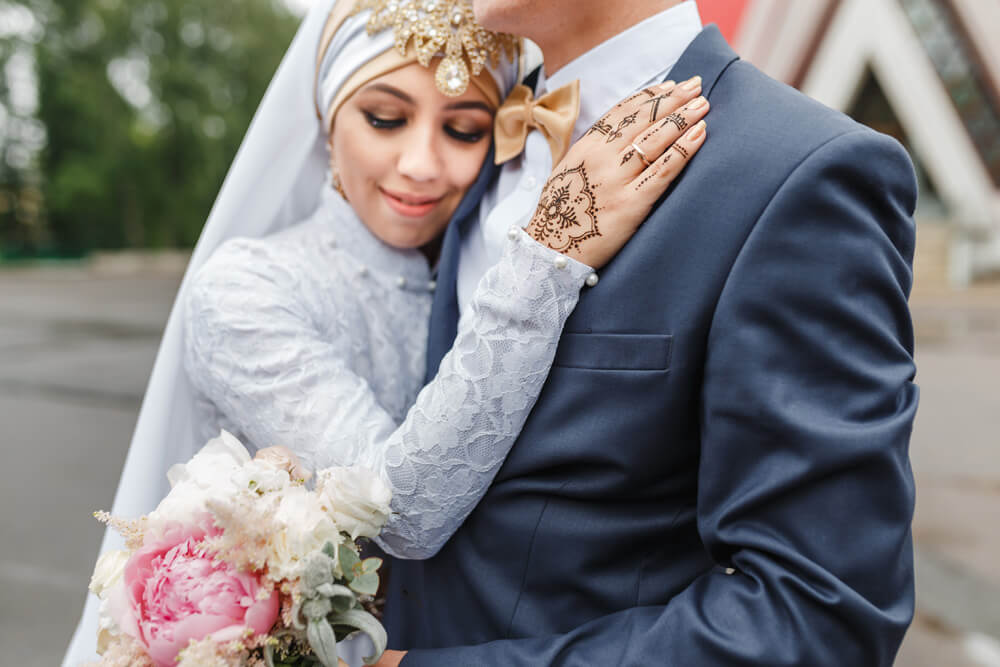
The “brand” of a Muslim wedding often emphasizes cultural sensitivity and respect for religious practices. This translates directly into expectations for guest attire. Your clothing choices become a non-verbal demonstration of your awareness and appreciation for these cultural nuances. Failing to acknowledge this can inadvertently communicate a personal brand that is insensitive or uninformed, potentially creating dissonance rather than connection. Consider the host family’s background, the specific cultural practices (e.g., Arab, South Asian, African, Southeast Asian weddings all have distinct regional flavors), and the level of religious observance. Your objective is to project a brand of thoughtfulness and inclusivity.
The Role of Modesty in Brand Messaging
Modesty is a significant pillar in many Islamic traditions and often forms a key component of a Muslim wedding’s brand identity. For guests, embracing modesty in attire is not just about adhering to a dress code; it’s about signaling respect for the spiritual and cultural values embedded in the event. This means strategically choosing garments that cover the shoulders, arms (at least to the elbow, often longer), and legs, avoiding overly tight or revealing clothing. Women may also consider head coverings (hijab) if attending a mosque ceremony or if the celebration strongly emphasizes it, even if they don’t ordinarily wear one. This conscious choice projects a personal brand that is respectful, adaptive, and keenly aware of the environment, fostering a sense of belonging and mutual regard.
Celebrating Joy and Community Through Visuals
While modesty is important, a Muslim wedding is ultimately a celebration. The event’s brand identity is vibrant, joyous, and celebratory. Your personal brand, expressed through your attire, should reflect this. This is where color, fabric, and subtle embellishments play a crucial role. Opt for rich, festive colors—deep jewel tones, pastels, or vibrant hues, depending on the specific cultural context. Luxurious fabrics like silk, chiffon, lace, and brocade communicate elegance and festivity, aligning with the celebratory aspect of the wedding’s brand. The goal is to project a personal brand that is both reverent and cheerful, seamlessly blending respect with celebratory enthusiasm.
Personal Branding Through Attire: Strategic Alignment
Your outfit is a powerful communication tool, capable of conveying a multitude of messages about your personal brand. At a Muslim wedding, your attire should strategically align your personal brand with the event’s identity, ensuring you present yourself as an engaged, respectful, and appropriately celebratory guest.
The Power of First Impressions and Brand Recall
In any social setting, first impressions are critical for personal branding. At a wedding, your arrival immediately establishes a perception. An outfit that is well-chosen, culturally appropriate, and reflective of the celebratory mood creates a positive initial brand impression. This isn’t just about looking good; it’s about projecting competence in social navigation and demonstrating respect for your hosts. A strong first impression contributes to lasting brand recall, ensuring you are remembered positively for your thoughtful presence.
Aligning with Cultural Codes: Beyond the Basic Dress Code

Effective personal branding goes beyond merely meeting a dress code; it involves understanding and subtly integrating cultural codes. For instance, in many South Asian Muslim weddings, guests often wear traditional attire like saris, lehengas, or salwar kameez. Even if you are not from that cultural background, opting for a modestly tailored dress in a rich fabric or a pantsuit that echoes the elegance and celebratory feel can strategically align your brand. If you choose to wear traditional attire from the host culture, ensure it is worn respectfully and correctly. Your effort to connect with the cultural codes enhances your personal brand as someone who is culturally intelligent and considerate.
Projecting Confidence and Respect Through Presence
Ultimately, your attire should empower you to project confidence and respect. When you feel appropriately dressed, you naturally exude confidence, which is a key trait of a strong personal brand. This confidence, coupled with the respect demonstrated by your thoughtful wardrobe choices, reinforces your positive image. It shows you value the occasion, the hosts, and the traditions involved. Your presence, enhanced by your deliberate presentation, contributes positively to the overall atmosphere and strengthens your relationships within the community.
Crafting Your Attire Strategy: Practical Applications for Your Personal Brand
Translating the principles of event branding and personal alignment into actionable wardrobe choices requires strategic thinking. Consider these practical applications to refine your personal brand’s visual communication.
Color and Symbolism: Messaging Through Hue
Colors carry significant cultural and emotional weight. For a Muslim wedding, consider colors that symbolize joy, prosperity, and purity. Gold, silver, deep reds, emerald greens, royal blues, and rich purples are frequently seen and symbolize celebration and royalty. White is often associated with the bride, so guests might opt for other festive colors, though a patterned white dress could be acceptable. Your choice of color sends a subtle message about your personal brand’s understanding of celebratory aesthetics and cultural appropriateness. A carefully selected palette reinforces your brand as elegant and culturally informed.
Fabric and Form: Comfort Meets Elegance and Modesty
The choice of fabric and the garment’s form are critical for communicating elegance, comfort, and modesty. Light, flowing fabrics like chiffon, georgette, and silk drape beautifully and offer comfort, especially if the event involves dancing or prolonged periods of standing. Structured fabrics like brocade or jacquard can add a touch of formality and grandeur.
- For Women: Long dresses, maxi skirts paired with elegant blouses, modest jumpsuits, or tailored pantsuits are excellent choices. If wearing a dress, ensure it’s not too revealing, with appropriate necklines and sleeve lengths. Shawls or elegant wraps can be strategically used to add coverage and sophistication, enhancing your modest yet stylish personal brand.
- For Men: A well-tailored suit is generally appropriate. Dark colors like navy, charcoal, or black are classic and project a sophisticated personal brand. For more informal or culturally specific events, a traditional kurta pajama or a sherwani might be worn if it aligns with the host culture and your comfort level. The key is to look polished and put-together, projecting a brand of refinement and respect.
Accessorizing with Intention: Refining Your Brand Statement
Accessories are not mere afterthoughts; they are crucial elements that refine and complete your personal brand statement.
- Jewelry: Opt for elegant, understated pieces that complement your outfit without being overly flashy. Pearls, gold, or silver jewelry can add a touch of sophistication.
- Footwear: Comfortable yet stylish shoes are essential, particularly if you anticipate standing or dancing. Heels are acceptable for women, but elegant flats or low heels might be more practical. Men should wear polished dress shoes.
- Bags: A small clutch or an elegant handbag that matches your outfit is suitable.
- Head Covering (for women): If you choose to wear a head covering for religious or cultural reasons, select a beautiful scarf in a coordinating color and style. This thoughtful gesture reinforces your brand as someone who respects and participates in the cultural narrative of the event.
Every accessory chosen should contribute to a cohesive and intentional personal brand image, avoiding anything that clashes or distracts from the overall message of respect and celebration.

Post-Event Brand Reinforcement: The Lasting Impression
Your carefully curated attire and thoughtful presentation at a Muslim wedding extend beyond the event itself. The positive impression you leave contributes to your long-term personal brand equity within social and professional networks. By demonstrating cultural intelligence, respect, and celebratory spirit through your visual identity, you reinforce your brand as an adaptable, considerate, and valued member of any community. This strengthens relationships, builds trust, and enhances your overall social standing, proving that strategic personal branding is a continuous effort that yields significant dividends.
aViewFromTheCave is a participant in the Amazon Services LLC Associates Program, an affiliate advertising program designed to provide a means for sites to earn advertising fees by advertising and linking to Amazon.com. Amazon, the Amazon logo, AmazonSupply, and the AmazonSupply logo are trademarks of Amazon.com, Inc. or its affiliates. As an Amazon Associate we earn affiliate commissions from qualifying purchases.