
In the theatre of justice, every detail contributes to the narrative. Your personal presentation, particularly your attire, serves as a powerful, non-verbal communication tool, shaping perceptions long before you utter a single word. For an individual navigating a court hearing, understanding the strategic impact of clothing choices is not merely about adherence to decorum; it is a fundamental aspect of personal branding, influencing credibility, trustworthiness, and respect in the eyes of judges, juries, and opposing counsel. Your appearance is a meticulously designed element of your overall brand strategy, conveying a silent yet profound message about who you are and how seriously you regard the proceedings.
The Silent Statement: Your Attire as Personal Brand Strategy
Entering a courtroom is akin to stepping onto a professional stage where your personal brand is under immediate scrutiny. Unlike casual social interactions, this environment demands a specific brand projection: one of seriousness, respect, and competence. Your choice of clothing is a critical component of this brand strategy, a visual cue that subtly markets your character and intentions.
Projecting Credibility and Respect
The primary objective of your courtroom attire is to project credibility and respect. By dressing appropriately, you signal to all present that you acknowledge the gravity of the legal process and the authority of the court. This demonstration of respect is not merely a courtesy; it is a strategic investment in your personal brand. A well-considered appearance can subtly influence how your testimony or arguments are received, fostering an initial perception of reliability and seriousness. Conversely, an overly casual or inappropriate outfit can instantly undermine your credibility, creating an uphill battle to establish trust and competence. This isn’t about expensive clothing, but about presenting a polished, thoughtful image that underscores your commitment to the proceedings and your integrity. It’s about designing a brand identity that aligns with the values of justice and formality.
Aligning with Professionalism
A court hearing is a highly professional environment, and your attire must reflect this. Think of it as a crucial business meeting where the stakes are exceptionally high. Your personal brand in this context should align with an established code of professionalism. This means adhering to conservative standards that minimize distraction and maximize focus on the legal substance. Professional dress communicates that you understand the decorum required, that you are organized, and that you take your role in the proceedings seriously. This alignment with professional norms strengthens your personal brand, positioning you as someone who is responsible and capable of handling complex situations. It’s a visual reinforcement of your character, allowing your legal arguments and conduct to stand on a firmer foundation.
Crafting Your Courtroom Aesthetic: Key Design Principles
Designing your courtroom appearance requires thoughtful consideration of elements such as color, fabric, fit, and accessories. Each choice contributes to the overall aesthetic of your personal brand, either enhancing or detracting from your desired image.
The Power of Understated Elegance
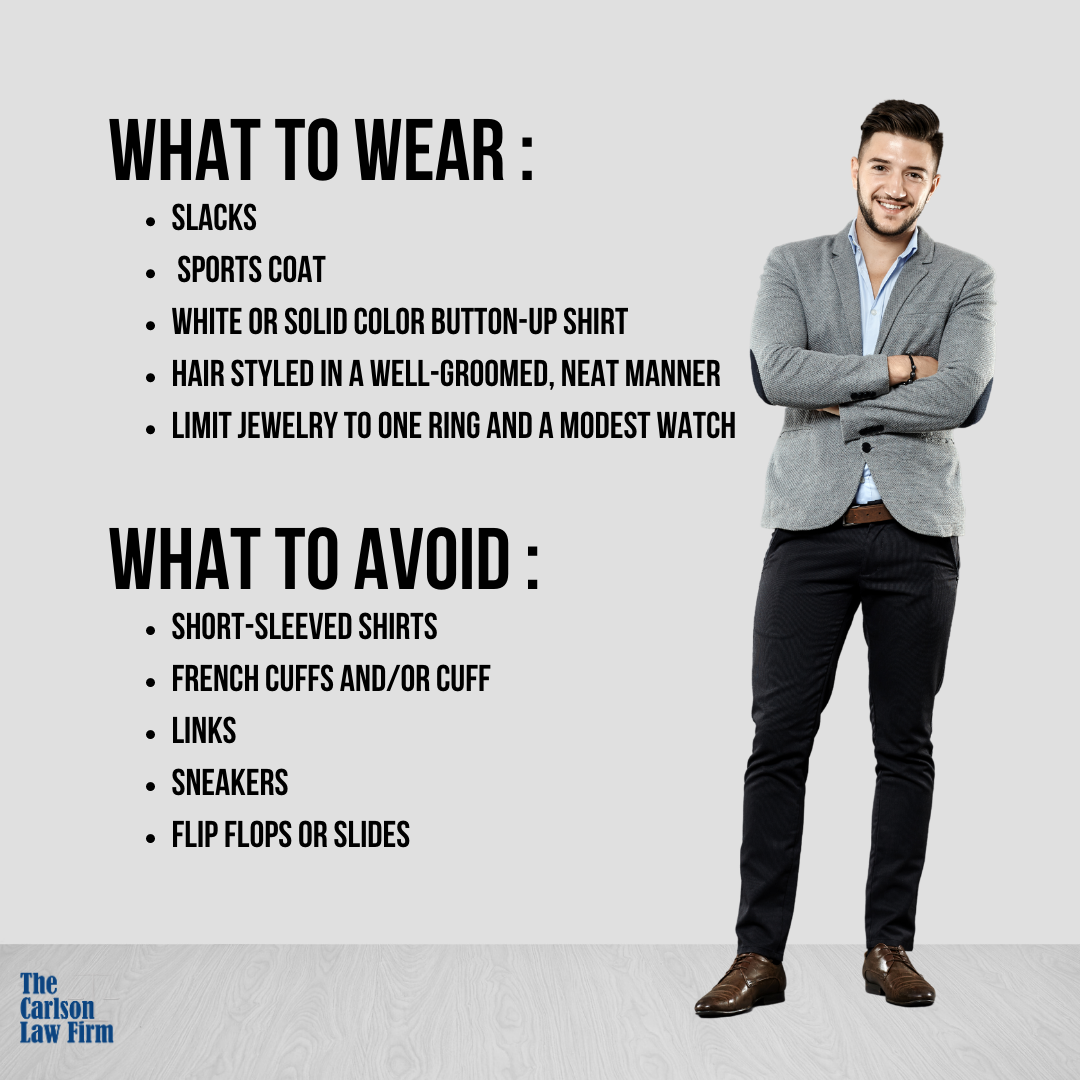
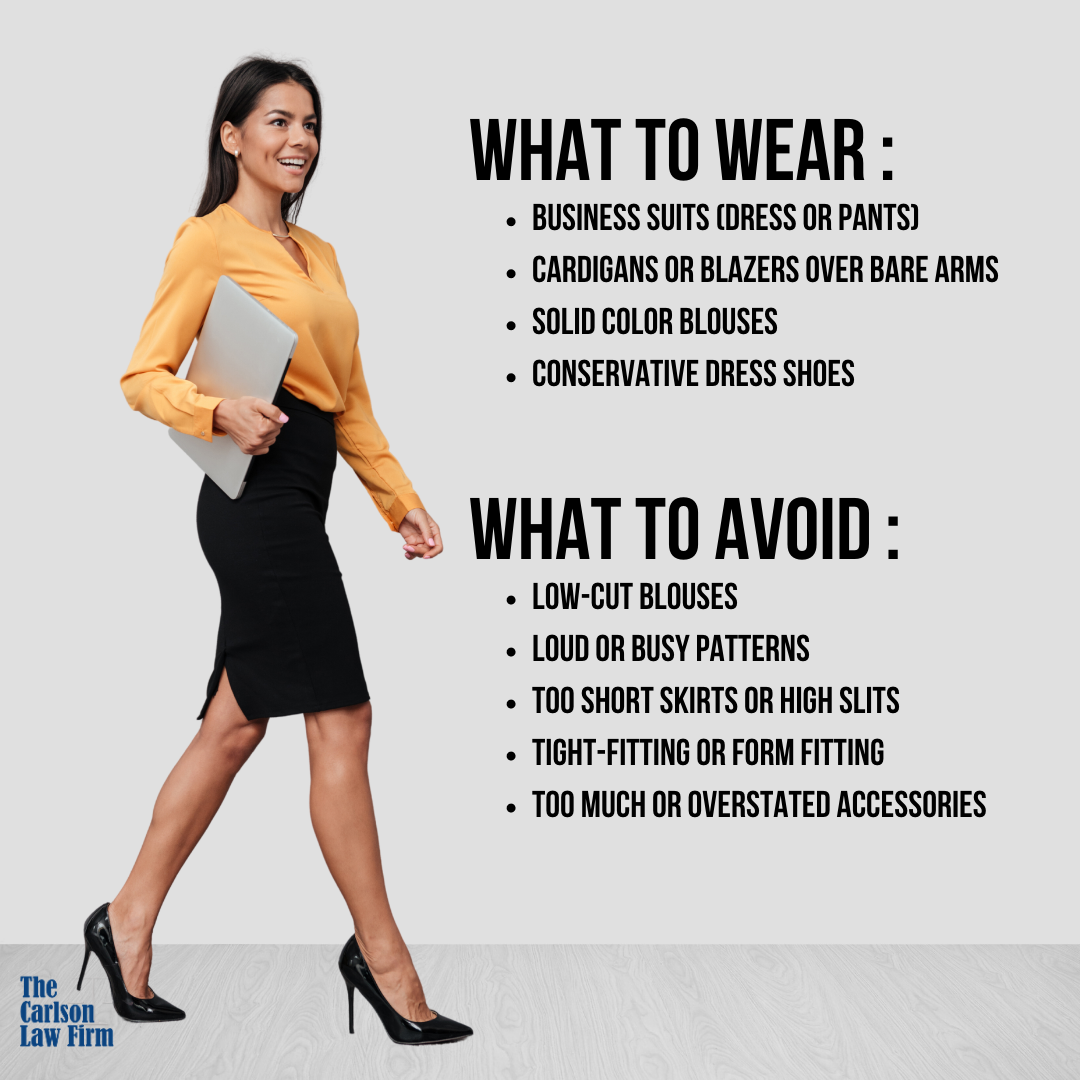
When selecting attire for a court hearing, the guiding principle should be understated elegance. This translates to conservative, classic choices that project maturity and professionalism without being ostentatious. For men, a dark suit (navy, charcoal, or deep grey) is the gold standard. Paired with a light-colored, long-sleeved dress shirt (white or light blue) and a conservative tie, this ensemble communicates seriousness and respect. For women, a tailored suit (skirt or pant), a professional dress with a blazer, or a skirt/pant and blouse combination in similar dark, neutral tones is appropriate. The aim is to create a visual brand that is authoritative yet approachable, grounded in tradition and competence.
Fabric choices also play a subtle but significant role in this design. Opt for quality materials such as wool blends, tailored cottons, or professional synthetics that drape well and resist wrinkles. These fabrics convey a sense of care and investment in your appearance, reinforcing the perception of a meticulous and organized personal brand. Avoid loud patterns, bright colors, or overly trendy styles that might draw undue attention or suggest a lack of seriousness. The goal is to blend in professionally, allowing your words and conduct to take center stage.
Fit and Presentation: The Details That Define
Even the most expensive garments can undermine your personal brand if they are ill-fitting or poorly maintained. The importance of proper fit cannot be overstated. Clothes that are too tight, too loose, or too long can create an unprofessional impression, suggesting carelessness or a disregard for detail. Ensure that suits are tailored, shirts fit correctly at the neck and sleeves, and trousers or skirts are the appropriate length.
Beyond fit, impeccable presentation is crucial. Your clothes should be clean, pressed, and free of wrinkles, stains, or damage. Shoes should be polished and in good condition. Hair should be neatly styled and groomed, makeup minimal and natural for women, and facial hair neatly trimmed for men. These seemingly minor details are, in fact, powerful brand markers. They communicate attention to detail, self-respect, and a commitment to presenting yourself in the best possible light. A polished appearance signals a polished individual, a key attribute for a personal brand seeking credibility and trust.
Minimizing Distraction, Maximizing Focus
Accessories, jewelry, and personal embellishments should be minimal and discreet. For both men and women, excessive jewelry, flashy watches, or noticeable piercings can be highly distracting, shifting focus away from the proceedings and onto your appearance. This is a critical branding misstep, as it positions your aesthetic as a potential hindrance rather than a support to your core message.
The ideal approach is to choose simple, classic accessories that complement your professional attire without drawing attention to themselves. A modest watch, small earrings (for women), and a wedding band are generally acceptable. Avoid anything that might jingle, shine excessively, or be perceived as unprofessional or trendy. The overall design principle here is to create a visual brand that is clean, uncluttered, and allows the focus to remain squarely on your words, your testimony, and the legal issues at hand.

Understanding Context: Tailoring Your Brand Message
While general rules of professionalism apply, understanding the specific context of your court appearance allows for nuanced adjustments to your personal brand message.
Formal vs. Less Formal Proceedings
The level of formality can vary across different types of court proceedings. A hearing in a major criminal or civil case typically demands the highest level of formality in attire, reinforcing the gravity of the potential outcomes. Here, a full suit and tie for men, and a suit or professional dress for women, are virtually mandatory to project the appropriate brand image.
For less formal settings, such as small claims court, traffic court, or certain administrative hearings, the attire might be slightly less rigid. However, “less formal” does not equate to “casual.” It still means business casual at a minimum – a blazer, dress shirt (no tie might be acceptable), tailored trousers or skirt, and professional shoes. The core brand message of respect and seriousness must always be maintained, even if expressed through a slightly relaxed professional aesthetic. Err on the side of being slightly overdressed rather than underdressed; it demonstrates greater respect for the institution and enhances your personal brand.
Your Role in the Proceedings
Your specific role in the court hearing—whether you are a defendant, plaintiff, witness, or supporting family member—can subtly influence the brand message you wish to convey, though the overarching principles of professionalism remain constant. A plaintiff might aim to brand themselves as reliable, trustworthy, and deserving of justice, while a defendant might focus on projecting respectability, sincerity, and cooperation. A witness’s attire should project objectivity and trustworthiness.
Regardless of your role, your clothing should never be perceived as an attempt to manipulate or distract. The goal is to create a personal brand that supports the impression of an honest, responsible, and serious individual. For example, a defendant should avoid anything that might be perceived as arrogant, defiant, or disrespectful, as this could severely damage their brand in the eyes of the decision-makers. Conversely, an overly meek or ill-fitting appearance might inadvertently communicate a lack of confidence or seriousness. The strategic design of your attire should always serve to reinforce the positive attributes relevant to your specific situation.
Common Pitfalls and Brand Blunders
Failing to adhere to the principles of courtroom attire can lead to significant brand blunders, potentially prejudicing your case or undermining your position.
Avoiding Casual Indifference
One of the most common mistakes is dressing too casually. Jeans, t-shirts, athletic wear, shorts, tank tops, open-toed shoes, or flip-flops send a brand message of indifference, disrespect, and a lack of understanding of the gravity of the legal process. This immediately creates a negative perception, suggesting that you do not take the court, the judge, or the matter at hand seriously. Such an image can be incredibly difficult to overcome, as it establishes a foundational impression of carelessness or even contempt. Your personal brand in court must always convey a deliberate, considered approach, not casual disregard.
Guarding Against Over-the-Top Attempts
Equally detrimental to your personal brand can be an attempt to overdress or appear overly dramatic. Flashy suits, provocative attire, excessive makeup, ostentatious jewelry, or overly trendy fashion choices can backfire spectacularly. These choices might be perceived as an attempt to manipulate, distract, or disrespect the court through an inappropriate display. They can suggest a focus on superficiality over substance, raising questions about your sincerity and judgment. The courtroom is not a fashion show; it is a serious forum where credibility and character are paramount. Your brand image should be one of substance, not spectacle.
Beyond the Garment: Non-Verbal Branding in Court
While attire is a critical element, your personal brand in court extends beyond the clothes you wear. Your non-verbal cues and overall demeanor are powerful extensions of your visual branding.
Posture and Demeanor
Your posture, facial expressions, and overall demeanor are integral to your personal brand’s projection of confidence, respect, and sincerity. Sit up straight, make appropriate eye contact (with the judge, jury, or counsel when speaking), and avoid fidgeting or slouching. A calm, attentive, and respectful demeanor reinforces the positive message conveyed by your professional attire. Conversely, appearing bored, agitated, or dismissive can quickly erode the positive brand image you’ve carefully cultivated through your clothing. These non-verbal cues are vital components of how your character is perceived and interpreted within the courtroom.
Voice and Communication
Finally, how you speak is a direct reflection of your personal brand. When called upon to speak, do so clearly, concisely, and respectfully. Avoid slang, sarcasm, or emotional outbursts. A composed, articulate voice strengthens your professional brand, signaling intelligence and self-control. Your communication style, combined with your visual presentation, creates a holistic personal brand identity that either supports or detracts from your objectives in the courtroom. Every element, from the fabric of your suit to the tone of your voice, contributes to the strategic branding of yourself in the eyes of justice.
aViewFromTheCave is a participant in the Amazon Services LLC Associates Program, an affiliate advertising program designed to provide a means for sites to earn advertising fees by advertising and linking to Amazon.com. Amazon, the Amazon logo, AmazonSupply, and the AmazonSupply logo are trademarks of Amazon.com, Inc. or its affiliates. As an Amazon Associate we earn affiliate commissions from qualifying purchases.