
In the competitive landscape of the global cruise industry, a “vacation” is no longer just a service; it is a meticulously curated brand experience. When travelers ask “what to wear at dinner on a cruise,” they are inadvertently participating in a complex ecosystem of corporate identity, personal branding, and sensory marketing. From the high-gloss formalism of heritage lines to the “rebellious luxe” of modern disruptors, the evening dress code is one of the most potent tools a cruise line uses to solidify its brand positioning.
Understanding what to wear requires more than a fashion sense—it requires an understanding of how these floating resorts define themselves. This guide explores the strategic intersection of fashion and branding, helping you navigate the expectations of the world’s leading cruise brands while refining your personal brand on the high seas.
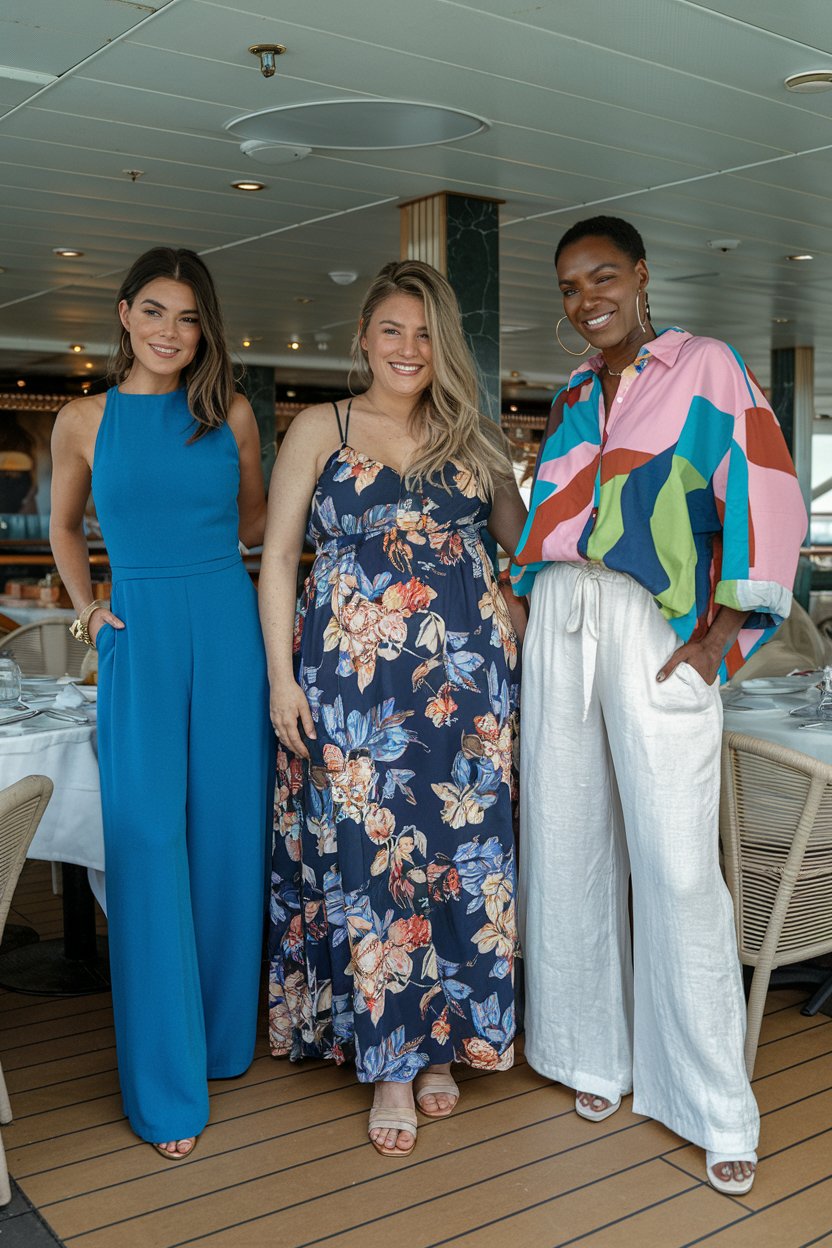
The Corporate Identity of the Seas: Why Dress Codes are Brand Assets
For a cruise line, the “atmosphere” is a primary product. Unlike a land-based hotel where guests may disperse into a city, a cruise ship is a closed environment. Consequently, the visual appearance of the guest collective directly impacts the brand’s perceived value. If a line markets itself as “ultra-luxury,” the presence of guests in casual athletic wear in the main dining room would represent a significant brand dilution.
Luxury vs. Contemporary: Setting the Brand Standard
The cruise industry is segmented into clear tiers: Contemporary (Carnival, Royal Caribbean), Premium (Celebrity, Princess), and Luxury (Seabourn, Silversea, Cunard). Each tier uses its dinner dress code as a gatekeeper for its brand promise.
In the Contemporary tier, the brand identity is built on “accessible fun.” Here, the dress code is often “Cruise Casual,” signaling a brand that values inclusivity and relaxation. Conversely, Luxury brands use “Formal” or “Black Tie” nights to reinforce an aura of exclusivity and timelessness. By mandating a specific aesthetic, the brand ensures that every guest contributes to the “scenery” that others have paid a premium to enjoy.
The Psychology of Enclothed Cognition in Cruise Marketing
From a brand strategy perspective, dress codes leverage “enclothed cognition”—the systematic influence that clothes have on the wearer’s psychological processes. When a cruise line encourages formal attire, it isn’t just about the photos; it’s about changing the behavior of the guests. Guests in formal wear tend to engage in more sophisticated social rituals, spend more on high-end wines, and perceive the service as being of higher quality. This behavioral shift is a crucial component of the “luxury brand experience” that lines sell to their stakeholders.
Navigating the Personal Brand: Curating Your Dinner Image
While the cruise line provides the framework, the individual passenger uses dinner attire to manage their own personal brand. In the concentrated social environment of a ship, where you interact with the same group of people for a week or more, your visual identity serves as your primary introduction.
The Power of Visual Storytelling at the Captain’s Table
For many high-net-worth individuals and corporate leaders, a cruise is a networking opportunity. Your choice of dinner attire is a form of visual storytelling. A bespoke suit or a designer gown communicates a brand of “Success and Sophistication.” On the other hand, choosing a “smart casual” look that features high-end, sustainable fabrics can communicate a brand of “Conscious Luxury.”
In the context of personal branding, your dinner outfit should align with the “Role” you wish to play within the ship’s social hierarchy. Are you the adventurous explorer, the seasoned socialite, or the relaxed professional? Your attire provides the cues that dictate how staff and fellow passengers interact with you.
Aligning Personal Aesthetic with Shipboard Culture
Successful personal branding requires “contextual intelligence.” Wearing a full tuxedo on a Virgin Voyages sailing—a brand that prides itself on “No Stuffiness”—might actually damage your personal brand by making you appear out of touch with the environment. Conversely, under-dressing on a Cunard flagship suggests a lack of respect for the brand’s heritage. To maintain a strong personal brand, your wardrobe must be a dialogue between your individual style and the cruise line’s established corporate identity.

Strategic Wardrobe Planning: A Brand Case Study of Major Lines
To understand what to wear, we must look at the specific brand manifestos of the industry’s leaders. Each line has a distinct “Brand Voice,” and their dinner expectations are the physical manifestation of that voice.
Cunard: The Heritage Brand of Formalism
Cunard is perhaps the most iconic “Heritage Brand” in the maritime world. Their identity is inextricably linked to the Golden Age of ocean travel. For Cunard, dinner is a gala event.
-
The Brand Expectation: “Gala Evenings” require Tuxedos or dark suits for men and formal evening wear for women.
-
Strategic Fit: If you are sailing with Cunard, your wardrobe should reflect “Tradition and Prestige.” This is not the place for avant-garde fashion; it is the place for classic, timeless elegance that honors the brand’s 180-year history.
Virgin Voyages: The Disruptor Brand and “Rebellious Luxe”
Virgin Voyages entered the market to disrupt the “tired” tropes of cruising. Their brand is “Adult-By-Design” and focuses on a “Rebellious Luxe” philosophy.
-
The Brand Expectation: There are no formal nights. The brand encourages “Sunset Soiree” looks—stylish, trendy, and expressive.
-
Strategic Fit: Here, your personal brand can be more experimental. Think “South Beach Chic” or “Ibiza Glam.” The goal is to look like you belong in a high-end boutique hotel or a private members’ club.
Celebrity Cruises: Modern Luxury and Chic Sophistication
Celebrity Cruises occupies the “Premium” space, branding itself around “Modern Luxury” and “Edge-class” design.
-
The Brand Expectation: They replaced “Formal Night” with “Evening Chic.” This allows for more flexibility—designer jeans with a blazer are often acceptable, as are cocktail dresses.
-
Strategic Fit: The brand identity here is “Contemporary and Polished.” Your wardrobe should focus on clean lines, neutral palettes, and high-quality accessories. It’s about looking “expensive but effortless.”
The Future of Fashion Branding in the Cruise Industry
As we look toward the future, the intersection of cruise branding and passenger attire is evolving. We are seeing a shift toward “Quiet Luxury” and “Sustainability,” reflecting broader global trends in brand management.
Sustainability as a Brand Statement
Modern travelers, particularly Millennials and Gen Z, are increasingly looking for brands that align with their values. In response, cruise lines are beginning to highlight sustainable practices. For the passenger, this means that “what to wear” is becoming a question of “what is it made of?”
Wearing a dress made from recycled ocean plastics or a suit from a certified B-Corp tailor isn’t just a fashion choice; it’s a reinforcement of a personal brand that values environmental stewardship. Cruise lines like Hurtigruten or Ponant, which focus on expedition and ecology, have brand identities that favor high-performance, sustainable gear over traditional luxury.
Digital Influence and the “Instagrammable” Dinner Look
In the age of social media, every dinner is a branding event. Cruise lines now design their dining rooms with “Instagrammable” aesthetics in mind, knowing that guests will share their outfits on digital platforms. This creates a symbiotic branding loop: the guest uses the ship’s luxury backdrop to enhance their personal Instagram brand, while the cruise line receives free high-quality marketing as the guest showcases the lifestyle available on board.
When planning your dinner attire, consider how the colors and textures will photograph against the ship’s specific interior design—be it the gold-leaf opulence of an MSC Yacht Club or the mid-century modern aesthetic of a Viking ocean ship.

Conclusion: The ROI of the Right Wardrobe
In the world of high-end travel, fashion is a functional asset. When you correctly identify “what to wear at dinner on a cruise,” you are doing more than following a rulebook; you are strategically aligning your personal brand with a multi-billion dollar corporate identity.
By choosing attire that reflects the specific brand tier of your cruise line—be it heritage, disruptor, or modern luxury—you enhance your own experience and social standing on board. The “Return on Investment” for a well-planned cruise wardrobe is found in the doors it opens, the service it garners, and the seamless way you integrate into the aspirational world of luxury travel. Whether it’s a tuxedo for a gala on the Atlantic or a linen blazer for a sunset in the Mediterranean, your attire is the bridge between who you are and the brand story you are helping to write.
aViewFromTheCave is a participant in the Amazon Services LLC Associates Program, an affiliate advertising program designed to provide a means for sites to earn advertising fees by advertising and linking to Amazon.com. Amazon, the Amazon logo, AmazonSupply, and the AmazonSupply logo are trademarks of Amazon.com, Inc. or its affiliates. As an Amazon Associate we earn affiliate commissions from qualifying purchases.