
In the intricate theater of the legal system, where perceptions are paramount and every detail can sway judgment, your attire serves as a potent, non-verbal declaration of your personal brand. Far from a mere formality, choosing “what to wear at court” is a strategic exercise in marketing yourself or your corporate identity, communicating trustworthiness, competence, and respect for the institution. This isn’t just about adhering to dress codes; it’s about leveraging visual design to reinforce your message, influence opinion, and establish a credible presence.
The Silent Advocate: How Attire Shapes Perception and Brand Identity
Long before a single word is spoken, your clothing speaks volumes, acting as a silent advocate for your brand. In a courtroom, where high stakes often prevail, the impression you make can significantly impact how your character, arguments, and overall case are received. This is the essence of personal branding in a high-pressure environment: your visual presentation is a core component of your communication strategy.

Non-Verbal Marketing of Professionalism
Every crease, color, and fabric choice contributes to the narrative you wish to project. A meticulously chosen outfit signals attention to detail, discipline, and a serious approach to the proceedings—qualities that are universally valued by judges, juries, and opposing counsel. Conversely, inappropriate or unkempt attire can inadvertently convey a lack of seriousness, disrespect, or even unreliability, eroding your brand’s credibility before you’ve had a chance to articulate your position. Think of your appearance as the packaging for your professional expertise; just as product packaging influences consumer perception, your visual brand influences how your professional ‘product’ is perceived.
Building Trust Through Visual Consistency
Consistency in your professional presentation, especially in a legal setting, reinforces trust. When your external appearance aligns with the competence and integrity you wish to project, it creates a cohesive brand experience. This consistency isn’t just about wearing a suit; it’s about ensuring your overall image—from your grooming to the condition of your accessories—maintains a high standard. This visual harmony builds a foundational layer of trust, essential for any effective brand strategy.
Influencing the Subconscious Narrative
The human brain is wired to make rapid judgments based on visual cues. In a courtroom, where emotions and biases can play a role, presenting a brand image that evokes professionalism and composure can subconsciously influence the narrative in your favor. It suggests that you are prepared, respectful of the gravity of the situation, and capable of handling complex issues with gravitas. This subtle influence is a powerful, often underestimated, aspect of effective personal branding.
Crafting Your Courtroom Persona: Key Elements of Professional Dress Design
Designing your courtroom attire is akin to developing a corporate identity for your personal brand. Each element must be carefully selected to convey specific attributes and reinforce your desired persona: authority, trustworthiness, and meticulousness. The goal is to project an image that complements your legal objectives, rather than detracting from them.
The Foundation: The Suit as Your Brand Uniform
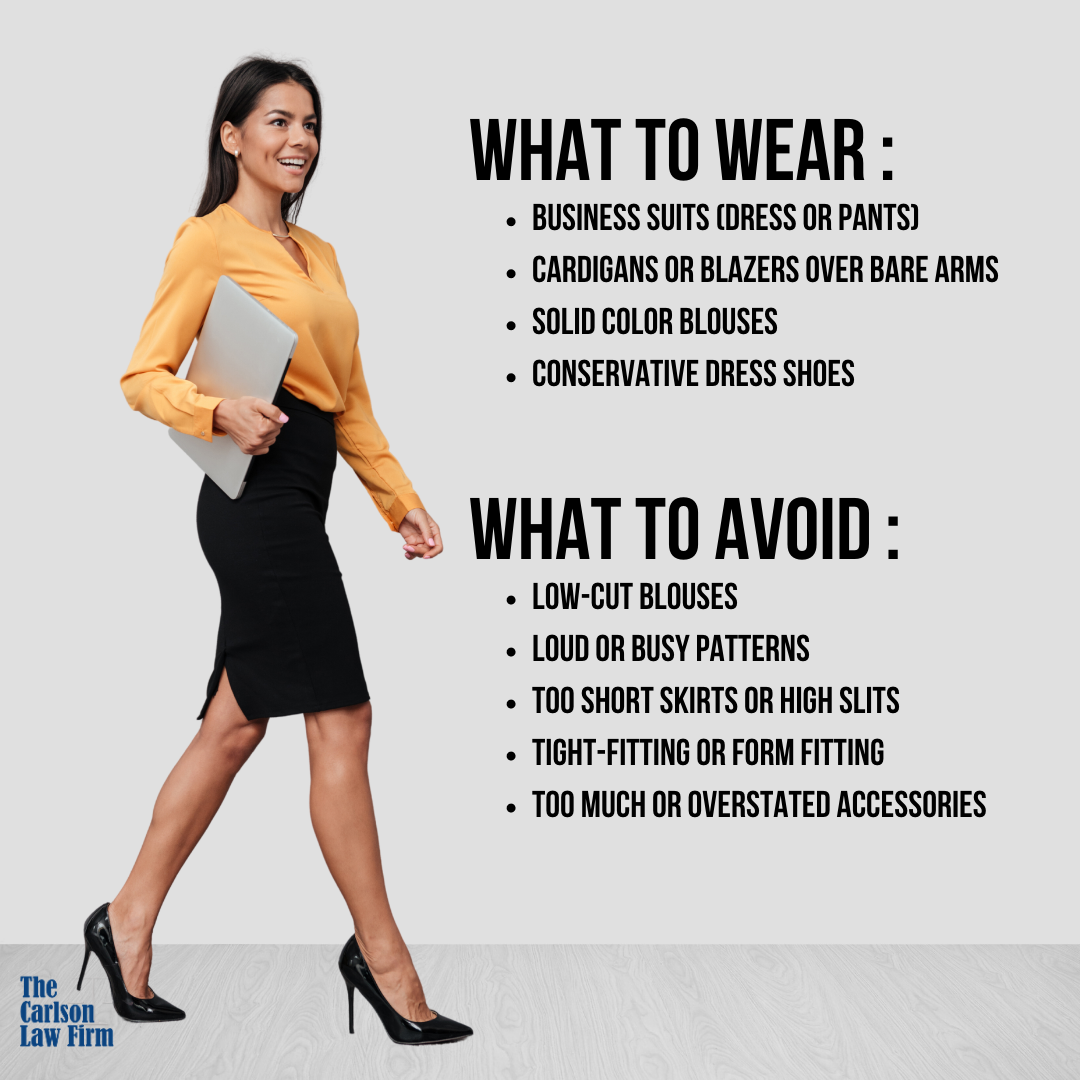
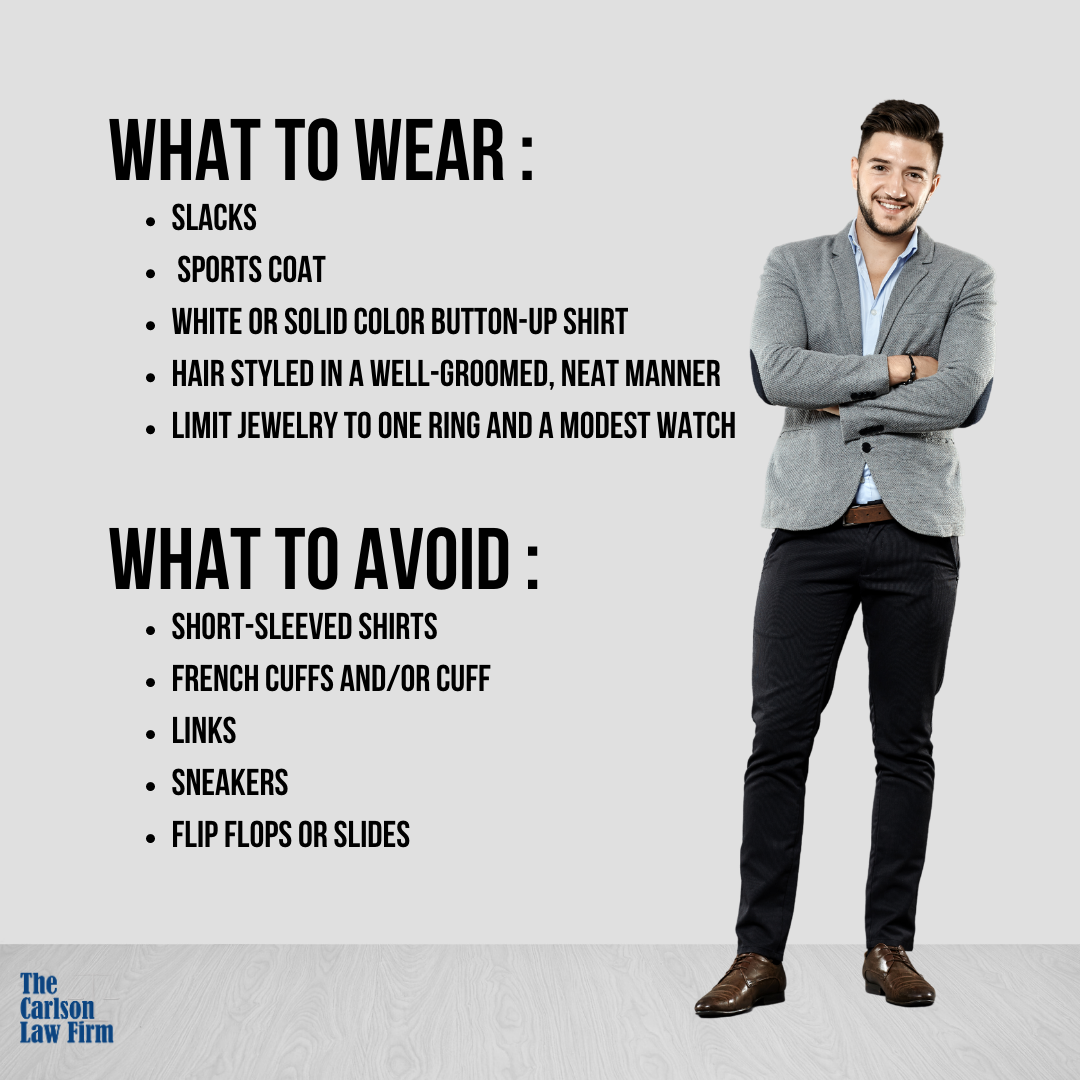
For both men and women, a well-tailored suit remains the undisputed cornerstone of courtroom attire. For men, this typically means a two or three-piece suit in conservative colors such as charcoal gray, navy blue, or black. For women, a pant suit or skirt suit in similar dark, solid colors is appropriate.
- Color Palette: Dark, solid colors convey seriousness and authority. Avoid overly bright or distracting patterns that can draw attention away from your words. The absence of visual clutter in your attire allows your intellectual argument to take center stage.
- Fabric and Fit: High-quality fabrics that resist wrinkling and maintain their shape throughout the day are crucial. A perfect fit is non-negotiable; an ill-fitting suit can undermine even the most expensive garment, projecting an image of sloppiness rather than polish. Consider this an investment in your brand’s aesthetic design.
The Supporting Cast: Shirts, Blouses, and Ties
These elements are opportunities to add subtle professionalism without creating distraction.
- Shirts/Blouses: A crisp, collared shirt or an elegant blouse in white, light blue, or other subdued pastels is ideal. Ensure they are impeccably ironed and clean. For women, modest necklines are essential to maintain a professional demeanor.
- Ties: For men, a conservative silk tie with a subtle pattern or solid color complements the suit. The knot should be neat and firm. The tie is a small but significant design element that can either elevate or detract from your overall brand presentation.
The Details: Accessories as Brand Accents
Accessories, while seemingly minor, can either reinforce or weaken your professional brand.
- Footwear: Polished, closed-toe shoes in black or dark brown are standard for men. Women should opt for low to moderate heels or flats that are comfortable and professional. Scuffed or casual shoes can instantly undermine an otherwise polished look.
- Jewelry: Minimal and understated is the rule. For men, a simple watch and wedding band (if applicable) are usually sufficient. For women, small earrings, a single necklace, and a wedding band are appropriate. The aim is to avoid anything flashy or noisy that could distract. Your accessories should be subtle brand identifiers, not statement pieces that divert focus.
- Grooming: Hair should be neat, clean, and styled conservatively. Makeup for women should be natural and understated. Nails should be clean and trimmed. These are critical aspects of personal hygiene that directly reflect on your attention to detail and self-management—key pillars of a strong professional brand.
Navigating the Nuances: Context, Culture, and Specifics in Branding
While general guidelines exist, an effective personal branding strategy in court acknowledges the nuances of context. Just as a marketing campaign must adapt to its target audience, your courtroom attire must adapt to the specific type of court, geographic location, and your role in the proceedings.
Differentiating Courtroom Environments
The “brand message” conveyed by your attire might need slight adjustments depending on the court.
- Supreme Court/Appellate Courts: These venues demand the highest level of formality. A traditional, conservative suit is paramount, emphasizing gravitas and respect for judicial precedent.
- Federal/District Courts: A high level of professionalism is expected, similar to appellate courts.
- Family/Local/Traffic Courts: While still requiring professionalism, these courts might permit slightly less formal but still professional attire, such as a sport coat and dress trousers for men, or a professional dress for women, though a suit is always the safest and strongest brand choice. Always err on the side of being overdressed rather than underdressed. Your brand should consistently reflect seriousness, regardless of the perceived “minor” nature of the proceedings.
Cultural and Regional Considerations
In some regions or specific legal cultures, certain colors or styles might carry different connotations. While dark suits are universally accepted, being aware of any local customs can help refine your presentation. For instance, some jurisdictions might have a more relaxed overall atmosphere, but it’s rarely wise to mirror that relaxedness in your branding unless specifically advised by local counsel.
Your Role: Litigant, Witness, or Spectator
Your role in court dictates the level of formality and the specific brand message you need to convey.
- Litigants (Plaintiff/Defendant): Your attire is crucial for establishing your credibility and character. You want to appear responsible, trustworthy, and respectful of the court’s authority. This is a direct reflection of your personal brand being on trial.
- Witnesses: As a witness, your primary brand objective is to appear credible, unbiased, and honest. Conservative professional dress helps achieve this. Avoid anything that could be interpreted as an attempt to distract or manipulate.
- Spectators: Even as a spectator, it’s appropriate to dress respectfully, though a full suit may not be necessary. Business casual attire is generally acceptable, demonstrating respect for the judicial process. This still reflects on your personal brand, even if in a more peripheral role.
Beyond the Fabric: Confidence, Demeanor, and Brand Consistency
While carefully curated attire forms the visual cornerstone of your courtroom brand, it is merely one component. The most impeccably dressed individual can undermine their brand through poor posture, nervous habits, or an unprofessional demeanor. True brand consistency requires a holistic approach that integrates your visual presentation with your conduct.
The Power of Poise and Posture
Your physical presence—how you carry yourself—is a critical amplifier or detractor from your chosen attire. Stand tall, sit upright, and maintain an open, confident posture. Avoid slouching, fidgeting, or crossing your arms defensively. These non-verbal cues contribute significantly to perceptions of your confidence, authority, and trustworthiness. Your body language is an intrinsic part of your personal brand’s communication strategy.
Respectful Demeanor and Etiquette
Beyond dressing, your behavior in the courtroom is paramount. Addressing the judge respectfully, listening attentively, avoiding interruptions, and refraining from any disruptive actions reinforce the professional brand image established by your clothing. Speak clearly and concisely when it’s your turn, making eye contact and demonstrating composure. Remember, your overall brand includes your actions, not just your appearance.
The Interplay: Attire and Authentic Brand Projection
Ultimately, your courtroom attire should empower you to project your authentic, professional self. It should make you feel confident and comfortable, allowing you to focus on the proceedings rather than feeling self-conscious. When your external appearance aligns with your internal confidence and competence, you achieve true brand synergy. The goal is not to transform into someone you’re not, but to present the most polished, respectful, and credible version of your professional brand.
Investing in Your Image: Practical Considerations for Lasting Impression
Viewing your professional wardrobe as an investment in your personal brand fundamentally shifts your perspective from mere expense to strategic asset. Just as businesses invest in their corporate identity and marketing, individuals should invest in the tools that help them present their best professional self, especially in high-stakes environments like a courtroom.
Quality Over Quantity
Rather than a closet full of mediocre items, invest in a few high-quality, versatile pieces that can be mixed and matched. A well-made suit, tailored to perfection, will not only last longer but will also consistently project an image of success and attention to detail—attributes central to a strong brand. Quality fabrics drape better, wear better, and look more sophisticated.
Tailoring: The Brand Differentiator
No matter the cost of the garment, proper tailoring is what transforms an outfit from off-the-rack to bespoke. A perfectly fitted suit communicates precision and professionalism, making your brand appear sharp and put-together. It’s a small investment with a significant return on your brand equity.
Maintenance and Care
Professional attire requires professional care. Regular dry cleaning, proper storage to prevent wrinkles, and immediate repair of any snags or loose buttons are essential. A well-maintained wardrobe reflects an organized and meticulous individual, reinforcing these positive brand attributes. This continuous care is part of the ongoing brand management effort.
Strategic Planning for Court Appearances
When preparing for court, lay out your attire the night before. Ensure everything is clean, pressed, and in good repair. This proactive approach minimizes stress and ensures your brand presentation is flawless from the moment you step into the courthouse. Thinking ahead about your “brand rollout” for the day sets you up for success.
In conclusion, “what to wear at court” is far more than a simple fashion query. It is a critical component of personal branding and professional strategy. By meticulously designing your appearance, you actively shape perceptions, build trust, and communicate your respect for the legal process. In a world where every impression counts, mastering your courtroom attire is an indispensable skill for anyone navigating the legal landscape.
aViewFromTheCave is a participant in the Amazon Services LLC Associates Program, an affiliate advertising program designed to provide a means for sites to earn advertising fees by advertising and linking to Amazon.com. Amazon, the Amazon logo, AmazonSupply, and the AmazonSupply logo are trademarks of Amazon.com, Inc. or its affiliates. As an Amazon Associate we earn affiliate commissions from qualifying purchases.