
Attending a wedding is more than just witnessing a union; it’s a significant social engagement where every guest contributes to the overall atmosphere and photographic narrative of a couple’s special day. For the discerning guest, selecting an outfit goes far beyond mere comfort or fleeting fashion trends; it becomes a deliberate act of personal branding. In an increasingly interconnected world, where every interaction and appearance shapes perception, understanding “what to wear” transforms into a strategic exercise in communicating respect, elegance, and your unique brand identity. This article delves into the art of wedding guest attire through the lens of personal branding, exploring how your sartorial choices convey messages, build your image, and demonstrate your appreciation for the occasion and its hosts.
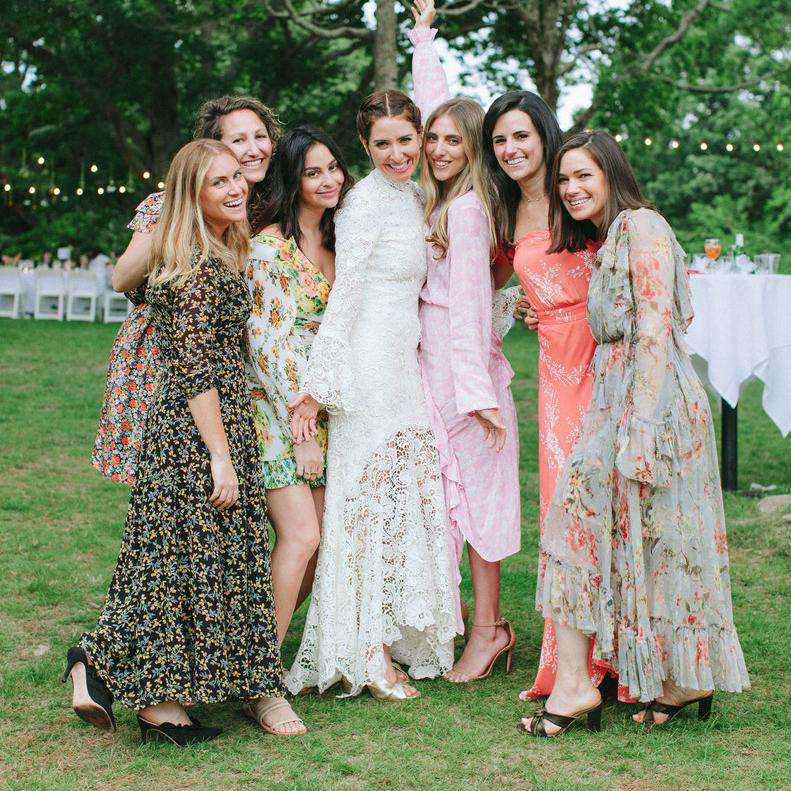
The Wedding Guest’s Wardrobe: A Personal Brand Statement
Your clothing is a powerful, non-verbal communication tool, and at a wedding, it functions as a core element of your personal brand. Just as a corporate brand meticulously designs its logo and marketing materials to convey specific values, you curate your appearance to project an image of thoughtful engagement and social intelligence. What you choose to wear speaks volumes about your understanding of the event’s significance, your respect for the couple, and your own discerning taste. It’s an opportunity to reinforce who you are and how you wish to be perceived within a social context.
Decoding the Dress Code: Respecting the Couple’s Vision
The dress code provided by the couple is not merely a suggestion; it’s a brand brief, outlining the desired aesthetic and formality for their momentous occasion. Adhering to it demonstrates a fundamental respect for their vision and their investment in creating a specific ambiance. Ignoring it, on the other hand, can create dissonance, signaling a lack of consideration or a misunderstanding of social cues – a significant personal brand misstep.
- Black Tie: This code signals peak formality, akin to a high-stakes corporate gala. For men, a tuxedo is paramount. For women, a floor-length evening gown is the standard. This choice projects sophistication, traditional elegance, and an understanding of formal etiquette.
- Formal/Black Tie Optional: A slight relaxation from strict Black Tie, but still highly formal. Men can opt for a dark suit and tie, while women can choose a formal cocktail dress, a sophisticated pantsuit, or a floor-length gown. Your brand here is adaptable formality, capable of rising to the occasion without being rigidly traditional.
- Cocktail Attire: A balance between formal and celebratory. Men should wear a suit, typically darker shades. Women have more leeway with elegant dresses above the knee, chic jumpsuits, or dressy separates. This projects a polished yet spirited brand, suitable for mingling and celebration.
- Semi-Formal/Dressy Casual: This is where the lines can blur, making thoughtful branding crucial. Men might wear dress pants with a button-down shirt and a sport coat, possibly without a tie. Women can choose a dress or skirt and top combo that’s less formal than cocktail but still elevated. Your brand here is effortless sophistication, comfortable yet refined.
- Casual: While rare for a wedding, “casual” still doesn’t mean gym wear. Think neat separates, sundresses, or khakis with a collared shirt. The brand message is relaxed charm, appropriateness for a laid-back setting, but still respectful of the event.
Beyond the Fabric: What Your Outfit Communicates
Every element of your chosen attire contributes to the narrative of your personal brand. The cut of a jacket, the drape of a dress, the color palette, and even the texture of the fabric all send subtle signals. A well-tailored garment, for instance, communicates attention to detail, professionalism, and an appreciation for quality. Conversely, ill-fitting or poorly maintained clothing can detract from your intended message, inadvertently projecting an image of carelessness or disinterest. Your personal brand is in the details, from the pristine condition of your shoes to the careful selection of your accessories.
The Power of First Impressions: Crafting Your Brand Narrative
Weddings are often significant networking events, not just for the couple, but for guests too. You’ll meet new people, reconnect with old acquaintances, and potentially interact with individuals who could influence your personal or professional life. Your initial appearance sets the tone for these interactions. A thoughtfully composed outfit helps to create a positive first impression, conveying confidence, approachability, and respect. It establishes a visual narrative for your personal brand before you even utter a single word, laying the groundwork for meaningful connections and memorable encounters.
Strategic Styling: Designing Your Presence
Much like a brand’s visual identity, your wedding guest attire is a carefully constructed design. It involves strategic choices about form, color, texture, and accessorization, all aimed at enhancing your personal brand and ensuring your presence contributes positively to the event’s aesthetic. This design process is about more than just looking good; it’s about crafting an intentional visual message.
Understanding Silhouettes and Fits: Enhancing Your Persona
The silhouette of your chosen garment plays a crucial role in how you are perceived. A sharp, structured suit for men projects authority and precision. A flowing, ethereal gown for women can convey grace and romanticism. The fit is equally vital; a garment that is too tight or too loose can disrupt your intended brand message, appearing unprofessional or disheveled. An expertly tailored piece, however, communicates polish, self-awareness, and an investment in your personal presentation. It suggests you are put-together, capable, and confident – key attributes of a strong personal brand. Consider how the garment’s shape flatters your individual form while aligning with the overall formality and desired aesthetic of the event.
Color Psychology and Fabric Choices: Setting the Tone
Colors are powerful brand tools. In fashion, they evoke emotions and associations that can subtly influence how others perceive you. While vibrant colors might express joy and personality, overly bright or ostentatious hues can inadvertently divert attention from the couple, a major branding faux pas. Generally, softer tones, classic neutrals, or rich jewel tones are safe and elegant choices that project sophistication and consideration. For example:
- Dark Blues/Greys/Burgundies: Project seriousness, depth, and elegance.
- Pastels/Blush Tones: Communicate softness, romance, and approachability.
- Metallics (subtle): Can add a touch of glamour and celebration without being overwhelming.
Fabric choice also contributes significantly to your brand’s message. Luxurious materials like silk, satin, chiffon, or high-quality wool blends elevate your appearance and signify an appreciation for refinement. Wrinkle-prone or overly casual fabrics, even in a well-designed garment, can undermine your overall brand impression, suggesting a lack of care or attention. The texture adds another layer to your visual identity, from the smooth sheen of silk to the structured weave of tweed, each contributing to the tactile and visual appeal of your ensemble.
Accessorizing with Intent: The Finishing Touches of Your Brand
Accessories are the detailing that completes your personal brand statement. They are opportunities to inject personality and polish without overshadowing the main event. A well-chosen watch, cufflinks, a subtle necklace, tasteful earrings, or an elegant clutch can elevate an outfit from good to exceptional. These elements should harmonize with the overall aesthetic, reinforcing your brand message rather than clashing with it. For instance, a minimalist approach to jewelry can convey understated elegance, while a statement piece, if chosen carefully, can express individuality and boldness. Footwear is equally critical; comfortable yet stylish shoes reflect practicality and attention to detail. Remember, every accessory is a miniature branding opportunity, contributing to the overall narrative of your presence.
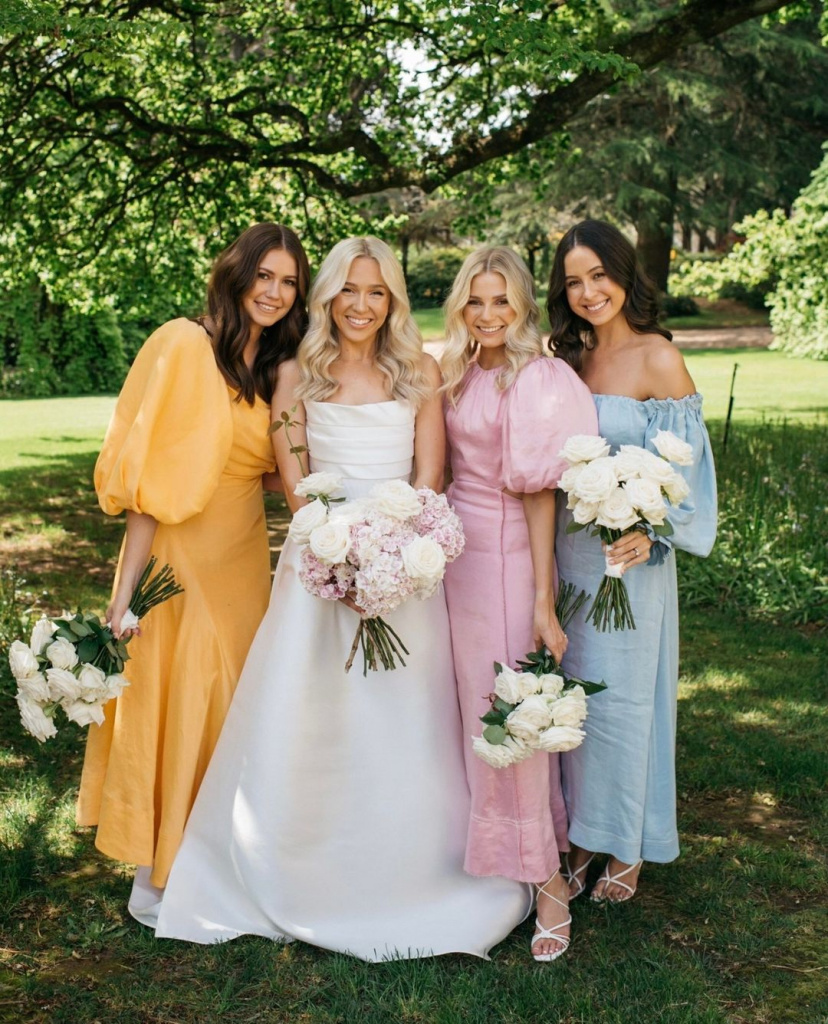
Navigating Nuances: Cultural and Contextual Branding
A strong personal brand is adaptable and context-aware. Weddings, being deeply personal and culturally rich events, often present unique nuances that require thoughtful consideration beyond the basic dress code. Demonstrating cultural sensitivity and an awareness of the venue and time of day further enhances your brand’s versatility and intelligence.
Cultural Sensitivity: Branding Across Traditions
Weddings across different cultures come with distinct traditions, rituals, and often, specific dress expectations. A truly insightful personal brand understands and respects these differences. For instance, attending an Indian wedding might involve vibrant colors and traditional attire like a saree or lehenga, while a modest, respectful outfit might be appropriate for a religious ceremony in a specific faith. Researching and adhering to these cultural norms is not just polite; it’s a powerful statement of global awareness, respect, and adaptability—qualities highly valued in modern personal branding. It shows you’ve done your homework and are committed to fitting seamlessly into the celebration, rather than imposing your own norms.
Venue and Time of Day: Adapting Your Aesthetic
The setting and timing of a wedding significantly influence appropriate attire and, by extension, your personal brand message. An outdoor garden wedding in the afternoon will call for a different aesthetic than a formal ballroom reception in the evening.
- Daytime Weddings: Often lend themselves to lighter fabrics, brighter colors, and less formal silhouettes. A chic sundress or a light suit can project a relaxed yet refined brand.
- Evening Weddings: Typically demand darker, richer colors, more luxurious fabrics, and more formal styles. A sophisticated cocktail dress or a dark suit and tie will align with the gravitas of the evening, reinforcing a polished and elegant brand.
- Beach Weddings: Require breathable fabrics, lighter footwear, and a more relaxed, yet still elegant, approach. Linen suits or flowy maxi dresses project a comfortable sophistication fitting for the environment.
Your ability to adapt your brand to these contextual factors demonstrates versatility and a keen understanding of appropriateness, essential traits for a well-rounded personal brand.
The Ethical Brand: Sustainable Fashion Choices
In an era increasingly conscious of environmental and social impact, a modern personal brand often incorporates ethical considerations. Choosing sustainable fashion for wedding attire can significantly enhance your brand’s integrity and demonstrate a commitment to responsible living. This could involve:
- Renting an outfit: A practical and eco-friendly option for formal wear.
- Re-wearing a cherished piece: Highlighting the longevity and versatility of your existing wardrobe.
- Investing in ethically sourced brands: Supporting companies that prioritize fair labor and environmental stewardship.
- Thrifted or vintage finds: Injecting unique personality while embracing circular fashion.
These choices communicate a conscious brand identity, one that values sustainability and mindful consumption, adding depth and credibility to your overall image.
Avoiding Branding Blunders: Pitfalls to Sidestep
Just as strong brands meticulously avoid missteps, a well-defined personal brand at a wedding requires careful navigation to prevent faux pas that could inadvertently diminish your image or disrespect the couple. Awareness of these common pitfalls is crucial for maintaining an impeccable personal brand.
Upstaging the Couple: A Brand Faux Pas
The golden rule of wedding guest attire is never to outshine the bridal party, especially the bride. This is not the occasion for your most attention-grabbing, overly elaborate, or provocatively styled ensemble. For women, wearing white or an off-white shade traditionally reserved for the bride is an absolute taboo, a severe personal brand transgression signaling insensitivity or ignorance. For men, avoiding flashy patterns or overly casual attire that draws focus from the groom is equally important. Your presence should complement, not compete with, the couple’s moment. A strong personal brand supports and celebrates others, rather than seeking to dominate the spotlight.
Ignoring the Dress Code: Diluting Your Professionalism
As previously discussed, the dress code is a direct instruction from the hosts. Disregarding it communicates a lack of respect, an inability to follow instructions, or a disregard for social norms. Arriving underdressed for a formal affair or overdressed for a casual one can make both you and others uncomfortable, disrupting the intended atmosphere. This dilutes the professionalism and thoughtfulness of your personal brand, suggesting a disconnect between your intentions and your actions. Always treat the dress code as a non-negotiable directive, a clear brief for your personal branding strategy for the day.

Comfort vs. Style: Finding Your Brand’s Balance
While style and adherence to the dress code are paramount, genuine comfort allows you to fully engage in the celebration, dance, and interact without distraction. A powerful personal brand is one that is authentic and effortless. Choosing an outfit that looks stunning but leaves you unable to move or breathe freely can lead to visible discomfort, detracting from your poise and enjoyment. The ideal choice is an ensemble that marries elegance with ease, allowing you to project confidence and enjoyment throughout the event. This balance demonstrates a pragmatic yet sophisticated brand, one that values both aesthetics and functionality.
In conclusion, attending a wedding as a guest offers a unique opportunity to articulate and reinforce your personal brand. From decoding dress codes to embracing sustainable choices, every sartorial decision contributes to the narrative you present to the world. By approaching your wedding guest attire with the strategic mindset of a brand manager, you not only honor the couple and their special day but also cultivate an image of grace, respect, and sophisticated self-awareness that leaves a lasting, positive impression.
aViewFromTheCave is a participant in the Amazon Services LLC Associates Program, an affiliate advertising program designed to provide a means for sites to earn advertising fees by advertising and linking to Amazon.com. Amazon, the Amazon logo, AmazonSupply, and the AmazonSupply logo are trademarks of Amazon.com, Inc. or its affiliates. As an Amazon Associate we earn affiliate commissions from qualifying purchases.