
San Jose, California, stands as the undisputed heart of Silicon Valley. While many travelers associate California with the cinematic glamor of Los Angeles or the fog-draped hills of San Francisco, San Jose offers a different kind of allure. It is a city built on the foundations of silicon, software, and the relentless pursuit of “the next big thing.” For the tech professional, the digital nomad, or the curious innovator, a visit to San Jose is more than a vacation; it is a pilgrimage to the birthplace of the modern digital era.

The city’s landscape is a physical manifestation of technological evolution. From the monolithic headquarters of legacy networking giants to the sleek, glass-fronted offices of AI startups, San Jose provides a unique vantage point to witness how technology reshapes urban environments. When planning a visit, focusing on sites that celebrate computing history, showcase current hardware breakthroughs, and forecast the future of artificial intelligence ensures an itinerary that is both intellectually stimulating and professionally inspiring.
The Pillars of Computing History and Education
To understand where technology is going, one must first appreciate the massive shifts in computing that occurred within the Santa Clara Valley. San Jose and its immediate neighbors house the most significant repositories of hardware and software history in the world.
The Tech Interactive: Hands-On Innovation
Located in the center of downtown San Jose, The Tech Interactive (commonly known as “The Tech”) is an essential destination for anyone interested in the democratization of technology. Unlike traditional museums that focus purely on static exhibits, The Tech is designed as a “living laboratory.”
Visitors can engage with the BioDesign Studio, where the intersection of biology and programming allows for the creation of synthetic organisms via software interfaces. The facility also features extensive exhibits on robotics, sustainable energy solutions, and the mechanics of social media algorithms. For tech professionals, the “Solve for Earth” exhibit is particularly poignant, showcasing how big data and IoT (Internet of Things) sensors are being deployed to monitor climate change in real-time. It serves as a reminder that the tools developed in the city have global implications far beyond the software stack.
The Intel Museum: The Core of the Machine
Just a short drive from downtown San Jose into Santa Clara lies the Intel Museum, located at the company’s corporate headquarters. This is a must-visit for hardware enthusiasts and those interested in the physics of computation. The museum offers an exhaustive look at the evolution of the microprocessor, from the Intel 4004—the world’s first commercially available microprocessor—to the latest advancements in 5nm and 3nm process nodes.
The museum provides deep insights into the lithography process, showing how silicon wafers are transformed into the brains of our devices. It explains the complexities of Moore’s Law and provides a tactile sense of the extreme engineering required to keep the pace of global innovation. Understanding the hardware layer is critical for any software developer or tech strategist, and there is no better place to gain that perspective than the source of the silicon revolution.
San Jose State University and the Innovation Lab
San Jose State University (SJSU) is the top feeder school for Silicon Valley’s workforce. A visit to the campus, particularly the Dr. Martin Luther King, Jr. Library and the various engineering labs, provides insight into the academic rigor fueling the local ecosystem. The university frequently hosts tech talks and hackathons that are open to the public, offering a glimpse into the next generation of talent focused on AI ethics, cybersecurity, and cloud infrastructure.
Corporate Landmarks and the Architecture of Innovation
San Jose’s skyline is defined by the brands that dominate the global tech market. While many corporate campuses are restricted for security reasons, the public-facing elements and the sheer scale of these developments offer a masterclass in how tech wealth influences urban design and corporate culture.
Adobe World Headquarters and the Founders Tower
Adobe has long been a fixture of downtown San Jose, but the completion of its fourth tower, the Founders Tower, represents a new era of hybrid work and sustainable architecture. The building itself is an “all-electric” skyscraper, signaling a shift in the tech industry toward carbon neutrality. For those visiting, the sky bridge and the integrated public spaces demonstrate Adobe’s strategy of blending the digital creative world with the physical urban fabric. It is a testament to the endurance of software-as-a-service (SaaS) business models and the company’s evolution from desktop publishing to the “Content Supply Chain” powered by Firefly AI.
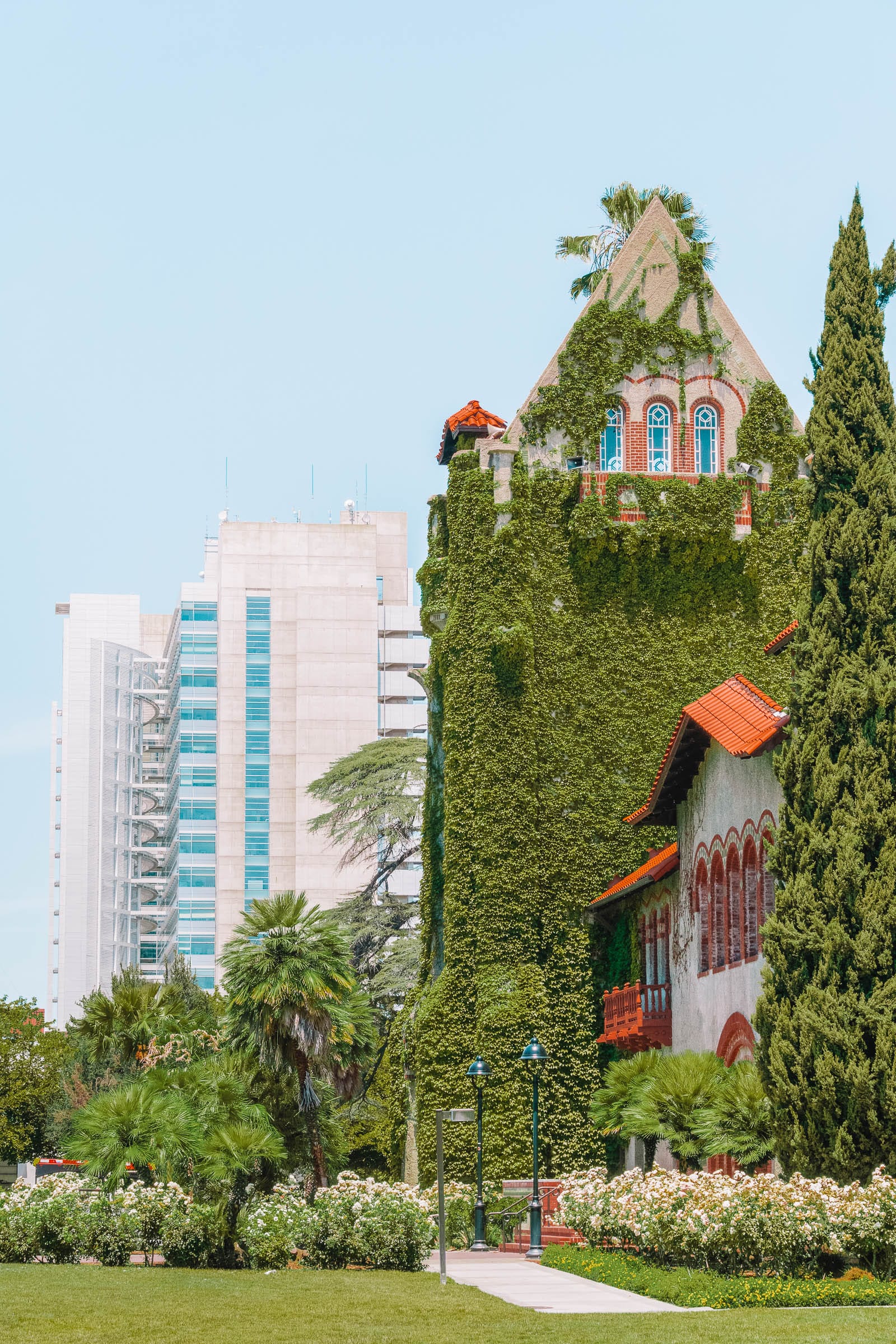
Zoom Video Communications: The Modern Workplace
San Jose is also home to Zoom, a company that became synonymous with the global transition to remote work. Their headquarters in downtown San Jose serves as a symbol of the “Work from Anywhere” movement. While the interior is reserved for employees, the surrounding area has become a hub for tech meetups, where discussions often center on the future of telepresence, virtual reality in the workspace, and the role of AI in streamlining human communication.
Cisco Systems: The Backbone of the Internet
To the north of the city lies the sprawling campus of Cisco Systems. While Adobe represents the application layer, Cisco represents the infrastructure. Walking through the surrounding tech parks gives visitors a sense of the sheer scale of the networking industry. It is here that the protocols and hardware that power the global internet were refined. The area is a dense cluster of data centers and networking firms, providing a stark look at the industrial side of the digital world.
Smart City Initiatives and the Future of Urban Living
San Jose is not just a place where technology is made; it is a place where technology is tested. The city serves as a primary “sandbox” for smart city initiatives, autonomous vehicle testing, and the integration of AI into public services.
The North San Jose Innovation District
This area is a focal point for visitors interested in the practical application of the Internet of Things (IoT). San Jose has implemented a variety of smart city pilot programs here, ranging from intelligent traffic management systems to sensor-based environmental monitoring. Observing the density of electric vehicle charging infrastructure and the frequent sight of autonomous testing vehicles provides a preview of what 21st-century urbanism looks like when directed by a tech-first municipal government.
Santana Row: Where Tech Meets Lifestyle
While primarily a high-end shopping and residential district, Santana Row is the preferred “third space” for Silicon Valley’s elite. It is an essential stop for observing the culture of the tech industry. This is where deals are struck over coffee and where venture capitalists meet with startup founders. From a tech perspective, Santana Row is also a hotspot for showcasing the latest in consumer gadgets and high-tech automotive engineering, with Tesla showrooms and boutique tech stores integrated into the luxury environment. It highlights the intersection of wealth, lifestyle, and the consumer-facing side of the technology sector.
The AI Revolution and Incubators
The current tech landscape is dominated by Artificial Intelligence, and San Jose is at the epicenter of this shift. Beyond the major players, the city is home to numerous incubators and co-working spaces that are currently the breeding grounds for Generative AI and LLM (Large Language Model) startups.
Plug and Play Tech Center
Located in nearby Sunnyvale but deeply integrated into the San Jose ecosystem, Plug and Play is one of the world’s largest startup accelerators. Visitors can often attend “demo days” or public networking events. For those interested in the venture capital side of technology, this is where the raw energy of the startup world is most palpable. You can see firsthand how AI is being applied to fintech, healthtech, and enterprise software.
The Growth of Data Centers
A drive through the outskirts of San Jose reveals massive, windowless structures that are the physical heart of the cloud. These data centers are the “factories” of the 21st century. While they do not offer public tours, their presence is a crucial part of the tech landscape. They represent the massive compute power required to train the AI models that are currently reshaping the global economy. Understanding the geographic distribution of these centers provides insight into the power requirements and cooling challenges that the tech industry must solve in the coming decade.

Conclusion: The San Jose Experience
Visiting San Jose is about more than seeing sights; it is about absorbing the atmosphere of a city that lives and breathes data, innovation, and disruption. Whether you are exploring the historical microchips at the Intel Museum, analyzing the smart city sensors in North San Jose, or networking at a downtown tech hub, the city offers an unparalleled look at the digital world’s engine room.
For the professional or enthusiast, San Jose provides the context for the tools we use every day. It reminds us that every line of code and every hardware breakthrough has a physical origin point. In the fast-paced world of technology, a visit to this California hub is an opportunity to recalibrate, gain new perspectives on the industry’s trajectory, and witness the ongoing transformation of our world through the lens of innovation.
aViewFromTheCave is a participant in the Amazon Services LLC Associates Program, an affiliate advertising program designed to provide a means for sites to earn advertising fees by advertising and linking to Amazon.com. Amazon, the Amazon logo, AmazonSupply, and the AmazonSupply logo are trademarks of Amazon.com, Inc. or its affiliates. As an Amazon Associate we earn affiliate commissions from qualifying purchases.