
When a traveler searches for “what to visit in Asheville,” they are rarely looking for a simple list of coordinates or a directory of museums. Instead, they are seeking an experience that aligns with a specific, highly curated identity. Asheville, North Carolina, has become a global case study in effective place branding—a transition from a secluded Appalachian town to a premier “lifestyle brand” that attracts millions of visitors and billions in revenue.
In the world of brand strategy, Asheville represents the “Architecture of Authenticity.” It has successfully leveraged its geographic assets, industrial history, and eccentric local culture to create a unified corporate identity that resonates with the modern “conscious consumer.” To understand what to visit in Asheville is to understand the mechanics of brand positioning, storytelling, and the strategic cultivation of a destination’s “soul.”

The “Beer City” Moniker: Strategic Positioning and Niche Domination
One of the most successful maneuvers in Asheville’s branding history was the aggressive adoption of the “Beer City USA” title. This was not a happy accident; it was a calculated positioning strategy designed to differentiate the city from other mountain destinations in the American Southeast.
Crafting the Narrative of Craft
By leaning into the craft brewery scene, Asheville moved away from the generic “mountain retreat” category and entered the “lifestyle destination” category. The brand strategy here was centered on the concept of craftsmanship. Whether it is a double IPA or a hand-knitted sweater, the Asheville brand communicates a rejection of mass production in favor of artisanal quality. For the visitor, “what to visit” becomes a journey through the brand’s commitment to the small-batch economy. This positioning attracts a specific demographic: affluent, experience-driven, and value-aligned consumers who are willing to pay a premium for authenticity.
The Power of Community Cohesion
A brand is only as strong as its stakeholders. Asheville’s success in the beverage space is bolstered by a collaborative branding effort between local government, the tourism board, and private enterprises. This “Co-opetition” model—where breweries compete for customers but collaborate to build the city’s reputation—strengthens the overall brand equity. When a visitor stops at New Belgium or Sierra Nevada’s East Coast headquarters, they aren’t just visiting a factory; they are engaging with a narrative of environmental stewardship and community investment that the city brand reinforces at every turn.
Arts and Heritage: Leveraging Local Culture for Global Appeal
If beer provided the modern hook, the arts and heritage sector provides the brand’s historical weight. A strong brand needs a “heritage story” to establish credibility, and Asheville utilizes its Gilded Age history and its vibrant arts scene to create a multi-layered identity.
The River Arts District as a Case Study in Brand Revitalization
What to visit in Asheville often begins with the River Arts District (RAD). From a brand strategy perspective, RAD is a masterclass in “Adaptive Reuse Branding.” By transforming decaying industrial warehouses into vibrant studios, the city rebranded urban blight as “industrial chic.” This serves a dual purpose: it preserves the gritty, authentic feel that modern travelers crave while providing a structured, marketable environment for commerce. The brand message here is clear: Innovation through preservation. This attracts the “Creative Class,” a demographic that values aesthetic history and the democratization of art.
Integrating History into Modern Identity: The Biltmore Influence
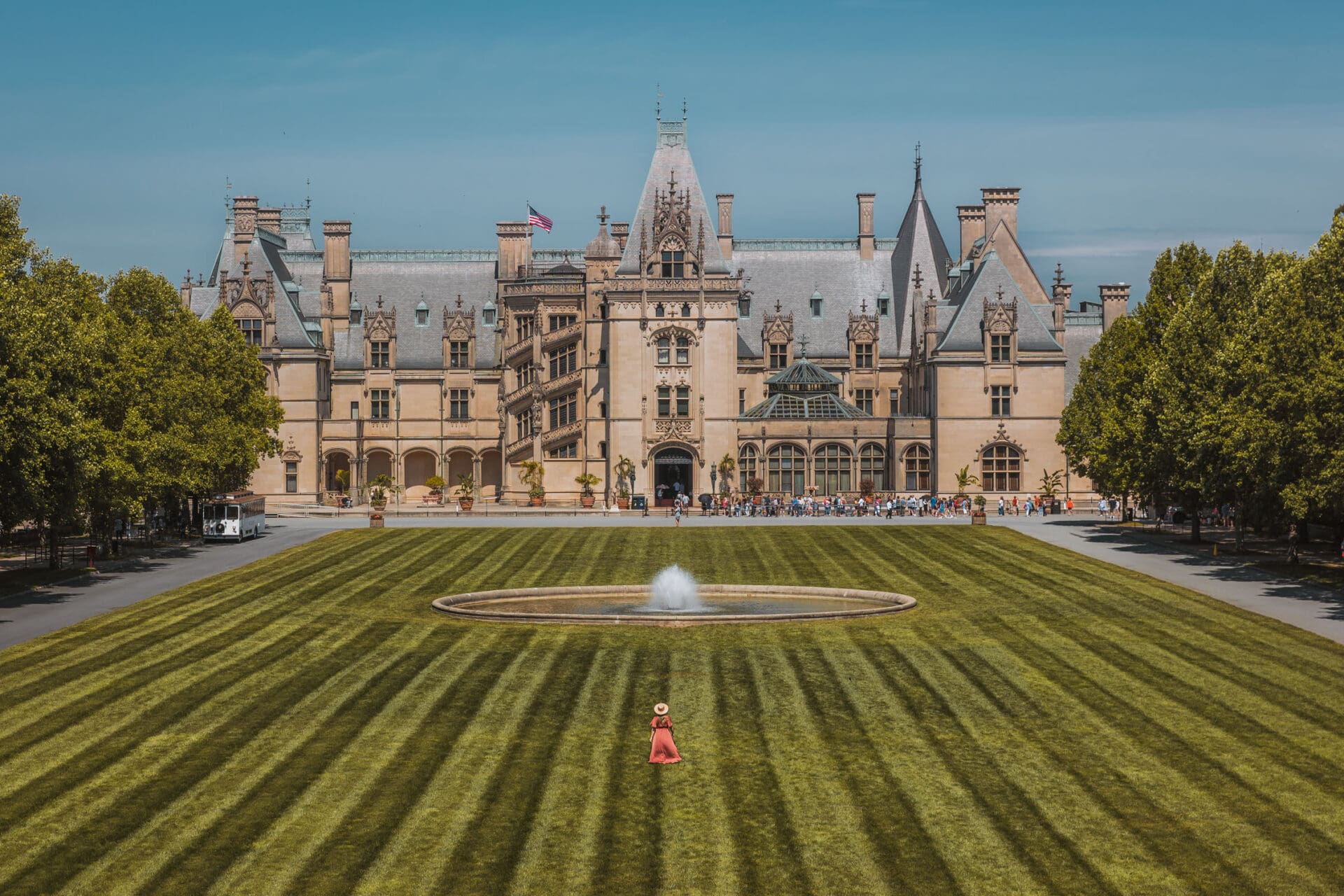
The Biltmore Estate serves as the “Anchor Tenant” of the Asheville brand. While the city itself focuses on “weirdness” and “craft,” the Biltmore provides an element of prestige and luxury branding. This creates a balanced brand portfolio. Just as a luxury fashion house might have a “Haute Couture” line to elevate its “Ready-to-Wear” collection, Asheville uses the Biltmore to signify quality and historical significance, which elevates the perceived value of the surrounding local boutiques and galleries.

Sustainability and Outdoor Lifestyle as Brand Pillars
In the contemporary market, a brand’s values are often more important than its products. Asheville has masterfully integrated the Blue Ridge Mountains into its brand DNA, not just as a backdrop, but as a core value of environmental sustainability and wellness.
Aligning Values with Consumer Expectations
When people look for what to visit in Asheville, they are often searching for a “reset.” The city has branded itself as a sanctuary of wellness. This is a strategic alignment with the “LOHAS” (Lifestyles of Health and Sustainability) market segment. By marketing the Blue Ridge Parkway and the surrounding national forests as part of the “Asheville experience,” the city claims ownership over the emotional benefits of nature—tranquility, health, and perspective. This is a high-level branding tactic where the product (the city) becomes synonymous with an emotional state (wellness).
The “Blue Ridge” Visual Language
The visual identity of Asheville is consistently reinforced through a specific color palette—earthy tones, forest greens, and the iconic “blue” of the distant ridges. This visual consistency across marketing materials, local signage, and digital platforms creates a seamless brand experience. In branding, consistency equals trust. By ensuring that the digital promise of the “Great Outdoors” matches the physical reality of the hiking trails and riverfronts, Asheville builds long-term brand loyalty.
Managing Success: The Challenges of Brand Dilution and Overtourism
As any brand strategist knows, the greatest threat to a successful brand is its own popularity. As Asheville’s “Cool Factor” has scaled, it faces the classic branding dilemma: How do you maintain an “indie” identity while operating at a “corporate” scale?
Preserving the “Keep Asheville Weird” Ethos
The slogan “Keep Asheville Weird” is more than just a bumper sticker; it is a defensive brand strategy. It serves as a grassroots campaign to prevent brand dilution. In branding, “weirdness” is a form of social currency that suggests exclusivity and anti-commercialism. As national chains attempt to move into the downtown core, the “Keep Asheville Weird” movement acts as a brand filter, ensuring that the city’s unique selling proposition (USP)—its quirky, independent spirit—is not homogenized.
Future-Proofing the City Brand through Managed Growth
The “what to visit” list in Asheville is constantly evolving to prevent brand fatigue. The city is currently shifting its focus toward “Sustainable Tourism,” a strategy designed to mitigate the negative impacts of overtourism while maintaining high-value visitors. This involves rebranding less-frequented neighborhoods and promoting mid-week visits. By managing the supply and demand of the “Asheville Experience,” the city ensures that its brand remains a premium “boutique” offering rather than a diluted “mass-market” one.
Conclusion: The ROI of Place Branding
Asheville’s transformation into a premier destination is a testament to the power of strategic branding. By identifying its unique assets—from its brewing prowess to its artistic heritage and natural beauty—and weaving them into a cohesive, value-driven narrative, the city has created a brand that is both resilient and highly profitable.
For marketing professionals and business leaders, the lesson of Asheville is clear: Authenticity cannot be manufactured, but it can be architected. When a traveler asks what to visit in Asheville, they are participating in a carefully managed brand ecosystem that rewards their desire for craft, culture, and connection. Asheville isn’t just a location on a map; it is a meticulously maintained brand identity that proves, in the modern economy, “who you are” is the most valuable product you can sell.
aViewFromTheCave is a participant in the Amazon Services LLC Associates Program, an affiliate advertising program designed to provide a means for sites to earn advertising fees by advertising and linking to Amazon.com. Amazon, the Amazon logo, AmazonSupply, and the AmazonSupply logo are trademarks of Amazon.com, Inc. or its affiliates. As an Amazon Associate we earn affiliate commissions from qualifying purchases.